
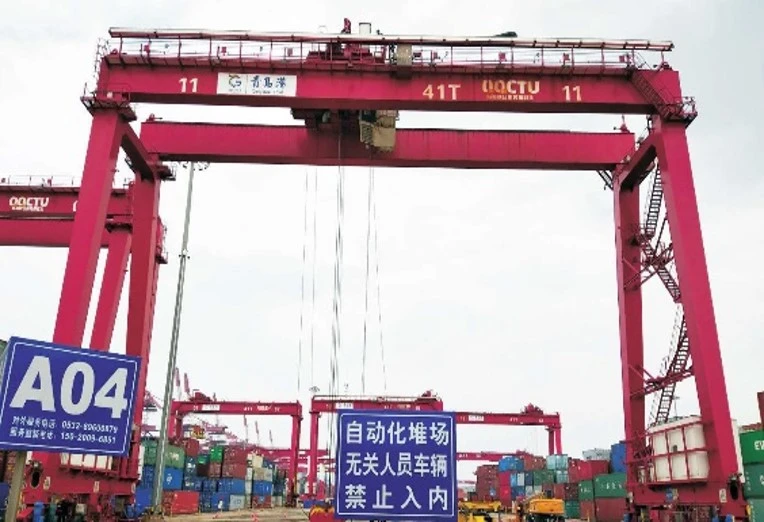
When moving containers, you encounter significant dangers at work. The container handler: limit protection protects operators from major risks. Some common dangers include:
-
Human errors that occur when operators are fatigued or not fully focused
-
Load sway caused by wind or ship movements
-
The potential for collisions during busy operations
CEGC employs advanced safety systems that adhere to industry standards to ensure your safety.
Key Takeaways
-
Limit protection systems make things safer by stopping overloads and unsafe moves. They stop lifts if the weight is too heavy.
-
Automation and real-time alerts help lower mistakes and crash risks. These systems help operators pay attention and know what is around them.
-
Regular training and equipment checks are very important for safety. Operators should finish training and check their machines before each shift to make sure all safety features work right.
Container handler: limit protection protects operators
Preventing overload and unsafe operation
When you use heavy machines at ports, there are many dangers. Overload and unsafe operation can cause bad accidents. The container handler: limit protection protects operators with smart systems. These include overload protection, limit switches, and safety interlocks. These features help you stay safe and avoid trouble.
The container handler uses systems that notice when loads are too heavy. For example, the ELMS1 system can find overloads fast. If the force is too much, the system turns off and lets go of the load. This keeps you and your machine safe. OSHA says auto moment limiters must be used to stop crane rollovers. This rule proves these systems help prevent accidents.
Accidents can happen for different reasons:
-
Forklift crashes in corners or blind spots can hurt people and break things.
-
Things can fall from bad stacking and put everyone in danger.
-
Pallet racking can fall down if someone makes a mistake or puts on too much weight.
Limit protection systems help you avoid these problems. They make sure you do not lift more than you should. They also remind you to stack and handle things safely. CEGC container handler: limit protection protects operators by following strict safety rules and using trusted technology.
Reducing human error and collision risk
People make mistakes, and this can cause accidents in container yards. You might get tired or lose focus during long work hours. The container handler: limit protection protects operators by lowering the chance of mistakes. These systems watch what you do and help if something is wrong.
Limit protection systems give you clear warnings and stop unsafe moves. Automation helps you pay attention to what is around you. The system checks for problems all the time and can see danger before you do. Features like distance warning and collision avoidance can even act to stop accidents.
You get help from these systems because they:
-
Watch over you to stop wrong actions.
-
Use automation to check work and find problems.
-
Have distance warnings and collision avoidance to keep you safe.
CEGC container handler: limit protection protects operators by making your job safer and more steady. These systems help every operator, no matter how much they know, work with confidence. You get the help you need to avoid accidents and keep your team safe.
Technical solutions for safer container handling
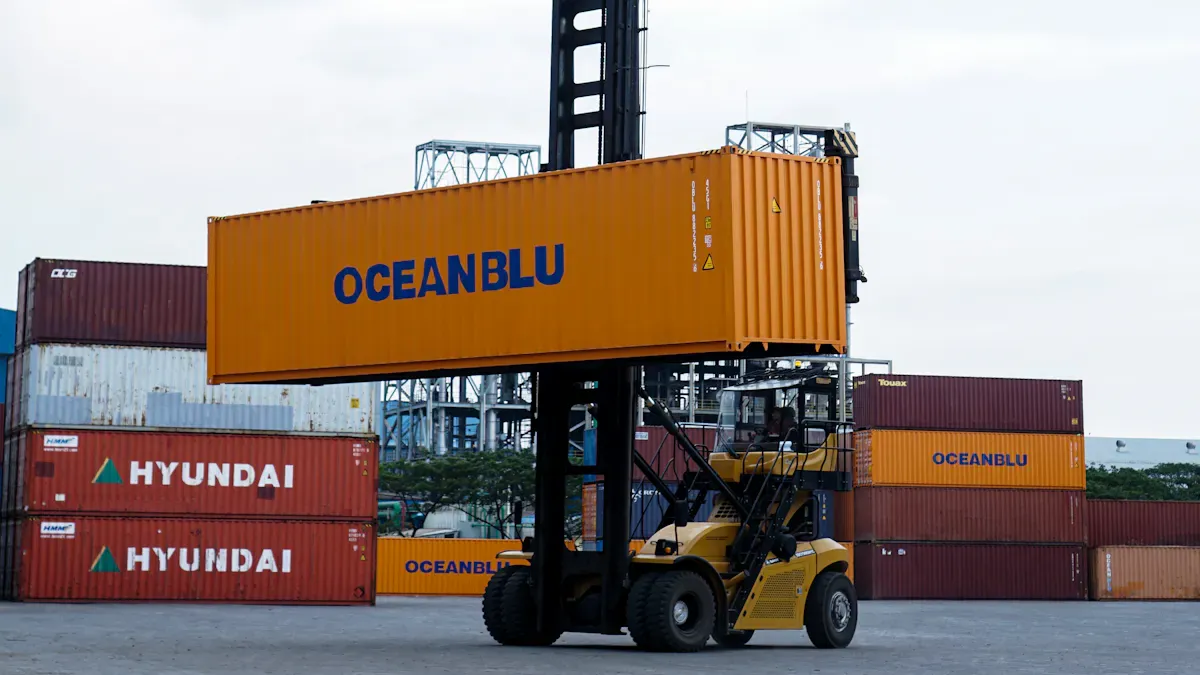
Anti-sway and safe lifting controls
Handling containers can be hard and risky. Load sway and wind can make things worse. CEGC uses anti-sway systems to keep loads steady. These systems help you move containers safely in bad weather. Safe lifting controls let you change lift speed. You can use tag lines for better control. You get clear messages and can decide when to stop a lift. If it is not safe, you can stop.
Tip: Always check wind speed and load shape before lifting. Slow down movements when needed.
|
Benefit |
Impact on Effectiveness |
|---|---|
|
Safety |
Reduces risk of damage and injuries |
|
Operational Efficiency |
Increases crane throughput and reduces cycle time |
|
Equipment Longevity |
Minimizes wear on ropes and chains |
|
Handling Stability |
Improves performance in tough conditions |
Multi-layer safety interlocks and alarms
You need strong safety steps to stay safe at work. CEGC container handlers use different interlocks to protect you. These include mechanical, magnetic, and RFID interlocks. These tools make sure machines only work when it is safe. Guard-locking solenoids and gate sensors stop unsafe entry. Safety PLCs control alarms and keep things safe.
-
Programmable interlocking controls keep equipment working in the right order.
-
Alarms alert you to problems, so you can act fast and avoid accidents.
|
Type of Interlock/Alarm |
Description |
|---|---|
|
Mechanical tongue interlocks |
Block unsafe access |
|
Magnetic/proximity interlocks |
Stop operation if unsafe |
|
Coded RFID switches |
Hard to bypass, boost security |
|
Guard-locking solenoids |
Lock guards until safe |
|
Gate monitoring sensors |
Detect unsafe gate status |
Operator-centered HMI and training
You do better when you have clear information. CEGC makes HMIs that show real-time data and alerts. You can see what is happening and act fast. Simple controls help you learn quickly and make fewer mistakes. Training teaches you about relays, fault finding, and safe zones.
-
Real-time data helps you respond to changing conditions.
-
Instant alerts improve safety and reduce downtime.
-
Training improves your skills and confidence.
|
Training Topic |
Description |
|---|---|
|
Operational Functionality |
Learn how protection systems work |
|
Fault Detection |
Find and fix internal faults |
|
Overlapping Zones |
Understand safe operation areas |
|
Communication Systems |
Know how trip signals work |
|
Resulting Actions |
See what happens after relay actions |
CEGC gives you standard specs and custom options. You can pick sensor sets, safety zones, and automation levels for your needs.
Limitations and best practices
The role of operator vigilance
You cannot just trust machines to keep you safe. Even with limit protection, there are still risks every day. People can make mistakes, especially if they are tired or not paying attention. Sometimes, hard jobs can cause confusion. Loud sounds and different languages can make it hard to hear or understand warnings.
Operators must always pay attention to stay safe. You need to look around and be careful all the time. Here are some things you should do:
-
Finish safety training before you use a container handler or portal crane.
-
Check your equipment before each shift to see if safety devices work.
-
Tell someone right away if something is broken to stop accidents.
-
Look for dangers and stay focused, even when it is busy.
If you do not pay attention, accidents can happen. The table below gives some examples:
|
Lapse Type |
Description |
Example |
|---|---|---|
|
Inadequate Training |
New workers may not know how to stay safe. |
|
|
Communication Gaps |
Bad communication can cause confusion about safety steps. |
Missed instructions can make things unsafe. |
|
Equipment Maintenance |
Skipping checks can make breakdowns more likely. |
Broken alarms may not warn you in time. |
Integrating limit protection with safety protocols
You make your workplace safer by using both technology and good habits. Limit protection works best when you follow safety rules every day. Start by looking for dangers with checks and data. Use what you find to make clear safety steps for your team.
The table below shows what you can do:
|
Step |
Description |
|---|---|
|
1 |
Find dangers during checks and by looking at data. |
|
2 |
|
|
3 |
Use training and feedback to help everyone follow these rules. |
You should always follow the rules for your industry and keep your machines in good shape. When you pay attention, get safety training, and use limit protection, you can stop accidents and keep everyone safe.
You keep your team safe and work faster with CEGC container handler limit protection.
-
Smart systems help stop cargo from getting damaged and make risks smaller.
-
Getting better equipment and teaching operators helps you solve problems and follow the rules.
Keeping safety systems up to date and checking them often makes your work safe and steady.
FAQ
What does limit protection do on a container handler?
Limit protection stops lifts that are not safe. It helps you avoid lifting too much weight. It also helps stop crashes and risky actions. The system keeps you and your team safe every day.
How does CEGC’s anti-sway system help you?
You get steady loads, even if it is windy or the ship moves. The anti-sway system lowers the chance of accidents. It also helps you work faster and safer.
Can you customize CEGC container handler safety features?
Yes, you can pick different sensor sets and safety zones. You can also choose how much automation you want. CEGC makes sure the features fit your project and safety rules.


