
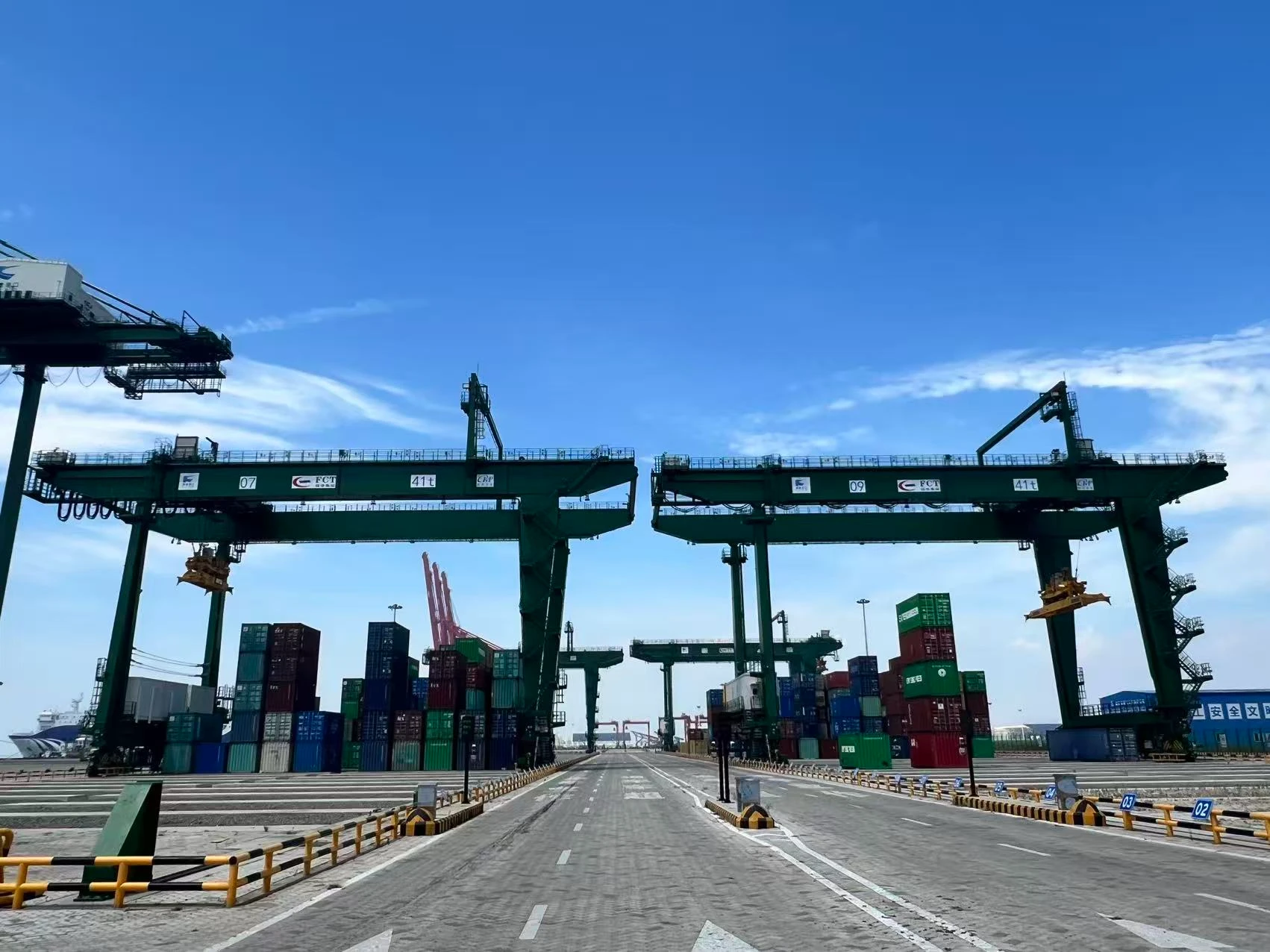
You need to follow wind speed limits to keep ship crane work safe. Most makers say the top wind speed for marine cranes is 20 mph (32 kph). You can see this in the table below. If you do not follow these limits, accidents or damage can happen. CEGC gives you help with ship crane: limit protection in high winds by using smart safety tools.
|
Crane Type |
Wind Speed Limit (mph) |
Wind Speed Limit (kph) |
|---|---|---|
|
Marine Cranes |
20 |
32 |
Key Takeaways
-
Always look at the wind speed limits for your crane type. For marine cranes, stop working if wind is 20 mph. This keeps everyone safe.
-
Use real-time wind tools like anemometers to check wind. These tools help you know the wind speed. This helps stop accidents from happening.
-
Plan each lift with care and talk to your team. Good planning and clear talking help keep everyone safe when using the crane.
Ship crane wind speed limits and safety
Defining crane wind limits
It is important to know the wind speed limits before using a crane. These limits help keep people and machines safe. Each crane type has its own wind limit. You can check the table below to see the top wind speed for each crane:
|
Crane Type |
|
|---|---|
|
Mobile and telescopic |
20–25 mph |
|
Tower or luffing-jib |
38–45 mph |
|
Crawler |
26–27 mph |
|
Floating or marine |
20 mph |
Always look up the wind limit for your crane. If you use a floating or marine crane, stop working when the wind hits 20 mph. These rules help stop sudden wind gusts from making the crane unsafe.
Industry standards and manufacturer guidelines
You need to follow OSHA and the maker’s rules to stay safe. OSHA does not give one wind limit for all cranes. OSHA wants you to use good sense and check the weather as you work. The table below shows what OSHA and makers say:
|
Aspect |
Manufacturer Guidelines |
|
|---|---|---|
|
Wind Speed Limit |
No specific limit; relies on competent judgment based on real-time conditions. |
Specific limits vary by crane type and configuration. |
|
Responsibility |
On-site personnel must evaluate environmental risks. |
OEM provides clear specifications for safe operation. |
|
Compliance Requirement |
Adherence to OSHA's broader safety requirements. |
Ignoring limits can lead to violations and safety hazards. |
You should read your crane’s manual to find the right wind speed limit. The manual tells you how to use the crane safely. If you do not follow these rules, you could break the law or cause an accident. CEGC makes sure its portal and container cranes meet the right standards. You can also ask CEGC to change things for your project.
When to stop operations
You need to know when to stop using the crane to keep everyone safe. Wind speed helps you decide when to work, be careful, or stop. The table below shows what to do at each wind speed:
|
Condition |
|
|---|---|
|
0–12 |
Safe |
|
13–31 |
Caution |
|
32+ |
Stop |
Here are the steps to follow when the wind gets stronger:
-
If the wind is light (0-12 mph), you can work normally.
-
If the wind is stronger (13-31 mph), you need to be careful. Most crane work is risky above 20 mph. You might need to slow down or stop.
-
If the wind is very strong (32+ mph), you must stop all crane work.
Many things can change your decision. The load, how high you lift, crane type, wind gusts, and wind direction all matter. Light or big loads move more in the wind. Lifting higher means more wind hits the load. Side winds are often more dangerous than winds from the front.
Tip: Always check the wind speed and weather while using a crane. Use live tools and follow your company’s safety rules.
You can count on CEGC for safe container handling and gantry crane systems. CEGC gives you tools to watch the wind and stop work at the right time.
Impact of wind on crane stability and operations
Load sway and collision risks
Wind can make crane work much harder. When the wind blows, it pushes the load and makes it swing. This swinging is called sway. Swaying loads are tough to control. They might hit other things like machines or buildings. If the wind gets stronger, the load can swing even more. This puts people and cargo in danger. During storms near the coast, ships can move and bump into docks or piles. Sometimes, big waves can lift ships onto the dock. This makes things even more dangerous for everyone close by.
Factors influencing wind speed limits
Many things decide what wind speed is safe for cranes. The kind of crane you use is important. Mobile cranes usually stop at 20–25 mph. Tower cranes can work until 38–45 mph. The load’s size and shape also matter. Big, flat loads catch more wind and are harder to handle. Where you work can change the wind too. High places or open spots can have stronger winds. How skilled the operator is also matters a lot. Good operators know how wind changes crane safety and can make better choices.
-
Crane type and design
-
Load weight and surface area
-
Boom height
-
Site conditions (elevation, exposure)
-
Operator experience
Anti-sway and safety control solutions
You can make crane work safer with special control systems. CEGC has anti-sway tools that cut down swinging by up to 95%. These tools use sensors and smart programs to help the crane move safely. Safety locks and easy-to-read screens help you see problems fast. Wind monitors show you the wind speed right away. This helps you stop work before the wind gets too strong. These tools help stop accidents, make load moves safer, and keep cranes working longer.
|
Feature |
Benefit |
|---|---|
|
Swing Reduction |
Up to 95% less load sway |
|
Accurate Placement |
Better control in strong wind |
|
Real-Time Monitoring |
Quick response to changing wind conditions |
|
Safety Interlocks |
Fewer accidents and safer operations |
Best practices for ship crane: limit protection in high winds
Pre-lift planning and risk assessment
You must plan each lift before starting. Good planning helps you follow wind speed rules. This keeps everyone safe. Always read the crane manual and follow what the maker says. Make a simple plan for when to stop if the wind is too strong. The table below shows the main steps for safe lifting in high winds:
|
Step |
Description |
|---|---|
|
1 |
Watch the wind and weather closely |
|
2 |
Follow the wind speed limits for your crane |
|
3 |
Stop lifting if the weather gets too bad |
You should stop work if the wind is strong, there is lightning, or you cannot see well. The plan should have rules for stopping or delaying work if the weather changes fast. This helps you follow osha and occupational safety and health administration rules.
Real-time wind monitoring tools
You need to check wind speed all the time. Real-time wind tools help you spot high winds and follow the rules. Use anemometers and wireless wind sensors for live wind data. These tools send alerts if the wind gets too strong. The table below lists some common tools:
|
Tool Type |
Description |
|---|---|
|
Anemometers |
Check wind speed and direction for safety |
|
Wireless Wind Sensors |
Give live wind data and alerts for crane work |
Modern systems use sensors, alarms, and auto shutdowns to keep you safe. CEGC gives you tools for maintenance and saving energy in windy weather.
Communication and emergency protocols
Good communication keeps everyone safe. Set up radios and wear bright uniforms. Make sure everyone knows what to do in an emergency.
Team members like the crane operator, deck crew, and supervisors must talk clearly so everyone knows what is happening.
Train your team to act fast if the wind changes. CEGC’s marine solutions help your crane work in any weather. Always follow safety steps and check the crane before each shift.
You keep your team and cargo safe by following wind speed limits. Training helps everyone know what to do. You should make a plan for your work site. Checking the wind in real time helps lower risks. CEGC’s anti-sway systems make crane work safer and faster. Always ask experts to make sure you follow all the rules.
FAQ
What should you do if wind speed suddenly increases during crane operation?
You need to stop using the crane right away. Make sure to lower the load safely. Check the wind speed again before starting the crane.
How often should you check wind speed during crane operation?
Check the wind speed before you use the crane. Keep checking while you work. Use live wind tools to help keep everyone safe.
Why is operator training important for safe crane operation in high winds?
Operator training teaches you about crane limits. You learn how wind can change crane safety. This helps keep everyone safe when using the crane.


