
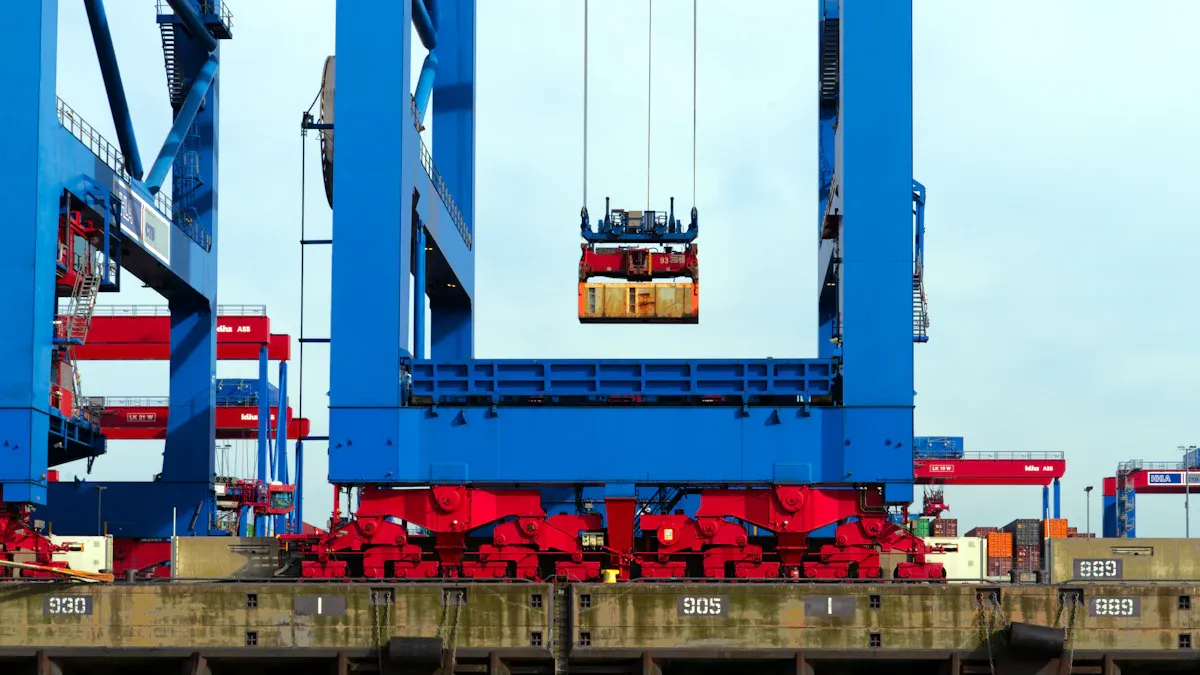
You know it is important to use gantry cranes safely in busy ports. Gantry crane safety keeps people, machines, and cargo safe every day. Load sway and crash risk can make gantry cranes unsafe. Sometimes, results are not the same each time. CEGC gives you Container gantry crane: limit protection commissioning tips to help you make your gantry crane safer.
Key Takeaways
-
Limit protection systems help stop accidents and keep equipment safe. Regular checks make sure they work right.
-
Always follow the rules and standards for gantry crane safety. This helps you avoid trouble and keeps work going well.
-
Do careful checks before starting, like testing limit switches and safety devices. This step is very important for safe crane use.
Why limit protection matters for gantry crane safety
Preventing accidents and equipment damage
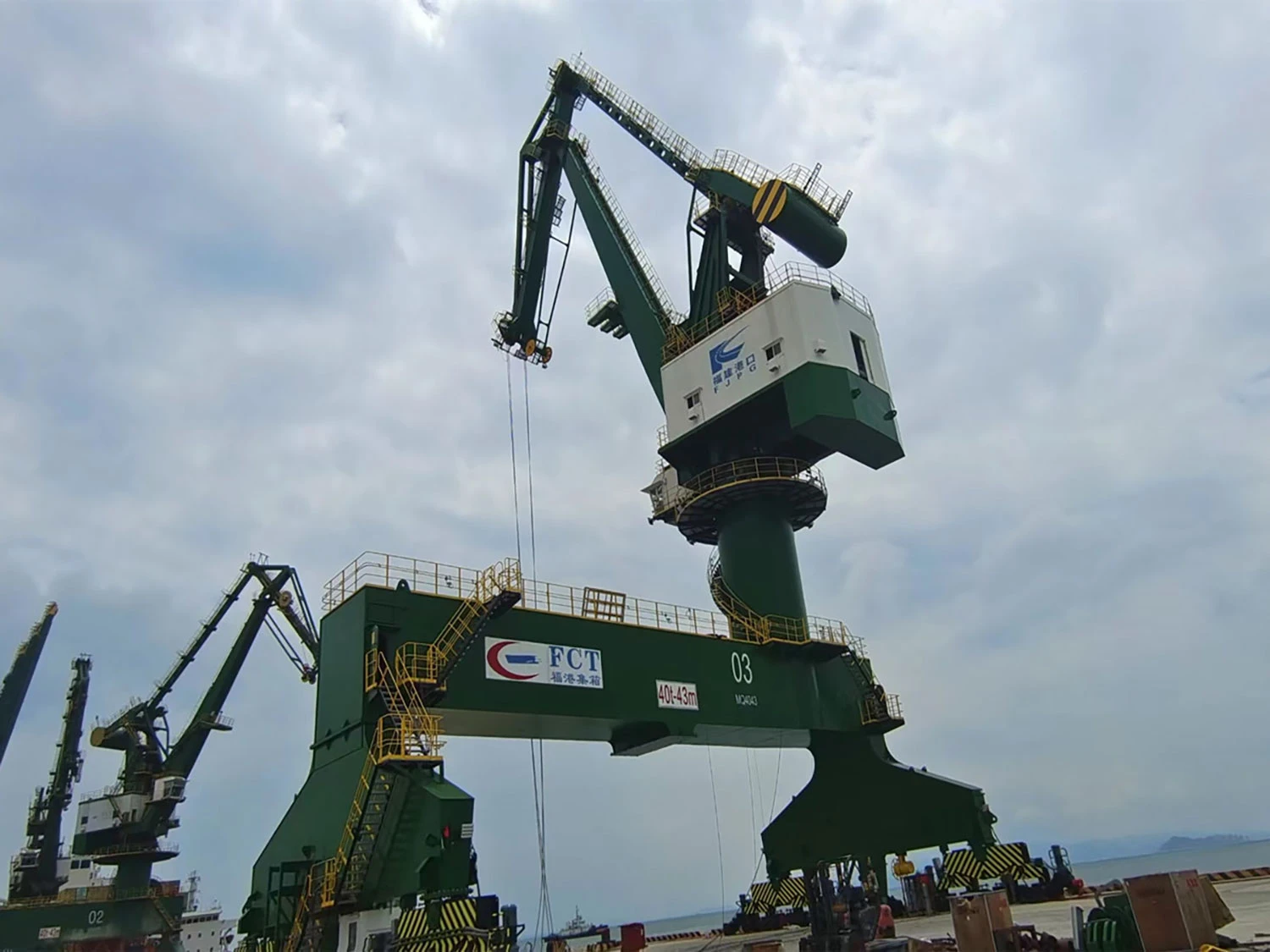
It is important to think about gantry crane safety every day. Limit protection systems help stop accidents and keep your equipment working well. Limit switches stop the crane from going too far or lifting too high. This keeps the crane from crashing and protects your cargo. It also helps stop load sway, which makes using gantry cranes harder and less safe. To stop accidents, you need to check these systems often and always use safe lifting steps.
Limit switches are very important for keeping crane parts from moving past safe points. They stop problems like over-hoisting and crashes, which can break equipment. You should check these systems often to make sure they work right. But you still need to use safe work habits every time.
CEGC makes container gantry cranes with strong limit protection. You get safety features that meet market standards. You can also ask for special options for your port. This helps stop accidents and keeps lifting safe for every shift.
Meeting industry standards and regulations
You have to follow strict rules when using gantry cranes. These rules help keep gantry crane safety high. Many world standards show you how to use gantry cranes safely and avoid accidents.
|
Standard |
Description |
|---|---|
|
OSHA |
Sets rules for design, checks, repairs, and operator skills. It says you need limit switches and brakes. |
|
ISO |
Has many rules for cranes, like ISO 4301 for types, ISO 9927 for checks, and ISO 12480 for safe use. |
|
EN |
You must follow EN rules for CE marking in the EU. EN 15011 gives rules for bridge and gantry cranes. |
-
OSHA rule 1910.179(g)(5)(iv) says electric traveling cranes must have over-travel limit switches to stop hoisting past set spots.
-
ASME B30.2 rules give safety steps for overhead and gantry cranes.
CEGC makes sure its container gantry cranes follow these rules. You can trust your equipment meets the newest gantry crane safety rules and helps keep lifting safe at your terminal.
Pre-commissioning safety checks for container gantry cranes
Reviewing documentation and standards
Start each project with the correct paperwork. Before using a container gantry crane, collect all needed documents. These papers help you follow the gantry crane safety checklist every day. They also help you use safe lifting steps.
-
Hoist and trolley checklists
-
Brake and limit device test results
-
Lubrication records
-
Electrical inspection sheets
-
Safety device function logs
-
Nameplate, load chart, manuals, and commissioning record sheet
Check if your documents match the newest standards. The table below lists two important standards you should know:
|
Standard |
Description |
|---|---|
|
AS 2550 |
Rules for crane testing and pre-commissioning steps. |
|
AS 1418 |
Rules about how cranes are made and used. |
Inspecting limit switches and safety devices
Check all limit switches and safety devices before using the crane. This is part of your daily gantry crane safety checklist. It also helps you use safe lifting steps.
-
Test the main limit switch for hoisting.
-
Make sure trolley and crane brakes work before moving.
-
Look for any out-of-service tags on the crane or hoist.
-
Check that all warning and safety labels are easy to see.
-
Watch and listen for smooth hoisting, lowering, and travel.
-
Check slings for damage and make sure capacity labels are clear.
Ensuring PPE and lockout/tagout compliance
Keep yourself and your team safe. Always wear the right PPE like helmets, gloves, and safety vests. Use lockout/tagout steps to keep everyone safe during checks. These steps should be on your daily gantry crane safety checklist. They also help you use safe lifting steps and stop accidents before work starts.
Tip: Go over your checklist with your team before each shift. This habit helps build a strong safety culture and keeps everyone alert.
Container gantry crane: limit protection commissioning tips
Setting and calibrating limit switches
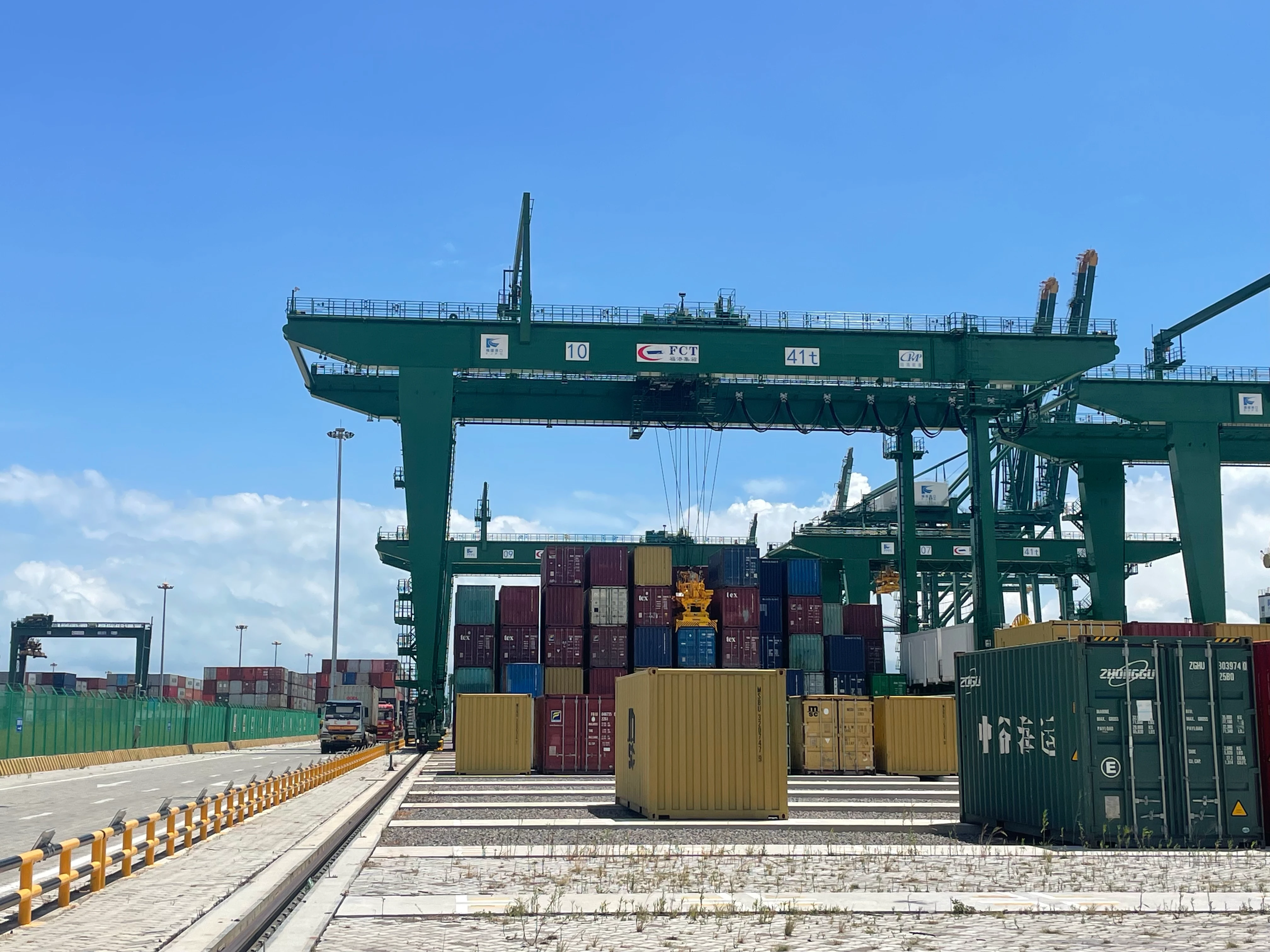
You need to set up the container gantry crane the right way. Limit switches help control how far the crane can move and lift. These switches are very important for gantry crane safety. You have to set each switch to fit the crane’s working area. Use the operator HMI to check the switch status and change settings if needed.
Here are steps for setting and calibrating limit switches:
-
Move the crane slowly to the top and bottom points.
-
Adjust the limit switches so the crane stops before the end.
-
Test the switches by moving the crane to each limit. Make sure the crane stops every time.
-
Check the HMI for alarms or messages when a limit is reached.
-
Do these steps again for trolley travel and gantry movement.
CEGC cranes use special anti-sway control and safety interlocks. These features help keep the load steady and lower accident risk. When you follow these tips, you make gantry crane safety better for your team.
Testing emergency stops and anti-collision systems
You must test emergency stops and anti-collision systems before using the crane. These systems protect people and equipment. They are a big part of gantry crane safety. After you connect the electrical system, check each control one by one.
-
Test the lifting limit, lowering limit, and travel limit.
-
Press the emergency stop button and make sure the crane stops right away.
-
Check overload protection by pretending there is a heavy load.
-
Test the brake to see if the crane stops smoothly.
-
Make sure the control direction matches the operator’s commands.
-
Fix any strange response before going to the next step.
CEGC container gantry cranes have zone-based collision prevention. This system helps you avoid crashes with other cranes or things. When you use these tips, you lower accident chances and make gantry crane safety better.
Tip: Always test emergency stops and anti-collision systems with no load first. This keeps everyone safe during checks.
Verifying alarms and interlocks
You need to check all alarms and interlocks during these tips. These features warn you about problems and stop unsafe actions. They are important for gantry crane safety.
Here is a table that shows common ways to check alarms and interlocks:
|
Method Description |
Details |
|---|---|
|
Each handrail gate has a safety electrical interlock. The crane only works when the gate is closed. |
|
|
Limit Device |
The lifting mechanism has a limit device. It cuts off power when the hook reaches the top or bottom. |
|
Stroke Limiter |
Both sides of the crane and trolley have stroke limiters. They cut off power at the end of travel and allow movement in the opposite direction. |
You should test each alarm and interlock one at a time. Watch the operator HMI for warnings and updates. CEGC cranes give you easy-to-read displays and guided steps. This helps you follow these tips and keep gantry crane safety high.
Note: Write down all test results and settings. Good records help you keep safety strong and make future checks easier.
Common commissioning mistakes to avoid
Skipping functional or environmental tests
Some people think the crane is ready after it is set up. But not testing it is a big gantry crane safety mistake. These tests help you find problems before they hurt someone. If you skip them, you might not see wiring mistakes or broken alarms. You must check how the crane works in real life. This step is very important for safe gantry crane use.
Here is a table that shows how you can add these tests to your process:
|
Step |
Description |
|---|---|
|
Loop Checks |
Check wiring and make sure control parts work right. |
|
Functional Testing |
Test alarms and logic to see if they do what you expect. |
|
Controlled Startup |
Start the crane slowly and adjust settings for best performance. |
|
Training and Support |
Give your team training and clear guides for long-term safety. |
If you skip these steps, you might not see problems until later. Always test your systems before you use the crane.
Incomplete documentation or missed updates
Another gantry crane safety mistake is not keeping good records. You need to write down every test, setting, and update. If you forget, you can have big problems. You might not pass safety checks, and your insurance can cost more. You may even have to stop work if you fail an audit. Good records help you follow safe steps and keep your team safe.
See what can happen if you do not keep your documents up to date:
|
Consequence |
Description |
|---|---|
|
Compliance Gaps |
Missing papers can cause trouble during inspections and lead to penalties. |
|
Financial Penalties |
Poor records can make insurance more expensive and bring fines. |
|
Operational Disruptions |
Failed audits can stop your crane and slow down your work. |
|
Increased Liability Risks |
Bad records can make you responsible for accidents and raise insurance. |
You should always update your records after every change or test. This habit helps you use gantry cranes safely and keeps your port working well.
Post-commissioning inspection and records
Final walkthrough and safety validation
You should always do a final walkthrough after you finish commissioning your container gantry crane. Walk around the crane with your team. Check every part, from the hoist to the trolley and the control panels. Look for loose bolts, missing covers, or anything out of place. Test all limit switches and alarms again. Make sure the emergency stop works. Watch the operator use the crane for a short cycle. Listen for strange noises. Ask your team if they see any problems.
Tip: Use a checklist during your walkthrough. This helps you remember every step and keeps your focus on safety.
Recording settings and maintenance logs
You need to write down all the settings you used during commissioning. Record the positions of limit switches, alarm set points, and any changes you made. Keep these records in a safe place. Good records help you fix problems faster in the future. They also show that you follow the right steps for safety.
Here is a simple table you can use for your log:
|
Item Checked |
Setting/Result |
Date |
Checked By |
|---|---|---|---|
|
Hoist Upper Limit |
Stops at 12.5m |
2024-06-10 |
Supervisor A |
|
Emergency Stop |
Stops all movement |
2024-06-10 |
Tech B |
|
Alarm Test |
Audible/Visible |
2024-06-10 |
Tech B |
You should update your log after every inspection or change. This habit keeps your crane ready and supports a strong safety culture.
Training and ongoing gantry crane safety
Operator and technician training essentials
Operators must get good training to stay safe. Training teaches how to use the crane and spot problems. You also learn the rules and how to follow them. Training shows you the crane’s features, like emergency systems. You learn safe lifting steps too. Technicians need training to check and fix the crane. This helps find small issues before they get worse.
Here is a table that lists the main parts of operator training and maintenance:
|
Component |
Description |
|---|---|
|
Operator Training |
Teaches duties, safety checks, and how to use crane features like rated capacity, emergency systems, and safe lifting rules. |
|
Maintenance |
Means doing regular checks to keep equipment safe and working, including daily, weekly, monthly, and yearly tasks. |
Ongoing training helps you get better at using cranes. You learn more about gantry crane safety rules. You also practice what to do in emergencies. Drills help you remember the right steps.
-
You get better at using cranes.
-
You remember to use safety steps each day.
-
You know what to do if there is an emergency.
Scheduling regular inspections and predictive maintenance
You should plan regular checks to keep your crane safe. Predictive maintenance uses data to find problems early. This helps stop sudden breakdowns and keeps work going. These checks can lower downtime by 20%. Data tools can also help your crane work more and cut downtime by 25%.
-
Predictive maintenance finds problems before the crane stops.
-
Regular checks help you fix small problems early.
-
Data tools help you watch equipment health and plan repairs.
CEGC gives you tools for predictive maintenance and remote checks. You can add these tools to your work plan for better gantry crane safety. This keeps your cranes ready and your team safe every day.
When you use the right steps to set up your container gantry crane, you make things safer and work better. This helps your team stay safe and means less time when the crane is not working. CEGC helps you with good support for the crane’s whole life:
-
Stops rust and makes fixing easy
-
Fixes problems fast or in an emergency
-
Gives you extra parts and checks the crane
|
Description |
Impact on Safety |
|
|---|---|---|
|
Safety Upgrades |
Add special safety parts |
Makes the crane safer |
|
Anti-Sway Systems |
Use special tools to stop load sway |
Makes accidents less likely |
|
Maintenance Protocols |
Make your own plan for checking the crane |
Keeps the crane working well |
You can count on CEGC for machines that work well, are safe, and help your port run smoothly.
FAQ
What is a limit switch on a container gantry crane?
A limit switch stops the crane from moving past safe points. You use it to prevent accidents and protect equipment.
How often should you test emergency stops and safety devices?
You should test emergency stops and safety devices before each shift. This keeps your team and equipment safe every day.
Can you customize CEGC container gantry cranes for special safety needs?
Yes! You can ask CEGC for custom safety features, like extra anti-sway systems or special alarms, to fit your port’s needs.


