
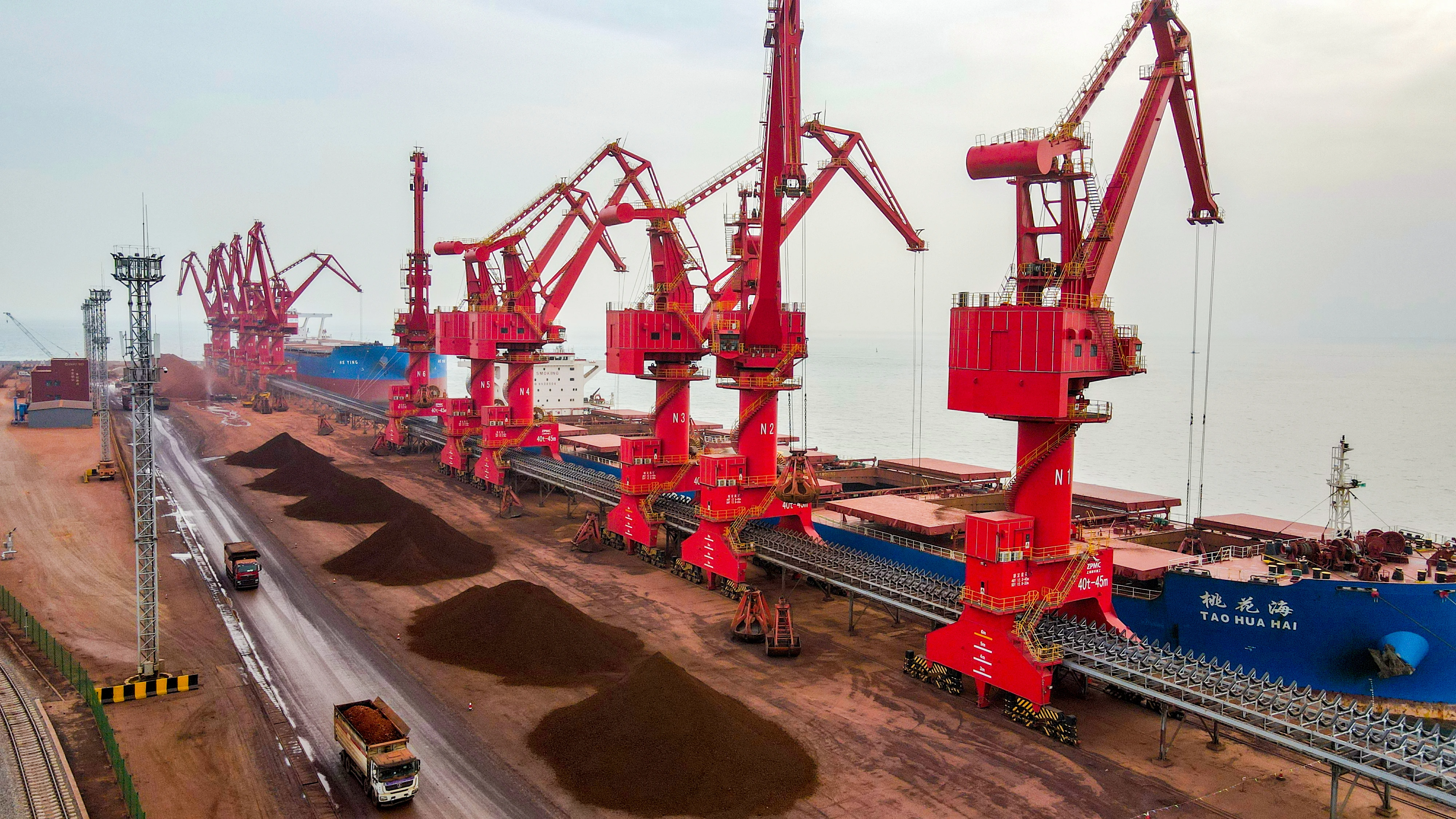
You need to be ready for safety all year. Container handling equipment: all-weather uptime plan helps your work stay safe and steady. CEGC gives good answers for port machines. You can count on this plan to make things safer and help your team. Safety is important for every worker and every task.
Key Takeaways
-
Get ready for bad weather by looking at forecasts. Make sure all equipment sensors work well. This keeps your team safe. It also helps operations run smoothly.
-
Pick CEGC container handling equipment made for all weather. This lowers breakdowns. It makes work more efficient when the weather is bad.
-
Teach your team often about safety rules and equipment features for bad weather. This helps everyone know what to do fast and safely when things get tough.
Weather challenges for container handling equipment
Impact of adverse weather conditions
When you use container handling equipment at ports, you face many problems. The weather can change fast and make things hard for your machines and your team. Here are some common bad weather events that can affect your work:
-
Extreme temperatures can make equipment not work well. When it is very hot, metal parts get bigger, so moving containers is harder. When it is very cold, materials can break more easily.
-
Strong winds can make loads swing and make it hard to put containers in the right place. Wind can cause more accidents and slow down your work.
-
Heavy rain or storms can make it hard to see and make the ground slippery, which can cause crashes.
CEGC gives you portal cranes, container handlers, and reach stackers with good features. These machines help you move containers even when the weather is bad. You can use things like anti-sway control, safety interlocks, and operator-centered HMI to make work safer and faster.
Tip: Always look at the weather forecast before you start working. This helps you get ready for sudden weather changes and keeps your team safe.
Risk assessment and disaster planning
You need a good plan to deal with bad weather risks. Follow these steps to keep your machines and your team safe:
-
Think about what you need for handling containers. Look at the size, weight, ground, how often you use them, and where you are.
-
Make safety and easy work important. Make sure your machines move well, stop right, and stay steady. Teach your workers how to use them in all weather.
-
Pick equipment that can handle bad weather. This helps your machines work well and not stop during storms or very hot or cold days.
|
Key Technologies |
Functionality |
|---|---|
|
Anti-Sway Algorithms |
Use sensors and feedback to stop loads from swinging, so you can put containers in the right spot. |
|
Environmental Sensors |
Give real-time information to workers so they can make good choices when the weather is bad. |
|
Stop work by themselves when the wind is too strong. |
|
|
Tilt & Inclination Sensors |
Tell workers if the ground is not safe or is slanted. |
|
Variable Frequency Drives (VFD) |
Help machines change speed smoothly so loads do not tip over. |
You can use these tools to keep your work safe and steady. CEGC machines have these features, so you can move containers in any weather.
Equipment selection & prep for all-weather uptime
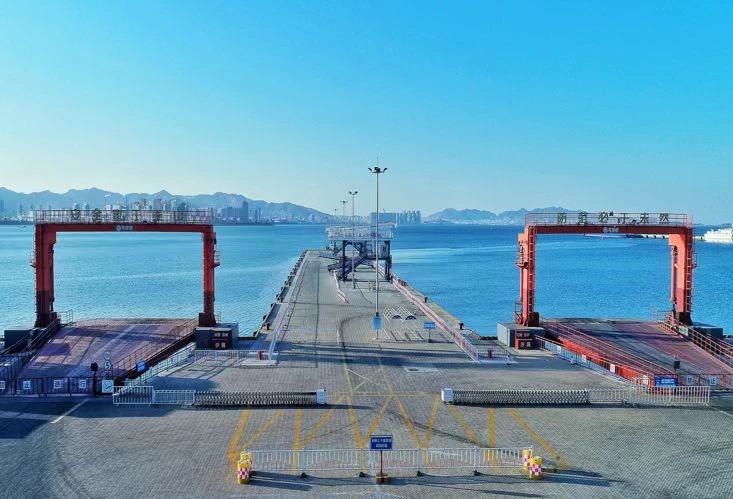
Choosing CEGC container handling equipment
You need to pick the right machines for your port. The container handling equipment: all-weather uptime plan helps your machines work in every season. CEGC has portal cranes, container handlers, and reach stackers that meet weather standards. You can trust these machines to keep handling containers safe and easy.
Many ports have trouble when their machines cannot handle bad weather. Machines break more often, and fixing them costs more money. CEGC builds its container handling equipment to work well in tough weather. You get more work done and less time waiting for repairs. When you use the container handling equipment: all-weather uptime plan, you make things safer and keep your team ready for any weather.
You can change your equipment to fit what you need. Pick the right anti-corrosion grade, sensor sets, automation level, and marine durability. These choices help you handle containers in hard weather and keep your machines working longer. Custom sensor sets let you watch conditions closely. Automation levels help you change fast when weather changes. You can upgrade sensors without changing everything. This makes your container handling equipment: all-weather uptime plan strong.
Tip: Always check if your equipment works well in cold weather and is winter-ready. This helps you stop problems when it gets cold.
Weather-resistant features and add-ons
You need weather-resistant features and add-ons to protect your container handling equipment. These features help you handle containers in coastal ports and during storms. The container handling equipment: all-weather uptime plan gives strong protection against corrosion, heavy loads, and lots of water.
|
Requirement |
Description |
|---|---|
|
Port drainage systems must handle heavy loads from vehicles like reach stackers, which can be over 100 tons. |
|
|
Corrosive environments |
Drainage systems need materials that resist salty air and UV rays. |
|
High volumes of run-off |
Systems must manage lots of water from big surfaces during heavy rain and bad weather. |
Marine-grade anti-corrosion treatment makes your equipment last longer. You get salt spray resistance for over 3,000 hours. The coating is thick and sticks to steel, so it does not peel or flake. It works with all steel types and meets RoHS and REACH rules. You get protection from heat changes, scratches, and stress. You can add sealants or topcoats for extra strength. This easy-care solution keeps your winter-ready equipment safe and strong.
Note: Weather-resistant features help you keep handling containers safe and steady. You protect your machines from rust, water, and cold weather problems.
Preparing for handling containers in adverse weather
Getting ready is important when you handle containers in bad weather. You need to follow steps to keep your team safe and your equipment ready. The container handling equipment: all-weather uptime plan shows you how to prepare.
-
Put container lifting jacks on solid, ice-free ground. This stops slipping and keeps your equipment steady.
-
Move slowly to keep traction. You lower accidents and keep handling containers safe.
-
Spread weight evenly. This lowers tipping risk, especially in cold weather and storms.
-
Watch weather forecasts. You plan your handling containers jobs around snow and cold.
-
Use covered storage areas. You protect winter-ready equipment from ice and freezing.
-
Anchor containers tightly. You stop them from moving in strong winds or heavy rain.
-
Insulate sensitive parts. You keep your machines working in cold weather.
-
Use strong covers. You shield your equipment from rain, snow, and dust.
-
Prepare spare parts and tools. You fix problems fast and keep handling containers moving.
-
Train your team for every weather. You teach them how to use winter-ready equipment and follow safety steps.
-
Check all sensor sets before storms. You make sure your container handling equipment: all-weather uptime plan works well.
-
Review automation levels. You adjust your machines for quick weather changes.
You get a high return on investment when you upgrade to weather-resistant container handling equipment. Ports see a rate of return of 30%. This helps you explain the cost and improve efficiency. Getting ready keeps your container handling equipment: all-weather uptime plan strong and your team ready for anything.
Safety starts with getting ready. You protect your workers, your machines, and your port by following the container handling equipment: all-weather uptime plan.
Maintenance & training in adverse weather conditions
Inspection routines for handling containers
You need to check your container handling equipment often in bad weather. These checks help you find problems early and keep machines working. Always follow the best steps for every check. Start by looking at the corners and seams for damage or wear, especially where parts are welded. Read the CSC plate to see who made the container and when it was last fixed. Check the doors and locks to make sure they close tight and are not broken. Look at the roof for cracks, dents, or rust. Watch for any spots on the surface, especially rust. Go inside the container and look for cracks or leaks by checking for light. Make sure the inside is dry, clean, and has no chemicals or stains. Look for anything sticking out that could hurt the cargo. If your container has temperature controls, check if they work well. Watch for signs of damage, like warping.
When it is winter or stormy, you need a special checklist to protect your equipment. Use cold-weather lubricants to help moving parts work. Check if belts are tight and can bend. Look at motor seals and electrical boxes for water. Set sensors right and clean their lenses. Run warm-up cycles before using machines at full speed. Test all heaters and insulation. Clean and dry places where ice can build up. Make sure emergency stops and safety tools work.
|
Inspection Task |
Description |
|---|---|
|
Inspect and replace lubricants |
Use cold-weather compatible alternatives for better performance. |
|
Verify belt tension and flexibility |
Ensure belts are properly tensioned and flexible in cold. |
|
Examine motor seals and electrical enclosures |
Check for moisture ingress that can affect functionality. |
|
Calibrate sensors and clean lenses |
Ensure sensors are accurate and lenses are clear. |
|
Run warm-up cycles before full-speed production |
Prevent equipment strain by gradually increasing speed. |
|
Inspect and test all heating elements and insulation |
Ensure heating systems are operational to prevent freezing. |
|
Clean and dry accumulation zones |
Prevent ice formation that can hinder operations. |
|
Confirm emergency stops and safety devices are functional |
Ensure all safety mechanisms are operational. |
You should do these steps every day. This keeps your equipment safe and your team protected, even in bad weather.
Operator training and safety protocols
You must teach your operators how to handle containers safely in all weather. Good training helps your team follow the best steps and act fast in bad weather. Show your team how to use storm mode features. These features let you lower container towers and stop damage during storms. You should also use collision mode when it is windy. This helps workers see dangers and keeps everyone safe.
You can use the Yard Inventory Monitor module to help clerks check containers quickly. This tool helps you keep track of containers and find problems before they get worse. Go over safety rules with your team often. Teach them how to use emergency stops and follow all safety steps. Remind them to wear the right gear for the weather, like gloves and jackets. You should also practice drills for storms, strong winds, and other bad weather.
Tip: Training and safety checks help you build a safe port where everyone knows what to do.
Predictive maintenance and energy efficiency
You can use predictive maintenance to keep your equipment running in bad weather. Sensors on your portal crane, container handler, or reach stacker collect data on shaking, heat, and how much they lift. These sensors help you find problems early. Machine learning tools can tell you when to fix or change parts. This can cut surprise breakdowns by half. Remote checks let you look at your machines from anywhere. You can find problems fast and fix them before they get big.
Saving energy is another good way to protect your equipment. You can use less fuel and lower damage to your machines. Use tools made for cold weather to handle extra stress. Plan your routes smart and do not let machines idle too long. These steps help you save energy and keep your equipment working, even in tough weather.
CEGC maintenance plans give you strong machines. Predictive maintenance can cut crane downtime by 15–20%. Regular checks make it easy to reach parts and add new coatings. Doing maintenance often keeps your cranes strong for moving lots of cargo. You will have fewer breakdowns and pay less for repairs.
|
Benefit of CEGC Maintenance Plan |
Result |
|---|---|
|
Predictive maintenance reduces downtime |
15–20% less downtime for cranes |
|
Easy access to inspection points |
Faster maintenance and coating reapplication |
|
Consistent maintenance for bulk cargo cranes |
You should follow these steps to keep your equipment safe. Use condition checks, remote tools, and energy-saving ideas to handle bad weather. This keeps your port safe, working well, and ready for anything.
You can make your port safer if you use an all-weather uptime plan.
-
Find weather risks before they cause problems.
-
Pick and get CEGC equipment ready for any kind of weather.
-
Keep good routines and teach your team how to work in different weather.
This helps you move containers safely, quickly, and without trouble, no matter the weather.
FAQ
What should you check before handling containers in bad weather?
You need to check all equipment sensors. Look at the weather forecast before you start. Make sure every safety feature works well. These steps help keep handling containers safe. You can stop accidents during storms or cold days.
How do you keep handling containers efficient in winter?
Use winter-grade lubricants for your equipment. Run warm-up cycles before using machines. Store your equipment inside when it is cold. These steps help handling containers go smoothly. You can avoid delays from freezing parts.
Why is training important for handling containers in all weather?
Training teaches your team to follow safety steps. It helps them use special features for bad weather. You keep handling containers safe and lower mistakes. Workers stay protected during rain, wind, or snow.


