
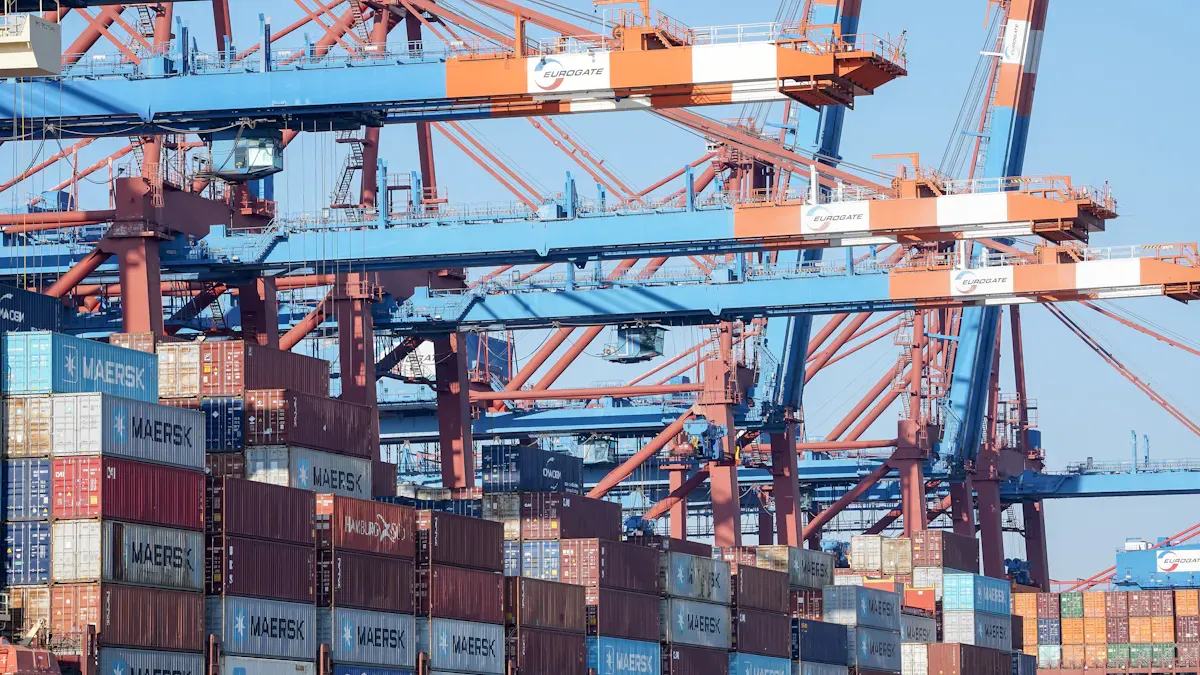
Fast changes are occurring in container handling equipment, and the 'Container handling equipment: automation roadmap 2026' is crucial for the future. Ports are seeking improved warehouse efficiency and safety, and CEGC provides specialized solutions to meet these demands. The table below highlights the significance of automation and custom projects for enhancing warehouse logistics.
|
Category |
Insights |
|---|---|
|
Ports aim to reduce vessel waiting time while also lowering costs for warehouse gains. |
|
|
Maintenance Challenges |
Skilled technicians are essential, as delays can negatively impact warehouse operations. |
|
Capital Investment |
Upfront costs exert pressure on warehouse budgets. |
|
Automation Trends |
Automation enhances precision and contributes to safer warehouse environments. |
|
Customization Needs |
Equipment is tailored to fit specific warehouse layouts and cargo, ensuring optimal performance. |
Key Takeaways
-
Automation in container handling makes work faster and safer. It helps ports save money and cut down on wait times.
-
AI and robotics help by doing jobs automatically. This makes things move quicker and causes fewer accidents.
-
Modular solutions let warehouses upgrade and change things easily. They can do this without stopping work for a long time.
Key Trends in Container Handling Equipment Automation
AI and Computer Vision Integration
AI and computer vision are growing fast in ports and warehouses. These tools help people watch over container handling equipment like portal cranes and reach stackers. They make it easier to see what is happening. Many ports now use robots with AI for sorting and picking up pieces quickly. This helps data move better and makes software updates smoother, so work does not stop as much.
-
One big port in Europe had 15% less disruption after using AI and computer vision.
-
AI in yard automation made handling and stacking containers up to 50% better.
-
Multi-agent frameworks help cut down on waiting and make stacking faster.
AI can also help with planning where ships park and how cargo is moved, so there is less waiting.
Autonomous Vehicles and Robotics
People use agvs, amrs, and autonomous guided vehicles to move containers safely and quickly. These robots help by doing jobs that people used to do. This makes things safer. amr and agv fleets work together to make the warehouse run better. Robots are also used in container handlers and ship loaders. This means more work gets done and there is less danger. More warehouses are starting to use autonomous mobile robots.
Digital Twins and Centralized Software
Digital twins let people test new ideas for how terminals work. They can try out new layouts without spending a lot of money. AI-driven virtual modeling helps guess what will happen if things change. Centralized software helps control container gantry cranes and cargo cranes. This means fewer mistakes when moving things by hand.
-
Automation helps lower emissions for each container by cutting down on waiting.
-
Doing things in the right order helps get more done and saves money.
Modular and Plug-and-Play Solutions
Modular and plug-and-play solutions make it easy to change setups, install things fast, and fix problems quickly. They help places change when they need to, without stopping work for long. These solutions also give back floor space and help people get more done. Many companies now want modular designs to update their work and have less downtime.
You can make automation bigger or smaller for your warehouse or logistics work. CEGC helps with modular upgrades for container handling equipment. This makes it easy to start using automation and be ready for the future.
Addressing Core Pain Points with Automation
Anti-Sway and Safe Lifting Controls
Handling containers can be risky. Loads can swing and cause accidents. Wind and quick stops make it worse. Not all operators have the same skills. This can make safety results change a lot. CEGC’s anti-sway and safe lifting controls help with these problems. These systems use ai and motion profiles to stop loads from swinging. They also help put containers in the right place. You get alarms and step-by-step help on the screen. This makes training easier and results more steady.
Here is what anti-sway technology does for you:
|
Evidence Type |
Findings |
Impact |
|---|---|---|
|
Anti-Sway Technology |
Fewer crashes and close calls |
|
|
Operator Studies |
New operators work 40-50% better |
Safety and efficiency go up |
|
Command Reduction |
60-80% less button pressing |
Less damage to crane parts |
You can change your portal crane, container crane, or reach stacker to fit different jobs. You can pick the power and safety features that work best for your site.
High-Throughput and Cycle-Time Optimization
You want to move containers fast and keep ships from waiting. Slow work and uneven speed can cost you money. CEGC’s high-throughput and cycle-time tools use ai to control movement and connect workflows. These tools help match speed and power to the load and wind. You can count how many crane moves happen each hour. You can also change your process to get better results.
See how these changes help you work better:
|
Evidence Type |
Description |
Impact on Productivity |
|---|---|---|
|
Operational Changes |
Small changes like changing the order of work and moving reefers can help without spending much. |
You get more done and shipping companies are happier. |
|
AI-driven Automation |
ai helps plan repairs and use workers better, so there is less downtime. |
You save money and work more efficiently. |
|
Crane Moves per Hour |
Watching crane moves shows where things are slow and helps fix them. |
Ships leave sooner and the port works better. |
You can pick from different shuttle types, heavy-duty loads, and smart positioning systems. These choices help you do your job and make things run smoother.
Marine Durability and Lifecycle Protection
Working near the sea is tough. Salt, wet air, and dust can hurt your machines. This can make repairs cost more. CEGC’s marine durability and lifecycle package protects your equipment. You get special coatings, strong designs, and easy ways to fix things. These features help your machines last longer and cost less over time.
Upgrades and repairs, like those from Kalmar, make machines work better and waste less. Keeping equipment longer helps the planet and saves resources. You also meet new safety and environment rules. This helps your business stay ready for the future. This way, you support both the earth and your work.
You can pick how strong the anti-corrosion is, how well things are sealed, and how long parts should last. You can also choose spare parts and repair plans that fit your schedule.
Predictive Maintenance and Energy Efficiency
Breakdowns and high energy bills can slow down your work. CEGC’s predictive maintenance and energy system uses ai to check machines and find problems early. You get remote checks and data logs to plan repairs before things break. Electric machines use less energy and need fewer repairs. This means your portal crane, ship loader, or reach stacker works more often.
Here are the good things you get:
|
Benefit |
Description |
|---|---|
|
Economic Argument |
Electric CHE works better and costs less to run. |
|
Reduced Maintenance Needs |
Electric machines need less fixing because they have fewer moving parts. |
|
Increased Uptime |
Fewer breakdowns mean your machines work longer. |
-
ai helps spot problems early and saves money on repairs.
-
You can see patterns in how machines act and fix things before they break.
-
ai looks at your data to guess when things might fail and keeps machines working.
-
Connecting to your terminal system helps plan repairs and cuts downtime.
You can pick remote checks, auto charging stations, and power options that fit your site. These choices help the planet and make your work more efficient.
Implementation Roadmap for 2026
Assessment and Goal Setting
First, check how your work is done now. Set clear goals for what you want to improve. Look at your container handling equipment and how your terminal works. Think about what you need to get done. Use ai tools to study data from your portal crane, container crane, and reach stacker. This helps you spot problems with safety and speed. You can also see if you are meeting your targets. Make goals you can measure for cycle time and energy use. Use data to help you make better choices. Your automation plan should fit your business needs and rules. CEGC helps you with custom projects. You can pick the right size, power, and features for your site.
Phased Deployment and Integration
Start automation in small steps to lower risk. Try a pilot project first, like using ai to watch one ship loader or container handler. Add new systems next to your old ones. This way, you can test things without stopping your work. Plan the final switch carefully so you do not lose time. Many companies get better results and faster payback by doing it this way. You can use ai to link data from digital twins, predictive analytics, and optimization algorithms. This helps cut wait times and move containers faster. It also helps you fill orders in real time. The table below shows how using data together helps:
|
Solution Type |
Description |
Outcome |
|---|---|---|
|
Predictive Analytics |
Sends alerts and helps plan staff |
Less crowding |
|
Optimization Algorithms |
Makes berth and truck plans better |
Faster order filling |
|
Digital Twin |
Tries out new ideas and plans |
Operations stay strong |
Workforce Training and Change Management
Help your team learn new skills to make the project work. Focus on training and getting everyone on board. Start regular ai study groups and training classes. Talk often to help people trust the new systems. Companies that work on change management get better results and happier teams. Most problems come from people not liking change, not from the tech. Fix these issues early so your project does not fail. CEGC gives help with training and learning, so your team gets used to new data tools and ai systems fast.
Warehouse Automation and Goods-to-Person Integration
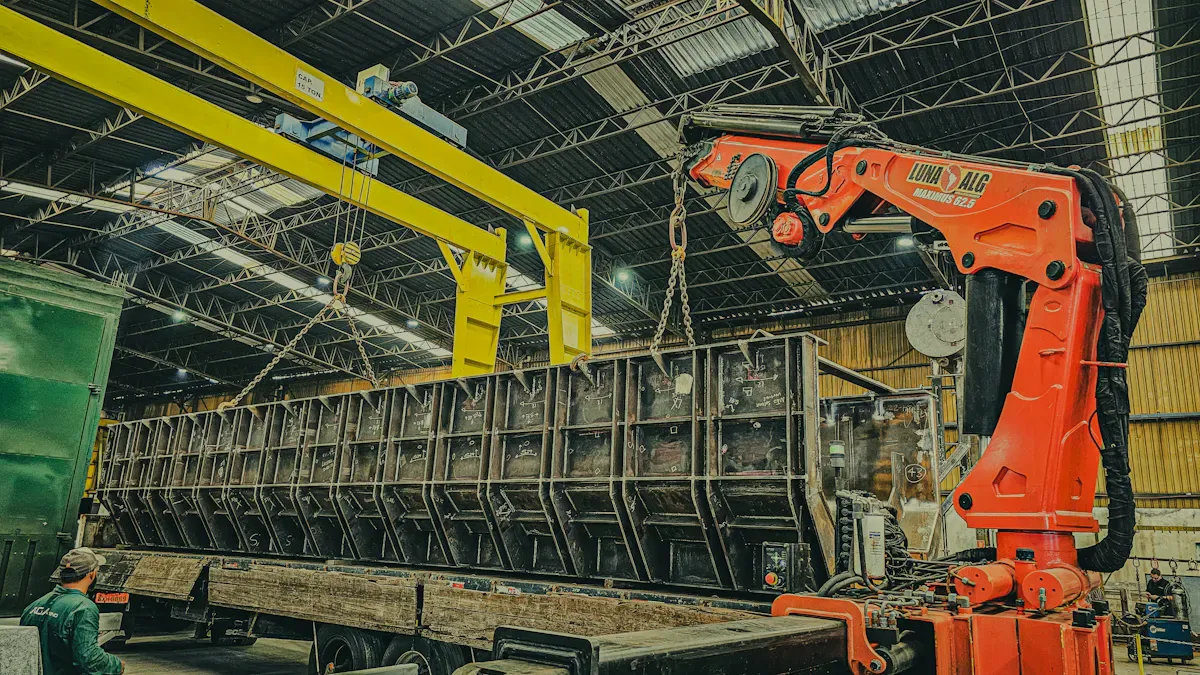
Automated Material Transport
You can make your warehouse safer and faster with automated material transport. Many ports now use robots and AI to help move goods. These systems carry items from the dock to the warehouse without waiting. Fewer workers are needed on the floor, so there are fewer accidents. Automated terminals also help trucks and containers move out faster. Predictive maintenance tools help you fix machines before they break.
|
Evidence Type |
Description |
|---|---|
|
Increased Safety |
Automated terminals have fewer accidents because not as many workers are around during work. |
|
Faster Processing |
Automation makes gate times much quicker, so trucks do not wait as long. |
|
Predictive Maintenance |
Automation helps spot problems early, so machines work better and last longer. |
Forklift-Free and Pallet Movement Solutions
You can make your work easier with forklift-free and automated pallet movement. These systems move pallets all the time, without people lifting them. You get updates on your inventory right away. This way, you spend less money and have fewer accidents from forklifts. You can add more of these systems as your business gets bigger, so your work stays smooth.
|
Advantage |
Description |
|---|---|
|
Increased Throughput |
More flexible systems help you do more work and make things run better. |
|
Lower Operational Costs |
Using conveyors and other systems together helps you get more done for less money. |
|
Improved Safety |
Less manual lifting means fewer chances for people to get hurt by forklifts. |
-
Pallets move on their own, so no one has to stop and check them.
-
You always know how much stuff you have.
-
The system can grow when your business grows.
Goods-to-Person Warehouse Automation
Goods-to-person warehouse automation helps you work faster and make fewer mistakes. This technology brings items right to your workers, so they can fill orders quickly. Many companies say they fill orders three times faster and make almost no mistakes. Automated picking systems are very accurate, so customers are happy and do not return things as much.
|
Metric |
Improvement |
|---|---|
|
Order Fulfillment Speed |
|
|
Order Accuracy Rate |
99% |
|
Automated Picking Accuracy |
99.5% |
You can connect your container handling equipment to warehouse automation for smooth work from dock to warehouse. This makes things faster and helps your supply chain work better. CEGC gives you solutions that link your portal crane, container handler, and warehouse automation tools for easy operations.
You can use automation by picking AMRs, goods-to-person systems, and digital twins. CEGC helps you with special equipment, expert advice, and training. Make sure your automation matches your goals, safety needs, and team growth. Stay ahead by trying new technology and helping your team learn to adapt.
|
Automation Technology |
Key Benefit |
|---|---|
|
Autonomous Mobile Robots |
Improve safety and efficiency |
|
Digital Twin Technology |
Optimize operations risk-free |
FAQ
What types of container handling equipment can you automate with CEGC?
You can use automation for portal cranes, container cranes, reach stackers, ship loaders, and cargo cranes. CEGC helps with new machines and also upgrades old ones.
How does CEGC help you customize automation for your project?
-
You pick the size, span, how often it works, power type, and how much is automated.
-
CEGC engineers make a plan that fits your site and how you work.
Can you integrate CEGC automation with your warehouse and terminal systems?
|
Integration Option |
Benefit |
|---|---|
|
Digital Twin |
Try out workflows safely |
|
Data Interface |
Link to WMS and TOS easily |
|
Remote Diagnostics |
Check and fix problems quickly |


