
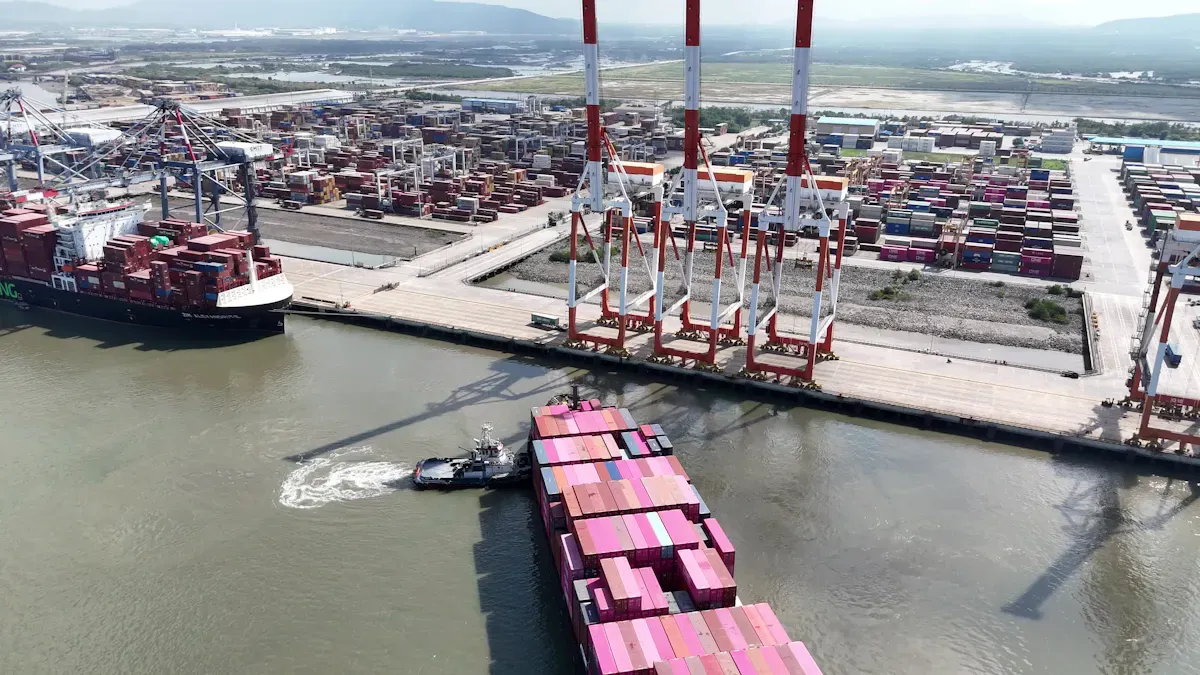
Port crane automation: reduce labor variance fast helps make container work more steady and lowers mistakes made by people. You need to fix labor variance to keep your port safe and running well. Many B2B operators find that automation lowers mistakes, saves money, and enhances safety. CEGC is a leader in automation for container handling equipment.
Key Takeaways
-
Automation makes labor more steady. This helps container handling stay the same and work well. - Using automated systems makes things safer. It lowers mistakes people make and keeps workers safe from risky jobs. - Spending money on automation can cut costs a lot. It also helps people do more work. Some ports save up to 40% on labor costs.
Labor variance in container operations
What is labor variance?
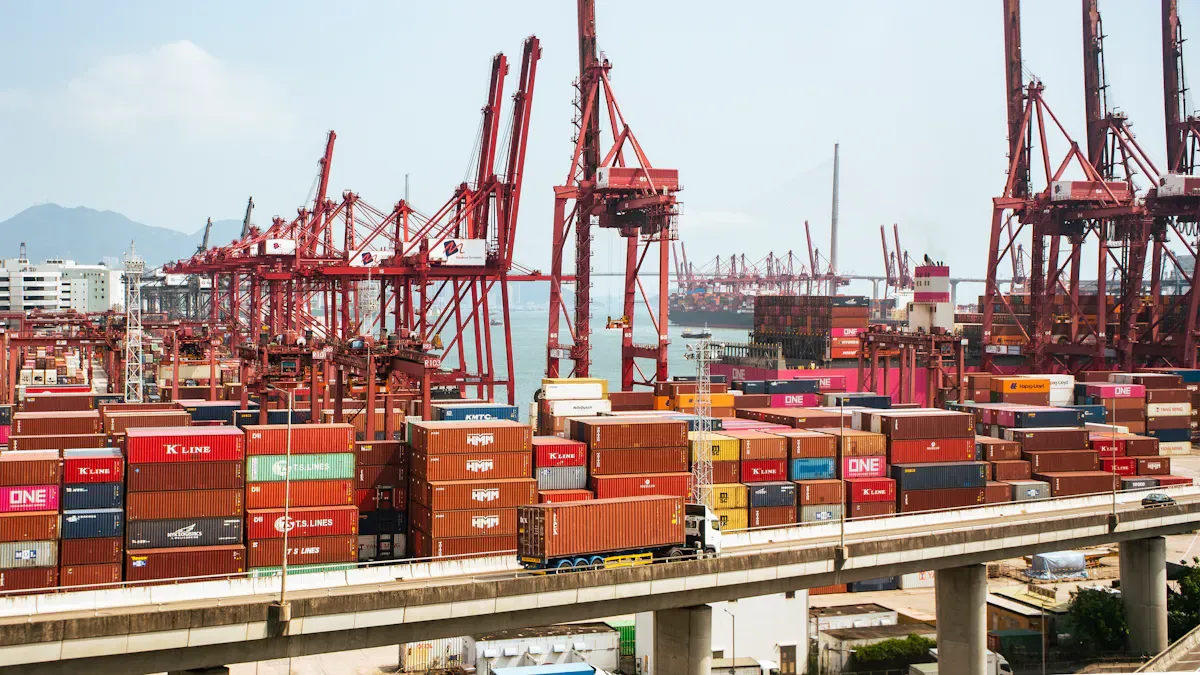
Labor variance means your team does not always work the same way. Sometimes, workers move containers fast. Other times, they are slower or less careful. One group might finish a job quickly. Another group might take much longer. This happens because people have different skills and energy. Some pay more attention than others. When you use manual cranes, these differences show up more. Even small mistakes can slow down the equipment. This can cause delays.
Why it matters for port performance
Labor variance can hurt your port in many ways. If you want smooth operations, you need steady work. High labor variance can cause accidents. It can also make things slow and cost more money. Automated cranes help lower these risks. They make every lift steady and safe. You get the same results every time, no matter who is working.
CEGC has seen that labor variance is a problem with traditional cranes. Automation removes many mistakes made by people.
Here is a simple table that shows how labor variance can affect your port’s key metrics:
|
Metric |
Impact of Labor Variance |
|---|---|
|
Throughput |
Slow work lowers how much you can move. |
|
Safety |
Tired workers can make more mistakes and get hurt. |
|
Operational Costs |
Workers who are tired cost more money to the port. |
You can see that using automated cranes makes container work safer, faster, and cheaper.
Automation solutions for ports
Key technologies and systems
Ports are changing a lot because of automation. Automated systems now help with container handling. These systems use new technology to make work faster and safer. CEGC offers anti-sway control, safety interlocks, operator-centered HMI, and predictive maintenance. These features help you move containers with less risk and more accuracy.
AI-driven process control layers help you manage quay, yard, and gate operations. This technology makes crane schedules better and cuts down delays. Automated guided vehicles carry containers across the yard without people. Automated stacking cranes place containers very carefully. All these automated systems work together to lower mistakes and keep your port running well.
Sensors are important in automation. LIDAR and radar help cranes see what is around them. These sensors make sure every move is safe and correct. The Internet of Things connects cranes and other equipment. This connection lets you watch everything in real time and fix problems quickly. You get better results because the system reacts faster than a person.
Predictive maintenance is another big part of automated systems. You can collect sensor data all the time. The system checks for signs of damage or wear. Machine learning looks at this data and tells you when to fix things. This helps you stop sudden breakdowns and keeps your port working without long stops.
You can trust CEGC’s automation solutions to meet market-standard rules. New rules from industry leaders make sure every system is safe and reliable. These standards cover technical needs, safety checks, and how to test each system. CEGC also offers project-based customization. You can pick the right capacity, span, duty cycle, power solution, and automation level for your port.
Reducing risk and improving consistency
Automation helps you lower risk in many ways. Automated systems use anti-sway control to keep loads steady. This lowers accidents and makes each lift more precise. Safety interlocks stop the system if something goes wrong. These controls protect your team and your equipment.
Operator-centered HMI gives you clear alarms and easy screens. You can see the status of each system quickly. This design helps you train new workers faster. It makes sure everyone follows the same steps. Automated solutions remove guessing from container handling. You get the same results every time, no matter who is working.
Automated systems also cut down on mistakes made by people. When you use automation, you do not have to rely on each person’s skill or attention. The system follows set rules and reacts to changes right away. This keeps your port safe and your work steady.
You can see these benefits in ports like Singapore’s Tuas Port. There, automated guided vehicles and remote-controlled cranes handle containers with little human help. This setup keeps people away from risky jobs and speeds up the whole process.
Standardization is important for automation. Market-standard specs make sure each system works well with others. Open interfaces let you add new features or connect with other systems. CEGC can customize your automation to fit your needs. You get the right solution for your port, with the right level of automation and safety.
Tip: If you choose automation, you lower risk, improve safety, and make your port more efficient. Automated systems give you control and peace of mind.
Port automation: benefits and results
Fast reduction in labor variance
Port crane automation: reduce labor variance fast brings quick changes. Many ports save a lot of money on labor costs. Some terminals cut labor costs by 40% in three years. Productivity goes up by 25%. Automation helps move containers faster and with fewer mistakes. You do not have to worry about skill differences. Every shift is steady and reliable. This lets you plan your terminal operations with more confidence.
Measurable gains in safety and efficiency
Port automation makes work safer. Workers stay away from dangerous jobs. Accident rates go down. Insurance costs drop because claims are better. Automated mooring and collision avoidance systems protect people and cargo. You get more visual feedback for safety. Safety automation follows strict rules and lowers harm during risky tasks.
Efficiency gets better too. Automated yard management cuts human error. Automated guided vehicles and stacking cranes load and unload faster. Automated gate systems process trucks quickly. These changes make terminal operations smoother and more productive.
-
Automation keeps people away from dangerous jobs.
-
Accident rates go down a lot.
-
Automated systems stop accidents and make work safer.
-
Automated vehicles and cranes move containers faster.
Addressing challenges and adoption
Starting port automation can be hard. It is tough to connect equipment from different vendors. Workers may worry about losing their jobs. Things might slow down at first as people learn new systems. Careful planning helps you handle these changes.
Training programs help your team learn automation. Phased rollouts let you adjust slowly. Early talks with staff and unions make the change easier. CEGC gives expert services, professional help, and managed integration. You can track progress with customer success tools.
|
Service Type |
Description |
|---|---|
|
Expert Services |
Guidance to get the most from the platform with expert help. |
|
Professional Services |
Help for complex projects from experts. |
|
Managed Services |
Outsourcing to manage integration infrastructure. |
|
Customer Success Tools |
Tools to track progress and improve customer value. |
You want to see a good return on investment. Port automation projects often boost productivity by 20–30%. They also cut costs by 30–50%. CEGC offers customization to fit your port’s needs. You get market-standard performance and support for all terminal operations.
When you use automation for container operations, labor variance drops fast. Automation keeps workers away from dangerous jobs. It makes things safer by tracking work in real time. Predictive maintenance helps stop accidents before they happen. Automation uses smart technology to lower accident rates. It helps cranes move the best way every time. Operator mistakes go down because the system does the work. Automation keeps performance steady all the time. The system runs without stopping, so safety stays high. Delays are less common with automation. Condition-based maintenance helps fix things before they break. Smart transportation systems make moving containers safer. Supply chain management helps keep everything safe and on time. Labor costs go down, so safety can go up. Avoiding accidents saves money for the port. Equipment lasts longer because of better care. Using less energy also helps keep things safe. Automation is easy to add to your port. You get the same safe results every time. Setup time is shorter, so work starts faster. You can pick the best automation for your port. CEGC lets you choose the right automation and safety features. Automation gives you more safety, better work, and lower costs.
|
Aspect |
Description |
|---|---|
|
Customized Equipment Manufacturing |
CEGC designs and builds equipment to fit each port’s needs. |
|
Service Consulting |
Experts help plan projects and make port work better. |
|
Advanced Technology Integration |
Automation and smart systems help move containers faster. |
|
Fully Automated Solutions |
CEGC makes full automation, like the stacker crane at Qingdao Port. |
When you pick automation for your port, you get more safety, better work, and lower costs.
FAQ
What is port crane automation?
Port crane automation uses smart systems to run cranes. This helps move containers safely and quickly. It also means fewer mistakes from people.
How does automation reduce labor variance?
Automation sets the same rules for every shift. The system keeps work steady and lowers mistakes. It does not matter if workers have different skills.
Can you customize CEGC automation for my port?
Yes! You can pick the right size, span, and safety parts. CEGC makes solutions that fit what your port needs.


