
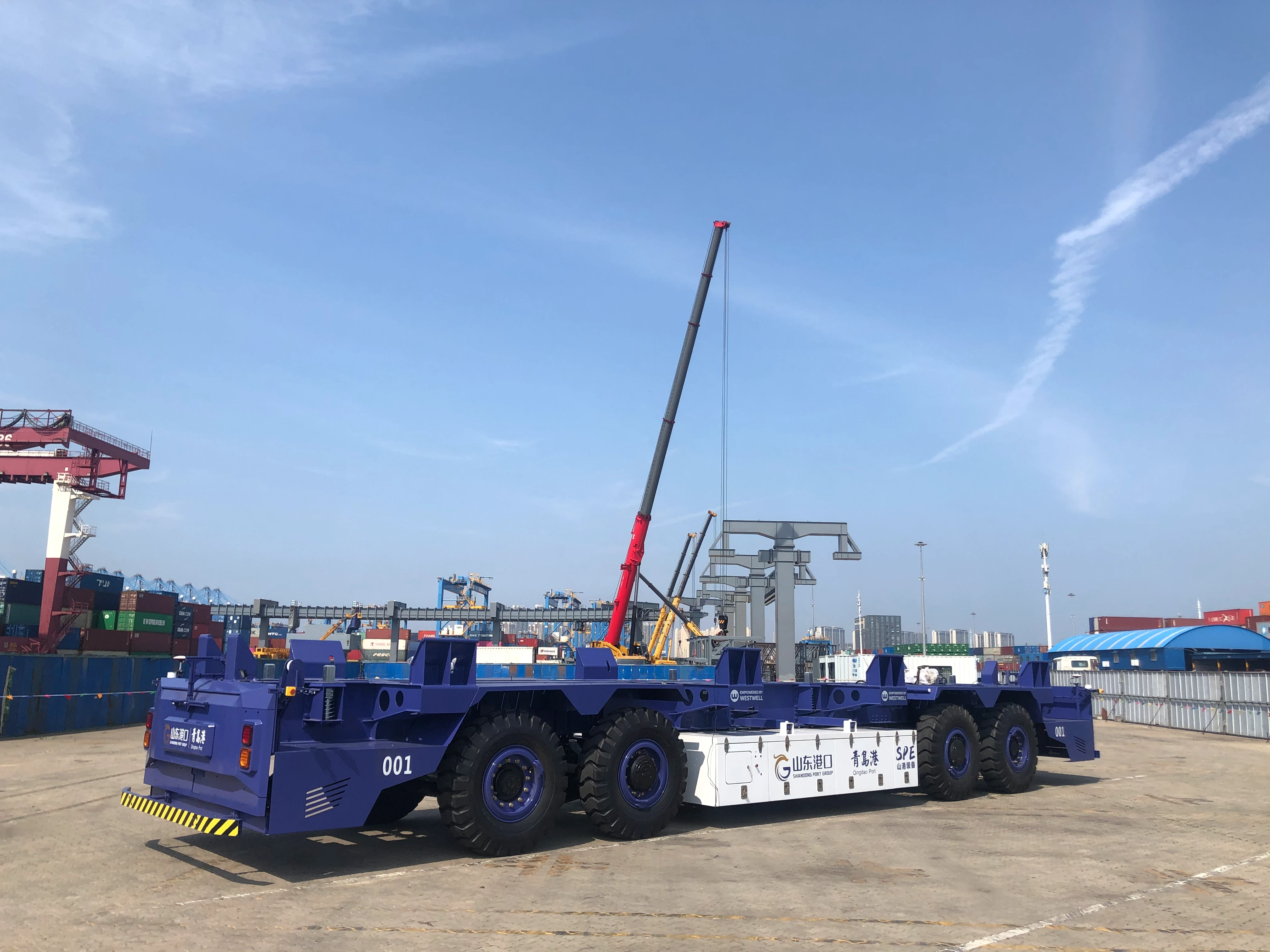
You have big problems when blind spots make your port less safe. Every accident or close call can hurt your business money. The Container handling equipment blind-spot ROI case shows that buying CEGC solutions helps you make things safer and keeps your people, machines, and money safe.
Key Takeaways
-
Fixing blind spots in container handling equipment is very important for safety. Adding rear-view cameras and monitoring systems can lower the chance of crashes a lot.
-
Using things like 360° cameras and predictive maintenance can make work faster. These tools help stop delays and make it easier to see in the supply chain.
-
Spending money on training programs for operators makes work safer. Better training means fewer accidents and helps teams notice what is around them.
Container handling equipment blind-spot ROI case overview
Safety and collision risks
Blind spots in container handling equipment are very dangerous. Portal cranes, container handlers, and reach stackers work in busy docks. Drivers and people walking cannot always see each other. This makes the area risky. Many accidents happen when drivers back up with big loads. They cannot see people close by. Almost one out of four deadly crashes with mobile equipment involve people getting hit. Using rear-view cameras and monitoring systems can help you see better and lower these dangers. Safety rules also say you should have clear aisles and train operators to avoid blind spots.
Operational inefficiencies
Blind spots make things hard to predict and see in the supply chain. You might see slow work and mistakes when moving containers. People get tired and make more errors. Sometimes, containers drop or machines crash because no one sees the damage. Technology like motion coordination and operator-centered HMI from CEGC helps keep things safe and running well. You can change these systems to fit your terminal and make your equipment work better.
Cost and downtime impact
Blind spots make costs and downtime go up. Each year, equipment downtime in container terminals can cost $200K to $400K. You lose money when machines stop working, schedules get mixed up, and asset reports are wrong. Equipment that is not used still costs money and insurance. Teams waste time looking for machines, and late deliveries upset customers. CEGC technology keeps your equipment safe, cuts downtime, and helps you see your supply chain better. You can check how well you are doing with KPIs, money numbers, and live dashboards.
|
Evidence Type |
Description |
|---|---|
|
Idle Equipment Costs |
Equipment not in use makes no money but still costs you. |
|
Administrative Overhead |
Teams spend hours looking for machines, wasting time and effort. |
|
Customer Service Failures |
Not seeing everything causes late deliveries and service problems. |
Blind spots: identification and solutions
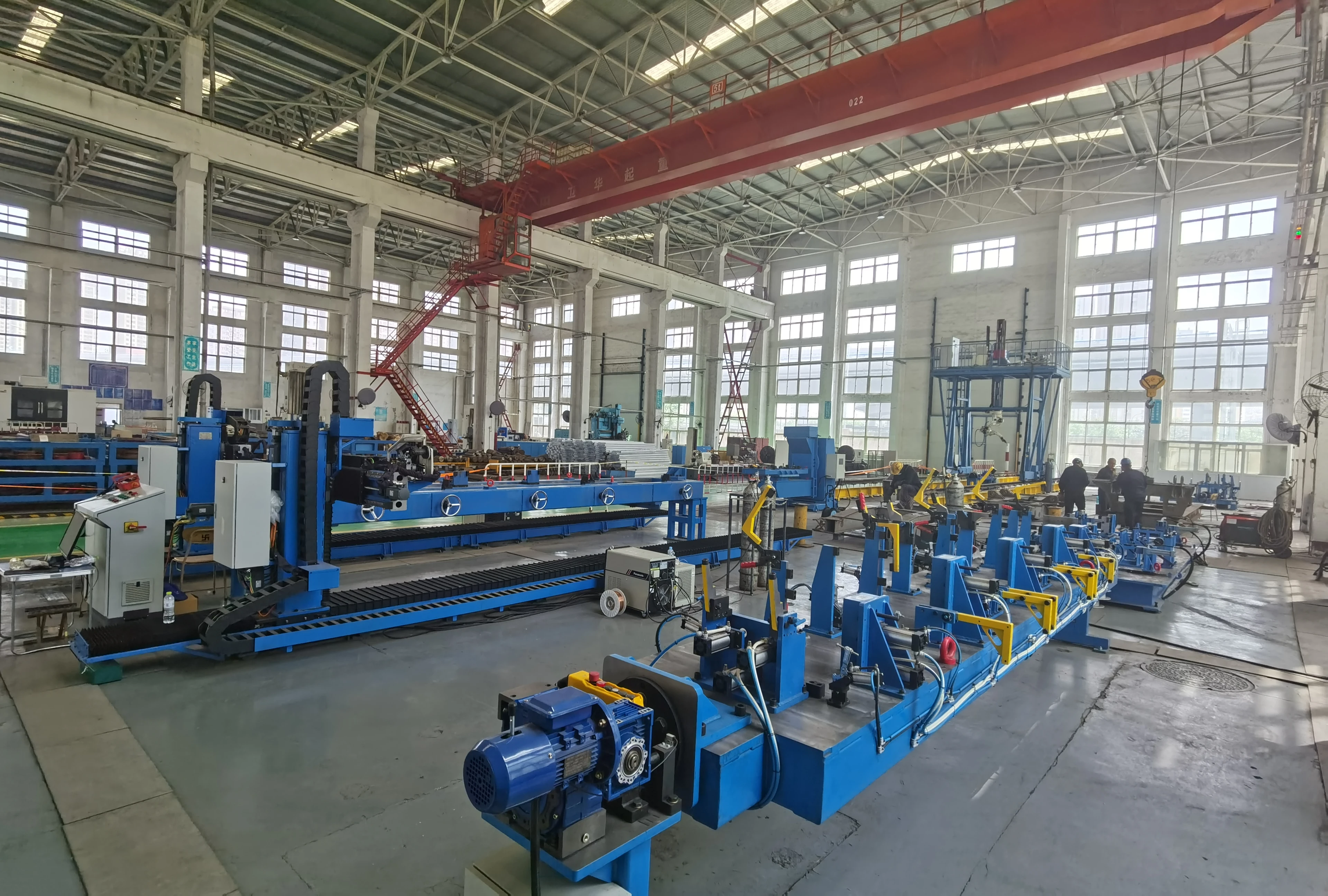
Types of blind spots in port equipment
When you use container handling equipment, you deal with many blind spots. These spots can hide people, containers, and other things from your view. Reach stackers have blind spots on the sides, at the back, and under the boom. Container cranes block your sight under the spreader and behind the main part. Forklifts have blind spots near the mast and at the back. These hidden places make it hard to keep track of things and see everything in the supply chain. You need to watch out for these blind spots because they affect safety and how things move. If you miss seeing containers or other things, accidents can happen and costs can go up. You have to find these blind spots to help with tracking and seeing everything in the supply chain.
-
Blind spots for reach stackers:
-
Areas around the sides
-
Rear
-
Below the boom
-
-
Blind spots for container cranes:
-
Under the spreader
-
Behind the main structure
-
-
Blind spots for forklifts:
-
Near the mast
-
At the back
-
Technical solutions for blind spots
You can use technology to help close these blind spots and see better in the supply chain. CEGC has anti-sway systems that help you control loads and stop accidents. Safety interlocks keep your things safe by stopping unsafe moves. Operator-centered HMI gives you alarms and data so you can act fast. Predictive maintenance uses data to check equipment health and stop downtime. You can also use 360° cameras to see all around and new safety latches to hold loads safely. Training programs teach you about blind spots and help you act safer. Better training means fewer mistakes and fewer accidents. You can use both technology and training to close data gaps and track things better.
Tip: You can mix new technology with operator training to make things safer and see more in the supply chain.
|
Customization Aspect |
Description |
|---|---|
|
Hardware Combinations |
Different types of vehicle recorders and camera hardware can be used together. |
|
Software Requirements |
Software can be changed to fit what your project needs. |
|
Third-party Integration |
You can connect with other fleet management platforms. |
|
Localization |
Voice alarms can be set in different languages for your needs. |
You can pick options for size, automation, anti-corrosion, and how things work with your terminal. These choices help you match the technology to your project and see better in the supply chain.
-
Redesigned safety latch for secure load handling
-
Innovations aimed at reducing blind spots and preventing accidents
Case studies and ROI improvement
You can see how fixing blind spots helps ports in real life. Ports that use climate plans and smart ways of working build stronger systems. These ports handle weather and money problems better. When you fix blind spots, you make work faster and see more in the supply chain. This can save money and lower hidden costs. You also make your team more flexible by teaching them new skills. This helps you move to digital tools and automation. You lower risks and track containers and assets better. You can use data from new technology to see results and close blind spots.
It can be hard to put blind spot solutions in place. Work gets more complex, and you need to manage risks early. As vehicles get bigger, blind spots become a bigger problem. You need advanced technology, like AI-powered systems, to see better and stay safe. These systems use sensors and real-time alerts to help you track things. You can use digital tools to close data gaps and see more in the supply chain.
You can see better ROI when you cut downtime, lower hidden costs, and track things better. You use data to watch assets and containers and close blind spots. You make the supply chain and logistics better, and you make your port safer.
-
Enhanced training reduces operator error rates and unsafe acts.
-
Training helps you become more aware of blind spots and workplace hazards.
-
You reduce the frequency and severity of accidents by addressing visibility gaps.
You can keep your things safe and make work safer by using new technology to fix blind spots. Using digital tools helps you watch your things and work faster. The table below shows how CEGC solutions help you use digital tools and take care of your things.
|
Solution Type |
Benefits |
|---|---|
|
Makes lines at the gate shorter, moves trucks faster, and helps the terminal work better with smart systems. |
|
|
Moves cargo faster, cuts down on waiting, and makes things safer with smart machines and anti-sway tools. |
|
|
Portal crane tactics |
Makes work cycles faster, keeps people safe, and uses live data to help the port work well. |
You can begin making your things and technology better right now.
FAQ
What is supply chain visibility in container handling?
Supply chain visibility means you can see where things are. You can track containers, equipment, and cargo right away. This helps stop delays and keeps your port safer.
How do CEGC solutions improve supply chain visibility?
CEGC technology helps you watch equipment and cargo locations. You see things better, have fewer blind spots, and make faster choices.
Can you customize safety features for different port equipment?
You can pick safety features for each portal crane or reach stacker. This helps your equipment fit your port’s needs and safety rules.


