
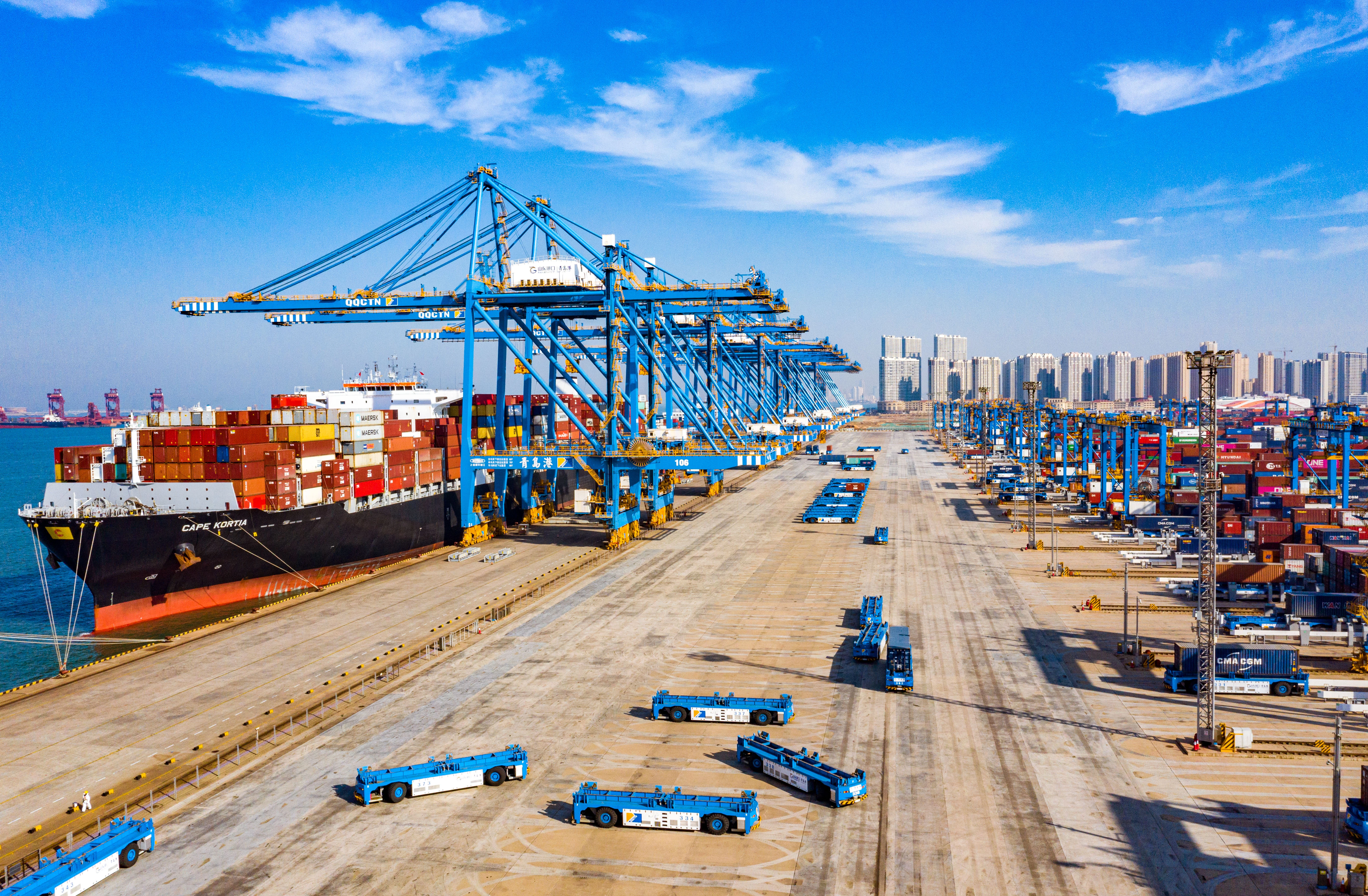
You want the best way to fix cargo crane blind spots: camera or radar? CEGC says you should pick what fits your needs. Blind spot detection helps make container handling safer and faster. Think about how well it finds blind spots, how dependable it is, how easy it is to set up, and how much it costs. Sometimes, using both camera and radar works best.
Key Takeaways
-
Pick camera systems to see well when it is dark. Cameras help you spot things in your way. They also help you talk better with your team.
-
Use radar systems when the weather is bad, like rain or fog. Radar gives you good warnings and works all the time. It keeps people safe in busy ports.
-
For the safest choice, use both camera and radar systems. Using both gives you full coverage. It helps you find dangers and cuts down blind spots.
Camera systems for blind spot detection
How cameras work on cargo cranes
A blind spot camera helps you see places you can't from your seat. Cameras are put on important spots of your cargo crane, container handler, or ship crane. The camera sends live video to a monitor in your cab. You can look at the screen and see obstacles, workers, or containers right away. Some camera systems show wide views or even all around you. This lets you see more and lowers the chance of accidents. You can also use a blind spot camera to zoom in on small spaces. This makes loading and unloading safer.
Camera strengths and limits
A blind spot camera shows clear pictures most of the time. You can see colors, shapes, and movement. This helps you make quick choices. Many camera systems use infrared thermal imagers now. These can spot heat from vessels or people. You get clear pictures even in fog, rain, or darkness. Some new models, like the SS511 camera, work well in very low light. You can see dangers like divers or floating objects at night.
-
Infrared thermal imagers show clear pictures when you can't see well.
-
These systems help with nighttime patrol and early warning for port security.
-
The SS511 camera gives full-color pictures in very dark places.
You can spot most obstacles, but you need to keep the lens clean for best results. Camera systems work well for blind spot detection, but you should check the monitor often to stay safe.
Radar systems for blind spot detection
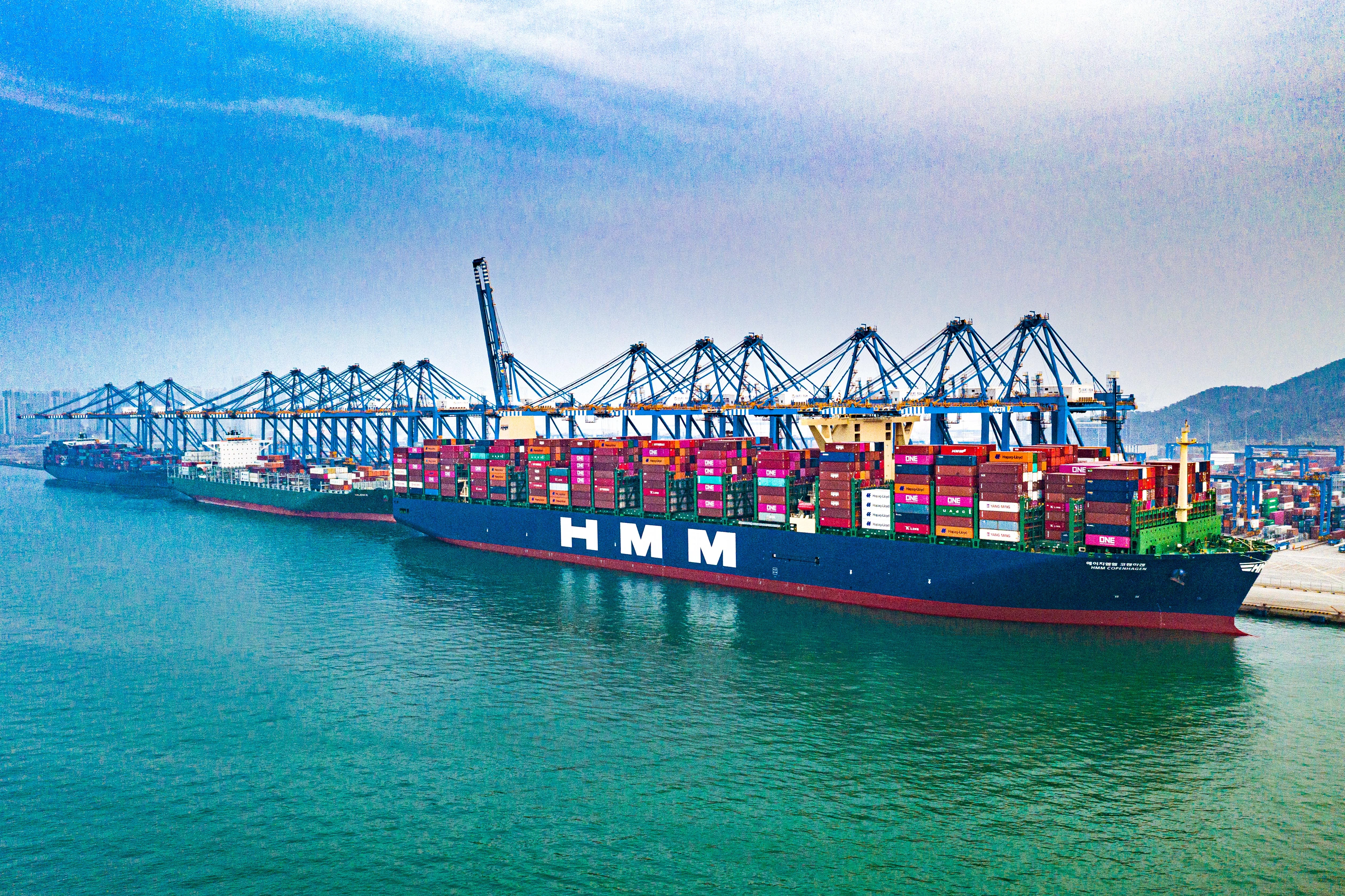
How radar works on port machinery
You use radar blind spot detection to find objects around your portal crane, container crane, or ship loader. Radar sends out radio waves that bounce off objects. The system measures how long the waves take to return. This tells you how far away something is. You do not need to see the object with your eyes. Radar works day and night. It does not depend on light or clear weather. You can set up radar sensors on your cargo crane or reach stacker forklift. The system gives you alerts if something enters the danger zone.
Here is a table showing the detection range of common radar systems for port machinery:
|
Radar System |
Detection Range |
Notes |
|---|---|---|
|
RVS-131 |
82 ft for trucks, 50 ft for cars, 33 ft for motorcycles, 23 ft for pedestrians |
|
|
AXIS D2110-VE |
10-200 ft (human) |
10-280 ft (vehicle) |
Radar strengths and limits
You get many benefits from radar blind spot detection. Radar works well in fog, rain, and dust. You do not lose performance when the weather changes. Radar-based detection gives you real-time alerts, even in busy port areas. You do not need to watch a screen all the time. The system warns you with sounds or lights. This lowers your workload and helps you stay focused on safe lifting.
-
Radar blind spot detection works in harsh weather, like fog, rain, and snow.
-
You get reliable detection even with heavy vessel traffic.
-
Radar gives you a longer detection range than cameras.
-
You receive early warnings for vehicles or people behind your equipment.
You can trust radar blind spot detection for consistent performance in port environments. This technology helps you avoid accidents and keeps your operation safe.
Cargo crane blind spots: camera or radar?
Performance in weather and lighting
You face many weather and lighting changes at ports. Rain, fog, and darkness can make it hard to see around your cargo crane. When you ask, "cargo crane blind spots: camera or radar?", you want to know which works best in these tough conditions. Cameras give you a real view of your surroundings. You see colors, shapes, and movement. If you use a camera with infrared or thermal imaging, you can see better at night or in fog. You must keep the lens clean for the best picture.
Radar works differently. It sends out radio waves that bounce off objects. You do not need light to use radar. You get strong performance in rain, fog, or dust. Radar does not care if it is day or night. You can trust radar to spot objects even when you cannot see them with your eyes.
Here is a table that compares how cameras and radar work in different weather and lighting:
|
Factor |
Radar BSD |
Camera-Based Systems |
|---|---|---|
|
Weather performance |
Often strong |
Depends on lens protection and low-light handling |
|
Best use cases |
Highway lane changes, fast merges |
Reversing, turning, maneuvering, pedestrian zones |
|
Driver trust pattern |
Drops if alerts feel random |
Higher if the view matches reality |
You can see that radar gives you steady detection in bad weather. Cameras help you most when you need to see details or people near your equipment.
Detection range and false alerts
You want to know how far each system can "see" and how often they give you false alarms. When you think about cargo crane blind spots: camera or radar?, you should look at both range and accuracy. Radar systems can detect objects far away. Some models reach up to 230 feet. This helps you spot trucks, cars, or people before they get close. Cameras show you what is near your crane. You get a clear view of the area right around your machine.
False alerts can happen with both systems. Radar may warn you about objects that are not a real danger. Cameras may miss something if the lens is dirty or blocked. You can trust both systems more when you use them together. You get fewer false alarms and better coverage.
Tip: Use both camera and radar for the best results. You get long-range detection and a real-time view. This helps you avoid accidents and keeps your team safe.
Operator workload and safety
You want to keep your operators safe and make their job easier. When you ask, "cargo crane blind spots: camera or radar?", you also want to know which system helps your team the most. Cameras let you see what is happening. You can check the monitor and make quick choices. Radar gives you alerts with sounds or lights. You do not need to watch a screen all the time.
Both systems help you improve safety. They give you real-time warnings about obstacles. You can guide your cargo crane, container handler, or ship crane safely. You also get help with anti-sway and anti-collision features. These systems work with CEGC’s safety solutions. You get clear alarms, safe lifting, and fewer accidents.
Here is a table that shows how these systems help you:
|
Contribution |
Description |
|---|---|
|
Real-time warnings |
The system broadcasts alerts about obstructions in the channel, enhancing navigational safety. |
|
Safe navigation |
It aids in safely guiding vessels through high-risk construction areas. |
|
Faster rescue operations |
Provides precise coordinates for quicker response during emergencies. |
|
Criminal activity detection |
Helps in identifying illegal activities in the port area. |
You also get these benefits:
-
Collision avoidance systems protect your equipment and people.
-
3D cameras spot nearby obstacles and alert you to prevent accidents.
When you choose between camera or radar, you make your port safer and your operators more confident. You get the best results when you match the system to your needs and use CEGC’s project-based customization.
Installation and maintenance
Setup complexity
You need to think about how hard it is to set up camera or radar systems on your cargo crane or container handler. Each machine has its own shape and size. Some areas are hard to see or reach. You may face challenges when you try to add new technology to old equipment. Sometimes, the display screens or wiring do not match. You also need to follow safety rules in your country or region. These rules keep your port safe and help you avoid fines.
Here is a table that shows common installation challenges for port machinery:
|
Challenge Description |
Details |
|---|---|
|
Structural Blind Spots |
Large machines have areas you cannot see, which can cause safety risks. |
|
Integration Difficulties |
New systems may not work well with old displays or controls. |
|
Regulatory Compliance |
You must meet strict safety and visibility rules in many countries. |
Maintenance needs and lifecycle
You want your detection system to work well for a long time. Camera-based systems usually cost between USD 400 and 1,200, depending on the sensor type. You may need extra engineering time to connect the system to your crane or ship loader. This can add 5-10% more work for each machine. Sometimes, you may wait 6-8 weeks for sensors if there are supply delays.
-
You should check and clean camera lenses often.
-
You need to test radar sensors to make sure they work right.
-
You may need to update software for better safety features.
-
You should keep spare parts ready for quick repairs.
If you follow these steps, your port machinery will stay safe and reliable.
Cost and customization
Upfront and ongoing costs
You might wonder how much it costs to make your cargo crane safer. Safety packages for port machines can be expensive. They usually cost between $20,000 and $150,000. This price includes the main equipment, installation, and setup. If you want more features or extra sensors, you will pay more. These systems help lower risks and protect your team. You should also think about costs after buying. You may need to clean camera lenses or test radar sensors. Sometimes, you have to update the software. Doing regular checks and having spare parts helps your system last longer and work better.
Project-based customization with CEGC
You can ask CEGC to make a special detection system for your port machines. You might need different sensors for a container gantry crane, a reach stacker, or a ship loader. CEGC can add safety interlocks, overload protection, and emergency stop logic to fit your needs. You get standard specs, but you can also ask for custom solutions. CEGC can change the system for different crane sizes, work cycles, or power types. You can pick the right automation level and anti-corrosion grade for your port. This helps you get the best system for your work and keeps your equipment safe and reliable.
Choosing the best solution
When to choose camera
Pick a camera-based blind spot system if you need to see clearly around your cargo crane. Cameras are great when it is dark or at night. They help you spot obstacles, workers, and containers, even when you cannot see well. This gives you better awareness and lowers the chance of making mistakes when lifting loads. Cameras also help you talk with your team and work more accurately, so loading and unloading go faster.
-
Cameras work well when it is dark or at night.
-
They help you avoid mistakes and put loads in the right place.
-
You can talk better with your team and get more done.
When to choose radar
Choose radar if you need to find things in bad weather or dusty places. Radar works in rain, fog, or dust, and does not need light. This system gives you alerts right away, so you can act fast if something is in the way. Radar is a good choice for busy ports where you must watch big areas and keep everyone safe.
|
Factor |
Description |
|---|---|
|
Complexity of operations |
Loading and unloading need many people to work together, which can make accidents more likely. |
|
Environmental conditions |
Wet decks and darkness can make it hard to see, which can be dangerous. |
|
Human factors |
Rushing because of time can make people skip safety steps and cause accidents. |
|
Safety protocols |
Following rules and laws is important to keep everyone safe. |
|
Technology integration |
Using real-time alerts helps you react faster and stay safer. |
When to combine both
You get the safest results when you use both camera and radar systems. Cameras let you see what is close to your machine. Radar helps you find things far away and works in bad weather. Perception radar gives you clear data, so you can spot dangers early. Using both makes your port machines safer and more reliable. CEGC can make a system that fits your crane, work schedule, and local rules. You get a system that fits your needs and keeps your team safe.
You get the best results when you pick camera or radar that fits your port. CEGC’s safety, anti-sway, and anti-collision systems help you work safer and faster.
-
Obstacle recognition and braking happen in less than 100 milliseconds.
-
Anti-sway technology stops loads from swinging and lowers accident risk.
Reach out to CEGC for custom solutions.
FAQ
What hazards do camera and radar systems help you avoid?
These systems help you stay safe. They let you see dangers like crashes, blind spots, and unsafe lifting. You can spot people, vehicles, and obstacles before accidents happen.
How do these systems improve safety for cargo crane operators?
You get alerts right away about dangers. This helps you act fast and stay out of trouble. You can work with less risk and feel more sure of yourself.
Can you combine camera and radar systems for better hazard detection?
Yes, you can use both systems together. You see more and find dangers better. This helps you control risks and keep your work safer.
Tip: Make sure your team learns how to use these systems. This lowers dangers and keeps your port safe.
|
System Type |
Main Benefit |
Hazards Detected |
|---|---|---|
|
Camera |
Lets you see what is there |
People, obstacles |
|
Radar |
Works in all weather |
Moving hazards |
|
Combined |
Covers more, fewer blind spots |
Many hazards |


