
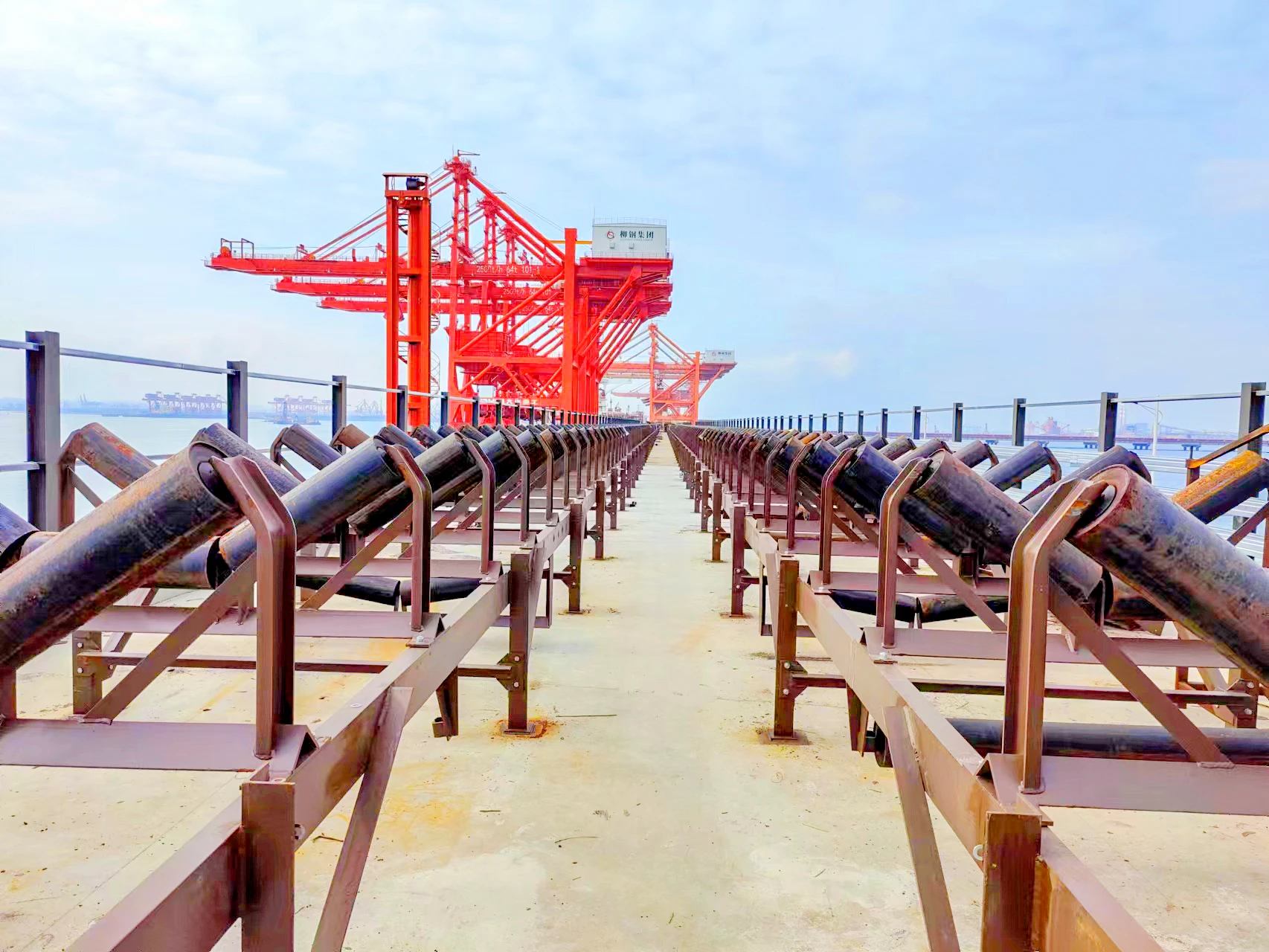
You must set safe limits for each container handling gantry crane: set limits right. This ensures the safety of personnel and enhances the operational efficiency of the crane. Major ports require rail clamps that can withstand wind conditions. These clamps activate automatically when wind speeds increase. Compliance with OSHA regulations is essential. Additionally, it is crucial to verify that every container is properly loaded. CEGC provides both standard crane solutions and customized options to meet specific needs.
Key Takeaways
-
Always look at the load limit before you lift. This helps stop accidents and keeps the crane safe. - Set speed and movement limits to stop the load from swinging. This makes sure work is steady and safe. - Use wind sensors to watch the weather. If the wind is too strong, stop lifting to stay safe.
Identifying Safe Limits for Container Handling Gantry Cranes
Load Capacity and Crane Safety
You need to know the load limit for each crane. Every crane is built to lift a certain amount. If you go over this limit, it can be very dangerous. Too much weight can bend or break parts of the crane. Sometimes, the crane can even fall down. You can stop accidents by following the load limit and using overload protection.
Here is a table that shows how much different cranes can lift:
|
Crane Type |
Lifting Capacity Range |
|---|---|
|
Rubber-Tired Gantry Cranes (RTGs) |
30 to 50 tons |
|
Rail-Mounted Gantry Cranes (RMGs) |
40 to 100 tons |
Always check the load limit before you lift anything. Make sure the weight is spread out safely. Leave a little extra space for safety. If you put on too much weight, cables can snap and brakes can break. The trolley or rails can also get damaged. Use load cells and tension links to watch the weight. These tools help you stay safe and follow the rules.
Tip: Check the load limit and overload protection before you use the crane.
Speed and Motion Limits
You need to set speed and motion limits for each crane. Moving too fast or in the wrong way can make the load swing. This can cause accidents. Use good motion control to match the speed with the load and wind. This keeps the load steady and safe.
Speed profiles help you change the crane’s speed for different loads and weather. Using these profiles and following the rules can stop accidents. CEGC gives you normal speed limits and can change them for your needs. Check the motion systems often to make sure everything works right.
Wind, Weather, and Environmental Safety
Wind and weather can change how much a crane can lift. Strong wind pushes on the crane and can twist it. Wind can also make the load swing and put too much stress on the crane. Sudden strong winds cause many crane accidents.
Watch the wind speed and change the load limit if the weather gets bad. Wind sensors and alarms help you stay safe. CEGC can give you sensors that fit your site. Always look at the weather before you lift. Use safety steps to stop problems with the crane.
Anti-Sway and Collision Prevention
When the load swings, it is hard to move it exactly where you want. It can also hit things. Anti-sway systems use sensors and controls to keep the load steady. These systems make the crane safer and help the operator feel less tired.
Collision prevention uses sensors and safety locks to find things in the way. The crane will stop before it hits something. Warnings and automatic stops help stop accidents and damage. CEGC’s anti-sway and safety systems help you lift safely. You can change the sensor zones and safety space for your terminal.
Operator Training and Certification
The operator’s skill is very important for safety. Operators must finish training, pass tests, and get certified before using a crane. Training teaches about the crane, load limits, overload protection, and safety steps. Operators must wear safety gear and follow safe rules all the time.
Operators who are well trained have fewer accidents. Give operators more training and updates to keep everyone safe. CEGC’s operator HMI helps operators learn about load limits and safety systems.
Note: Checking the crane before and during use helps operators remember the rules and keep the crane safe.
By setting the right limits, using safety systems, and giving good training, you can stop accidents and keep everyone safe when using a container handling gantry crane.
Implementing and Enforcing Limits: Operating Gantry Cranes Safely
Pre-Operational Inspections and Safe Load Indicators
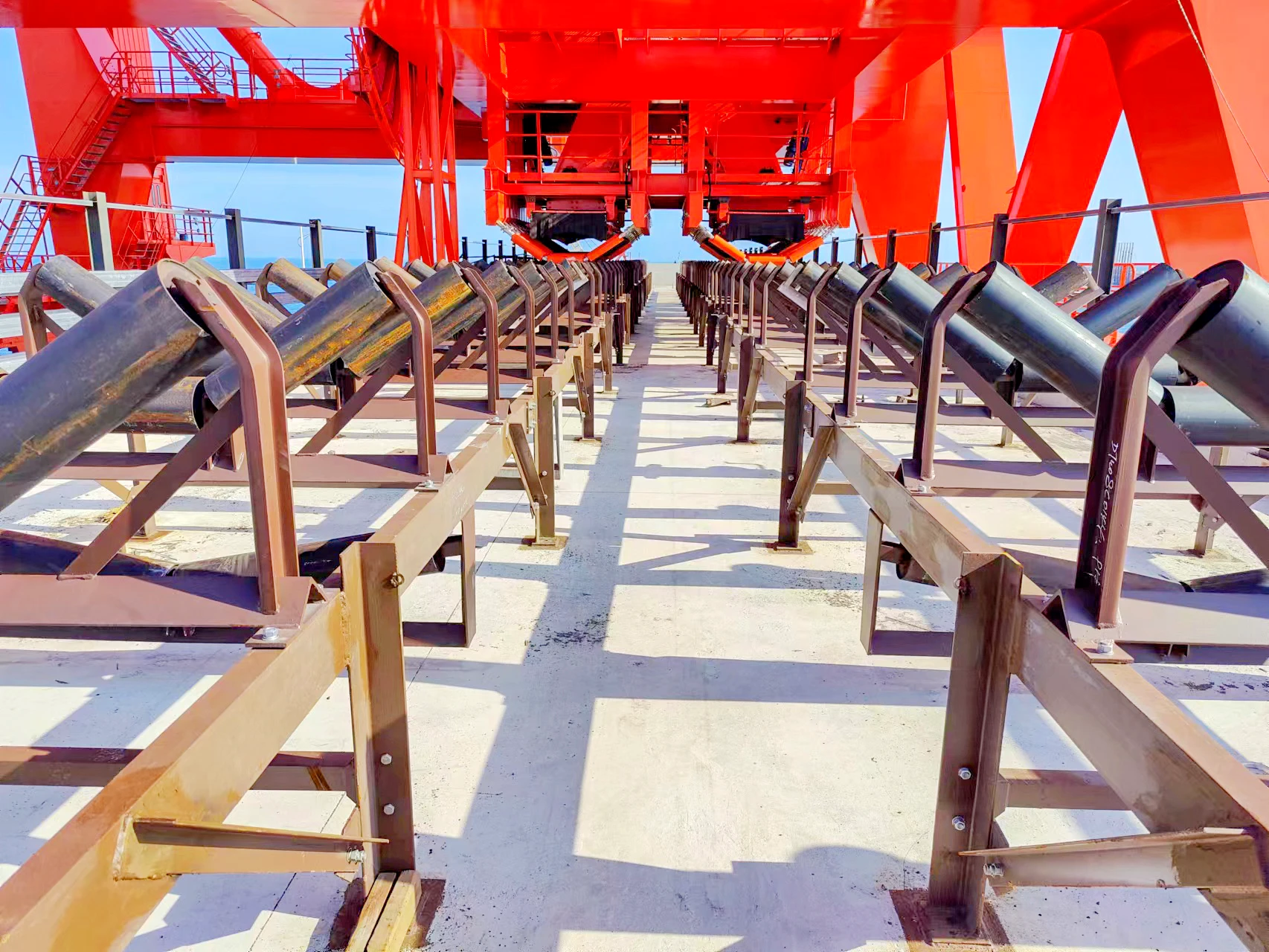
You need to check the crane before every shift. This helps you set limits and keeps the container handling gantry crane safe. Use a checklist so you do not forget any steps. Look at the gears, sheaves, and wire ropes for damage. Check the brakes to make sure they work. Look at all electrical wires and control panels. Test alarms, lights, and emergency stop buttons. Check hydraulic hoses for leaks and see if the fluid is full. Look at the frame and boom for cracks or bends. Check welds and bolts. Make sure the crane is level before lifting anything.
Write down what you find in an inspection log. Fix small problems right away. This stops them from turning into big dangers. Train your inspection team often. They need to know the newest safety rules and how to check the crane. Regular checks help you find problems early and keep the load limit safe.
Safe load indicators help stop overloading and accidents. These systems watch the load weight, working radius, and boom angle all the time. They warn you when you get close to the load limit. If you go over, the system stops the crane to keep you safe. Here is a table that shows how safe load indicators help:
|
Feature |
Description |
|---|---|
|
Watches load weight, working radius, and boom angle to stop overloading. |
|
|
Warning System |
Warns you when the load gets close to the limit, making crane use safer. |
|
Automatic Operation Halt |
Stops the crane if it finds unsafe conditions, helping stop accidents. |
Always check the load limit before you lift. Use safe lifting steps and leave a safety margin. This helps you use the crane safely and avoid accidents.
Control Systems and Safety Alarms
Modern control systems help you follow the rules and use gantry cranes safely. Electrical control systems use fast communication and less wiring. This makes the crane respond quickly. Variable frequency drives control how fast and strong the motors are. This gives you smooth lifting and saves power.
Load monitoring systems use load cells to check the weight. They help you stay under the load limit and not overload the crane. Safety alarms use lights and sounds to warn you when you get close to the limit. Cut-off systems stop the crane if you go over the limit. These systems keep you and the crane safe.
Better safety alarms help stop mistakes. Anti-sway systems keep the load steady when you lift or move it. Interlock logic stops unsafe moves. Visual and sound alarms warn you and ground workers about crane moves and problems.
|
Safety System |
Function |
|---|---|
|
Anti-Sway Systems |
Reduce load swing when lifting and moving, making loads more stable. |
|
Interlock Logic |
Stop unsafe moves, making crane use safer. |
|
Visual/Audible Alarms |
Warn operators and ground staff about crane moves and problems. |
Test all alarms and cut-off systems before you start. This makes sure you can follow load limits and safety rules every time you use the crane.
Maintenance, Predictive Monitoring, and Energy Efficiency
You need to keep the crane in good shape to use it safely. Regular maintenance, like tightening bolts and listening for strange sounds, helps stop breakdowns. These steps keep the crane strong and make it last longer. Routine checks, oiling, and changing parts on time stop damage. This saves energy and protects the crane.
Predictive maintenance uses real-time systems. These systems watch vibration, torque, and motor health. They warn you if something is wrong, like worn bearings or a gearbox problem. New technology like IoT, machine learning, and AI helps you find problems before the crane breaks. CEGC’s condition monitoring and remote checks give you updates on crane health. You can fix things before they cause accidents or waste energy.
Energy-saving drive systems are important for container handling gantry cranes. They lower stress on parts and help the crane last longer. This helps you set limits right and keep a good safety margin.
Documentation and Communication of Limits
Clear rules about limits are important for safe crane use. You must post load limits and safety margins where everyone can see them. Make sure all operators know the load limit, overload protection, and safe lifting steps. Use meetings and training to talk about these limits.
Keep records of all checks, repairs, and problems. This helps you see patterns and change limits if needed. Operators must know signals and directions. They must work with riggers and signal people to handle loads. Seeing what is around you is very important for safety.
You must follow OSHA rules and keep up with new safety steps. Regular checks and clear rules help you follow the law and stop accidents.
Incident Response and Continuous Improvement
You need a plan for what to do if something goes wrong. Start with a checklist before you use the crane. Make sure all safety gear works. Wear personal protective equipment and keep safety tools ready. Set up safe zones and keep people away from the crane. Only trained people should use the crane. Move the crane slowly and with care.
If something bad happens, look at what went wrong. Change your rules and limits so it does not happen again. Continuous improvement uses new tech and data to make crane use safer. Good cab designs help operators feel less tired. Smart safety tools watch for crashes and tiredness. Remote control lets you use the crane from a safe place.
Check and improve your limits and safety margin often. This helps you keep up with new risks and technology. By doing these things, you can use gantry cranes safely, set limits right, and protect your team and equipment.
You keep cranes safe by setting working limits that can change. You test how the crane works to make sure it is safe. Preventive programs help stop problems before they happen. New technology like anti-collision and remote monitoring makes cranes safer. CEGC gives you standard and custom crane solutions. These help you with special projects and keep safety high.
FAQ
What is the most important limit to set on a container handling gantry crane?
You must set the load limit first. This keeps the crane safe and stops accidents. Always check the load before lifting.
How do you know if wind is too strong for safe crane operation?
You should use wind sensors. If the alarm sounds, stop lifting. High wind can make loads swing and cause danger.
Can CEGC customize safety features for my port?
Yes. CEGC offers project-based customization. You can choose sensors, anti-collision zones, and safety systems to fit your site and needs.


