
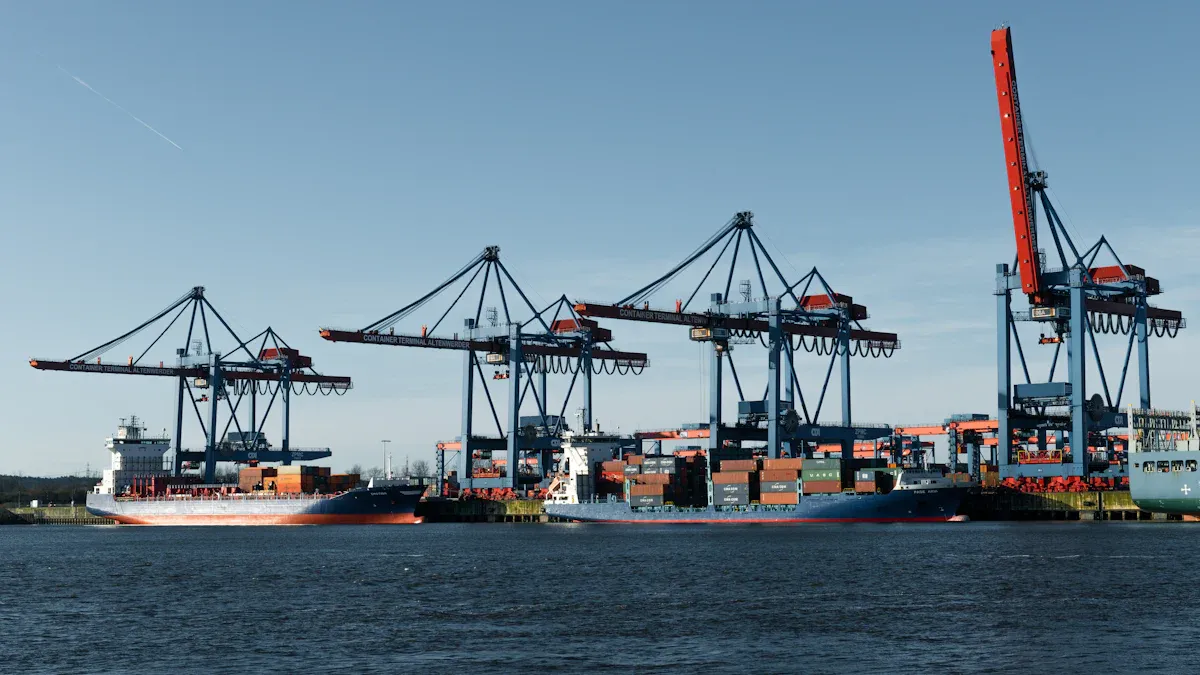
You can get hurt if a ship loader spout crashes while moving cargo. Limit protection systems, such as limit switches and interlocks, help prevent accidents and damage to equipment. It's essential to incorporate these protection tools into CEGC ship loaders and other port machinery. Regularly checking your protection system ensures it operates effectively. Remember, ship loader: limit protection avoids spout crashes.
Key Takeaways
-
Use limit protection systems such as limit switches and interlocks. These help stop spout crashes and keep equipment safe. Check and fix your ship loader's safety systems often. This makes sure they work well and helps stop accidents. Teach your team to spot warning signs and act fast when alarms go off. This makes loading operations safer.
Ship loader: limit protection avoids spout crashes
Core system components and operation
It is important to know how ship loader: limit protection avoids spout crashes. The system has a few main parts. Sensors watch where the ship loader moves. Limit switches set how far the loader can go safely. Interlocks connect these parts to the main controls. All the parts work together to protect your equipment.
Sensors check how close the loader is to the ship. Limit switches stop the loader if it gets too near the edge. Interlocks make sure the loader stays in safe areas. The control logic looks at all the signals. It tells the loader to stop or slow down if needed. This setup helps you avoid accidents and keeps your team safe.
You should check these systems often. Ports are tough places and parts can wear out. Look at seals, switches, and sensors regularly. The table below shows how often to check each part:
|
Inspection Type |
Frequency Recommendation |
|---|---|
|
Regular Inspection of Seals |
Check for damage, leaks, and wear often. |
|
Scheduled Detailed Inspections |
Do these more often because ports are harsh. |
|
Monitoring Operating Conditions |
Change maintenance based on load and weather. |
If you follow these steps, your ship loader: limit protection avoids spout crashes will work well.
How limit switches and interlocks prevent spout collisions
Limit switches and interlocks help your ship loader: limit protection avoids spout crashes system work. Limit switches act like guards. They notice when the loader reaches a set spot. If the loader gets too close to danger, the switch sends a signal. The control logic stops the loader right away.
Interlocks give extra safety. They connect different parts of the system. If one part breaks, the interlock stops unsafe movement. For example, if a sensor finds a problem, the interlock keeps the loader from moving more. This protects the spout and stops expensive damage.
You get help from both mechanical and electronic safety tools. Mechanical switches give a physical stop. Electronic controls react fast and handle tricky situations. Both make sure your ship loader: limit protection avoids spout crashes every time you use it.
Always plan regular maintenance. Check switches, sensors, and interlocks for damage. Replace broken parts right away. This keeps your system working and builds a safe port.
Tip: Teach your team to spot warning signs and act fast. A trained crew helps your ship loader: limit protection avoids spout crashes and keeps everyone safe.
Telescopic loading chute: safety features and process
Position monitoring and emergency stop functions
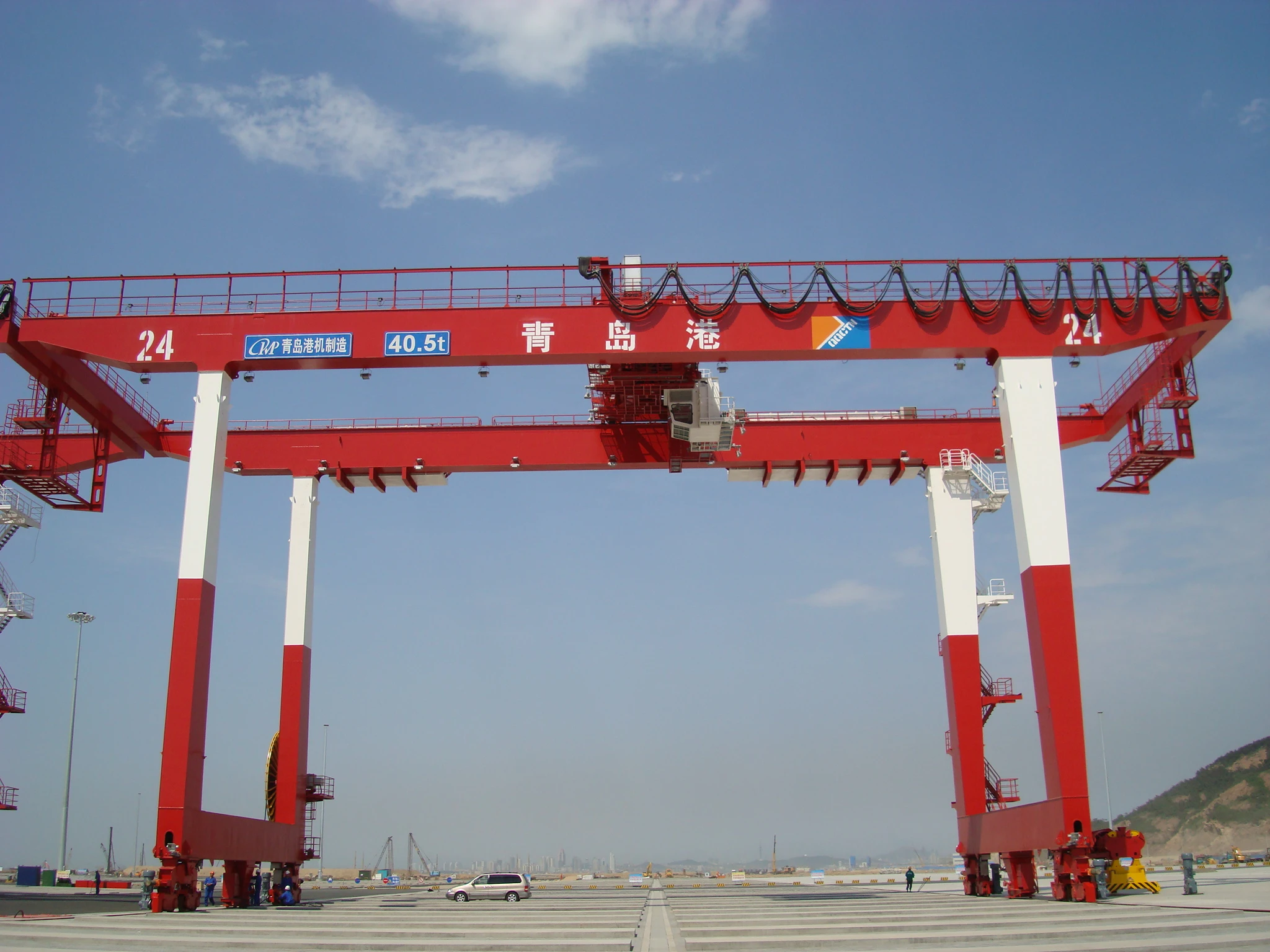
You use the telescopic loading chute to move cargo safely. The chute has position monitoring systems that track its movement. These systems get real-time data from 3D laser scanners and DGNSS. You can see where the chute is at all times. Mechanical and electrical locks keep the chute secure while it works. Emergency stop functions are part of the controls. If the chute gets too close to danger, the system stops it right away. The unmanned control system can reverse the chute if it gets near alarm limits. You do not have to do anything yourself. This keeps your equipment safe and stops accidents.
-
Position monitoring systems watch the chute in real time.
-
Mechanical and electrical locks keep the chute secure.
-
Emergency stop functions act fast when limits are unsafe.
-
Unmanned control systems reverse the chute if needed.
Alarm integration and operator interface
You get clear alarms and simple controls with the chute. The operator interface shows warnings and updates. Alarms warn you about hazards before a crash happens. The table below shows how alarms work with the chute:
|
Alarm |
Action |
|---|---|
|
Very Close |
Stop the units involved |
|
Collision |
Pause the units involved |
|
Free Path |
Resume the unit |
|
Mission Completed |
Stop all units in the fleet |
You see alarms on the screen. You know what to do next. This system makes things safer and helps prevent mistakes.
Step-by-step: crash prevention during loading
You follow easy steps with the telescopic loading chute. First, you check the position monitoring system. Then, you make sure locks are working. You watch for alarms on the operator interface. If an alarm sounds, you use the emergency stop. The chute stops or goes back to avoid a crash. You start loading again when the path is clear. This step-by-step process connects to other port safety systems like anti-sway and multi-layer interlocks. You get less downtime, lower repair costs, and better safety for your team.
Tip: Always plan and design your loading with the telescopic loading chute. You stop accidents and keep your port working well.
Real-world benefits and technical challenges
Operational reliability and reduced downtime
You want your port to work well every day. Limit protection systems help stop sudden problems. These systems lower the chance of spout crashes. This means less broken equipment and fewer repairs. Your team spends more time moving cargo. They spend less time fixing things. Reliable systems help your ship loader last longer. You save money and keep your plans on schedule.
Customization, maintenance, and integration with CEGC port machinery
Each port is different. You can change safety solutions to fit your ship loader or crane. CEGC gives choices for size, power, and automation. You pick features that match your cargo and work style. Regular maintenance keeps your equipment safe. You should check sensors, switches, and interlocks often. CEGC makes port machinery easy to fix and upgrade. This helps you keep your safety tools up to date.
Overcoming challenges: inspection, upgrades, and best practices
Ports are tough places. Salt, wind, and heavy use can damage parts. You need to check your systems often. Use a checklist to track what you check and when. Upgrade your safety tools when new technology comes out. Train your team to spot problems early. Follow best steps to keep your equipment safe and your team protected.
Note: A good inspection plan and regular upgrades help you avoid costly downtime and keep your port safe.
You keep your port safe by using limit protection systems and telescopic loading chutes. These tools stop spout crashes and help you work without long breaks. When you check and upgrade your equipment often, it stays safe. Pick CEGC port machinery for better safety features. Using new technology helps you work faster and spend less money.
FAQ
What is the main purpose of limit protection in ship loader systems?
Limit protection helps stop spout crashes when loading. This system keeps your equipment safe. It also helps you avoid expensive repairs while moving cargo.
How often should you inspect limit switches and interlocks during loading operations?
You should check limit switches and interlocks before each shift. Checking them often during loading keeps your system working well. It also helps stop accidents while loading.
Can you upgrade your existing ship loader with new safety features for loading?
You can make your ship loader safer for loading. New systems let you add better limit protection and alarms. These upgrades help your loader work better and lower risks during loading.


