
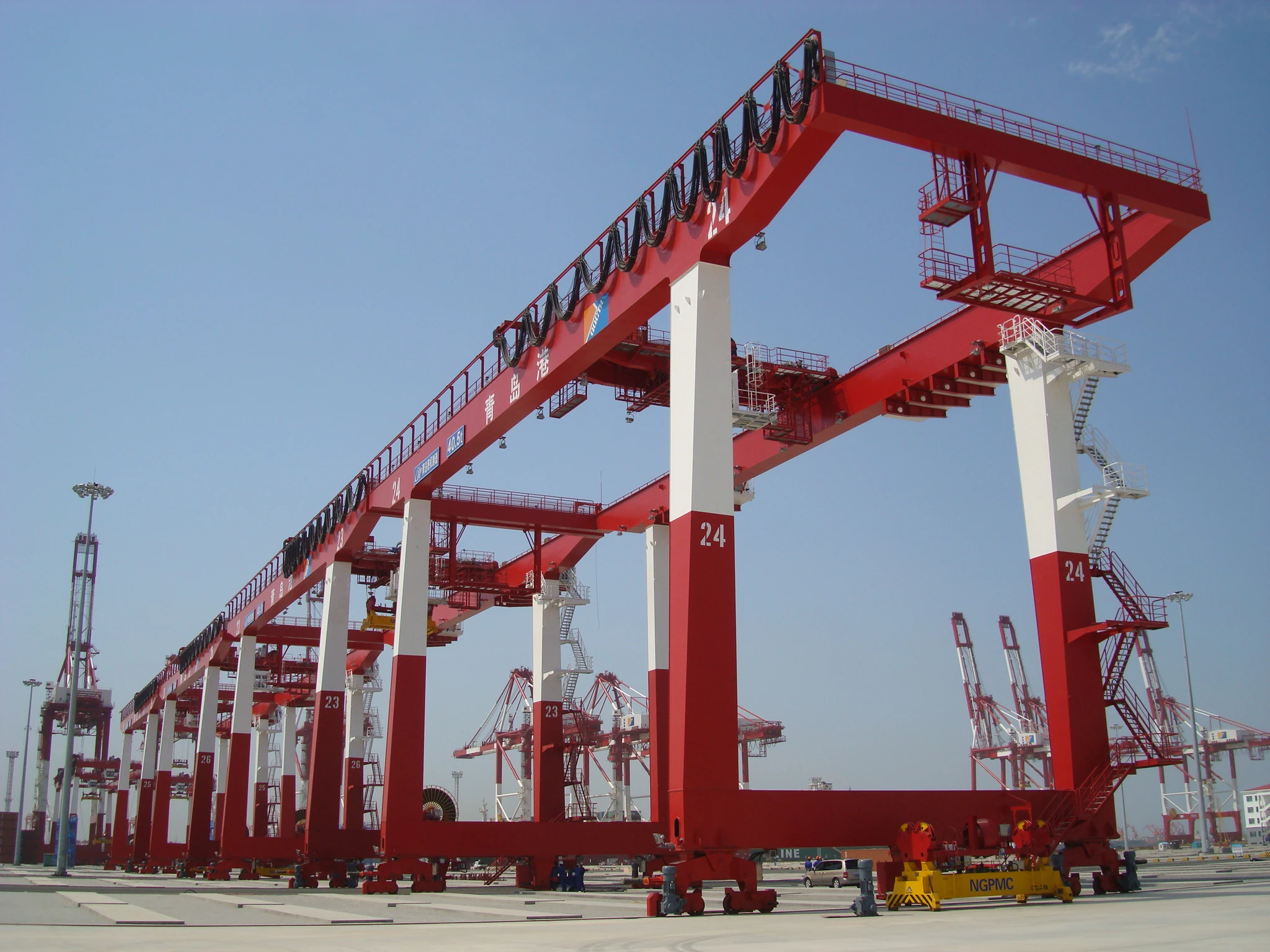
You can see how the Reach Stacker forklift: limit protection saves tires too by preventing overloading and unsafe operations. CEGC provides high-performance solutions and customizable options for port machinery, ensuring your equipment operates efficiently. With Reach Stacker forklift: limit protection saves tires too, you’ll experience reduced downtime, lower tire expenses, and enhanced safety during forklift use. CEGC specializes in container handling equipment and port lifting machines, delivering reliable solutions for your terminal’s needs.
Key Takeaways
-
Limit protection systems make forklifts safer. They stop overloads and keep loads steady. This lowers the chance of accidents.
-
Checking tires often helps save money. It also cuts down on time lost. This keeps your work running well.
-
CEGC gives you choices to change limit protection features. You can match them to your port’s needs. This makes everything work better.
Limit protection and forklift safety
Key features of limit protection systems
You need good systems to keep your port safe and working well. Limit protection systems in reach stacker forklift: limit protection saves tires too have smart features. These features help you lift heavy things safely. The systems use new technology to keep your machines and workers safe.
Here is a table that lists the main features you can find in today’s limit protection systems for port machines:
|
Feature |
Description |
|---|---|
|
Anti-sway control |
Keeps loads steady, reducing sway caused by wind or sudden moves. |
|
Multi-layer safety interlocks |
Prevents overloads and collisions with limit switches and emergency stop logic. |
|
Operator-centered HMI |
Provides clear alarms and status updates for better operator awareness. |
|
Predictive maintenance |
Monitors temperature, vibration, and hydraulic conditions to prevent downtime. |
|
Energy optimization |
Offers electric, diesel, or hybrid solutions for fuel and power savings. |
|
Dynamic Tilt Protection |
Monitors boom length, angle, and hydraulic pressure to prevent rollover. |
|
Automatic Speed and Lift Limitation |
Adjusts speed and boom movements based on load weight and stability analysis. |
|
Load and Overload Monitoring |
Measures load weight and distance, stopping unsafe movements automatically. |
|
Hydropneumatic Suspension |
Dampens shocks and improves stability on uneven terrain. |
|
Automatic braking and obstacle detection |
Uses laser scanning to detect obstacles and brake automatically. |
|
Vertical boom lift control |
Ensures precise maintenance of the boom's vertical position to minimize tipping risk. |
These features meet what most ports need. You can also change them to fit your port with CEGC’s help.
How limit protection improves forklift safety
There are many dangers when you use a forklift in a busy port. Loads can swing, crashes can happen, and people can make mistakes. Limit protection systems help stop these problems.
-
Anti-sway control keeps the load from moving too much. This system stops shaking and swinging, even if it is windy or the machine moves fast. The crane’s motion control makes your job safer and quicker. You can see the load settle 10%-15% faster, so you wait less.
-
Overload protection keeps the forklift from lifting too much. The system checks how heavy and far the load is. If the load is too heavy or not balanced, the system stops the forklift right away.
-
Multi-layer safety interlocks use limit switches and emergency stops. These features stop the machine from working if it is not safe. For example, if a safety door is open or a guard is off, the forklift will not start. This helps stop mistakes and keeps people safe.
You get alarms and updates from an operator-centered HMI. This lets you fix problems fast. Predictive maintenance tools check the forklift’s health, so you can repair it before it breaks.
With reach stacker forklift: limit protection saves tires too, you keep your machines, your team, and your money safe. You make forklift work safer and lower the chance of accidents. You also help your port work well every day.
Tire preservation and operational benefits
Preventing tire damage and excessive wear
You must protect your tires to keep machines working longer. Reach stacker forklift: limit protection saves tires too by stopping unsafe use and overloading. If you ignore tire load and speed limits, tires can fail completely. Tires can wear out fast or unevenly. Machines may not drive well, and accidents like spills or rollovers can happen. Unsafe situations for you and your team can happen quickly.
Limit protection systems help you avoid these issues. Overloading tires makes them hot and stressed, causing casing damage. This can make tires fail. Underloading tires wears them out faster and lowers traction. It also makes compaction problems worse. You need to pick the right forklift tire types and follow load ratings to keep tires safe.
Reach stacker forklifts have common causes of tire blowouts. Overinflation and underinflation damage tires. Sharp objects and sidewall damage from overloading or misalignment also shorten tire life. Limit protection systems help you manage tires and check tire pressure all the time. Safety technology stops overload and keeps tires healthy. Traction control stops wheel spin, and tire pressure monitoring keeps grip strong.
Tip: Always check your forklift tire types and tire maintenance schedule. This helps you avoid sudden tire failure and keeps your equipment running smoothly.
Reducing tire replacement costs and downtime
You save money and time when you protect tires. Reach stacker forklift: limit protection saves tires too by lowering tire replacement costs and downtime. Predictive maintenance tools from CEGC check temperature, vibration, and hydraulic conditions. You get early warnings before tire problems get worse. Tire maintenance is easier, and you plan repairs instead of rushing to fix emergencies.
Energy optimization solutions help you work smarter. You use place-based planning to fit solutions to your port. You focus on cost-effective energy options, mixing generation with demand-side management and storage. This balanced system keeps equipment efficient and lowers stress on tires.
You see real results when you use these systems. One port operator saw a 20% drop in tire replacement costs after adding limit protection and engine protection features. Another terminal lowered downtime by 15% with tire pressure monitoring and the right forklift tire types. Engine protection systems also make tires last longer by keeping machines stable and reducing strain.
You improve efficiency with these solutions. You keep tires healthy, lower accidents, and make your port safer. Engine protection, tire maintenance, and the right forklift tire types all help tires last longer and boost productivity.
Note: Investing in limit protection and engine protection pays off. You get longer tire life, fewer breakdowns, and safer operations for your team.
You keep your tires safe and make forklifts safer with limit protection systems. You spend less money, have fewer delays, and make your workplace safer.
-
Pick CEGC’s solutions that you can change for your container handling equipment.
Good decisions now help your port work well in the future.
FAQ
What does a limit protection system do for a reach forklift truck?
You use a limit protection system to stop unsafe lifts. It helps you avoid overloads and keeps your reach forklift truck safe every day.
How does limit protection help with traction and tire life?
You get better traction because the system prevents overloads. Tires last longer since you avoid unsafe handling and reduce stress on each tire.
Can you customize limit protection for your port equipment?
You can ask CEGC for custom options. You choose features that fit your port and reach forklift truck needs.


