
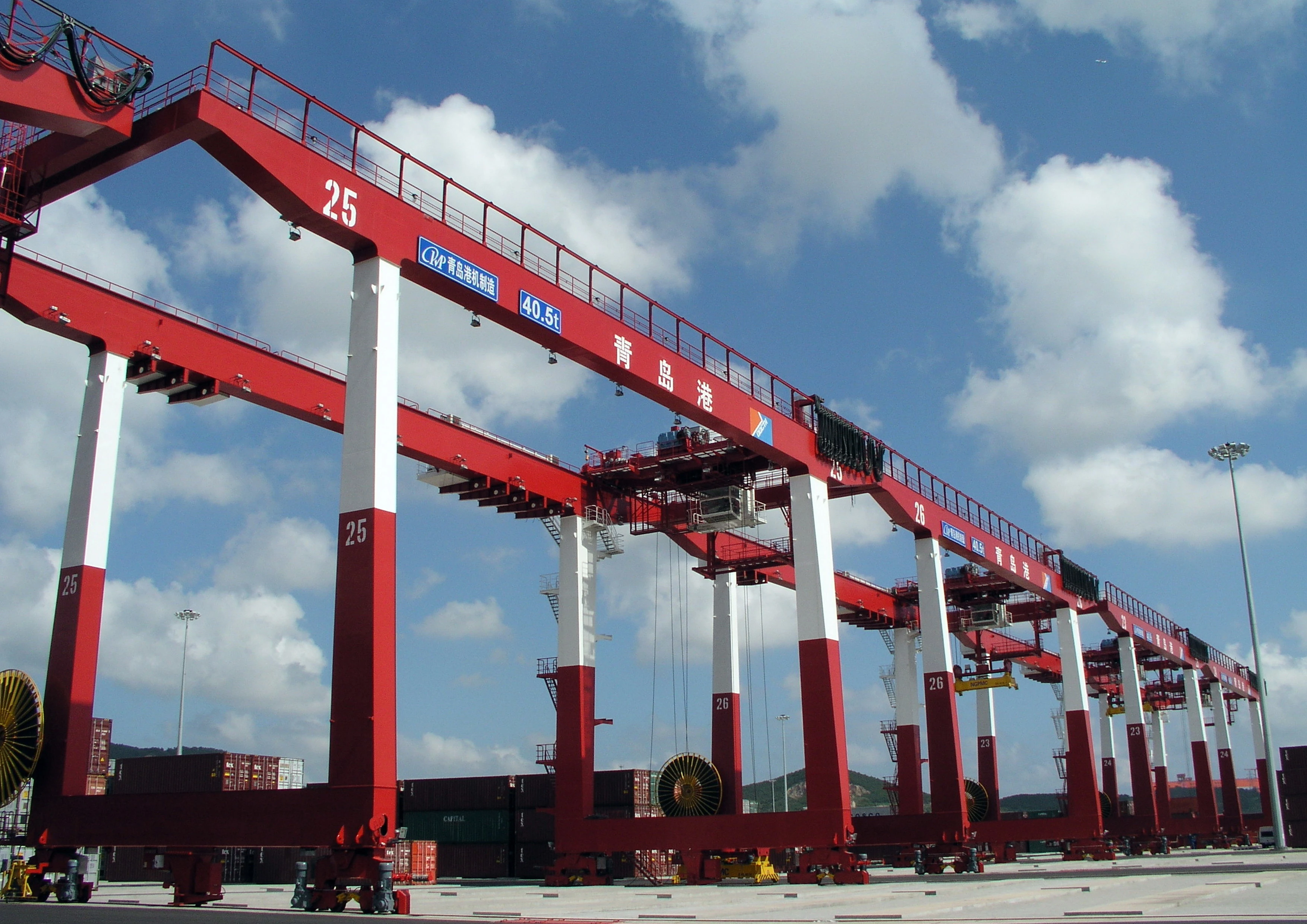
Using a container crane with limit protection systems ensures the safety of your cargo. These systems prevent the crane from moving too far, effectively safeguarding the spreader. CEGC manufactures container cranes that adhere to market standards, significantly reducing the risk of spreader damage and enhancing cargo safety. The container crane: limit protection prevents spreader damage, allowing you to operate with confidence. By implementing these safety measures, you protect your cargo and minimize potential issues. Trust in the container crane limit protection to maintain the integrity of both containers and spreaders.
Limit protection systems are essential for preventing spreader damage and ensuring cargo safety with every container movement.
Key Takeaways
-
Limit protection systems are very important. They help stop spreader damage and keep cargo safe when moving containers. - Doing regular maintenance and having skilled crane operators lowers accident risks. It also helps the equipment last longer. - Using new safety features, like sensors and overload protection, makes the terminal work better and keeps workers safe.
Spreader Damage Risks In Container Cranes
What Causes Spreader Damage
There are many risks when using a container crane or portal crane. Spreader damage can happen for different reasons during container handling. One big reason is load sway. When a container moves, wind can push it to the side. This makes it swing and can cause it to hit things. Strong wind or an operator with little experience can make this worse.
-
Wind can move containers and make them swing more. This makes it harder to stop crashes.
-
Skilled operators can control the crane better and stop the swing. Operators with less skill may cause more damage.
-
Swinging puts extra pressure on crane parts. Over time, this can cause more damage.
-
Trying to stop the swing too fast can also hurt the crane and make crashes more likely.
Collision prevention systems help lower these risks. But you still need to watch for crashes. If you do not use the right safety steps, containers can get damaged. Every time a spreader hits something, there is a risk of damage to both the container and the spreader.
Operational Consequences
If a spreader gets damaged, it is more than just fixing it.
Spreader failure is a big danger in ports. It can happen with many types of cranes. Spreaders use locks to hold containers. Using them a lot can wear out the parts and cause problems. Some main reasons are bad trailer parking, not checking the crane often, and how much the operator knows. If things are not lined up right, it can be very dangerous. That is why checking and fixing cranes often is important.
You might have to stop work for longer and pay more for repairs. Moving containers will take more time, and containers might get damaged more. More damage means more repairs and slower work. If you do not fix crash risks, you will see more damage to containers and spreaders. Stopping problems before they happen is the best way to keep containers safe.
Limit Protection Systems: Features And Solutions
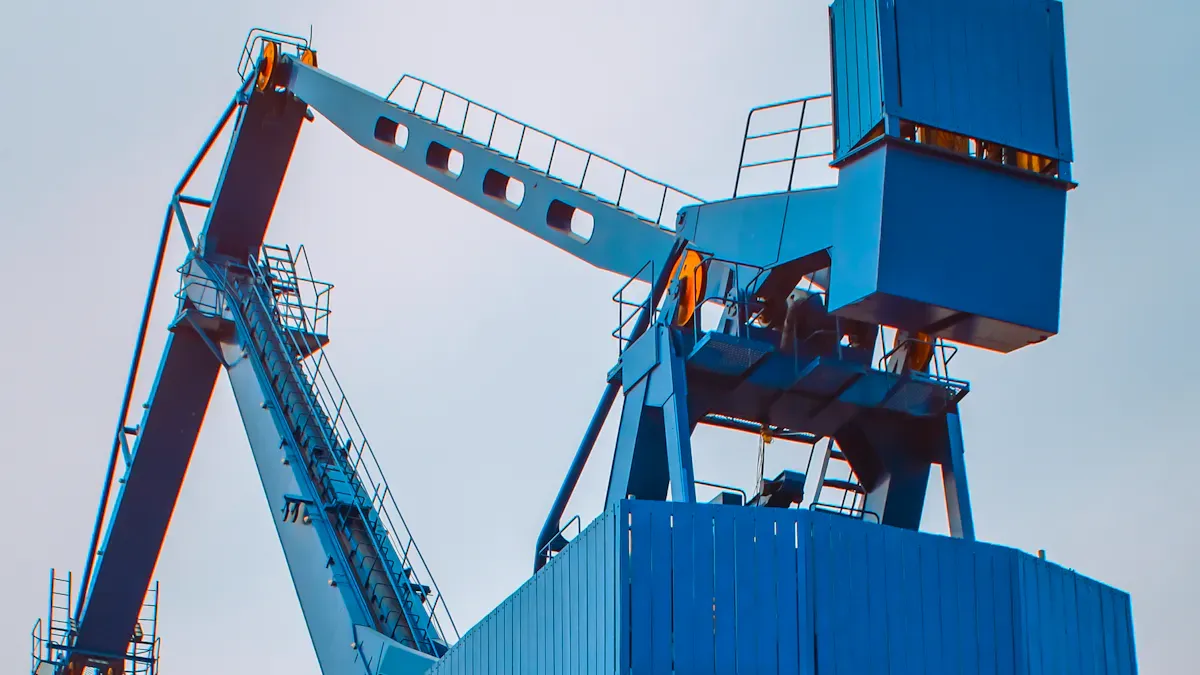
Limit Switches And Sensors
Limit switches and sensors help keep the container crane safe. These systems control how far the crane can move. They stop the crane from going too far. When the crane reaches its limit, the limit switch turns off the power. Two-stage limit switches slow down the crane first. Then they stop it if it is moving fast. Photoelectric devices can see when cranes are close to each other. They turn on alarms to stop crashes and damage.
Sensors watch what is happening in real time. They help find objects near the crane. Crane collision avoidance sensors check the distance between cranes. This helps stop crashes. LiDAR and obstacle detection sensors look for things in the way when moving containers. Safety laser scanners warn vehicles if something is too close. Laser distance sensors measure how far things are. They warn you if the crane goes too far. These sensors work together to stop crashes and damage to containers and spreaders.
|
Component |
Function |
|---|---|
|
Limit Switch |
Controls how far the crane can move; turns off power when the crane reaches the limit. |
|
Two-stage Limit Switch |
Slows down the crane first, then turns off power to stop the crane if it is moving fast. |
|
Photoelectric Device |
Stops crashes by seeing when cranes are close and turning on alarms and power cut-off. |
|
Sensor Type |
Functionality |
Detection Range |
|---|---|---|
|
Checks distance to stop cranes from crashing into each other. |
Up to 100 feet |
|
|
LiDAR/Obstacle Detection Sensor |
Looks for things in the way to stop crashes when moving containers. |
40 meters |
|
Safety Laser Scanner |
Warns vehicles if something is too close. |
20 meters |
|
Laser Distance Sensor |
Measures how far things are and warns if the crane goes too far. |
N/A |
You can see how container crane: limit protection prevents spreader damage. These sensors and safety systems work together to stop crashes and damage. CEGC lets you pick the right sensors for your port or terminal. You can choose sensor sets, anti-collision zones, automation, and anti-corrosion grade. You protect containers and spreaders from damage and make things safer.
Overload And Torque Limitation
Overload and torque limitation devices help stop damage to your crane and spreader. These safety systems watch the load all the time. They tell you if the crane tries to lift too much. Overload protection devices stop lifts that could bend or break crane parts. This keeps the crane safe and saves money on repairs.
-
Overload protection devices stop cranes from lifting more than they should.
-
These devices help stop lifts that could bend or break crane parts and keep the spreader safe.
-
Keeping lifts safe means you have fewer repairs and no big failures.
-
Overload and torque limitation devices watch the load all the time and tell operators if there is a problem.
-
They stop the crane right away if something is wrong, keeping the crane and spreader safe.
You follow rules for overload and torque limitation. OSHA says cranes above a certain size need overload protection. ISO has rules for checking cranes, including overload protection. ASME B30.2 gives rules for overhead and gantry cranes, like how to design and take care of them.
|
Standard |
Description |
|---|---|
|
OSHA |
Says cranes over a certain size, like bridge cranes over 20 tons, need overload protection. |
|
ISO |
Has rules for checking cranes, including overload protection. |
|
ASME B30.2 |
Gives rules for overhead and gantry cranes, like design and maintenance. |
You use container crane: limit protection prevents spreader damage to keep your equipment safe. CEGC lets you pick overload protection, torque limitation, and real-time monitoring. You choose the best safety systems for your equipment. You stop damage and make your crane more reliable.
Safety Interlocks And Emergency Stops
Safety interlocks and emergency stop systems help keep your crane, spreader, and containers safe. These systems act fast in emergencies. If you press the emergency stop button, the crane stops right away. This helps stop accidents, crashes, and damage.
-
The emergency stop button lets you stop the crane fast in an emergency and helps prevent accidents.
-
It keeps workers safe by stopping all movement and lowers the chance of getting hurt by moving loads.
-
Stopping the crane quickly also helps stop damage to equipment and materials in emergencies.
Safety interlocks make sure you cannot use the crane unless everything is safe. You avoid crashes and damage by using these safety systems. CEGC gives you extra safety interlocks, operator HMI, and predictive maintenance features. You use real-time monitoring to find problems early and stop damage. Predictive maintenance uses real-time data and smart tools to stop equipment from breaking. You can find problems before they get worse and fix them early. This helps your equipment last longer and stops costly shutdowns.
-
Predictive maintenance helps you plan repairs and lowers surprise breakdowns.
-
It uses condition monitoring and data to make equipment safer and better.
-
Data, insights, and actions help make maintenance more accurate over time.
-
Preventive maintenance is better with condition checks and advanced inspections.
-
Fixing things early saves time and money and makes everything work better.
You see how container crane: limit protection prevents spreader damage. You use safety systems, sensors, and collision avoidance technology to keep containers and spreaders safe. You stop crashes and damage with real-time monitoring and object detection. You trust CEGC for good performance and custom solutions. You make your port or terminal safer, more reliable, and better at stopping damage.
Benefits For Crane Operators And Terminal Performance
Reduced Downtime And Maintenance
You want your container crane to work without long stops. Limit protection systems help stop spreader damage and keep things running. These systems use safe load limiters to stop overloads and crashes. You do not have to worry about sudden breakdowns or big repairs. The container crane keeps working, so you save time and money.
-
Safe load limiters stop big problems, so you do not fix your crane as much.
-
These systems protect your equipment from slow damage that happens over time.
-
You get more help making good choices, which makes the terminal safer and keeps your spreader in good shape.
Improved Safety And Reliability
You want your terminal to be safe. Limit protection systems help stop crashes and spreader damage. These systems watch for trouble and stop the crane before something bad happens. You keep your workers and containers safe. You also keep your spreader from getting damaged. CEGC lets you change your container crane for better safety. You can add more sensors, anti-collision zones, and alarms. This helps you meet market rules and make your terminal safer.
Enhanced Throughput And Efficiency
You want your container crane to move containers fast and safe. Limit protection systems help stop crashes and damage, so your spreader lasts longer. The table below shows how these systems help your terminal:
|
Benefit |
Description |
|---|---|
|
Overload protection devices stop work before cranes get too stressed, so equipment lasts longer and you pay less for repairs. |
|
|
Enhances Worker Safety |
These devices lower the chance of injuries or deaths from crane overload, so work is safer. |
|
Improves Operational Efficiency |
By keeping things safe, these systems cut down on stops from broken equipment, so work keeps going. |
You move more containers with less risk of crashes or spreader damage. CEGC lets you pick the best features for your container crane, so your terminal works better.
You can see that limit protection systems help keep containers safe. Reports say real-time monitoring and smart sensors stop container damage. Overload protection also helps a lot. CEGC gives you safe container solutions with special features. You should pick advanced safety for your port.
|
Feature |
Benefit for Container Operations |
|---|---|
|
Dynamic Load Monitoring |
Stops containers from getting overloaded |
|
Integrated Safety Features |
Makes handling containers safe and steady |
|
Lets you move containers anywhere in the terminal |
|
|
Safety and Stability |
Helps prevent accidents with containers |
-
Check your container type and use the right safety.
-
Teach your team to notice container warnings.
-
Keep your system updated for the best safety.
CEGC helps make your terminal safer and work better. Every time you move a container, it matters.
FAQ
What is limit protection on a container crane?
Limit protection stops the crane before it moves too far. You keep your spreader and containers safe from damage.
How do sensors help prevent spreader damage?
Sensors watch crane movement in real time. You get alerts if something is wrong. You can stop accidents before they happen.
Can you customize limit protection systems for your port?
Yes! You choose sensor types, anti-collision zones, and safety features. CEGC helps you match your system to your port’s needs.


