
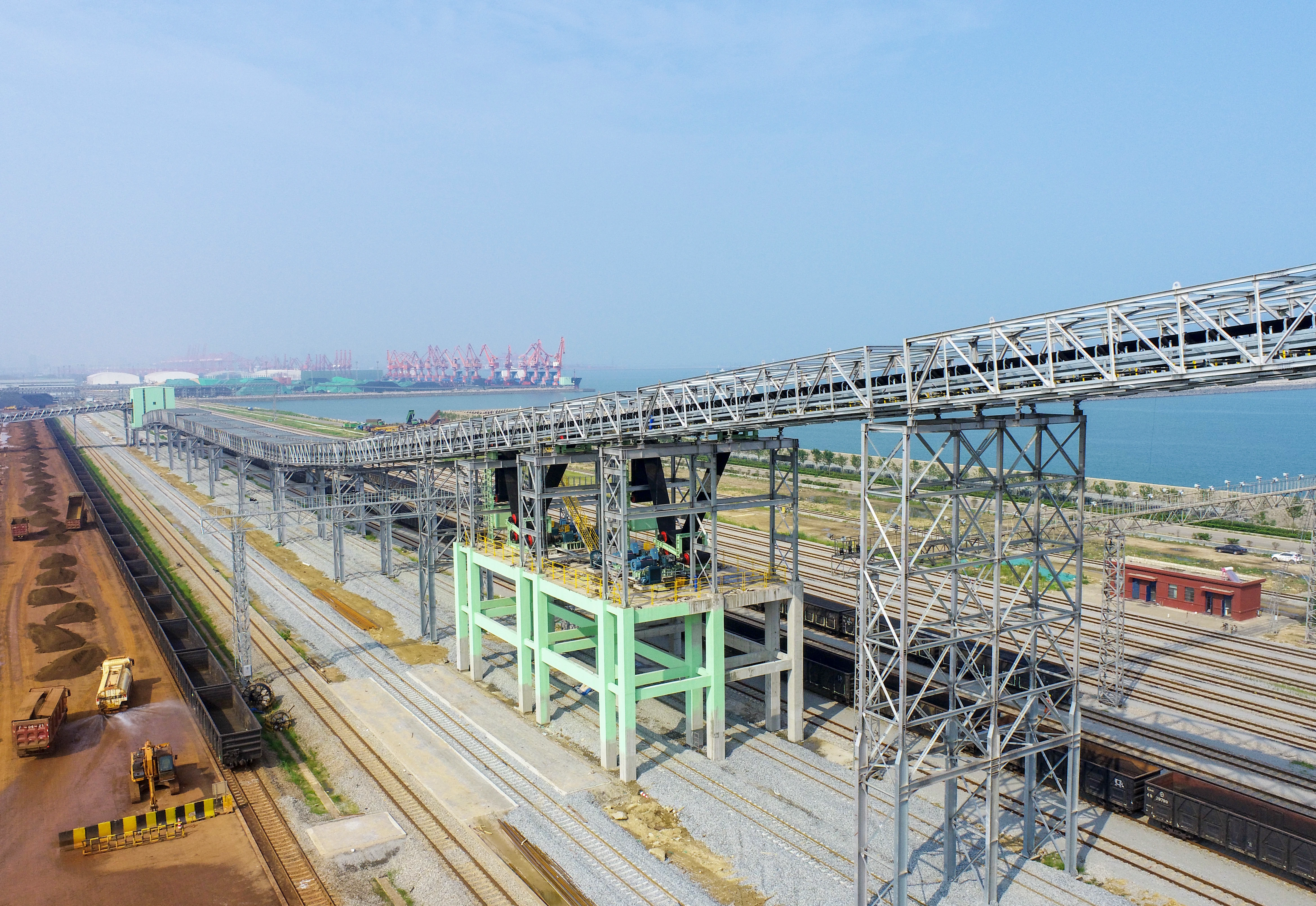
You have big problems from container vessel ops: salt fog impact on equipment. Salt fog causes rust and can damage your machines. Container vessel ops: salt fog impact on equipment makes things risky for you as a port operator. CEGC knows about container vessel ops: salt fog impact on equipment. You need to fix container vessel ops: salt fog impact on equipment to keep your equipment safe.
Key Takeaways
-
Salt fog makes things corrode, which means they rust and break. This can hurt port equipment. You need to check and fix things often to stop expensive repairs.
-
Use special coatings and seals to keep electronics safe from salt fog. This helps stop problems and keeps everything working well.
-
Use predictive maintenance to find problems early. This way, you have less downtime and your equipment works better.
Salt fog risks for container vessel equipment
Corrosion and structural damage
Salt fog brings big trouble for port machines. Salt spray lands on metal and starts corrosion. Rust forms on cranes and other equipment. Salt fog makes corrosion happen faster. Metal parts lose strength and can become unsafe. Walls and parts that hold weight get weaker. Sometimes, small holes show up from pitting corrosion. These holes let water in and cause cargo damage and mold. Joints and connections get hurt by crevice corrosion. Galvanic corrosion happens when different metals touch. Stress corrosion cracking can happen with heavy loads. All these types of corrosion make your equipment less reliable.
Salt spray makes maintenance cost more. You need to fix and change parts more often. Corrosion causes machines to break and slows your work. You must look for signs of damage and act fast. If you ignore salt fog, stacking and lifting can fail. Regular maintenance helps fight corrosion and keeps equipment safe.
-
Galvanic corrosion between different metals
-
Pitting corrosion makes dangerous small holes
-
Crevice corrosion hurts joints and connections
-
Stress corrosion cracking happens with heavy loads
Electronic and control system failures
Salt fog does not only hurt metal. It also damages electronic equipment and marine electronics. Salt spray leaves deposits on circuit boards and connectors. These deposits cause short circuits and failures. Fans and control systems stop working because salt spray clogs moving parts. Salt fog makes it hard to protect electronics. You must use special coatings and seals to keep marine electronics safe.
Salt fog raises the risk of electrical problems. Alarms and sensors fail more often. Salt spray hurts electrical materials and causes damage. You need to protect electronics from salt fog to avoid downtime. Marine electronics need extra care at ports. If you do not protect electronics, repair costs go up and maintenance takes longer.
-
Corrosion from electrochemical reactions affects materials.
-
Clogging or binding of moving parts in mechanical parts.
-
Damage to electrical materials from salt deposits.
Impact on cranes and handling equipment
Salt fog affects cranes and container handling equipment every day. Salt spray lands on gantry cranes, container handling gantry cranes, Reach Stackers, reach stacker forklifts, and ship loading systems. Salt fog causes corrosion and damage in these machines. You must use marine-grade solutions to keep your equipment strong.
CEGC gives products to help fight salt fog. You get protective coatings, stainless steel parts, and cathodic protection. These features keep your equipment safe from salt spray and corrosion. CEGC plans regular maintenance cycles so you can check and reapply coatings easily. You protect cranes and handlers from salt fog and salt spray. Marine-grade durability keeps port machines working longer.
|
Category |
Description |
|---|---|
|
Protective Coatings |
Epoxy-based marine-grade coatings shield against salt and moisture. |
|
Stainless Steel Components |
Stainless steel parts lower rust-related failures. |
|
Cathodic Protection |
Sacrificial anodes or ICCP systems stop corrosion in exposed areas. |
|
Regular Maintenance Cycles |
Easy access to inspection points helps timely maintenance and reapplication of coatings. |
Salt fog brings many risks for port machines. You must watch for corrosion, protect electronics, and use marine-grade solutions. CEGC helps you keep equipment safe and reliable in salt fog environments.
Solutions for container vessel ops: salt fog impact on equipment
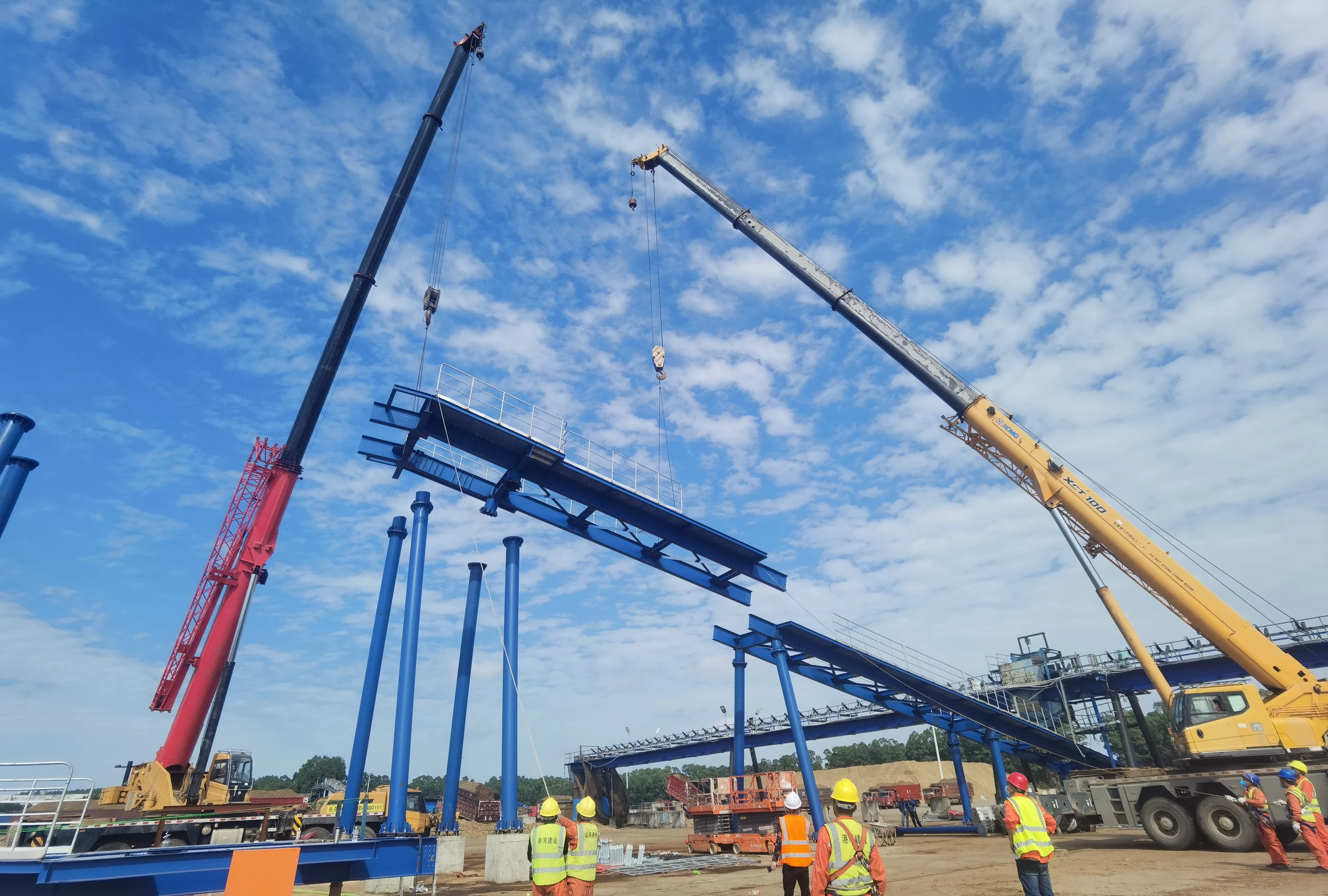
Anti-corrosion coatings and sealing
Salt spray is always present at the port. Salt fog touches every surface and joint. You need a strong coating to stop corrosion early. New marine coatings use special technology to block salt spray and water. There are different coatings and sealing methods for your machines.
|
Coating Type |
Description |
|---|---|
|
Conformal Coating |
A thin film that shields electronics from moisture and dust. |
|
Potting Resin |
Fills assemblies with resin for high resistance to chemicals and heat. |
|
Rust Grip® |
A deep-penetrating, long-lasting coating for harsh salt spray conditions. |
You also need good sealing to keep salt spray out. Hermetic sealing protects optical and electronic parts from water. Encapsulation makes a barrier that stops damage over time. Glass-to-metal seals and polymer encapsulants give extra protection in marine places. These solutions help your cranes, handlers, and loaders last longer.
Tip: Use strong epoxy or polyurethane coatings for decks and tanks. These coatings give more corrosion resistance and lower maintenance costs.
Predictive maintenance and monitoring
Salt spray and fog can cause hidden damage. You may not see corrosion until it is too late. Predictive maintenance helps you find problems early. Sensors check temperature, vibration, and electrical status. Condition monitoring lets you watch your equipment’s health all the time.
|
Benefit |
Description |
|---|---|
|
You fix problems before they cause failures. |
|
|
Reduction in Unplanned Downtime |
You keep your port running smoothly with fewer surprises. |
|
Enhanced Operational Efficiency |
Data analytics help you lower maintenance costs and improve performance. |
|
High Accuracy in Predictions |
You can predict failures with up to 92% accuracy. |
|
Significant Downtime Reduction |
You can cut unplanned downtime by 15-40%. |
Remote diagnostics help you solve problems quickly. This gives you more control and lowers total costs. ClassNK and MAN Energy Solutions showed predictive maintenance can warn you up to 14 days before a failure. Your cranes and forklifts can work longer with fewer breakdowns.
Safety and anti-sway systems
Salt spray does more than cause rust. It also brings safety risks. Load sway makes it hard to place containers right. Wind and shocks can cause accidents. Anti-sway systems help keep your work safe.
-
Assisted anti-sway control reduces sway and improves placement.
-
Multi-layer safety interlocks protect against overloads and collisions.
-
Operator-centered HMI gives clear alarms and guides your team.
You can change your safety system for your port. Add sensors for load, angle, and wind. Set up anti-collision zones and safety backups. These features help stop accidents and keep your team safe, even in heavy salt fog.
Salt fog testing and standards
You must test your coatings and protection to make sure they work. The salt spray test is the main industry test. ASTM B117 explains how to do the salt spray test. You use a 5% sodium chloride solution at 35°C. The neutral salt spray test checks how well your coatings fight corrosion.
|
Standard |
Description |
|---|---|
|
ASTM B117 |
Governs salt spray (fog) testing for global compliance. |
|
Operational Parameters |
Sets solution concentration, temperature, and pH. |
|
Testing Apparatus |
Maintains strict environmental conditions. |
You should check your samples after the salt spray test. Look for white rust, red rust, and other signs of corrosion. Take photos and measure how much mass is lost. Use the results to pick materials and study failures. The salt spray test helps you choose the best coatings for your machines.
Note: CEGC lets you customize capacity, span, duty cycle, power, automation, and anti-corrosion grade. You can match your protection to your project needs.
Salt fog causes rust, machine problems, and safety dangers. You can keep your port machines safe with anti-corrosion coatings, checking machines often, and using safety systems.
-
You have fewer surprise repairs
-
You spend less money over time
-
Your crew stays safer
|
Solution |
Benefit |
|---|---|
|
Powder Coating |
|
|
Predictive Monitoring |
Lets you know about problems early |
Pick CEGC if you want port machines that work well and fit your needs.
FAQ
What equipment does salt fog affect most at ports?
Salt fog hurts many machines at ports. It can damage container cranes, portal cranes, ship cranes, cargo cranes, and container handling equipment. You should check these machines often for rust or other problems.
How can you protect electronics from salt fog?
You can use conformal coatings and hermetic sealing. You should also do regular checks. These steps help keep your control systems and sensors safe from salt spray.
Does CEGC offer custom anti-corrosion solutions?
Yes! You can ask for special anti-corrosion grades, coatings, and sealing choices for your port machines. CEGC gives you solutions that fit your project’s needs.


