
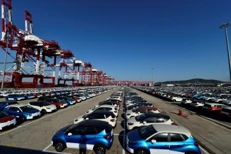
You can see how anti-rust treatments directly impact the container gantry crane: anti-rust lifecycle cost. These treatments significantly reduce maintenance needs and lower overall costs throughout the crane’s operational life. With the right anti-rust solution, downtime is minimized and the equipment’s longevity is extended. Even in high-quality cranes, ports may still face surface rust challenges, but choosing CEGC ensures you benefit from advanced protection:
-
No complaints about rust after 220 days in coastal storage with CEGC’s container gantry crane: anti-rust lifecycle cost solution
-
The crane remains in storage for longer periods without corrosion concerns
-
Customers have increased trust in the crane’s durability and performance
Key Takeaways
-
Doing regular check-ups and fixing things early can stop rust. This also helps save money on fixing big problems. Picking good anti-rust treatments makes the crane last longer. It also means the crane does not stop working as much. Using strong coatings and materials saves money over time. It also helps the crane work better for a long time.
Anti-rust Solutions for Container Gantry Cranes
Why Corrosion Matters for Lifecycle
Container gantry cranes work in tough places like ports. Salt in the air, wet weather, and changing temperatures hurt metal every day. Corrosion makes steel and other metals weaker. This means cranes can become less safe and not as strong. You need to watch out for these problems because they can make the crane break or not work well.
Corrosion can really damage how strong a crane is. When metal parts rust, they go through a change called oxidation. This makes the metal weaker and not as steady. If this keeps happening, the crane can get cracks or even break apart. Sometimes, it can even cause the crane to fall down if it gets really bad.
When cranes start to rust, you have to check them more often. You need to look for rust early so you can fix it. Fixing and replacing parts costs money and takes time. If you do not take care of rust, the crane might stop working or become dangerous.
Here are the main reasons why cranes rust near the ocean:
|
Factor |
Description |
|---|---|
|
Salt-Laden Atmosphere |
Salt from the sea air makes steel rust faster. |
|
High Humidity and Moisture |
Wet air and water drops help rust form, especially in hidden spots. |
|
Temperature Swings |
Hot and cold weather makes metal move and crack, which lets rust start. |
|
Chemical Exposure |
Spills from containers or fuel can hurt metal or break its coating. |
|
Mechanical Wear |
Using the crane a lot can scratch off coatings and let rust begin. |
You also need to think about wind and rust protection. Cranes at ports get hit by strong winds and salty spray. You need special coatings that follow ISO rules. Checking and fixing the crane every three to five years helps keep it safe.
Types of Anti-rust Treatments
There are different ways to stop cranes from rusting. Each way helps protect the crane and makes it last longer. You can use anti-rust paint on spots that get damaged. This paint keeps water away from the metal when it rains. You can also use grease to cover metal parts. Grease stays on even when it gets hot or cold. Calcium or lithium grease works well because it does not wash off and keeps water out.
You should check for paint damage often and fix it. You can add extra coatings to protect the crane more. Shot blasting cleans the metal before you put on anti-rust treatments. These steps help stop rust and keep the crane strong.
-
Check and fix paint damage on metal parts often.
-
Use anti-rust paint and extra coatings.
-
Put grease on metal to make a shield.
-
Clean metal with shot blasting before adding anti-rust treatments.
You can pick from different coatings to protect your crane. Zinc coatings help stop steel from rusting. Strong steel does not get tired or rusty as fast. Experts can give you special rust-proofing that works better. These treatments help your crane last longer and stay safe. They also help you spend less money fixing things.
CEGC has special anti-rust treatments for ports. You can choose how strong the treatment is, how much it seals, and how often you fix it. This way, your crane fits your port and lasts longer.
|
Impact on Performance |
Impact on Cost |
|
|---|---|---|
|
Corrosion Resistance |
Makes the crane last longer in tough places |
Saves money on repairs over time |
|
Weatherproof Covers |
Keeps parts safe from weather damage |
Lowers repair costs |
|
Anti-Corrosion Treatments |
Makes the crane last longer |
Worth the money you spend |
|
Maintenance Access |
Makes it easier to check and fix the crane |
Less time when the crane is not working |
|
Spare Parts Availability |
Lets you fix the crane fast |
Stops work from being delayed |
|
Service Intervals |
Helps the crane work better |
Makes fixing the crane cost less |
Cost Impact of Rust Protection
You need to think about cost before picking anti-rust treatments. Some coatings cost more at first, but they save money later. You do not have to fix the crane as much or stop work. You do not have to pay for big repairs and the crane keeps working.
|
Initial Cost Impact |
Long-term Savings Impact |
|
|---|---|---|
|
Metal Coating |
Costs more at first |
Saves a lot later |
|
Chemical Protective Layer |
Costs a medium amount |
Saves some money |
|
Non-metallic Protective Layer |
Costs the least |
May not save as much |
Metal coatings cost more when you buy them. But they last longer and need less fixing, so you save money. Chemical layers do not cost as much and still help you save. Non-metal layers are cheap but might not last as long.
You need to look at the whole life of the crane when you think about cost. Anti-rust coatings help you fix the crane less often. Your crane can keep moving containers and loading ships. You do not have to stop work as much and the crane works better.
CEGC gives you good and custom anti-rust treatments. You can pick what works best for your port. You get a crane that fits your needs and saves you money in the long run.
Container Gantry Crane: Anti-rust Lifecycle Cost Factors
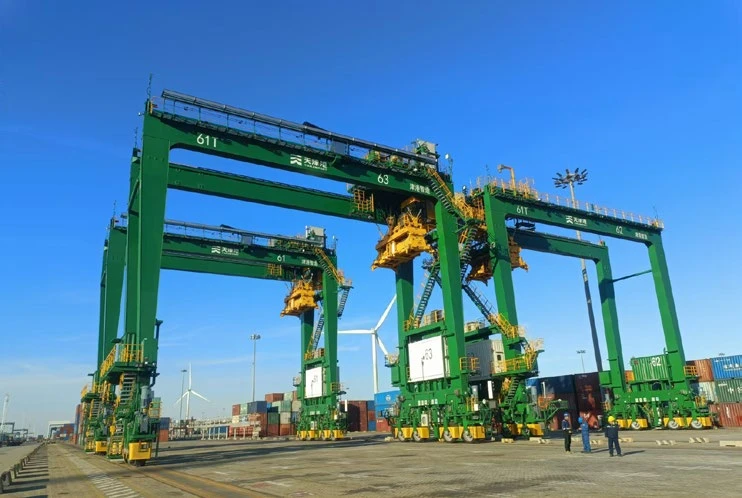
Maintenance and Downtime
You can lower the container gantry crane: anti-rust lifecycle cost by doing regular maintenance. Checking your crane often helps you find problems early. Fixing small issues stops bigger ones from happening. This saves money and keeps your crane working.
Here is a table with the best maintenance steps:
|
Maintenance Practice |
Description |
|---|---|
|
Regular Lubrication |
Makes parts move easily, lowers friction, and stops early damage. |
|
Inspection and Timely Repairs |
Finds issues early so you can fix them before they get worse. |
Planning maintenance helps you spend less on repairs. It also makes your crane last longer. Predictive maintenance lets you fix things before they break. This means less downtime and fewer delays. You do not need as many emergency repairs, so you save money.
-
Less downtime means your crane works more days.
-
Finding wear early stops big damage.
-
Routine checks keep your crane safe and strong.
Always add maintenance and repairs to your asset plan. This makes your crane tougher and helps it last longer. You get more value because your crane works for more years.
Environmental and Operational Risks
Ports have many risks for cranes. Salt, humidity, and wind make rust happen faster. These things raise the container gantry crane: anti-rust lifecycle cost. Salt mist and wet air attack steel parts. Rust forms quickly on bolts and joints. If you do not use special coatings, costs will go up.
High humidity and chloride make rust worse. You need coatings like hot-dip zinc or epoxy paint. These protect your crane from bad weather. Picking the right materials is important. Stainless steel and low-alloy steel last longer in tough places.
How you use your crane also matters. If your crane works a lot, it wears out faster. Stronger materials and better anti-rust features help. More work means you need more maintenance. Skipping checks can lead to higher costs and a shorter crane life.
Digital monitoring and remote checks help lower costs. These tools send alerts right away. You can fix problems before your crane stops. You also save money because workers do not need to visit as much. Energy upgrades cut electricity bills, which are a big cost.
Real-world Lifecycle Savings
You save money when you use good anti-rust steps. The container gantry crane: anti-rust lifecycle cost goes down with smart coatings, good design, and regular checks. You pay more at first for better materials, but you save more over time.
Here are ways to get more value and spend less:
-
Use strong steel and marine coatings to lower maintenance.
-
Pick cranes with sealed motors and rust-proof gears for longer life.
-
Add remote monitoring to spot problems early and stop downtime.
-
Do routine checks to keep your crane working well.
A crane with good protection lasts many years with fewer repairs. You spend less on fixing and avoid shutdowns. Your costs stay low and your crane stays reliable. You get more value because your crane works longer and more days.
Reports show the best results come from smart material choices, advanced coatings, and regular checks. Always look at the whole life of your crane when making choices. This helps you control the container gantry crane: anti-rust lifecycle cost and get the most value.
Tip: Always use anti-rust steps in your asset plan. This protects your crane and keeps it safe and working well.
|
Key Factors |
Description |
|---|---|
|
Use strong, rust-proof metals for better durability. |
|
|
Protective Coatings |
Put on epoxy or powder coatings to stop chemicals and water. |
|
Structural Design |
Make beams and joints to keep water out and lower rust. |
|
Mechanical/Electrical Protection |
Seal motors and use special covers to keep out dust and water. |
|
Routine Maintenance |
Clean, check, and oil parts to find problems early. |
Every step you take to stop rust helps you spend less, makes your crane last longer, and gives you more value.
You can spend less on your container gantry crane: anti-rust lifecycle cost by using smart coatings and checking the crane often. CEGC lets you pick from different anti-corrosion choices that fit your needs.
-
Use smart systems to help your crane work better and follow the rules.
-
Try digital tools to plan jobs and stop the crane from being out of use.
Ports have tough weather. If you do not use good anti-rust steps, you will pay more for repairs and your crane will not last as long.
FAQ
How does anti-rust treatment affect the operational cost of an outdoor gantry crane?
When you use anti-rust treatments, you spend less money. Outdoor gantry crane repairs do not happen as much. Your crane lasts longer and works better. You get more use from your outdoor crane.
What is the best way to reduce repairs for an outdoor overhead crane?
Check your outdoor overhead crane many times each year. Put on strong coatings to stop rust. Fix small problems right away before they grow. Make routine checks part of your plan. Protect your outdoor crane from rain and sun.
Why should you invest in anti-rust solutions for outdoor crane equipment?
Anti-rust solutions keep your outdoor crane safe from rust. Your money is used well because repairs are not needed often. Your crane works better and does not break down a lot. You keep your outdoor gantry crane safe for everyone.
Tip: Watch how your crane works every day. Plan when you will do repairs. This helps your outdoor crane last longer and saves money.
|
Outdoor Crane Type |
Repairs Frequency |
Operational Reliability |
Investment Value |
|---|---|---|---|
|
Outdoor gantry crane |
Not often |
Very good |
High |
|
Outdoor overhead crane |
Not often |
Very good |
High |
|
Outdoor crane |
Not often |
Very good |
High |


