
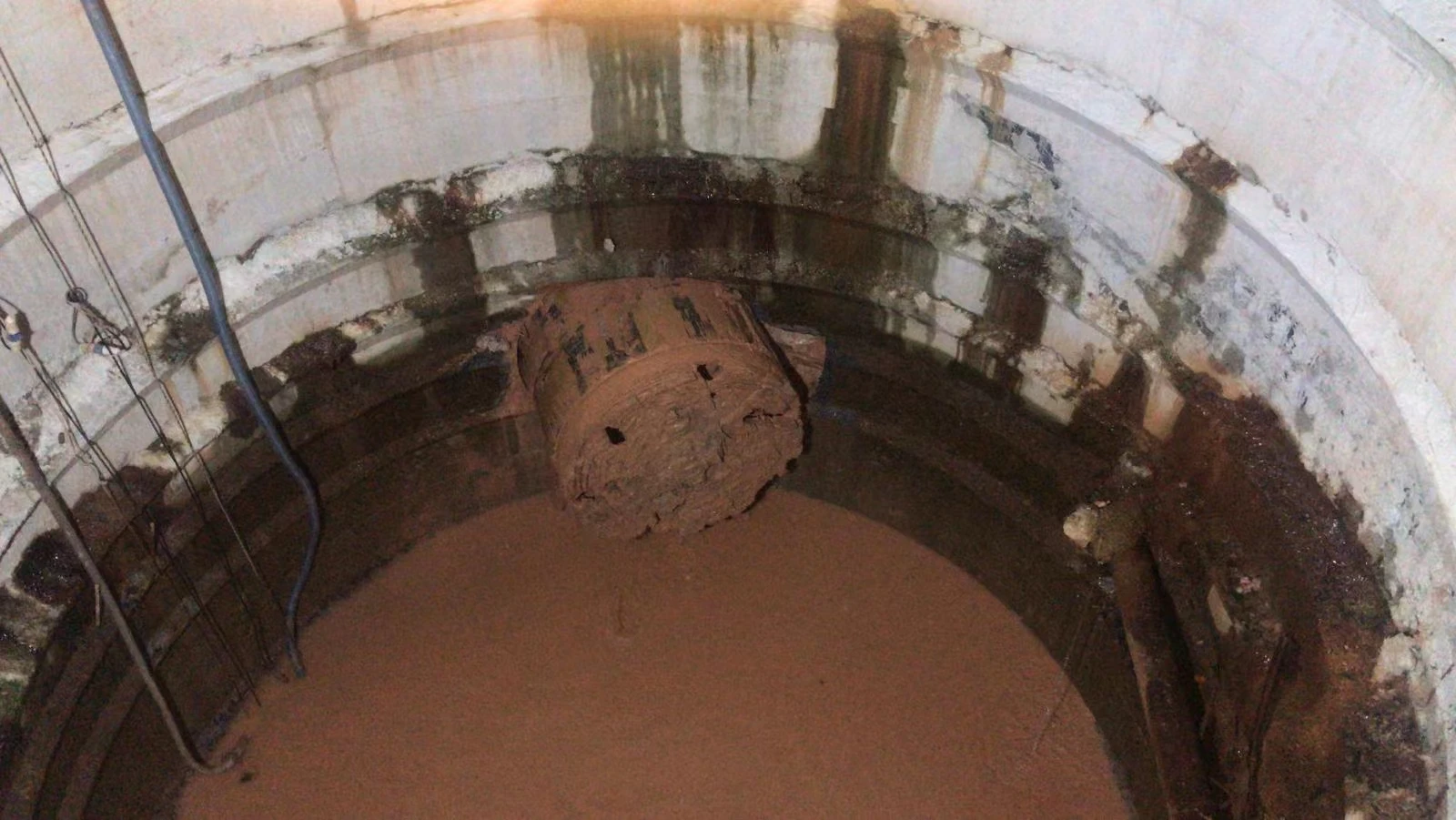
When curves amplify risk in micro tunneling line control, you encounter unique challenges. Microtunneling contractors understand that trenchless jobs require precise steering, especially when using a microtunnel boring machine. Curves complicate maintaining alignment, making the work more intricate. CEGC supports you with advanced guidance systems and these reliable tips:
-
Utilize specialized tunnel machines designed for curved drives.
-
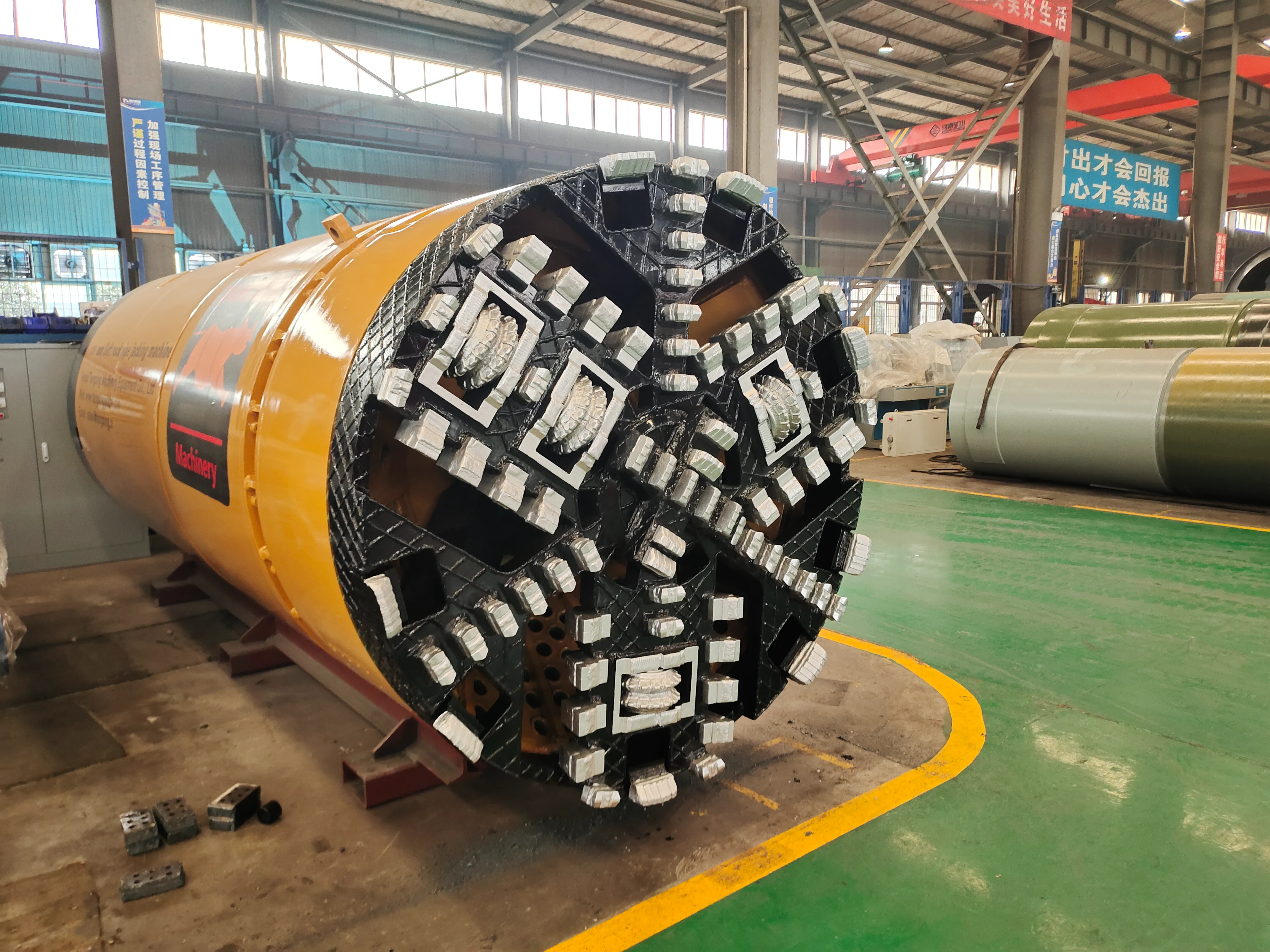
Implement mixed-ground cutter heads to adapt to varying soil conditions.
-
Employ navigation systems to ensure the tunnel remains on track.
Key Takeaways
-
Curves in microtunneling make misalignment more likely. Use special tunnel machines made for curves to keep control.
-
Use advanced guidance systems to check where your tunnel boring machine is. This stops expensive errors and keeps everyone safe.
-
Make sure your workers get good training. Skilled operators can handle changes in the ground fast, so the microtunnel stays on track and safe.
Curves Amplify Risk in Micro Tunneling Line Control
Technical Challenges
When you work with curves in microtunneling, you face special problems. Curves make it harder to keep the tunnel on the right path. The tunnel machine must follow a curve, which is tricky. You have to watch the position and direction of your microtunnel boring machine all the time.
Here are some main challenges you will face:
|
Challenge |
Description |
|---|---|
|
You need to keep the tunnel machine on the right path, especially in curves. |
|
|
Managing slurry and lubrication |
You must control these to stop problems with footing and machine work. |
|
Safe access and egress |
Workers need safe ways in and out, but this is harder in tight curves. |
|
Mechanical stresses on joints/seals |
Curves put more stress on pipe joints and seals, so you need strong engineering and good materials. |
CEGC gives you guidance systems like the SLS-RV. These show you where the tunnel machine is in real time. You can also ask for custom changes to your tunnel machine to fit your project.
Pipe Joint Deflection
Curves make risk higher in micro tunneling line control because they increase pipe joint deflection. When you push pipes through a curve, the joints can bend more than in straight lines. This can cause:
-
Axial stress, which might hurt the pipe.
-
Tensile stress, which makes failure more likely.
-
Spalling or cracks in concrete from bending.
-
Joint pull-out, which can cause leaks.
-
Harder time guessing jacking forces, so risk is harder to manage.
You should use pipes and joints made for curves to lower these risks. CEGC can make special joint designs to help you keep alignment and protect your microtunnel.
Increased Jacking Forces
Curves make risk higher in micro tunneling line control because they raise the jacking forces needed to push pipes through the curve. You might see more side forces on the pipes, which can cause damage if not watched. Eccentric loading from moving joints also makes pipe damage more likely. The friction between the pipe and soil or lubricant changes in curves, so you must check and change your plan.
A good monitoring system helps you control the stress on each pipe as you install them. CEGC’s tunnel machines have advanced monitoring and control, so you can keep your tunnel straight and lower the chance of damage.
Curved Microtunnel Risks and Mitigation
Overcut and Ground Instability
When you drive a tunnel machine through a curve, you can get overcut and ground instability. Overcut means you dig out more ground than you want. This can make the ground above or around the tunnel move or sink. If the ground is not stable, it can cause problems on the surface or even make the tunnel fall in. You need to control these risks to keep your project safe and finish on time.
You can use special engineering tools to help with these problems. The table below shows some tools and systems that can help you:
|
Evidence Description |
Functionality |
|---|---|
|
Move the tunnel machine through curves and help control ground pressure. |
|
|
Anti-roll mechanisms |
Stop the machine from rolling, especially in small tunnels. |
|
Lubrication systems |
Lower friction between the tunnel shield and the ground. |
|
Automated volume-controlled bentonite lubrication |
Manage friction and help the machine move smoothly in hard ground. |
You can see these systems working on many jobs. For example, one team used a hydraulic joint and a smart guidance system to finish a curved tunnel. They finished 30 days faster and did not break any pipes. This shows that the right tools can really help you manage risk.
Soft Soil and Water Ingress
Soft soil and water can get into your tunnel and cause problems. Water ingress means water leaks into the tunnel. This can hurt your machines and slow down your work. You need strong ways to stop water and keep the tunnel safe.
Here are some ways you can do this:
|
Method |
Description |
|---|---|
|
Use pressurized bentonite to hold back water and keep the tunnel face stable. |
|
|
Watertight Joints |
Use special joints with gaskets to stop water from leaking into the tunnel. |
|
Advanced Guidance Systems |
Keep the tunnel on the right path, which helps prevent water from finding weak spots. |
Many teams use slurry microtunneling for deep tunnels. This method works well in soft soil and under the water table. It keeps the tunnel safe and lets you work under busy roads. One team used this way for a tunnel over 60 feet deep. They finished the job with no leaks, even with lots of traffic above.
Line Control Solutions
You have to keep your curved microtunnel on the right line and grade. If you lose control, you might have to redo work or the project could fail. Good line control starts with a good guidance system and skilled workers.
You can use these solutions to help you:
-
High-density slurry pipe jacking (HDSPJ) works well for curved tunnels.
-
Face pressure control helps you manage soil movement and ground sinking.
-
Advanced guidance systems, like the TUnIS Navigation MT Gyro, keep your tunnel boring machine on track, even in tight curves.
You also need to watch the jacking force. If you push too hard, you can break the pipe. If you do not push enough, the tunnel might not stay straight. Watching face pressure and jacking force helps you stop these problems.
A real project shows how these solutions work. A team used a hydraulic joint and a smart guidance system to handle a tight curve. They finished faster and did not need extra shafts. This shows that the right tools and planning can help you succeed.
Tip: Always train your workers well. Skilled workers can change the tunnel machine quickly if the ground changes. This helps keep your microtunnel safe and on the right path.
Curves in microtunneling make things riskier. It is harder to keep the tunnel straight and the pipes working well.
-
Curved drives help you go around things and use fewer shafts, but you have to watch out for uneven pressure and how the joints are made.
-
CEGC’s special tunnel machines and guidance systems help you stay in control and keep everyone safe.
Good planning and smart tools help you stop problems before they happen.
FAQ
Why are curves risky in microtunneling?
Curves make it tough to keep the tunnel machine going straight. You have to check the alignment, pipe joints, and jacking forces all the time.
How does CEGC help with curved drives?
CEGC gives you smart guidance systems, special tunnel machine designs, and face pressure control. These tools help keep your tunnel safe and on the right path.
What tunnel machines are best for curves?
|
Machine Type |
Best Use Case |
|---|---|
|
Microtunnelling Machine |
Tight urban curves |
|
Long, gentle curves |
|
|
Auger Boring Machine |
Short, shallow curves |


