
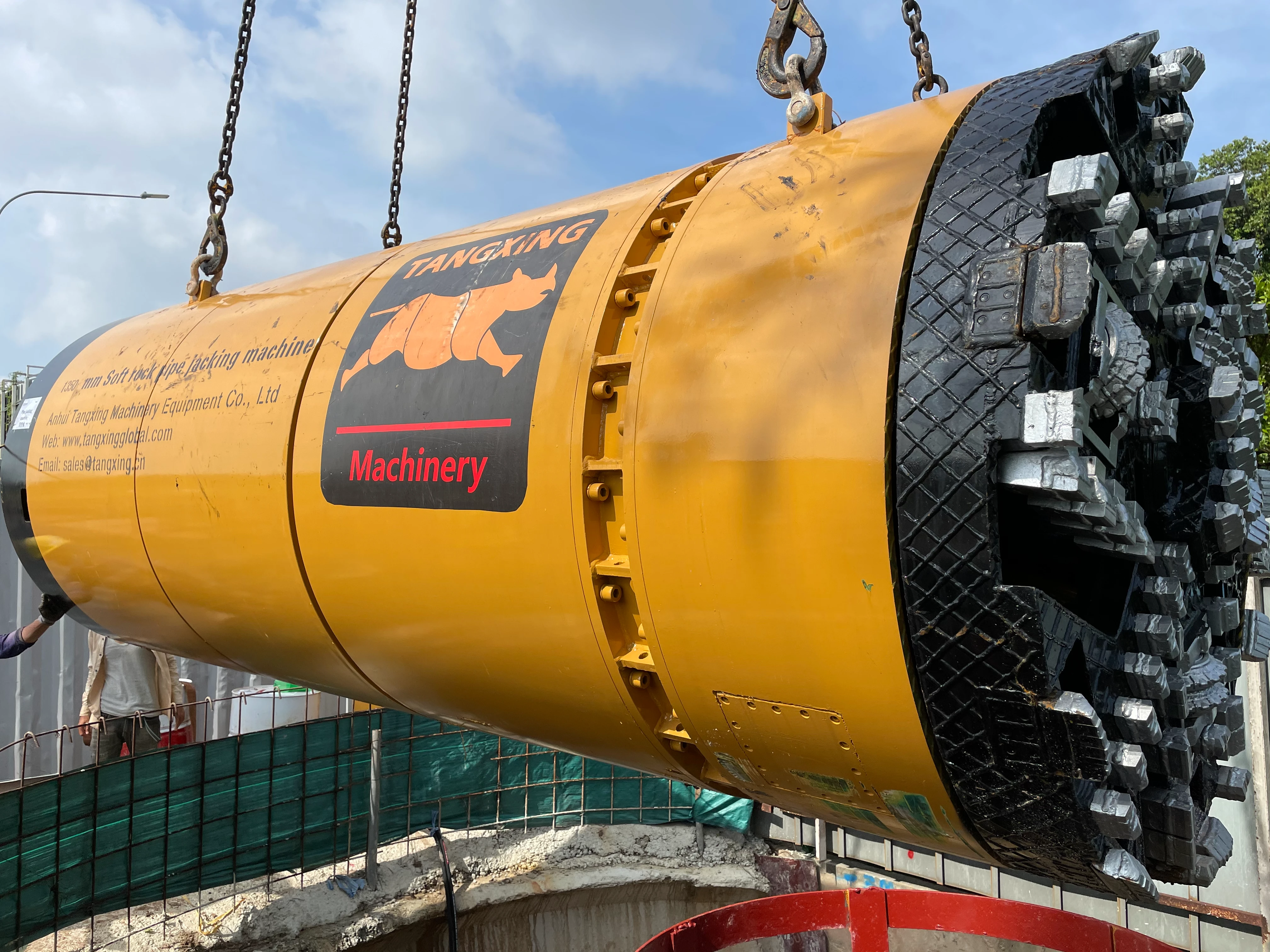
Position drift can spike jacking loads in a TBM tunnel, leading to sudden pushback and potential risks to your project. As a project manager, you understand the critical importance of maintaining precise alignment. CEGC offers both standard choices and customizable options to address these challenges effectively. Our real-time checks utilize advanced tools such as:
|
Technology |
Description |
|---|---|
|
Provides straightforward, automatic location tracking for your tunnel boring machine. |
|
|
Laser Perception |
Employs lasers and filters to detect discrepancies in machine positioning. |
|
Integrated System |
Combines both systems to identify issues across any tunnel. |
Key Takeaways
-
Position drift in tunnel boring machines can make jacking loads go up. This can put the project’s safety and schedule at risk.
-
Real-time monitoring systems help find position drift early. This lets workers fix problems fast. It helps keep the tunnel straight and jacking loads under control.
-
Using advanced guidance systems and good lubrication can lower friction a lot. This helps keep jacking loads easier to handle.
Position drift and jacking in tunnel boring machine
Causes of position drift
You may notice that position drift in a tunnel boring machine can happen for many reasons. The ground under your project can change quickly. Some of the main causes include:
-
Geological faults that shift the ground during excavation
-
Heavy water inflow that changes soil pressure
-
Major stress zones that push against the tunnel machine
-
Squeezing ground conditions that make the tunnel walls move inward
These conditions can make the tunnel boring machine lose its path. You also need to watch for mixed-face ground, fractured rock, and highly stressed rock. Each of these can cause the tunnel machine to drift off line. The tunnel boring machine interacts with the ground at every step, so even small changes can lead to drift.
The pose angles of the total station, output by the north-seeking gyroscope, are used to calculate the total station coordinate system. The north-seeking gyroscope cannot measure the dynamically changing pose, so it is used to measure the pose of the total station with little vibration. When the position of the total station is changed, its pose angles should be re-measured.
You must also consider pitch, yaw, and roll. Pitch is the up-and-down tilt of the tunnel boring machine. Yaw is the left-to-right turn. Roll is the side-to-side tilt. Vibrations from the ground or the machine itself can change these angles. When these angles shift, the tunnel boring machine can drift away from the planned path. Vibrations often come from the excavation process or from jacking points that push the machine forward.
Impact on jacking loads
When the tunnel boring machine drifts out of alignment, you will see a direct impact on jacking. Misalignment makes it harder to push the tunnel machine forward. The jacking points must work harder to keep the tunnel boring machine on track. This extra force increases jacking loads. You may notice that the jacking points need to push unevenly, which can cause more vibrations and stress on the tunnel structure.
Misalignment in tunnel boring machines can make it very hard to predict jacking forces. The ground type and the way you drive the tunnel machine both play a role. If the tunnel boring machine is not straight, the jacking points must use more force. This can lead to higher jacking loads, which puts the pipe string at risk. You may see segment cracking or even water leakage if the jacking loads get too high. These problems show that misalignment and high jacking loads go hand in hand.
Increased jacking loads can also affect the tunnel’s strength. High jacking loads can cause tensile forces below the tunnel invert. These forces can reach up to 71% of the pile’s working load. When this happens, the tunnel may move or even deform. You may need to stop work and adjust your methods, which can delay your project.
You can reduce these risks by using CEGC’s guidance and alignment solutions. CEGC offers real-time monitoring systems that help you track pitch, yaw, and roll. These systems alert you when the tunnel boring machine starts to drift. You can then adjust the jacking points to keep the tunnel machine on the right path. CEGC’s high-rigidity machine structure also helps reduce mechanical drift. This means fewer vibrations and more stable excavation. With CEGC’s support, you can keep jacking loads under control and protect your tunnel’s integrity.
Detecting and mitigating jacking load spikes
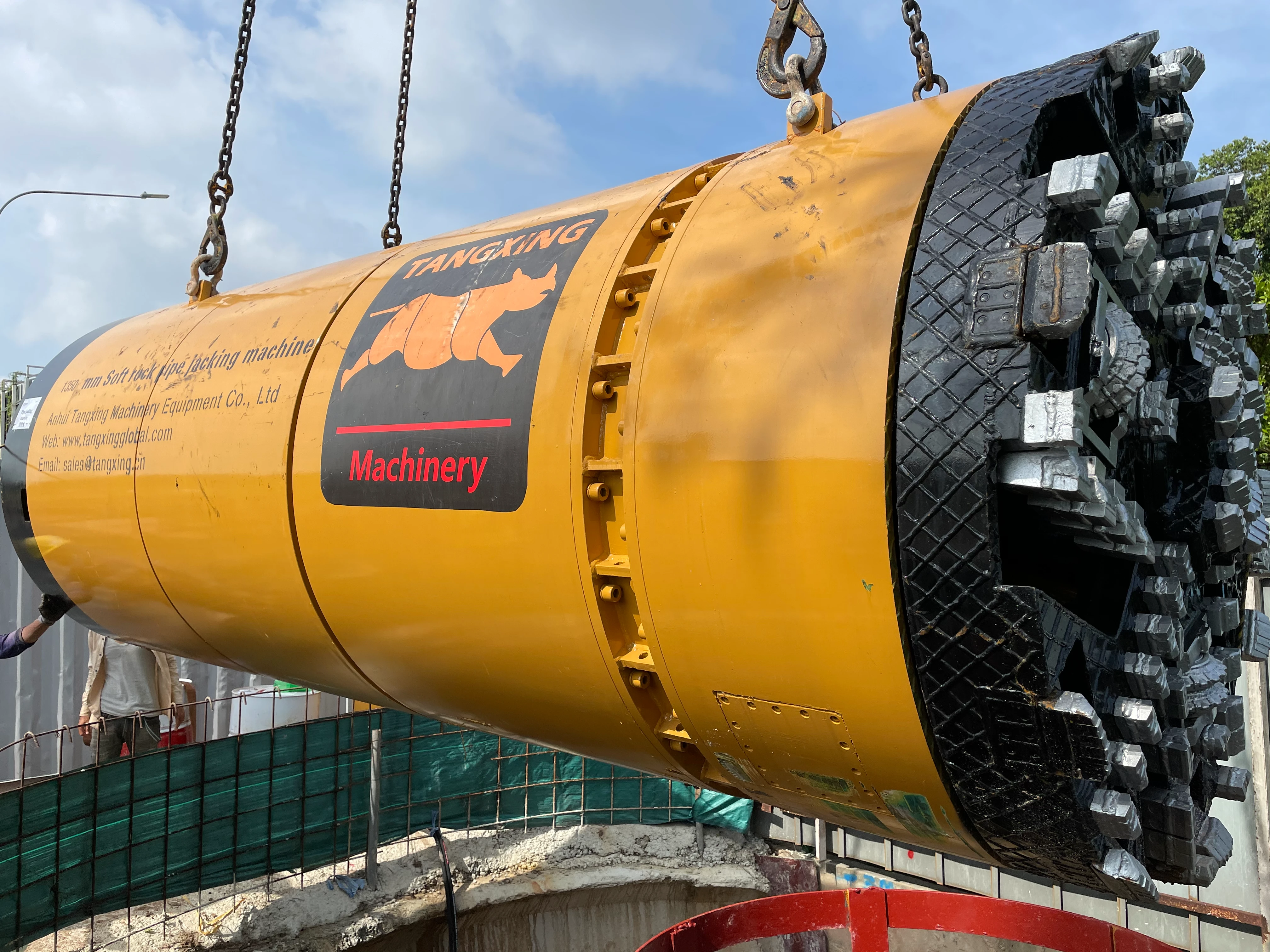
Monitoring position drift in TBM tunnels
You have to watch your tunnel boring machine very closely. Position drift can spike jacking loads in a TBM tunnel. Real-time monitoring lets you find problems early. There are different systems to track the tunnel boring machine’s position and jacking loads. Each system has good points and bad points. The table below shows how some common systems compare:
|
Monitoring System |
Strengths |
Limitations |
|---|---|---|
|
Total Stations |
Accurate measurements with optical targets |
Needs clear line of sight; not ideal for large tunnels |
|
Laser Scanning |
Measures millions of points; detailed analysis |
Needs line of sight; sometimes needs human operators |
|
MEMS Accelerometer (ShapeArray) |
Automated, low profile, fits tight spaces |
Data is relative, not absolute; not always for construction |
|
Tape Extensometers |
Portable and easy to use |
Not real-time; needs people to operate; not for live tunnels |
You want a system that gives you lots of data. The best systems let you measure as often as you want. Some systems are very accurate, up to 0.01 mm. You can set them up to watch all the time. You do not need someone to stand by and check. These systems are simple to install and do not block the tunnel boring machine or jacking work. You can use them in many tunnels, even in gold mines.
When you watch for position drift, you see how the tunnel boring machine moves. If you spot drift, you know position drift can spike jacking loads in a TBM tunnel. You can act fast and change the jacking points. This keeps the tunnel boring machine on the right path. It stops jacking loads from getting too high. You keep your tunnel safe and your project on time.
Technical solutions for jacking load control
There are many ways to control jacking loads and keep your tunnel boring machine safe. The right tools help you avoid problems when position drift can spike jacking loads in a TBM tunnel. Here are some good choices:
-
Bentonite Lubrication: You can put bentonite slurry around the pipe or tunnel lining. This makes jacking smoother by lowering friction. If you do not use enough bentonite, friction can go up by 50% to 70%. That means jacking loads will rise. Good lubrication fills the gap between the pipe and ground. It lowers the force needed for jacking and keeps the tunnel steady.
-
Guidance Systems: You can use special guidance systems to keep your tunnel boring machine on the planned path. These systems help you steer and control jacking loads. When you stay on line, you avoid extra force from position drift that can spike jacking loads in a TBM tunnel.
-
Modular Design: You can pick a modular tunnel boring machine. This lets you match the machine to your project. Modular designs give you more choices. They help you manage jacking loads by letting you split the machine for moving and building. You can avoid weak spots and keep the structure strong.
You can also use advanced jacking systems. Many tunnel boring machines use a PLC-based six-point synchronous jacking system. This system uses hydraulic controls and sensors. You get live data on pressure and movement. The system can lift with an accuracy of ±0.5 mm. It has safety locks to stop sliding if the power goes out. You can share the load across all jacking points. This keeps the tunnel boring machine moving smoothly and stops sudden spikes in jacking loads.
|
Feature |
Description |
|---|---|
|
System Type |
PLC-based six-point synchronous jacking system |
|
Control Method |
Hydraulic variable-frequency speed, closed-loop pressure and displacement |
|
Accuracy |
Synchronous lifting accuracy of ±0.5mm |
|
Components |
Valve-controlled pump, load-sharing valve, pressure and displacement sensors |
|
Safety Feature |
Leak-proof lock on jacks for safety |
|
Real-time Monitoring |
Pressure and displacement sensors for live data |
You can see that position drift can spike jacking loads in a TBM tunnel. You need the right tools and methods to keep your project safe. CEGC gives you many ways to get help and support. You can get custom equipment, expert advice, and on-site setup. CEGC also offers training and has a big supply of real parts. The table below shows what CEGC can give you:
|
Service Type |
Description |
|---|---|
|
Custom Equipment Solutions |
Tailored machines for your project |
|
Technical Consulting Services |
Help with planning, equipment, and operations |
|
On-Site Installation Services |
Factory-trained teams for setup and testing |
|
Trenchless Engineering Support |
Full support for pipe jacking and microtunnelling |
|
Training Programs |
Training for operation, maintenance, and safety |
|
Genuine Parts Inventory |
Fast delivery of high-quality parts |
You can trust CEGC to help when position drift can spike jacking loads in a TBM tunnel. With the right monitoring, technical solutions, and support, you can keep jacking loads under control. You protect your tunnel, your team, and your schedule.
You can see that position drift can make jacking loads go up in a TBM tunnel. Watching the tunnel boring machine in real time helps keep the tunnel safe. Using advanced guidance systems also helps you stay on track. CEGC’s solutions give you tools for fixing problems before they get worse. They help you work safer and make your tunnel boring machine run better.
|
Benefit |
|
|---|---|
|
Ground Condition Monitoring |
Find risks early |
|
Automation in Operations |
Steady and reliable work |
|
Guidance Systems |
Keep the tunnel safe and straight |
FAQ
What causes position drift in a tunnel boring machine?
Position drift can happen when the ground changes. Vibrations from the machine can also cause it. Sometimes, steering mistakes make the tunnel boring machine go off course. These things can move the tunnel machine away from its planned path.
How does position drift affect jacking loads?
When position drift happens, resistance goes up. You need to use more force to move the tunnel boring machine. This can make jacking loads higher. High jacking loads can hurt the tunnel.
How can CEGC help control jacking loads?
CEGC gives you tools to watch your tunnel boring machine in real time. They have special guidance systems and modular designs. These help keep the tunnel boring machine straight and jacking loads steady.


