
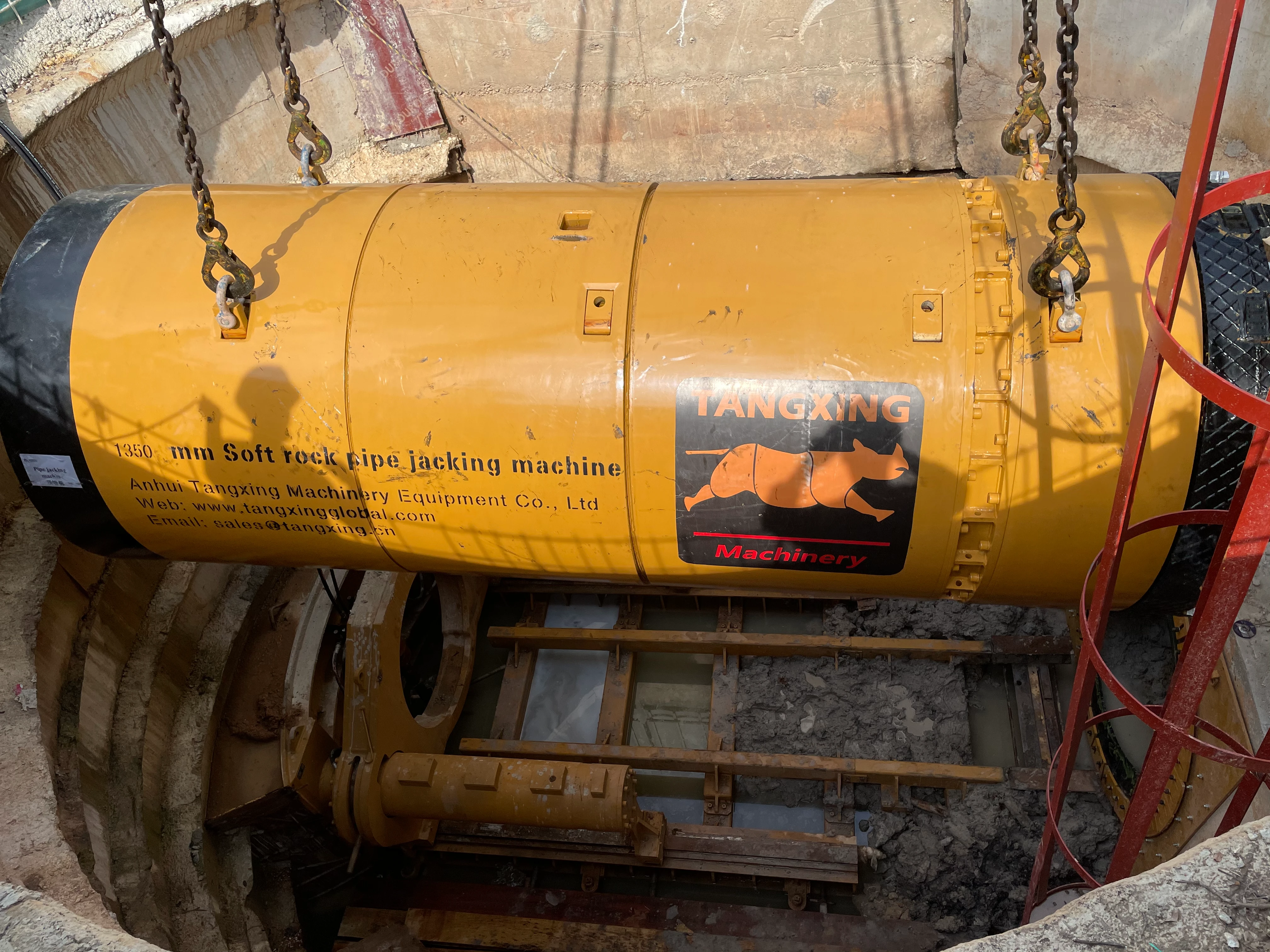
Calibration mistakes can sink micro tunneling accuracy plans. Tool calibration is crucial for ensuring precision in city projects. If tools are not calibrated properly, mistakes can occur. CEGC provides solutions for tunnel boring machines, microtunnelling machines, and auger boring machines. Properly calibrating tools helps maintain alignment and accuracy. It also prevents expensive delays, reduces risk, and keeps your project safe. By calibrating tools, you can ensure that your project stays on track and meets the required standards.
Key Takeaways
-
Always calibrate your tools when you are supposed to. If you skip calibration, you might make expensive mistakes. This can also slow down your project.
-
Use the right standards and ways to calibrate. This helps you get correct measurements. It also stops problems from happening later.
-
Write down all your calibration checks in detail. Good records help you see how things are going. They also help you find problems early.
Common Calibration Mistakes in Microtunneling
Skipping Scheduled Calibrations
Some people think skipping calibration saves time. But this is a big mistake. If you miss a calibration, your tunnel machine will not be as accurate. This can make the tunnel go the wrong way. It can also cause problems with quality, slow down the project, and cost more money. Skipping calibration can make machines break down and stop working when you do not expect it. CEGC’s guidance system helps you remember to calibrate on time and keeps your project running.
Using Incorrect Standards or Methods
Sometimes teams use the wrong rules or ways to calibrate. This is a common mistake that makes measurements wrong. If you use old or wrong steps, your tunnel boring machine might not work right. This can make the ground move or mean you have to fix things later. You need to use the right steps for calibration to stop these mistakes. CEGC’s closed-mode face support and strong machine parts help keep measurements correct.
Poor Documentation Practices
If you do not write down calibration results, you can make more mistakes. Not keeping good records is a common problem. It can make people confused and cause wrong measurements. You might forget when you last calibrated or what you changed. This can make the same mistakes happen again and cause more delays. Good records help you know when to calibrate and find problems before they get worse.
Lack of Accountability
If no one is in charge of calibration, mistakes happen more often. This is a common problem that causes wrong measurements and expensive errors. The table below shows how having clear steps and guidance systems helps people do their jobs:
|
Source |
Key Points |
|---|---|
|
Tech Forum: Microtunneling Guidance System Set-Up for Favorable Results |
Projects do better with clear calibration steps and checks. |
|
Understanding Microtunneling Guidance Systems |
Guidance systems help control line and grade. |
|
What challenges can arise during microtunneling projects? |
Regular calibration and alignment stop costly mistakes. |
You should give people clear jobs for calibration to stop mistakes. CEGC helps you set up good rules for calibration and keeps measurements right.
How Calibration Mistakes Can Sink Micro Tunneling Accuracy Plans
Alignment and Overcut Risks
You need to keep your tunnel on the right path. If you make calibration mistakes, your tunnel machine can drift off line. Even a small error in calibration can cause your TBM tunnel boring machine or microtunnelling machine to miss the target. This can lead to overcut, which means you remove more ground than planned. Overcut increases the risk of ground movement and makes it harder to install pipes or segments.
When you do not check calibration accuracy, your guidance system may give you wrong information. You might think your tunnel is straight, but it is not. This is why calibration mistakes can sink micro tunneling accuracy plans. You must check calibration before every shift and after any maintenance. If you skip these steps, you risk alignment problems that are hard to fix later.
Tip: Always use the right tools and follow the correct steps for calibration. This helps you avoid costly rework and keeps your project safe.
Ground Settlement and Claims
Urban projects have strict rules about ground movement. If you do not keep calibration accuracy, you can cause the ground above your tunnel to settle. This can damage roads, buildings, or utilities. When this happens, owners and cities may file claims against you. These claims can stop your project and cost a lot of money.
Calibration mistakes can sink micro tunneling accuracy plans by making it hard to control face pressure and ground support. If your tunnel boring machine does not have the right calibration, you cannot trust your readings. You may not see early signs of ground loss or water ingress. This puts your project at risk and can lead to big problems.
You should always record your calibration checks. Good records help you prove that you followed the rules if someone questions your work. They also help you find and fix problems before they get worse.
Productivity and Cost Impacts
Every time you make a calibration mistake, you lose time and money. Your crew may need to stop work to fix errors. You may need to redo parts of the tunnel. This slows down your schedule and increases your costs. If you want to finish on time and on budget, you must focus on calibration accuracy.
Calibration mistakes can sink micro tunneling accuracy plans by causing delays and extra work. You may need to bring in experts to solve problems that you could have avoided. You may also need to pay for new materials or repairs. These costs add up fast.
Here is a simple table to show how calibration affects your project:
|
Calibration Check |
Result |
Impact on Project |
|---|---|---|
|
Done correctly |
Accurate tunnel |
On time, on budget |
|
Skipped or wrong |
Errors and delays |
Claims, extra cost |
You can see that good calibration helps you succeed. Poor calibration puts your project at risk.
Note: Calibration mistakes can sink micro tunneling accuracy plans if you do not take them seriously. Make calibration a top priority on every job.
Accurate Calibration Best Practices
Robust Calibration Schedules
You need a good plan to keep your tunnel machine working well. Accurate calibration starts with a clear schedule. Here are some steps you should follow for the best results:
-
Calibrate your guidance system camera before you start. Always use the instructions from the manufacturer.
-
Check the inclinometers and roll sensors before starting. This helps you know where your machine is.
-
Use a theodolite to check for tilt offset and collimation. Do this before every job, especially if something bumped the equipment.
-
Run regular system checks during your project. These checks help you find mistakes early and keep your microtunnelling machine on track.
When you use these calibration steps, you make fewer mistakes. CEGC helps you by giving guidance system support and project-based help to keep you on schedule.
Qualified Providers and Tools
You should always use the right tools and work with skilled people. Accurate calibration depends on good equipment and people who know how to use it. Here are some tools you need for proper calibration:
|
Description |
|
|---|---|
|
Motorized Laser Target Unit |
Finds the horizontal and vertical position, pitch, and roll of your microtunnelling machine. |
|
Inclinometers and Roll Sensors |
Checked and calibrated to make sure they work right. |
|
Theodolite |
Used for tilt offset and collimation checks, especially after any disturbance. |
Pick providers who know how to use these tools. This helps you keep your calibration right and your tunnel boring machine working well.
Digital Tracking and Accountability
You should keep good records of every calibration. Digital tracking makes it easy to see when you last did calibration and what you changed. This helps you follow the best calibration steps and keeps everyone on your team responsible. If you use digital logs, you can find and fix problems fast. CEGC gives support for digital tracking as part of their guidance system help. Accurate calibration keeps your project safe and helps you meet all rules.
Tip: Make accurate calibration a habit. Good calibration steps save you time, money, and stress on every job.
You should always make calibration very important. Calibration helps your tunnel machine stay on the right path and stops expensive mistakes. Do not skip calibration, use wrong steps, or forget to write things down. Check your calibration steps often to make sure they are correct. CEGC helps with calibration by giving expert advice, doing calibration at your site, and helping with trenchless engineering. Here is how CEGC can help you with calibration:
|
Service Type |
Description |
|---|---|
|
Technical Consulting |
Experts help with planning, picking equipment, checking the ground, and making work better. |
|
On-site Installation |
Factory-trained workers put together equipment, calibrate it, and test how it works. |
|
Trenchless Engineering Support |
Full help for HDD, pipe jacking, and microtunneling projects so everything goes well. |
Calibration keeps your project safe. Make calibration something you do all the time. Calibration saves you time, money, and worry. Calibration helps you follow every rule. Calibration makes you feel sure about your work. Calibration helps your project do well. Calibration lowers risk. Calibration helps people trust you. Calibration is your most important tool.
FAQ
What happens if you skip calibration on your tunnel machine?
You could have alignment mistakes. This can lead to expensive fixes and slow down your project. Always follow your calibration schedule. This keeps your tunnel boring machine working right.
How often should you calibrate a microtunnelling machine?
You need to calibrate before each project starts. Calibrate again after any maintenance. Do it at set times during long jobs. This helps your measurements stay correct.
Can CEGC help with calibration for TBM and microtunnelling machines?
Yes! CEGC gives expert help, on-site calibration, and guidance system setup for your TBM tunnel boring machine and microtunnelling machine projects.


