
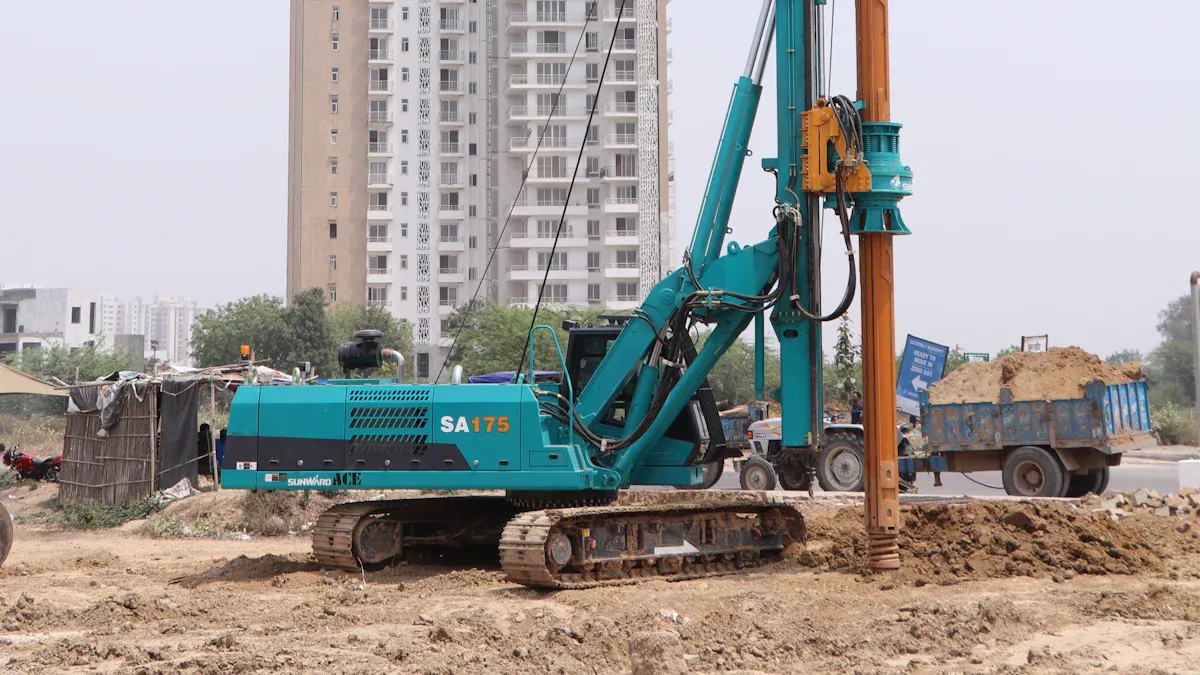
Staying steady is very important, especially for horizontal directional drilling. The Directional Bore Machine Anchor Grip Solves Issues by preventing machine movement and ensuring a straight drilling path. This tool is crucial for enhancing drilling performance, maintaining an even drilling path, and increasing pushing power, which speeds up work. This new idea from CEGC helps you achieve better results with every drilling job, solving significant problems for contractors and municipal workers alike.
Key Takeaways
-
An anchor grip holds your drilling machine steady. This stops it from moving during drilling.
-
Using an anchor grip helps you drill straight. It makes pushing and pulling easier, and improves steering.
-
Choosing the right anchor grip and installing it correctly makes your drilling safer and more efficient.
Common Directional Drilling Challenges
You face many problems. These problems can slow down your projects. They can also cost more money. Knowing these problems helps you get ready.
Machine Movement and Instability
Keeping your drilling machine steady is important. Changing direction puts stress on your equipment. This is true over long distances. Downhole drilling motors can fail. They may lack power for tough ground. Keeping the drill string strong is vital. It can snap or get stuck. This happens especially during turns. You may need new equipment. You might have to re-drill. Bit failure is a big worry. This is true when drilling through different ground. This means more materials are used. It causes delays. It makes an unstable borehole. Vibrations in the Bottom Hole Assembly (BHA) affect safety. These vibrations cause BHA failure. They cause bit wear. They also cause tooth damage.
Insufficient Thrust and Pullback Force
Sometimes, your drilling rig cannot push. It cannot pull with enough force. This means you cannot move the product pipe. The rig cannot beat the growing pressure. This happens as more pipe enters the borehole. This is true for larger pipes. If the pipe's capacity is too low, it can get damaged. It can bend forever. This hurts its long-term strength. Hydrolock can also happen. This is when fluid flow stops. It creates a hydraulic effect. This stops the pipe from moving. This impacts your overall performance.
Inconsistent Bore Paths and Steering Difficulties
Steering correctly is a big challenge. Sometimes, the toolface does not stay steady. It drifts. The bit does not turn as planned. This can be from the ground's resistance. It can also be from too much pressure. Other times, the toolface gets stuck. It will not respond to turns. This happens if the hole is tight. It also happens if mud builds up. An erratic toolface jumps. It spins fast. This makes it hard to steer steadily. This affects your performance. You might get wrong readings. These are from your sensors. This can mislead you. It tells you the wrong tool position.
Poor Drilling Fluid Management and Frac-Out Risk
Good drilling fluid management is key. Low fluid flow increases torque. Low pressure increases torque. This raises the risk of getting stuck. Losing fluid returns creates problems. A frac-out creates problems. These are environmental and cleanup problems. Spills of fracturing fluid can contaminate water. This happens during transport. It happens from storage pits. This harms human health. Most spills involve flow-back. They involve produced water. This is often from storage. Human error is the main cause. Proper drilling fluid practices are essential. They are for good performance.
Drill String Failures and Equipment Damage
Drill string failures are common. Pipes can burst. This is from too much pressure. They can also suffer from fatigue. They get cracks from repeated stress. Twist-offs happen. This is when the drill string breaks. It is often from too much torque. Parting occurs. This is from too much pulling force. This happens on a stuck pipe. Cyclic stress happens in directional wells. It causes the drill string to stretch. It causes it to compress. This reduces its life. Chemicals in the drilling mud can cause rust. Pipe sticking is another issue. You cannot free the pipe. Damaged drill pipe threads result. This is from bad drilling conditions. It is also from operator mistakes. These issues lead to costly downtime. They lead to costly repairs.
Anchor Grip's Role in HDD Stability
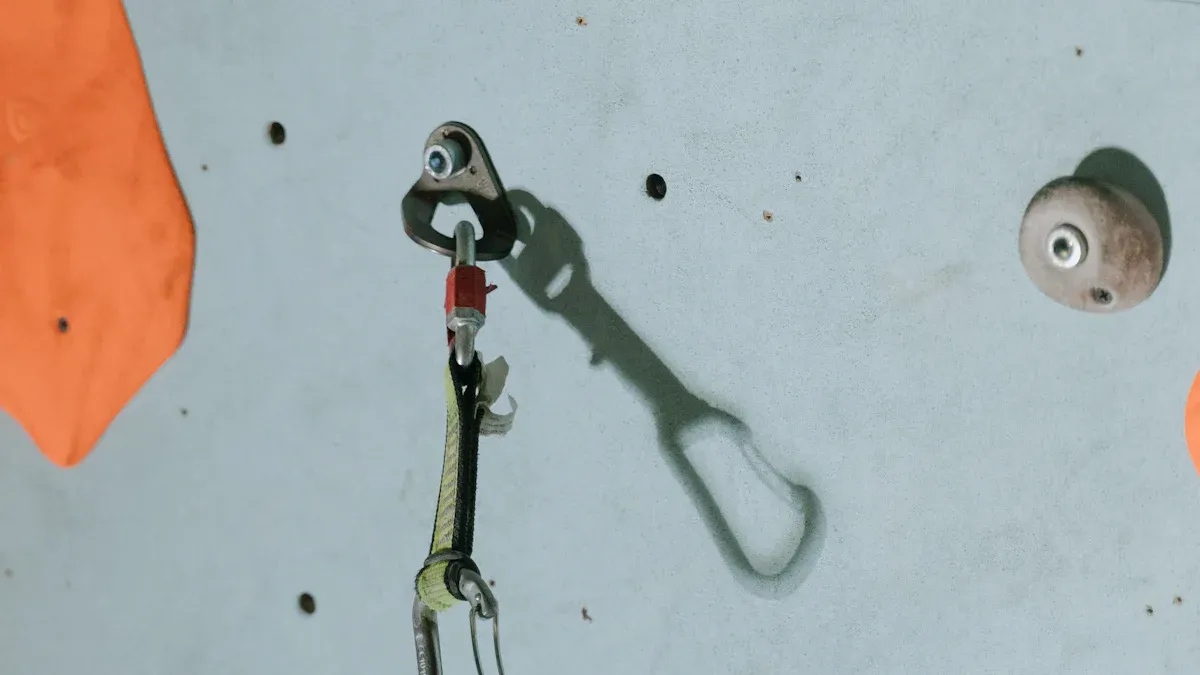
You know drilling is hard. Let's see how the directional bore machine anchor grip solves issues. This tool makes your drilling steady. It changes problems into easy work.
What is a Directional Bore Machine Anchor Grip
An anchor grip is a special system. It holds your drilling rig tight. It is like strong claws. These claws dig into the ground. They keep your machine still. This stops it from moving. It uses hydraulic cylinders. These push big anchors down. This makes a firm base. Your drilling machine works best.
Preventing Machine Movement and Walk
Machines can move. This is called "walk." It makes bores wrong. It wears out tools. The anchor grip stops this. It holds your rig firm. Your machine stays put. You can push and pull hard. The machine will not move. This stops the rig from shifting. Your drilling path stays straight. This makes drilling much better.
Boosting Thrust and Pullback Efficiency
A steady machine uses all its power. When anchored, force goes to the drill string. This makes pushing and pulling better. You can drill through hard ground. You can pull heavy pipes. This speed up work. It also saves your tools. You have fewer stops. This helps your project time. It helps your money. The anti-stall powertrain works better.
Improving Steering and Bore Path Accuracy
Good steering is key for drilling. An anchored rig is a steady base. This base helps control the drill head. You can make small changes. This keeps your drilling on track. It lowers bad bore risks. This control makes your borehole strong. It also makes the borehole steady. The directional bore machine anchor grip solves issues with steering. It helps you drill straight. This means a better borehole. It means better project results.
Using Anchor Grips Well
You can make your drilling better. Use your anchor grip right. This part gives tips. It helps you use your tools best.
Picking the Right Anchor Grip
Choose the correct anchor grip. Match it to your directional drilling rig. Match it to the ground. Different grounds need different anchors. Stiff clay holds well. Sand works with mechanical anchors. Gravel holds great. Fill dirt grips poorly. Think about how much weight it holds. How much force must it hold? How long is the job? Short jobs use lighter parts. Long jobs need strong anchors. They must not rust. Wet ground and heat affect anchors. Wet soil means less grip. It causes rust. Check the soil first. Soil tests tell you about the ground. This helps you pick the best anchor.
How to Install Anchors Right
Good setup makes your anchor grip work. Place anchors firmly. Dig them deep into the ground. This makes a steady base. A firm anchor stops machine movement. It helps avoid stuck pipe. It also lowers sudden twists. This makes your performance better. Follow the maker's guide. Do this for your directional drilling rig.
Keeping Anchors Working Well
You need to check and fix things often. This keeps your anchor grip working. Look for worn parts. Check for damage. Look at anchors or hydraulic lines. Clean parts often. This stops dirt from building up. Good care makes your tools last. It keeps drilling steady.
Fixing Anchor Grip Problems
Anchor grips can have issues. The ground might not match. A sand anchor may not work in weeds. Pick a clear spot. Guessing water depth wrong causes problems. Let out enough line. This makes the anchor angle right. Using the wrong anchor type or size causes issues. Pick the right anchor for your needs. A bad drop angle makes the anchor lie flat. Drop it slowly while moving. Sudden wind can move your rig. Reset the anchor if it drags. Anchor line problems can pull it free. Use a stretchy line. This takes up movement. Checking and fixing things often stops many problems. This helps you drill your best.
Real-World Benefits and Project Success
Reduced Downtime and Cost Savings
You save money. Projects finish faster. A steady rig breaks down less. You avoid expensive fixes. This makes work better. You do more drilling jobs. This makes your work better.
Enhanced Job Site Safety
A steady machine makes work safer. You lower risks for your team. Workers use tools with more trust. This stops accidents when drilling. Your team works in a safe place. This makes work better. You see better work results.
Successful Projects with CEGC's Horizontal Directional Drilling Machine
CEGC's machine helps you succeed. These machines are very steady. You finish hard jobs easily. This leads to better results. You work better on every job.
Optimizing Drilling Fluid Management for Compliance
Good drilling fluid management is key. A steady base helps control fluid. You stop frac-outs. This follows environmental rules. Good drilling fluid management wastes less. You keep fluid flow good. This makes drilling fluid management better. You get steady drilling fluid management. This helps with drilling fluid management. You make sure drilling fluid management is right. This helps with drilling fluid management. You get great drilling fluid management for all drilling.
The directional bore machine anchor grip fixes problems. It is key for tough horizontal drilling. You get important steadiness. This makes work better. You drill holes exactly right. Use it right. Take good care of it. This makes you do more. It keeps everyone safe. This makes projects work well.
FAQ
What is a directional bore machine anchor grip?
An anchor grip holds your drilling rig firmly in place. It uses hydraulic cylinders to push anchors into the ground. This prevents machine movement during drilling. 🛠️
Why should I use an anchor grip for my drilling project?
You use an anchor grip to ensure stability. It prevents machine walk and improves steering accuracy. This boosts thrust and pullback efficiency, making your projects more successful.
How do I select the correct anchor grip for my rig?
You choose an anchor grip based on your rig size and soil conditions. Consider the required holding force and job duration. Soil tests help you make the best decision.


