
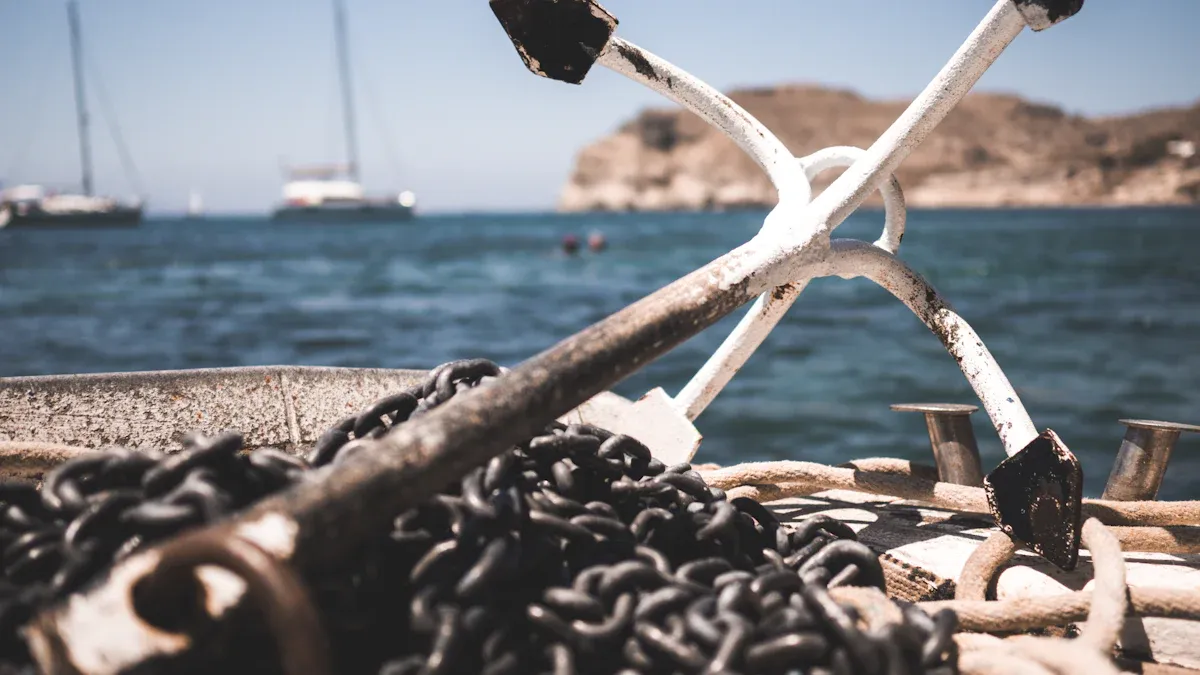
Horizontal Drill Stable Anchor Prevents Movement. These anchors are crucial for ensuring the stability of any horizontal directional drilling machine. A stable anchor prevents movement, making sure the drilling process is steady and precise. Good anchoring is key for safety and stability, lowering risks such as bore deviation, pipe sticking, and frac-out. CEGC rigs utilize these anchors, contributing to the success of every horizontal directional drilling project.
Key Takeaways
-
Horizontal drill stable anchors hold drilling machines still. They stop them from moving around. This makes drilling safe and accurate.
-
Different anchors are for different ground and drilling tasks. Picking the correct anchor stops issues like stuck pipes. It keeps the drill on target.
-
Anchors make drilling easier. Tools also last longer. They help fluids work better. They stop ground damage.
Anchor Mechanics: Preventing Movement
Horizontal drill stable anchors are important tools. They keep drilling steady. Knowing how anchors work is key. They stop unwanted movement. They handle forces. They interact with the ground. This part shows how they work well.
Counteracting Drilling Forces
Drilling makes many forces. These forces can push the drill off course. Thrust pushes forward. Torque twists things. Ground pressure also acts on the drill. A horizontal drill stable anchor stops movement. It pushes against these forces. The anchor makes a fixed spot. This spot fights the push and twist. When the anchor is close to the drill, it is more stable. This closeness helps move the drilling load. It stops the drill from moving. This resistance is very important.
Ground Engagement Principles
Anchors work with the ground. They move the drilling load. They put it into strong soil or rock. This happens in different ways. Some anchors use friction. They press on the material around them. Other anchors use bearing. They push on a solid surface. For example, self drilling anchor bolts go into the ground. They make their own hole. These self drilling anchor bolts then get bigger. Or they stick to the ground. This makes a strong link. The anchor's design makes good contact. This contact spreads the load well. Good anchoring makes things strong. This strength keeps the drill rig still.
Borehole Stability Mechanisms
Anchors help keep the borehole stable. They make sure the drill path stays straight. Anchors stop drill movement. This means fewer shakes. Less shaking means less harm to the borehole walls. This keeps the bore strong. Anchors also help stabilize the drilling system. They give a steady base. This base helps control the drill head. This control is vital for hard jobs. Self drilling anchor bolts can keep things stable for a long time. This is true in tough ground. Good anchoring helps make things stable. It keeps the borehole open and steady. This steady support helps the project succeed.
Types of Horizontal Drilling Anchors
Different anchors keep horizontal drilling steady. Each one has a special design. It works best in certain places. Knowing these anchors helps pick the right one. This choice makes sure anchoring is good. It helps the project succeed.
Mechanical Anchors
Mechanical anchors use force. They hold the drill rig. They often look like screws. Workers turn them into the ground. They get a strong grip. Some are self drilling anchor bolts. These bolts drill their own way. They go into soil or rock. They give instant strength. Mechanical anchors work in many soils. They offer steady support. They are easy to put in. They are for smaller rigs. Or for easier ground. Good material makes them strong. They can hold a lot of weight.
Hydraulic Anchors
Hydraulic anchors use fluid pressure. They get bigger and grip the ground. They are often stronger. They are more powerful than mechanical anchors. A hydraulic system pushes parts out. This makes a very strong hold. These anchors are great for heavy loads. They give strong support. Hydraulic anchors are exact. They allow careful setup. This care helps with good anchoring. They are for bigger horizontal directional drilling jobs. A good hydraulic system is key. It ensures steady work.
Expandable Anchors
Expandable anchors grow in size. This happens after they are put in. This growth makes a tight fit. It holds them in the ground. Helical ground anchors are one type. They are easy to put in. They need little digging. They make less noise. They also cause less shaking. This makes them useful. They fit in small spots. They are also easy to take out. Or to move. They do not harm the soil. These anchors are strong. They fight rust and water. They resist repeated forces. They are good against lifting. Or against side forces. This is because they go deep. They also save money and time. But their strength depends on the soil. Soil type matters. Density and wetness also matter. They may not work for very heavy things. They might also move sideways. Or move down. This can happen with wind. Or with earthquakes. More supports might be needed. This stops movement. These anchors give great support. They work in many conditions.
Specialized Anchors for Diverse Applications
Some anchors are for special jobs. These specialized anchors meet unique needs.
-
Cable Anchors: These anchors move the drilling load. They send it deep into strong ground. They use strong steel cables. Workers fix the cables into the earth. They give strong support. This helps keep the drill rig steady. Cable anchors are key for long bores. Or for deep bores. They keep the drill on track. They offer strong support. Good cable quality is vital. Its connection is also vital.
-
Tubing Anchors: These are tools for downhole. Workers put them inside the well's tubing string. Their main job is to stop the tubing. They prevent it from moving up or down. This movement can happen. It is from heat changes. Or from pump action. Tubing anchors make lift systems better. They reduce wear on parts. They stop tubing from breaking. They are best for wells. These wells go straight up and down. These anchors are in many uses. This includes oil and gas. Also mining. Water wells too. And geothermal projects. They keep the tubing steady. This steadiness is key for well work.
Anchor Choice: Best Ways to Pick
Picking the right anchor is very important. It helps your project do well. This part will help you. It shows how to pick the best anchor. This choice makes things work great.
Well Shape and State
Well conditions change anchor choice. Think about how deep the well is. Also, think about its shape. Is it straight or bent? The lift system matters too. This could be a pump. How the tubing moves is key. Heat or force can cause this. Well pressure and heat are big factors. Tubing anchors work in deep wells. They are good for bent wells. They are also good for high-pressure spots. They fit where tools cannot reach. These anchors work well. They help where the well is very bent. They help when other anchors fail.
Ground and Dirt Types
The ground tells you what anchor to use. Different dirt and rocks need different fixes. Sandy dirt might need one anchor. Hard rock needs another. For example, self drilling anchor bolts are great. They work in many ground types. They make things very strong. Cable anchors are best. They move weight deep into strong ground. They make things very steady. Knowing the ground helps. It makes sure weight moves right. This stops unwanted movement.
Work Weight and Outside Forces
Anchors must hold up to many forces. These include push and twist from drilling. Ground pressure also adds weight. Outside things like heat and pressure. They change how anchors work. Picking anchors for heavy work is key. This makes sure the anchor can handle all forces. Good choices make things steady for a long time. This stops any movement during important work.
Works with Drill Machine
The anchor must work with your drill. Special drills handle strong twists. They give steady push. They also let you drill at angles. These drills come on different bases. Tracked or wheeled bases are common. Hydraulic systems give steady spin. New systems use auto controls. These control spin speed and push. Drill rods and bits must handle strong twists. They also face rough dirt. Self drilling anchor bolts need certain drill skills. The drill must fit bolt sizes (38mm-114mm). It must fit lengths (1-6m). Ask makers for drill ideas. Try them out on site. Check drill speed and install quality. Anchor drill chairs give support. They keep things straight. They fight back forces. This makes sure things are strong.
Anchors in Action: Solving Drilling Challenges
Anchors fix many drilling problems. They make drilling easier. They also make it safer. This part shows how anchors help. They fix common issues.
Precision Guidance and Borehole Accuracy
Anchors help drill exactly. They stop the drill from moving off course. This stops mistakes. It is key for roads or rivers. Cable anchors make things strong. They keep the drill path straight. This gives good results. Anchors keep the drill on target.
Mitigating Stuck Pipe and Torque Spikes
Anchors work with special engines. This stops pipes from getting stuck. It also stops sudden twists. Twists can harm tools. A steady drill load helps. Good anchors make more work possible. This means steady work.
Enhancing Tooling Durability and Reducing Wear
Anchors make twisting smooth. This stops tools from shaking. It stops them from wearing out fast. Less wear saves money. Tools also last longer. Self drilling anchor bolts make things steady. This makes tools work better. Tools work better and longer.
Optimizing Fluid Performance and Frac-Out Prevention
Steady drilling is important. Anchors give this support. They help fluids work right. This stops frac-out. It keeps the bore steady. A steady load helps fluid flow. Self drilling anchor bolts help here. Cable anchors also help. This steadiness is key. An anchor stops movement. This makes the process better. It gives good results.
CEGC's Role in Advanced Anchoring Solutions
CEGC helps make better anchors. These anchors are for horizontal drilling. Our tech makes anchors work better. We want steady drilling. This part shows how CEGC helps. It makes anchors better.
Integrated Stability Systems for CEGC Drill Rigs
CEGC makes drill rigs. They have strong frames. They also have straight parts. This stops shaking when drilling. It keeps the drill still. Our systems work with many anchors. This makes anchors work best. It makes drilling very steady. This means the rig is very stable. We build strong parts. This helps drilling stay true.
Advanced Control for Anchor Deployment
CEGC rigs place anchors well. Workers can put anchors exactly. Our systems watch anchor forces. This happens right away. We can change things fast. This makes anchors work better. It makes the drill steady. This gives good results. Placing anchors right is key.
Customization for Specific Project Applications
CEGC knows projects are different. We change things for special jobs. Our solutions fit different ground. They fit different bore sizes. This makes each job steady. We give good solutions. They fit what you need. We watch anchors work. This shows they perform well. Our strong anchors help with hard drilling.
A horizontal drill stable anchor prevents movement. It is key for good horizontal directional drilling. These anchors make projects steady. Knowing about anchors helps. It helps to know how to use them. Picking the right anchoring makes drilling better. It makes it safer. This helps reach project goals. It gives long-term stabilization. It also gives structural stabilization. New anchor tech will change the future.
FAQ
What are horizontal drilling anchors?
Horizontal drilling anchors are tools. They keep the drill rig steady. They stop unwanted movement. This helps drilling stay on track.
Why are anchors important for drilling?
Anchors prevent the drill from moving. This makes drilling precise. Good anchors help avoid problems like stuck pipes. They keep the project safe.
How do anchors help prevent frac-out?
Stable drilling helps fluid flow well. Anchors provide this stability. This reduces the risk of frac-out. They keep the bore strong.


