
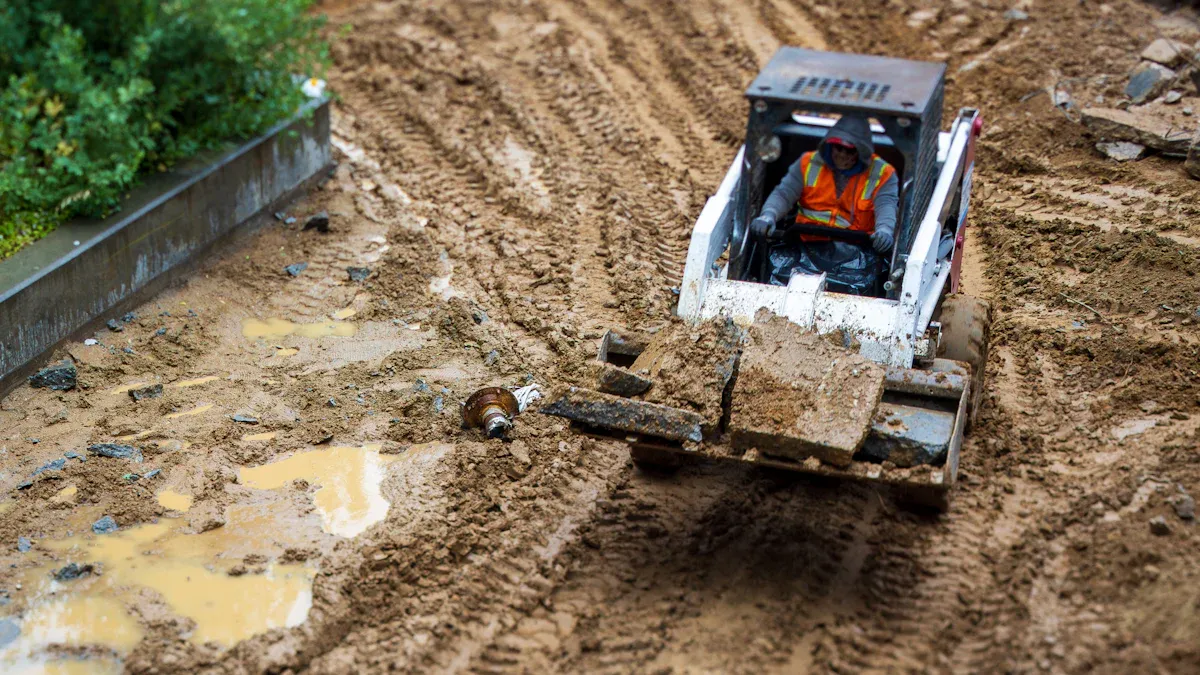
Operating large horizontal directional drilling machines on soft ground presents significant challenges. The HDD equipment can slip, leading to serious safety hazards and costly project delays. Your horizontal directional drilling machine could even suffer damage. This article will guide you in selecting effective anti-slip mats specifically designed for your drilling rig. The right mats provide stability, which is crucial for precise steering of the directional drilling machine and ensuring overall project success. The CEGC drilling machine performs even better with the addition of quality HDD Equipment Anti Slip Handles Soft Ground.
Key Takeaways
-
Soft ground makes HDD equipment slip, which causes safety risks and project delays.
-
Good anti-slip mats spread weight, have strong grip, and are made of durable materials like composite or HDPE.
-
Choose mats based on your equipment's weight, ground conditions, and how often you will use them.
Why HDD Equipment Slips on Soft Ground
Pressures and Movements of HDD Rigs
Your drilling rig makes big forces. It pushes and pulls the drill string. This uses strong thrust and torque. The machine also shakes when it works. These moves put stress on the ground. This is right under your equipment. If the soil is weak, your rig can move. It can slide easily. This makes drilling less steady.
Soft Ground Characteristics and Stability
Soft ground is not strong enough. It cannot hold heavy machines. Different soils hold weight differently. Look at these soil strengths:
|
Soil Type |
Bearing Capacity (kPa) |
|---|---|
|
Medium silty clay |
70–90 |
|
Medium dense to dense fine-grained sand |
100–130 |
If the ground is weak, your equipment sinks. Or it slides. This makes steady work impossible. Some things can make soil better. For example, sodium silicate helps sand. It makes sand grains stick together more. This makes the soil harder and stronger.
Consequences of Equipment Slippage
Slipping equipment causes many problems. It can make the drill go off course. Your drill path will not be straight. This means extra work and delays. Slipping can also harm your drilling machine. Most important, it is dangerous for your workers. Keeping things steady with good HDD Equipment Anti Slip Handles Soft Ground is key. It makes work safe and good.
Good Anti-Slip Mats Have Key Features
Picking the right mats for your drill is important. You need to know what makes them good. These features help keep things steady. They also keep things safe on soft ground.
Mat Material and How Long It Lasts
What your mat is made of matters. It affects how well it works. It also affects how long it lasts. Rubber mats grip well. They can handle different weather. They last a long time. They are easy to clean. But rubber mats can be heavy. They might smell at first. Polyethylene (PE) mats are stiffer. They are made from strong plastic. They last a long time. They don't get hurt by the sun. You can recycle them. They also resist chemicals. PE mats are not as bendy. They feel harder to stand on. You need strong materials. They must handle tough work.
Grip and Surface Look
Good mats have designs that grip. They grip the ground. They also grip your equipment. A rough pattern is key. This is for heavy machines. Your drill is a heavy machine. Some mats have two lines. They are set at angles. This stops machines from spinning. This is true in wet or slick places. A strong diamond pattern also grips well. This is for big trucks. It is also for building machines. These designs keep your drill in place.
Spreading Weight for Steadiness
Anti-slip mats must spread out the weight. Your drilling rig is heavy. This stops it from sinking. It stops it from sinking into soft ground. Rubber mats spread weight evenly. This keeps the ground from getting messed up. It stops deep ruts from forming. Rig mats are made for tough jobs. They are for heavy industries. They spread very heavy weight. They stay flat and safe. Swamp mats also make a steady surface. They stop vehicles from sinking. They also keep the ground from getting messed up. Spreading weight well is important. It makes your equipment steady.
Types of Anti-Slip Mats for HDD on Soft Ground
You need to know about different anti-slip mats. Each type works best for certain jobs. Choosing the right mat helps your horizontal directional drilling machine stay safe and steady.
Heavy-Duty Ground Protection Mats
Heavy-duty ground mats are very strong. You use them for big equipment. They are for tough conditions. These mats are best for strong, quality hardwood. They support the heaviest machines. This includes drilling platforms. You can use them as structural supports. They help build bridges. These bridges go over gullies, streams, and uneven ground.
These mats handle demanding loads. They support extreme ground pressure. Machines like cranes need them. Excavators, boom trucks, and drilling equipment also need them. A heavy-duty mat (13.1’ × 6.5’) weighs 793 lbs. It supports heavy tracked and wheeled equipment. This includes excavators and bucket trucks. Cranes, large utility vehicles, and drilling equipment also use them. These mats keep their shape. They stay strong under extreme weight. They reduce bending. They stop mat failure.
You should use heavy-duty mats when:
-
You operate cranes, excavators, or boom trucks.
-
You use outriggers or stabilizers.
-
The soil is wet or unstable. It might have deep ruts.
-
Your job needs months of repeated use.
-
You need mats for extreme point loads. They are for heavy industrial work.
These mats give thick, stiff support. They are for the heaviest equipment. MaxiTrack mats offer different weight capacities. They can hold up to 10 tons. Some hold 80 tons. Others hold 120 tons, 130 tons, or even 400 tons.
Composite and HDPE Mats
Composite mats offer a good balance. They are strong. But you can move them easily. They do not rot. They do not absorb water. They do not splinter. These mats offer better load-bearing capacity. They come in exact, engineered sizes. They are lighter. They are easier to handle. You can reuse them for many projects.
Composite swamp mats create a low-impact barrier. They go between heavy equipment and the ground. They reduce soil compaction. They disturb plants less. They prevent erosion. These features help you meet environmental plans. They make compliance easier for contractors.
Composite swamp mats offer:
-
High load-bearing strength.
-
Resistance to bending and breaking.
-
A surface designed for good grip.
-
Reliable performance in all weather. This includes wet, dry, hot, or cold.
They are great for tasks like:
-
Hauling pipe sections.
-
Trenching and backfilling.
-
Horizontal directional drilling (HDD).
-
Setting up material staging areas.
-
Making stable crane pads.
Composite mats are lighter than wood mats. This means easier transport. You need fewer trucks. You need less labor. Their interlocking features help you build temporary roads fast. They also help build platforms fast. This reduces installation time. Faster installation means:
-
Lower labor costs.
-
Less equipment idle time.
-
Quicker access to remote areas.
-
More flexible scheduling around weather.
Composite mats are better than wood or steel. This is especially true for HDPE mats. They resist warping. They resist cracking. They resist moisture absorption. They last for hundreds of uses. This durability is key for contractors.
Composite mats work well in tough conditions. They resist water, mud, and chemicals. Unlike wood mats, they do not rot. They do not warp or splinter. This is true even in wet areas. They give consistent performance.
You can find composite mats in different thicknesses. They have various setups. They offer different load capacities. They are still lighter than wood options. They spread the weight of heavy machines well. This prevents damage to equipment. It also prevents damage to the ground. They form reliable temporary roads. Vehicles do not sink into soft ground.
Composite mats often have anti-slip tread patterns. These patterns work well. They work even after many uses. They work after many cleanings. They offer better grip. They offer better stability. This reduces the risk of accidents. Their interlocking design keeps the mats in place. They give continuous support on challenging ground.
Being lighter and easier to stack, composite mats are good for quick setup. They can handle repeated use. This makes them cost-effective for contractors. They offer strength. They are reusable. They protect the environment. Traditional materials cannot match this.
Composite mats do not absorb water. They do not break down like wood. They keep a consistent shape. This is true across projects. This stability reduces deep ruts. It prevents exposed roots. It prevents bare soil. These can cause erosion. They protect areas. They reduce soil compaction. They keep natural drainage patterns. This lowers environmental risk. It lowers costs over time.
HDPE mats are very durable. They can bend under stress. This helps them avoid cracking. They do not absorb water. They do not rot. They work well in wet conditions. They work well in muddy conditions. They will not warp. They will not rot. They will not crack. They will not delaminate. They do not absorb water. They do not absorb pollutants. This ensures steady performance. AlturnaMATS® are HDPE mats. They can support loads up to 120 tons. This capacity depends on the ground. These mats are flexible. They follow uneven ground. They provide an effective access solution. This HDD Equipment Anti Slip Handles Soft Ground solution is very reliable.
Rubber and Interlocking Systems
Rubber traction mats are good for specific grip. They also reduce vibrations. They offer extra cushioning. You can use them where you need localized stability.
Interlocking mat systems connect together. They create one continuous platform. This platform is stable. This is useful for large areas. It gives your directional drilling machine a solid base. These systems, like VersaMATS, have a flat surface. It is slip-resistant. They ensure your equipment stays put.
Choosing Anti-Slip Mats for HDD Equipment on Soft Ground
You need to pick the right anti-slip mats for your horizontal directional drilling machine. This choice makes a big difference. It affects safety and how well your project goes. You must think about several things before you buy.
Matching Mat to Equipment and Load
First, you must know your equipment's weight. Your directional drilling machine is heavy. Each mat has a limit for how much weight it can hold. You must choose mats that can support your rig. Look at the mat's load capacity. It must be higher than your equipment's weight. Also, consider the footprint of your rig. This is how much space it takes up on the ground. You need mats that cover enough area. This spreads the weight evenly. It stops your rig from sinking.
Ground Conditions and Mat Suitability
Next, you must look at the ground where you will work. Is it muddy? Is it sandy? Is it very uneven? Different ground types need different mats.
-
Muddy Ground: You need mats with aggressive treads. These mats give good grip in slick conditions. They also help prevent the mat from sliding.
-
Sandy Ground: Mats that spread weight widely work best here. They stop your equipment from digging into the sand.
-
Uneven Terrain: Flexible mats can conform to the ground. This creates a more stable surface. Rigid mats might create gaps. These gaps can cause instability.
You must choose mats that fit the specific challenges of your job site.
Cost, Longevity, and Transport
You should also think about how often you will use the mats. Will you move them often? Or will they stay in one place for a long time?
-
Portability: If you move mats a lot, choose lighter options. Composite or HDPE mats are often easier to transport. They save time and labor.
-
Permanent Solutions: For long-term sites, heavier, more durable mats might be better. They offer maximum stability.
Consider your budget. Think about the initial cost of the mats. Also, think about how long they will last. Good mats are an investment. They can last for many years. For example, AlturnaMats Ground Protection Mats are very strong. They are made from recycled polyethylene. They come with a lifetime warranty. You can easily clean them with a hose. These mats can support loads up to 120 tons.
The lifespan of mats varies by type. Proper care makes them last longer.
|
Mat Type |
Lifespan (approx.) |
|---|---|
|
Blended Sponge |
3-5 years |
|
100% PVC Sponge |
6-12 months |
|
Molded Rubber |
1-3 years |
|
Molded Urethane |
Over 5 years |
Molded rubber mats usually last 1 to 3 years. How long they last depends on the weather. It also depends on how often you clean them. Regular cleaning and good storage extend their life. This makes your investment in HDD Equipment Anti Slip Handles Soft Ground more valuable over time.
Using and Caring for Anti-Slip Mats
You must use your anti-slip mats right. Good care helps them last. It keeps your work area safe.
How to Place and Secure Mats
Place mats under your directional drilling machine. Put them carefully. Make sure they cover the whole area. This spreads the weight out. Many mats link together. Connect them tightly. This makes a steady surface. It stops mats from moving. A secure mat system stops your Trenchless Drilling Rig from slipping. This is key for good steering.
Checking and Cleaning Mats
Always check your mats. Do this before and after use. Look for cracks or damage. Broken mats might not hold weight. They can be unsafe. You must clean your mats often. Use a hose and a brush. Remove mud and dirt. Clean mats grip best. They also last longer. Cleaning stops dirt from building up. This dirt can make them less grippy.
Safe Use and Storage
Safety comes first. Lift and move mats with care. They can be heavy. Use good lifting ways or tools. This stops injuries. When done, store your mats well. Stack them neatly. This stops trips. It also keeps mats safe. Good storage makes them last. It makes them ready for your next horizontal directional drilling project. 👷♂️
You must pick the right anti-slip mats. They are for your drilling machine. This keeps everyone safe. It saves time. It also protects your equipment. Choose good mats. Make sure they fit. Use them correctly. This helps your drilling projects. It helps with steering. It also helps your engine. ✅
FAQ
How do I know which mat is right for my rig?
You must match the mat's load capacity to your rig's weight. Consider your equipment's footprint. This ensures proper weight distribution.
Can I use these mats on all types of soft ground?
Yes, but choose wisely. Aggressive treads work for mud. Wide mats help on sand. Flexible mats suit uneven ground.
How long do anti-slip mats usually last?
Lifespan varies. Molded rubber mats last 1-3 years. Molded urethane mats can last over 5 years. Proper care extends their life.
Tip: Always check the manufacturer's warranty for specific lifespan expectations.


