
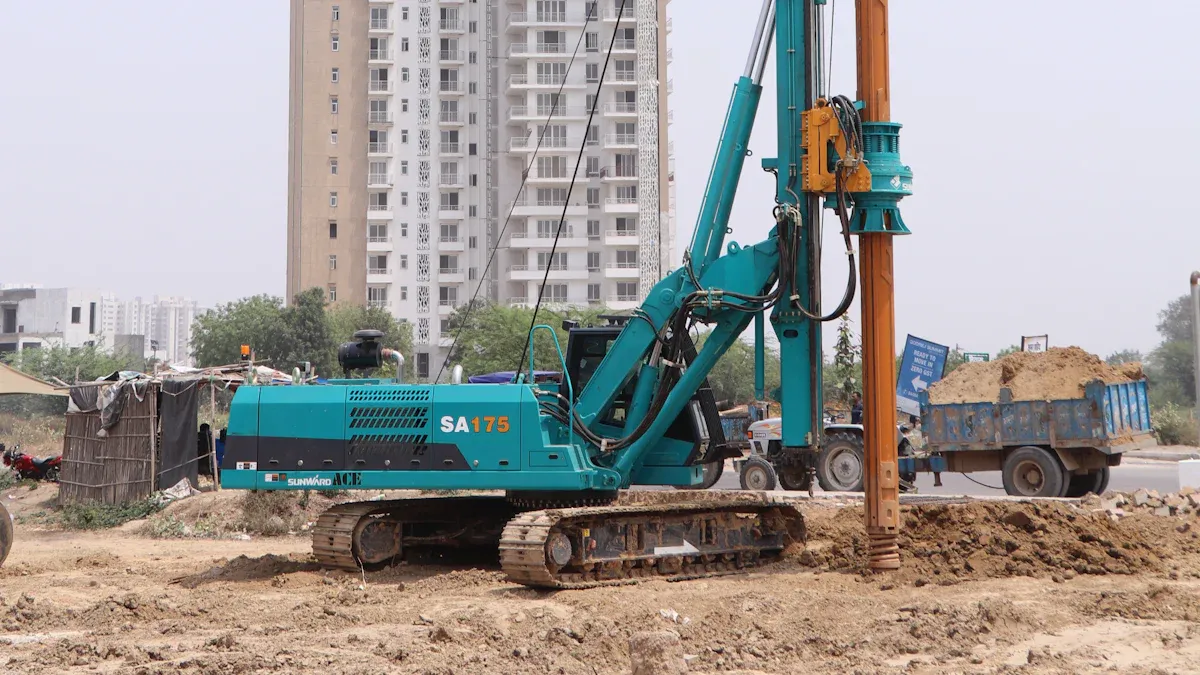
A directional drill machine 0.05° guide stops misses. It makes drilling much better. This saves money. It also prevents delays. Drill misses are a big problem. Good guidance systems fix this. Being exact is very important. This is true for modern horizontal directional drilling projects. The CEGC horizontal directional drilling machine has these systems. They make it very accurate.
Key Takeaways
-
Directional drill misses cost a lot of money and cause delays. They also hurt a company's good name and create safety risks.
-
The 0.05° guide system makes drilling very exact. It uses special sensors and real-time data to keep the drill on track.
-
Miss-free drilling needs good planning, skilled workers, and the right equipment. This helps projects finish faster and cost less.
The Costly Reality of Directional Drill Misses
Directional drill misses cause big problems. These errors are more than small issues. They hurt money, time, and safety. They also harm a company's good name. Companies need to know these dangers.
Financial Impact: Rework, Waste, Penalties
Drill misses make projects cost more. Workers often have to drill again. This means more work hours. They also use more materials. This creates waste. Delays can also lead to fines. These costs cut into profits. They can even make a job lose money.
Operational Delays: Project Timelines, Downtime
Misses cause big delays. Projects get behind schedule. This happens when workers fix mistakes. Equipment sits unused during this time. Workers also wait. They could be doing other jobs. These delays mess up the whole project. They push back when things finish. This affects later steps.
Reputational Damage: Client Trust, Future Contracts
A company's good name gets hurt. This happens with many drill misses. Clients stop trusting the company. They doubt its accuracy. This can stop new jobs. Errors make companies less desired. A good name helps a company last.
Safety Concerns: Utility Strikes, Environmental Risks
Safety is a big worry. This comes with drill misses. Wrong drilling can hit utilities. This puts people in danger. Hitting a gas line can cause fires. Gas can build up. It can ignite from sparks. Touching power lines can shock people. Workers must miss all lines. This includes electric, gas, and water. A hit causes delays. It can also cause bad injuries. Protecting nature is key. Misses can harm nature. They can also cause spills.
Understanding Directional Drill Accuracy Challenges
Drilling a straight path is hard. Many things change the drill's path. This often makes the drill go off course.
Factors Impacting Directional Drill Accuracy
Ground conditions change drilling. We need to study the ground. This helps us know what is there. Hard ground makes drilling tough. This includes rocks and big stones. Strong rock is also a problem. Soil changes need new drill bits. We also need different liquids. The hole can also become weak. The sides of the hole can break. This happens in weak ground. Loose sand can fall apart. Pressure in the hole can cause breaks. Liquids can also weaken the ground.
Limitations of Traditional Guidance Systems
Old guidance systems have problems. They are not always exact. Magnetic systems get confused. They cannot tell magnets apart. This causes big mistakes. This is worse far away. These old ways do not work well. They are not good for underwater drilling.
Why Precision Matters in Complex Horizontal Directional Drilling
Being exact is very important. This is true for hard drilling jobs. These jobs cross important things. They cross roads and rivers. They also cross pipes and wires. Hitting the right spot is a must. Small mistakes cause big trouble. They lead to costly fixes. They also cause safety dangers.
Addressing Bore Deviation and Crossing Failure
Drills going off course is a problem. Missing the target is also a problem. This happens when drilling is not exact. New guidance systems help fix this. They keep the drill on track. This helps workers hit the target. They can be sure of it. It means less depends on the worker's skill.
The 0.05° Guide: A Game Changer for Directional Drill Accuracy
The 0.05° guide is a big step forward. It helps with horizontal directional drilling. This technology changes how operators drill exactly. It fixes problems. These include drills going off course. It also stops missing targets. This system makes sure. A directional drill machine 0.05° guide stops misses.
Understanding 0.05° Guide Technology
The 0.05° guide is not a simple tool. It is a huge jump. It makes drilling very exact. This technology uses special sensors. These sensors watch the drill. They see its exact spot. They also see its direction. They use gyroscopic, magnetic, or inertial navigation. These systems work together. They give very good data. This data tells the operator. It shows where the drill head is. This was not possible before.
Mechanisms for Unprecedented Precision
This guide system is very exact. It gets data from the drill head. This data is real-time. It includes pitch, roll, and azimuth. The system then predicts the drill's path. It can see problems before they happen. It makes changes automatically. The system can make small fixes. This keeps the drill on track. This constant checking makes it very accurate. It guides the drill to its target.
Key Features and Benefits of 0.05° Guidance
The 0.05° guidance system has many good points. It greatly lowers human mistakes. Operators get clear data. This helps them make good choices. Project results get much better. Drills hit their target more often. This means less extra work. It also means fewer delays. The system works with other tracking systems. This gives a full view of drilling. A strong tracking device gets updates. It gets them from the guide in real-time. This makes project management better. This exact technology makes sure. A directional drill machine 0.05° guide stops misses.
CEGC's Precision Guidance and Stability System
CEGC has a top guidance system. It is very exact. This system makes sure. It has market-benchmark accuracy. It uses special ways. It keeps the drill path straight. The system finds local features. It also uses attention-based enhancement. This uses an attention-based graph neural network (AGNN). This network understands context. It sees it within data clouds. It also sees it between them.
The CEGC system is also good. It predicts overlaps. It uses a Hybrid Overlap Confidence Estimation (HOCE) module. This module mixes semantic descriptors. It also uses geometric similarities. This helps find overlapping areas. It finds them correctly. It removes points that do not overlap. This makes data processing faster.
Matching context is another strong point. The system uses a Context-Aware Matching Strategy (CAMS). This strategy uses global reasoning. It figures out soft confidence scores. These are for point correspondences. Global attention then makes these scores better. For transformation estimation, it uses a solver. It is a confidence-weighted SVD solver. This solver estimates rigid transformations. It uses confidence scores from CAMS. This guides its math.
Also, the CEGC operator can remove outliers. It uses an exponential kernel. This helps it work in noisy places. The CEGC operator is also proven to be bounded. This makes sure the method works well. It helps with direction of arrival (DOA) estimation. This full approach means great accuracy. It makes CEGC's system reliable. It is a reliable tracking device. It is for hard drilling projects.
Achieving Miss-Free Drilling with 0.05° Guidance
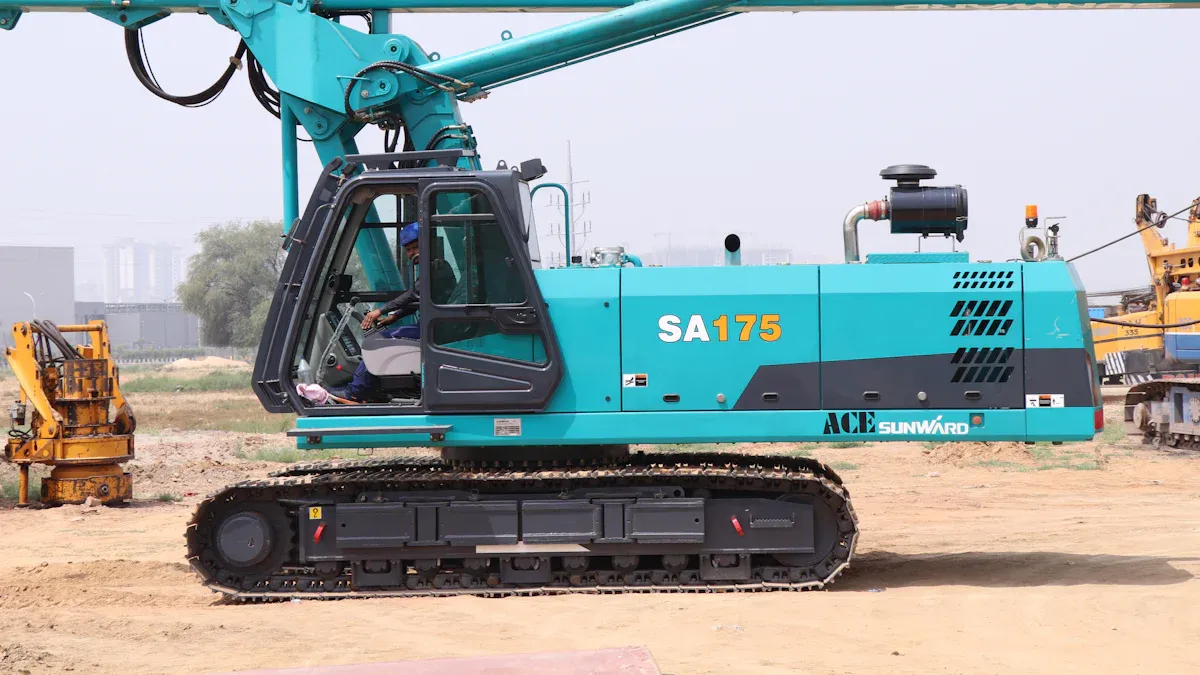
Drilling without mistakes needs more than just new tech. It needs a full plan. This plan includes good setup. It needs skilled workers. It needs careful planning. It needs exact tools. A directional drill machine 0.05° guide stops misses. This happens when teams follow these steps.
Integrating 0.05° Guidance with Your Drill Rig
Putting a 0.05° guidance system into a horizontal directional drilling machine is key. This makes sure the system works well. It works with the drill rig. Workers connect the guide system. They connect it to the drill's controls. This lets data flow fast. The system gives instant feedback. It shows the drill head's spot. It shows its path. This helps workers make quick changes. It keeps the drill on its path. Good setup makes the guide work best. It helps hit the target every time.
Operator Training and Skill for Optimal Accuracy
Even the best guide system needs good workers. Full training helps workers. They learn about the 0.05° guide. They learn what it can do. This training helps them read data. It teaches them to act on alerts. Good training covers many areas:
-
Functionality and Controls: Workers learn how the guide works. They learn all its buttons.
-
Safety Measures: Training includes safety rules. These stop accidents. They make work safe.
-
Material Management: Workers learn to handle ground types. They learn how they affect the drill. They learn how they affect the guide.
-
Troubleshooting: Training helps workers fix problems. These problems can happen while drilling.
Trained workers can use the system's exactness. This makes the project much better.
Comprehensive Pre-Planning and Site Survey
Drilling without mistakes starts early. It starts before drilling begins. Full planning is a must. Teams check the site well. They find all underground lines. They check the depth of lines. This stops costly hits. It stops dangerous hits. Planning meetings include everyone. They look at the drill path. They talk about problems. This careful work stops surprises. It makes a clear path for the drill. This planning helps the drill. It helps it hit the target. It does this without going off course.
Equipment Selection and Calibration for Enhanced Accuracy
Picking the right horizontal directional drilling machine is vital. The machine must fit the job. This includes bore length. It includes diameter. It includes ground type. A strong drill rig helps the guide system. It gives it a steady base. Checking the 0.05° guide is also key. Checking the drill's sensors is key. This keeps the system exact. It fixes small errors. These errors can happen over time. This careful choice of tools. This careful checking. It makes sure things work best. It helps get the most exact results. It does this on every job.
Beyond Accuracy: Enhancing Overall Horizontal Directional Drilling Performance
A directional drill machine 0.05° guide stops misses. But good horizontal directional drilling is more. It is not just about being exact. CEGC also looks at other key parts. This makes sure hdd operations work well. It makes them dependable.
Anti-Stall Powertrain for Reduced Downtime
Drillers often get stuck pipes. They also have sudden strong twists. These problems cost money. They make projects late. CEGC's anti-stall powertrain stops these issues. It gives a lot of twisting power. It works at many speeds. It uses hydraulic load sensing. It also manages pressure. This system controls how power starts. It also controls how it stops. It lessens hard jolts. This protects rods and other tools. This fix means less waiting. It keeps equipment safe.
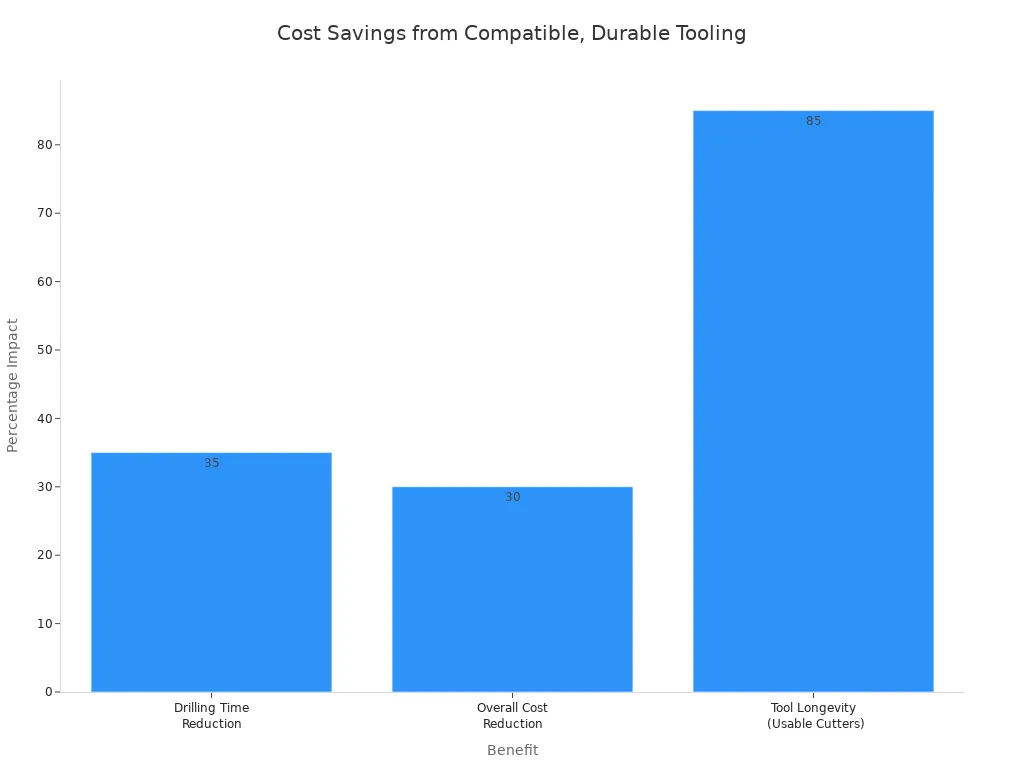
Tooling Compatibility and Durability for Cost Savings
Tools wearing out is a common problem. High costs for parts are also common. Reamers wearing out fast costs more money. Tools that do not match clean holes poorly. CEGC has answers for tools working together. It also makes twisting power smoother. This stops shaking. It stops uneven wear.
-
Picking the right tools helps work get done faster. It makes things better.
-
Smart choices for HDD tools help save money. They make work run well.
-
Choosing the best tools stops delays. It stops tools from breaking. It stops them from not working well.
|
Impact |
|
|---|---|
|
Drilling Time Reduction |
35% |
|
Overall Cost Reduction |
30% (labor, fuel, maintenance) |
|
Tool Longevity |
80-90% usable cutters after project |
Optimized Mud Integration and Fluid Management
Bad fluid work causes big problems. It can also cause frac-out risk. Low flow or pressure makes twisting harder. It makes pipes get stuck. Losing fluid creates problems. It makes cleanup harder. CEGC's mud and fluid systems fix these issues. They help with pump size. They help with fluid paths.
-
It lowers work costs. It lessens waiting time.
-
It helps remove solids. It makes drilling better.
CEGC's plan includes:
-
Pre-Job Planning: Checking the well design. Checking the ground. This suggests the right fluid. It suggests the right tools.
-
System Design & Setup: Building a full fluid system. This includes mud tanks. It includes shakers.
-
Onsite Fluid Management: Checking mud all the time. Engineers change fluids as needed.
-
Solids Control Integration: Getting rid of cuttings well. Getting fluid back. This keeps mud good. It makes less waste.
-
Haul-Off & Waste Disposal: Arranging safe waste removal. This follows rules. It makes less paperwork.
This full plan leads to:
-
Fewer delays.
-
Lower fluid costs.
-
Better drilling work.
The Future of Directional Drilling: Trends and Success
The directional drilling industry always changes. New tech makes big steps forward. These new ideas make projects better. They also make work more effective.
Digital Solutions and Automation for Improved Accuracy
Digital tools and automation are changing drilling. SLB's Neuro Autonomous Directional Drilling tech uses smart computer programs. It figures out how to steer itself. This works with special turning systems. The Neuro smart solutions have four parts:
-
Underground helper: It reads ground data. This makes a clear picture of the ground.
-
Drilling helper: It suggests the best drill path. This uses the ground pictures.
-
Smart tool in the hole.
-
Helper system on top.
These systems steer the drill by themselves. They use machine learning to get better. This makes them very accuracy. A worker in the Middle East used the Neuro system. They drilled a well by itself in 2022. This made the time between stops 36% longer. It also cut the stop time by over 80%. This was only 10 minutes for the whole well.
Patterson-UTI also has good solutions. Their Auto Directional Drilling Control app uses a cloud system. This system uses machine learning. It makes changes right away. This helps hit the best spots for oil. The SQC HiFi Nav system guesses how the drill turns. It also guesses how motors work. The SQC HiFi Guidance system uses these guesses. It puts them into machine learning. It figures out the best hole shape and path. It keeps changing guesses in real time. This makes future plans better.
Geremy Yamamoto, who started Eazy House Sale, says that "AR and AI/ML drilling may make directional drilling better. It can place the well better. It can lower human mistakes. The worker can make better choices. This is because of good sensors. And also because of real-time checking. This makes work more effective."
Jonathan Carcone, a boss at 4 Brothers Buy Houses, says that "mixing AI and machine learning in directional drilling... will let us drill right now. We can make changes as we drill. This can make things better. It can make drilling more accuracy. It can make it safer. This can be very helpful."
Quantifiable Improvements and Project Success
These new technologies bring clear benefits. They greatly reduce human errors. They also help make better choices. The self-drilling example shows a 36% jump in drilling speed. It also shows an 80% drop in wasted time. These improvements mean projects finish faster. They also cost less to run. Companies have more successful projects. They hit their goals more often.
CEGC's Role in Advancing Trenchless Drilling Rig Technology
CEGC helps make trenchless drilling tech better. They have a two-part system. It has separate water and cement injection. This makes the ground stronger. It helps control water and soil. CEGC drills work well in tough ground. They work in rocky, sandy, and mixed ground. A fast screw conveyor moves dirt out. It handles big rocks and pieces. A middle-supported cutting system is small. It lasts a long time. It is also easy to fix. CEGC's exact 2.5° electronic steering guides well. It reacts fast with a digital screen. This lets workers check alignment. They can fix things right away. This system is a good tracking device.
A special drill guide stops mistakes. It helps projects work well. It makes more money. This exact tech helps companies. It gives them an edge. This is true for future drilling. It is for advanced drilling. Look at CEGC's tools. They give great accuracy. They make work better.
FAQ
How does precision in drilling compare to precision in sports like golf?
Precision in horizontal directional drilling is like a perfect golf swing. Both need a centered approach. Golf drills for accuracy help golfers hit their target. A more accurate golf swing ensures success.
What techniques improve precision, similar to how a golfer improves their swing?
A gate drill for centered contact helps golfers stay centered. A line drill for low-point control ensures hitting the ball first. These golf swing techniques improve their golf game.
Why is hitting your target important in golf?
Hitting their target is crucial in golf. A good golf swing keeps them centered. Golfers practice golf drills for accuracy. This improves their swing. They use a gate drill for centered contact. A line drill for low-point control helps their golf.


