
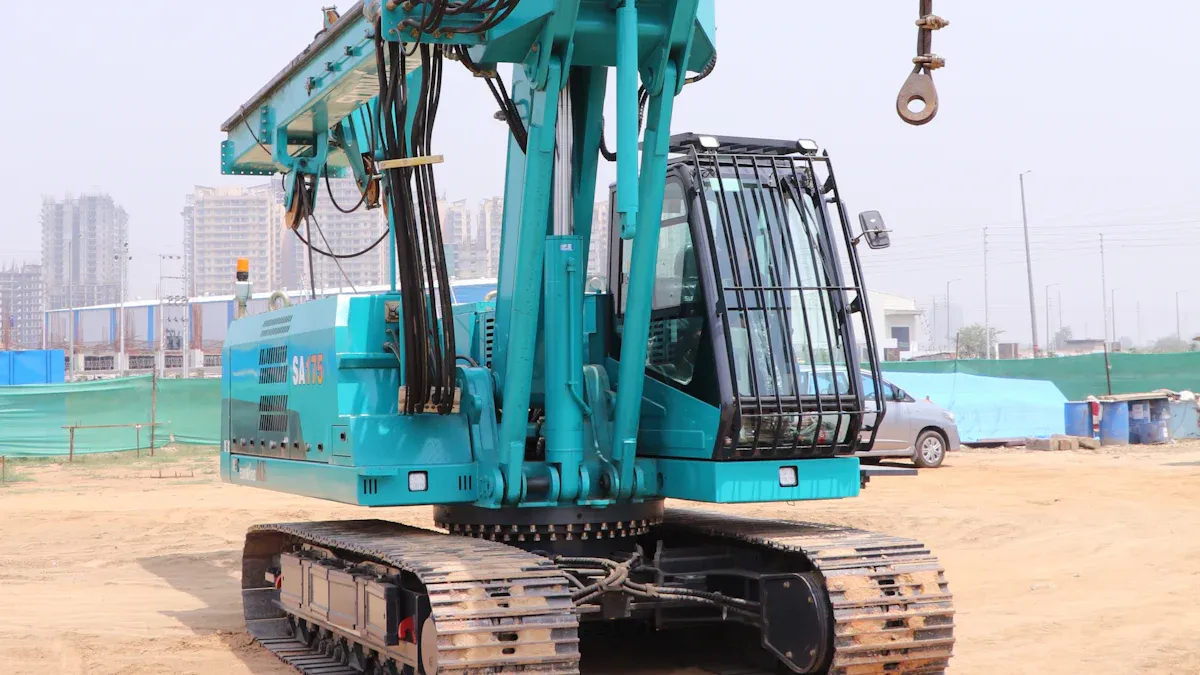
Trenchless technology is crucial for modern infrastructure development. Horizontal Directional Drilling (HDD) represents a cutting-edge method for installing underground utilities with minimal surface disruption. This comprehensive guide from CEGC, the HDD Horizontal Directional Drilling Ultra Guide, is your essential resource for mastering this technique. It covers everything from the fundamental principles of horizontal drilling to advanced directional drilling strategies, making it the definitive learning tool for anyone involved in HDD.
Key Takeaways
-
Horizontal Directional Drilling (HDD) is a new way to place pipes underground. It uses very little digging.
-
HDD is good for nature. It makes less mess. It harms the environment less.
-
HDD saves money. It saves time. It works for many kinds of underground pipes and wires.
Understanding HDD: An Overview
Trenchless Technology Defined
Trenchless technology is a set of methods. These methods put in, fix, or change underground pipes. They do this with very little digging. This way is a new choice. It is instead of old open-cut building. Open-cut ways dig long, deep ditches. Trenchless technology makes less mess on the ground. It also harms the environment less.
Look at how these two ways are different:
|
Feature |
Trenchless Technology |
Cut-and-Cover (Open-Cut) |
|---|---|---|
|
Excavation |
Small, only at start and end holes. |
A lot, along the whole pipe path. |
|
Surface Disruption |
Much less mess on roads, land, and traffic. |
Big mess for roads and daily life. |
|
Environmental Impact |
Less harm from less dirt moved, noise, and fumes. |
More harm from much dirt moved and more noise. |
|
Cost |
Often saves money in cities or special places. |
Can be cheaper for shallow, open-area jobs. |
|
Speed of Installation |
Often faster, avoids much digging and filling. |
Usually slower from digging, putting in, and filling. |
|
Safety |
Safer for workers and people. |
More dangers from open ditches and big machines. |
|
Depth of Installation |
Good for deep jobs and going over things. |
Limited by how deep you can dig. |
|
Traffic Impact |
Very little traffic mess. |
Big traffic mess, often needs new routes. |
|
Restoration |
Little ground fixing needed. |
Much ground fixing of roads and land. |
|
Public Acceptance |
Usually liked more because it causes less trouble. |
Liked less because of much trouble and mess. |
|
Risk of Utility Strikes |
Less risk with exact guiding systems. |
More risk with open digging. |
This table shows why a trenchless method like hdd is often better. It has many good points over older ways of working.
The Core Concept of Horizontal Directional Drilling
Horizontal directional drilling (HDD) is a special kind of trenchless technology. It drills a small hole. This hole follows a planned path underground. This path goes around things and surface features. A special directional drilling machine guides the drill bit. This machine uses smart tracking systems. After the small hole, workers make it bigger. They use tools called reamers. Last, they pull the new pipe or wire through the big hole. This whole job happens underground. It makes very little mess on the surface. This makes horizontal drilling a very good way to put in pipes and cables.
Why HDD is Essential for Modern Infrastructure
HDD is very important for today's infrastructure. It solves many hard problems. For example, it makes less mess on the surface. This makes it great for jobs in busy cities. It is also good for sensitive nature spots. It lowers harm to the environment. It avoids problems from old open-trench building.
HDD also helps with specific job problems:
-
Locating Utilities: HDD needs careful planning. This includes knowing where pipes are. It uses ground radar and electric tools. This helps avoid existing underground pipes. It stops damage, delays, and extra costs.
-
Drilling Fluid Management: Handling drilling fluid, or mud, is key. HDD deals with this. It picks the right fluid types. This stops harm to the ground and nature.
-
Difficult Soil Conditions: HDD has answers for tough dirt. This includes rock, sand, and clay. Drilling a small hole first helps workers understand the ground. They can then pick special drill bits and ways.
-
Regulatory and Environmental Concerns: Even though hdd is good for nature, it still follows strict rules. It works with rule-makers. This is for fluid systems. It also uses ways to stop dirt washing away. It also stops spills. This makes sure all rules are met.
Also, horizontal drilling helps with other issues:
-
Unsupportive geotechnical conditions: Things like rocks and gravel can be hard. They make it tough to keep a hole open. They also affect how drilling fluid flows. HDD uses special ways to do better in these areas.
-
Limited layout areas for pipe installation: Sometimes there is not enough room for the whole pipe. HDD workers put pipes in sections. They join them with middle connections or welds.
-
Time restrictions in urban settings: City jobs often have tight times. HDD teams plan to finish pulling the pipe once it starts. This part is very important.
Directional drilling is a safe and good way to build. It also helps keep our important services working. It makes sure jobs are done. They have less impact on people and nature.
The HDD Process: Step-by-Step
The horizontal directional drilling process is complex. It has many key steps. Each step needs good planning. It also needs good work. This makes sure the project works. Knowing this process is key. It is for anyone putting pipes underground.
Project Planning and Site Assessment
Every good horizontal directional drilling job starts with planning. This first part is very important. It builds the base for the whole job. It helps stop expensive mistakes later.
-
Pre-Project Bore Path Planning and Route Assessment:
-
Comprehensive Route Analysis: This means looking closely at the path. Experts check the dirt. They map existing pipes. This finds any problems. Nature checks are also done. These look for special areas or water. Access to land is made sure. Old buildings, like roads, are checked.
-
Technology in Planning: Smart tools help plan. Ground radar is used. Map systems also help. Electric tools and GPS make it exact. These tools lower dangers.
-
-
Site Setup Essentials:
-
Optimal Equipment Selection and Placement: Start and end spots are made ready. They need enough room. The ground must be strong. Getting to them is key. Good anchors are also needed. Support tools are put in place. This includes mixing and cleaning systems. Dirt holding areas are also set up.
-
Safety and Compliance Measures: Safety is most important. Walls are put up. These include fences and safe areas. Daily talks and tool checks are done. All work follows rules. This includes OSHA, DOT, and nature rules.
-
-
Environmental and Regulatory Considerations:
-
Environmental Impact Mitigation: Handling drilling fluids is key. This includes holding, cleaning, and throwing away. Nature spots are kept safe. This means little cutting and stopping dirt from moving. Noise and dust are also controlled.
-
Navigating Permits and Local Regulations: Many papers are needed. These include digging papers and nature OKs. Deals for crossing pipes are made. Road control OKs are gotten. Water permits are also part of it. Special local rules are always thought about.
-
Pilot Hole Drilling with a Directional Drilling Machine
After planning, drilling starts. The first step is drilling the pilot hole. This is a small hole. It follows the planned path. A special directional drilling machine does this. This step needs great care. It stops the hole from going off track. It also stops crossing failure.
When drilling the pilot hole, a sensor is near the drill bit. It sends info back to a screen. This info shows up and down, and side to side spots. They are from the start point. Workers use this info. They watch the drill's path. This stops it from going off course. The Wireline Steering Method is a key way for exact guiding. It uses an electronic tracking system. Sensors give live info. This shows where the drill bit is. It also shows its direction. This way makes sure it is exact. It keeps it on the planned path. This works well for hard and long jobs.
CEGC's horizontal directional drilling machines have good features. They make sure it is exact every time. Load-matched control matches push, pull, spin, and feed. Strong frames and straight parts lower shaking. This stops the hole from going off track. Tracking system ready is also there. This allows for data saving and control. These features are key for important road, rail, river, or pipe crossings. They make sure the drilling stays on the right path. This exact drilling is a sign of good hdd drilling ways.
Reaming and Hole Enlargement
After the pilot hole is done, reaming starts. This makes the pilot hole bigger. It makes it big enough for the product pipe. Reaming means pulling a reamer tool back through the pilot hole. This makes the hole wider. This is a key part of the hdd process.
Different reamers are used. These include sureamer reamers and fluted reamers. The reamer choice depends on the dirt type. Engineers test the dirt. This finds the right drill bit and fluid mix. It makes sure the dirt, fluid, and bit match. This leads to good horizontal directional drilling.
|
Recommended Reamer/Tool |
|
|---|---|
|
Caliche / Hard Pan |
Carbide Tooth Reamers or Roller Bits |
|
Sandstone |
Roller Cone Bits / Carbide Reamers |
|
Soft Soils (Sand, Clay, Silt) |
Slant Face (Duckbill) Bits with drilling fluids |
|
Running Sand |
Slant Face Bits + Stabilizing Drilling Fluids |
|
Gravel & Cobbles |
Carbide-Tipped Bits / Hole Openers |
|
Shale |
Tri-Cone or PDC Bits |
|
Limestone |
PDC Bits or Air Hammers |
|
Granite |
PDC Bits / Air Hammers (with Mud Motors) |
When picking the right reamer, think about these things:
-
Soil Type: Different dirt needs special reamer designs. Sandy dirt needs a reamer for loose ground. It stops dirt from settling. Rocky dirt needs a strong reamer for hits. Clay needs a reamer that handles liquid well. This stops mud and getting too hot.
-
Cutting Action: The cut needed depends on the dirt. It also depends on the cut type. Sandy dirt needs a reamer that moves small bits. Rocky dirt needs a very strong reamer.
-
Reamer Size: The reamer size must be right. It must make the hole big enough. A general rule is the reamer should be at least 50% bigger. This is bigger than the pipe's outside. The most space is 12 inches. It can be 24 inches for many pipes.
Many reaming passes may be needed. Each pass uses a bigger reamer. This slowly makes the hole bigger. This makes sure the hole is strong. It also gets the path ready for the pipe.
Pipe Pullback and Product Installation
The last step of the hdd process is pipe pullback. This is also called product installation. The new pipe is put on the reamer. It is then pulled back through the big hole. This finishes the underground job. This step needs good teamwork. It makes sure the pipe is good.
There are many ways to pull back pipe:
|
Connection Type |
Setup Speed |
Tool Flexibility |
Best Fit |
|
|---|---|---|---|---|
|
Conventional Setup |
Threaded |
Moderate |
High |
Varied conditions requiring strength during reaming |
|
Direct Pullback |
Minimal / Direct |
Very Fast |
Low |
Short, uncomplicated bores in favorable soil |
|
Non-threaded Pullback System |
Non-threaded |
Very Fast |
Moderate to High |
Repetitive or fast-paced jobs needing efficiency |
For direct pullback, your pilot tools must work together. This includes the housing and bit. It has little room to make the reamer bigger. This is often not good for bigger jobs. Reamer choices are also few. They do not change well for layered or rough ground.
Non-threaded pullback systems offer many good things. They greatly cut down time to switch to a reamer for pullback. They stop problems with stuck threads. These systems allow for small entry pits. Some systems work in pits as small as 18 inches. They also offer strong pull power. This is needed for some pullback jobs.
The pipe is pulled into place. Then, the drilling rig unhooks. The start and end pits are fixed. This finishes the horizontal drilling job. These hdd drilling ways make sure the job is fast and exact. The whole process makes little mess on the ground. It gives a good way to put pipes underground.
Essential HDD Equipment
Good horizontal directional drilling needs special tools. Each tool is very important. Knowing these tools helps with good hdd drilling ways.
The Horizontal Directional Drilling Rig
The horizontal directional drilling rig is the main machine. It gives power for drilling. It controls the drill string. This rig pushes and pulls the drill. It also spins it.
Drill Bits and Reamers
Drill bits make the first small hole. Reamers then make it bigger. Different reamers work for different ground.
-
Under-reamers make holes bigger below a cover. They help make more space. They are used in ocean drilling.
-
Barrel Reamers press and steady walls. They have hard metal tips. They keep the same size.
-
Roller Reamers drill through hard rock. They make a smooth, round hole. They work well for hard rock. These are key hdd tools.
Drilling Fluids and Mud Systems
Drilling fluids, called "mud," are key for hdd. They cool the drill head. They make tools slide easily. They also carry dirt out of the hole.
-
Composition: Water or oil is the main part. Bentonite is a key second part. It makes the hole steady. Other liquids are added for different dirt.
-
Function: Fluids lower rubbing. They hold dirt pieces. They also make hole walls steady. Mud systems handle these fluids. A reclaimer mixes parts. It pumps the mix to the drill. It gathers dirt pieces. It then filters out solids. This lets fluid be used again. This is important for hdd.
Tracking and Guidance Systems
These systems make sure directional drilling is exact.
-
Walkover systems are common. A person tracks the signal from above. They are good for shallow crossings.
-
Wireline systems are for deep holes. A wire gives a steady signal.
-
Magnetic guidance tools use magnets. They find the direction.
-
Gyro technology works well in magnetic spots. It helps with being exact. These ways are key for precise horizontal drilling. Good hdd drilling ways need them.
Rods, Swivels, and Accessories
Drill rods link the rig to the bit. Swivels stop pipes from turning when pulled back. Many other tools help the whole hdd job. These include pipe rollers and safety tools.
HDD Good Points and Uses
Good for Nature and Less Mess
HDD is good for nature. It makes very little mess on the ground. This way keeps green areas safe. It protects nature. It puts pipes underground. It does not dig up the surface. Horizontal directional drilling does not harm nature much. It stops dirt from washing away. It saves animal homes. This makes it a good choice for the environment. It also means no need to remove water. This helps keep nature balanced.
Saves Money and Works Fast
HDD makes jobs much faster. It does not need big ditches. This helps put pipes and wires underground. It works well under nature and man-made things. HDD needs special tools. But it saves money over time. It needs fewer workers. It needs less stuff to fix the ground. HDD works fast. This means pipes are put in quicker. This is faster than older ways.
Many Uses in Different Jobs
HDD is a very helpful way. It puts in pipes for gas, water, and oil. It also puts in phone and power lines. This includes fiber optic lines. HDD is used for water and sewer pipes. It is great for going under rivers, lakes, roads, and train tracks. This avoids big digging. For example, it helps with 5G internet. It lays fiber without messing up busy streets. These ways make horizontal drilling very useful.
Getting Past Problems with Trenchless Drilling
Trenchless drilling rig technology helps get past many problems. It guides a small hole under roads or rivers. Then, it pulls the pipe back. This directional drilling way works for different kinds of dirt. It is used for pipes in busy city areas. It puts in wires and pipes without stopping services. Exact guiding is important. Smart steering helps the drill go around things. It keeps it straight. This trenchless installation means less big digging. It also checks underground. This helps find and avoid old pipes.
Key Things for Good HDD Projects
Site Geology and Soil Analysis
A good hdd project needs to know the ground. A full study of the ground is very important. It gives facts to plan the work. Both the hdd company and clients share this job. They make sure the study gives good facts. If the bore is over 300 meters, drill at least two test holes. Put these holes 10 meters from the middle line. Make them 3-5 meters deeper than planned. Place holes to show ground changes. Describe dirt and rocks in the report. Take samples for lab tests. Do standard push tests. Find dirt facts like stickiness and rub angle. The final report must cover all facts.
Regulatory Compliance and Permitting
HDD projects must follow many rules. This includes OSHA rules for worker safety. PHMSA rules are for pipeline work. State and federal permits are needed. This is true for water crossings. EPA rules cover waste and fluid. Local rules guide utility marking. Keep safe distances from gas lines. Five feet for small lines. Ten feet for big lines. Send in drawings of what was built. Send inspection reports. These confirm rules are met.
Choosing the Right HDD Contractor
Picking the right hdd contractor is key. Look for experience in horizontal drilling. They should know different hdd drilling techniques. A good contractor understands ground. They follow all safety rules. They also manage project risks well. This helps ensure a smooth project.
Mitigating Project Risks
Many things can go wrong in hdd. Water can get into the bore. This can make the bore shaky. Hitting existing pipes is a big risk. Unexpected rock or bad dirt can cause problems. Machines can break down. This causes delays. Dirt can move or fall in. This costs money to fix. CEGC's horizontal directional drilling machines help. They have anti-stall power. This stops stuck pipes. Overload protection prevents sudden twists. High twist power and fluid sensing reduce hard bumps. This protects tools. Our machines work with many reamer types. This lowers tool wear. Smoother twist delivery helps. Good mud mixing is also vital for horizontal drilling. This prevents bad fluid work. It lowers break-out risk. Pump size help and good flow paths are important. These techniques make sure the bore is steady. This careful way is part of good directional drilling techniques.
Future Trends and Innovations in HDD
Advancements in Drill Rig Technology
The future of hdd drilling looks good. New rig technology helps. Modern rigs are good for nature. They make less noise. They have lower emissions. Energy-saving parts also help. This means less ground mess. Smart drill rig tools are common. Fast core barrels get things back quicker. Wireline systems help get samples easily. Better bits work well in tough ground. Tool racks make changes faster. New power systems stop breakdowns.
These new things bring clear good points:
|
Aspect |
Improvement/Feature |
|---|---|
|
Efficiency |
Auto drilling machines work 40% better. They make drilling paths best. They use live ground data. Top models drill 40% faster. This saves money. |
|
Power/Fuel Efficiency |
Hybrid power can cut energy use by 30%. Best models use 15% less fuel. This harms nature less. It also lowers job costs. |
|
Environmental Performance |
Green drilling machines cut bad fumes a lot. New designs make less noise and shaking. This means 30% less harm to nature. Good ways of working are key. |
Enhanced Guidance and Automation
Automation makes hdd jobs much better. It makes them faster. It also means fewer worker mistakes. This is true for drill pipe moving. More machine info is now ready. Computers give this data. Workers can see it. Office people can also see it from far away. Tracking and GPS make this happen. This helps fix problems faster. Downhole ranging is a new thing. It helps with directional drilling crosses. Two drill parts can check their distance. This gives high accuracy. It works for short distances. Axial Magnet and Rotating Magnet are main ways to range. They give great precision. TruTrack and ParaTrack were early new ideas. They made precision drilling and length better. Gyro technology also helped. These tools make sure wells are placed better. They make success more likely. They cut down on costly fixes.
Sustainable Practices and Environmental Impact
Good ways of working are very important. This is for the future of hdd drilling. Green drilling uses fluids that break down. Water cleaning systems are also common. Rigs that make less bad air harm nature less. New designs make less noise and shaking. This means less harm to animal homes. These techniques are key. They make horizontal drilling leave a smaller mark. They help keep nature safe.
The Role of CEGC in Advancing HDD Technology
CEGC helps a lot. This is for the future of hdd drilling. Our horizontal drilling machines use these new ideas. We focus on high precision. This makes sure jobs work. CEGC rigs have new features. They give better control. They also work better for nature. This makes CEGC a leader in horizontal directional drilling. We help the industry move forward. This promise shows the future of hdd drilling.
This HDD Horizontal Directional Drilling Ultra Guide shows how important HDD is. HDD helps put in pipes. It is fast. It is good for nature. It saves money. Use this guide to plan HDD jobs. Use it to do them well. Horizontal drilling keeps getting better. This means a good future for horizontal drilling. HDD is very important. HDD helps build better things.
FAQ
This part answers common questions. It is about hdd and horizontal drilling. It adds to the hdd horizontal directional drilling ultra guide. It talks about important parts of hdd.
What is the main benefit of HDD?
HDD makes little mess on the ground. It puts in pipes well. This makes horizontal drilling good for cities. This hdd horizontal directional drilling ultra guide tells you more.
How do HDD projects ensure precision?
HDD uses smart guiding systems. These systems follow the drill bit. This makes sure directional drilling is exact. Good planning and hdd drilling techniques are key. They help with good execution of hdd.
What are the best HDD drilling methods for difficult ground?
The best hdd drilling methods change with the dirt. Special tools and fluid techniques help. This hdd horizontal directional drilling ultra guide explains these. They help with good horizontal drilling installation.


