
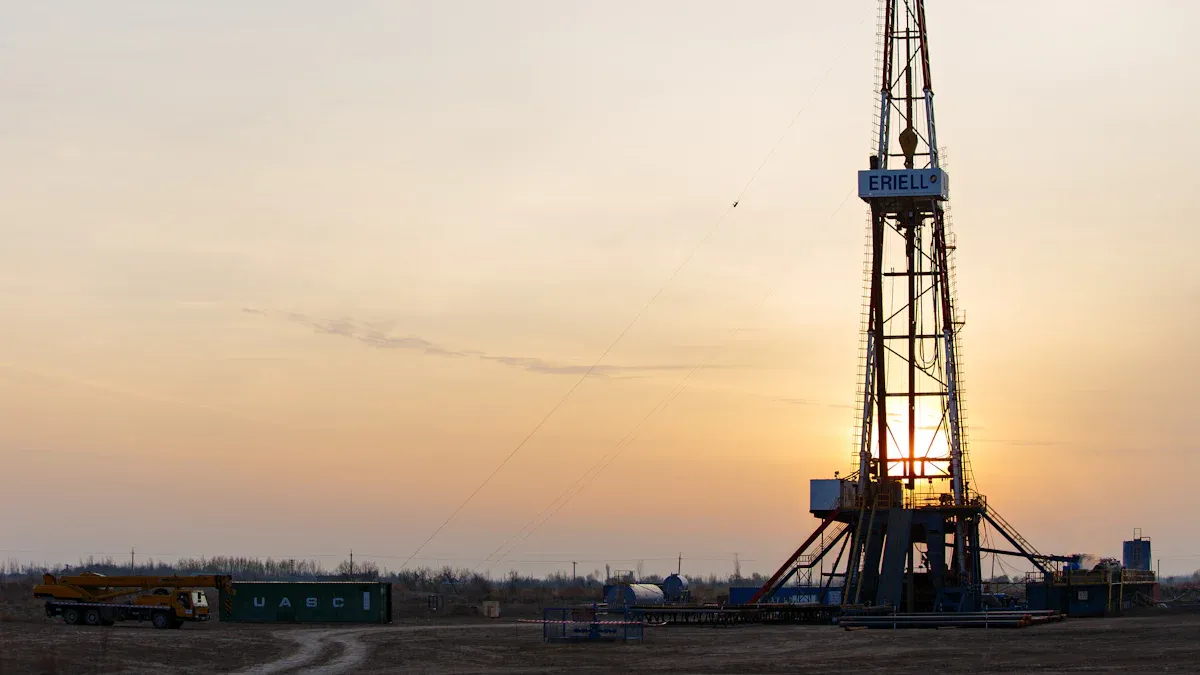
Oil Drilling Rig Precision Guidance Prevents Damage. It uses new drilling tools. This puts the hole in the right spot. The main goal is to stop harm. It keeps things from going off track. This makes sure the drill bit goes straight. It drills better and safer. This careful drilling is very important. Companies like CEGC are growing fast. This shows how important it is. It helps oil rigs drill well. It stops damage. It makes drilling better and safer.
Key Takeaways
-
Oil drilling uses new tools. These tools help guide the drill. They put the drill hole in the right spot. This stops damage. It makes drilling safer.
-
New tech makes this possible. Sensors gather data. They look deep underground. Smart systems steer the drill. Clear pictures show what is below. These tools guide the drill.
-
Precision guidance helps a lot. It stops drills from hitting other wells. It protects the ground. It saves drilling equipment. It keeps the environment safe. This also saves money. It makes drilling better.
Core Technologies for Drilling Precision in 2026
Oil drilling in 2026 uses new tech. These tools help drillers place wells well. This part looks at systems. They make drilling very exact. These systems have gotten much better. They help drill safer and faster.
Real-time Downhole Sensing and Data Analytics
Modern drilling uses tools. They get info from deep down. These are MWD and LWD tools. MWD tools collect direction data. They show drill angle and path. They also check heat and mud pressure. LWD sensors get rock info. This includes gamma-ray and resistivity. This helps understand layers.
This data goes up fast. Telemetry systems do this. Mud pulses or wired pipes help. Wired pipes send lots of data quickly. Computers on top check this info. AI helps understand hard data. They make models. These guess future drill conditions. Engineers can decide fast. They can change drill speed. This keeps the drill on track. It helps keep drilling exact. Tools need regular checks. This ensures good data.
These systems help a lot. They make rigs work better. They speed up connection times. They help pick drill bits. They show how fast drilling is. Data quality from downhole is key. Many real-time signs watch drilling. These help check and track work. They compare rigs, wells, and crews. This constant feedback is key. It keeps drilling precise.
Advanced Steering Systems and Automation
Rotary Steerable Systems (RSS) are big in drilling. They guide the drill bit. This gives exact control. These systems work with auto controls. AI helps a lot here. They make drill paths best. This means fewer human mistakes. Auto rigs drill better. They have less downtime.
Advanced platforms handle RSS data. This leads to better choices. Real-time systems allow quick changes. They use well data and models. This makes things better and safer. New sensors make navigation exact. AI helps set drill options. Automation means less human work. This makes things precise and fast. It also costs less.
AI and people work together. They give drilling advice. This makes wells more steady. Systems like LOGIX® help a lot. They help plan well paths. AI finds signals from downhole. This stops costly mistakes. The system needs careful checks. This keeps it very exact. This tech helps lower doubt. It helps teams plan for best results.
High-Resolution Subsurface Imaging
Seeing underground clearly is key. Better seismic imaging helps. So do electromagnetic surveys. Satellite radar also helps. They show clearer underground pictures. This means less guessing. It helps plan the drill path.
New sensors can "see" far. Baker Hughes’ AziTrak helps steer wells. It keeps them near shale tops. This gets more oil. Schlumberger’s PeriScope sees 20 feet. This helps change path. It avoids bad rock layers. This tech keeps drills in target. Imaging systems need checks. This makes them exact.
These imaging tools find targets. They map underground features. This can cut exploration time. It can cut drilling by 90%. This helps map minerals well. High-res scanning covers big areas fast. This lowers costs and risks. It finds hidden spots. This makes ground safer. It keeps workers safe. Combining data makes models better. This leads to good choices. It lowers exploration risks. Each tool needs exact checks.
How Precision Guidance Prevents Damage
Precision guidance in oil drilling is very important. It stops many kinds of harm. This helps avoid big problems. It addresses common issues in drilling.
Avoiding Wellbore Collisions and Intersections
Drilling a new well can be risky. There might be other wells or pipes underground. Precise trajectory control stops drills from hitting these. This is a major cause of damage. It also causes environmental problems. For example, CEGC's horizontal directional drilling machine uses advanced systems. These systems ensure repeatable accuracy. This is vital for complex crossings. These include roads, railways, rivers, and utility lines.
Before drilling, companies must find buried utilities. These include gas, water, and electrical lines. Utility companies mark these locations. Operators must control drilling depth carefully. This avoids damaging utilities, especially in cities. Good communication is key. Operators, supervisors, and utility locators must talk to each other. This prevents utility damage.
Hitting another well or pipe costs a lot of money. One operator in a shale project faced this risk. They could drill wells farther apart. This would leave oil in the ground. They could shorten a well. This would also leave oil. Or, they could invest in better wellbore surveys. They chose the third option. This saved them millions of dollars. It showed the financial benefit of preventing collisions.
Even small errors can be costly. A 1-foot error in depth measurements in some oil fields led to big losses. This meant 60,000 to 100,000 barrels of oil were not recovered. Placing a well just 1 meter deeper in one project could have added $1.8 million in oil. Operators often only focus on wellbore position after a big accident. This could be a collision or poor oil production. These events show that mistakes have huge financial costs. This forces companies to change how they drill. The oil drilling rig precision guidance prevents damage by ensuring high drilling accuracy.
Mitigating Formation Damage and Instability
Accurate drilling helps protect the ground. It reduces stress on rock formations. This stops the wellbore from collapsing. It also keeps drilling fluids from leaking out. This helps keep the oil reservoir healthy. When drilling is not precise, it can lead to "Poor Fluid Performance & Frac-Out Risk." This means drilling mud does not work well. It can also cause mud to escape into the ground. This can lead to fines and cleanup costs.
Good mud integration and fluid management solutions help. They prevent these problems. Precision in drilling means the drill bit follows the planned path. This reduces unwanted pressure on the rock. It helps maintain the well's stability. This also improves the overall safety of the operation.
Protecting Drilling Equipment and Infrastructure
Smooth and controlled drilling is good for equipment. It reduces wear and tear on drill bits and pipes. It also protects surface equipment. This makes the equipment last longer. It stops expensive breakdowns. Problems like "Stuck Pipe, Torque Spikes & Downtime" are common. These happen when the drill gets stuck or experiences sudden jolts. This damages rods, threads, and tools.
CEGC's horizontal directional drilling machine uses anti-stall powertrains. It also has overload protection. These features address these issues. They reduce recovery costs. They also prevent damage to drilling components. Shear screws act like mechanical fuses. They break before more expensive parts get damaged. This is a form of preventive maintenance. It keeps the equipment working well. This improves the overall safety of the drilling process. High drilling accuracy helps extend the life of valuable assets.
Enhancing Environmental Safety and Compliance
Precision guidance greatly improves environmental safety. It reduces the chance of accidents. Fewer spills and uncontrolled releases happen. This protects the environment. It also helps companies follow strict rules. When an oil drilling rig precision guidance prevents damage, it means fewer incidents. This leads to less pollution. It also means fewer fines for breaking environmental laws.
This technology helps maintain high standards of safety. It ensures that oil drilling operations are responsible. It helps protect natural resources. This commitment to precision and safety is crucial. It benefits both the environment and the community. Effective preventive maintenance also plays a role. It ensures all systems work correctly. This reduces the risk of environmental harm.
Future Impact of Oil Drilling Rig Precision Guidance
Precision guidance changes oil drilling. It offers many good things. These make work better. They make it safer. They also save cash.
Increased Efficiency and Reduced Non-Productive Time
Precision guidance speeds up drilling. It means fewer wrong turns. Wells finish faster. This makes work better. Auto drilling cuts wasted time by 35%. Saudi Aramco used auto tools on 180 rigs. This cut wasted time by 33%. Continuous Mud Line helps too. It makes moving pipes faster. It lets cement flow quicker. This cuts total slow time. MWD tech places wells better. It increases drilling time. This saved 27.5 hours of rig time. This was due to better checks. It was also due to better hook-ups. This shows how exact drilling helps.
Improved Safety for Personnel
Fewer issues make work safer. This is good for drill teams. Fewer accidents mean less danger. This stops pipe bursts. It stops electric shocks. It handles big machine risks. Bosses can do regular checks. They can do safety practice. They give good safety gear. All pressure systems are checked. This safety focus stops accidents.
Economic Benefits of Damage Prevention
Stopping damage saves much money. Planned cleanups cost less. They are cheaper than urgent fixes. They also cost less than work stops. They cost less than fines. A manager avoided fines. He followed rules. This allowed planned cleanup costs. It stopped costly urgent work. This shows how oil drilling rig precision guidance prevents damage. It keeps projects on time. It saves money by making tools last. This is a clear good point of high precision.
Precision guidance is very important. It helps with oil drilling. This tech uses sensors. It helps steer the drill. It also uses imaging. This puts the well in the right spot. The oil drilling rig precision guidance stops damage. It makes work safer. It protects tools. It also helps the environment. This exactness is key. It makes drilling safer. It makes it work better. It makes it more careful. This will be true in 2026 and later.
FAQ
What is precision guidance in oil drilling?
Precision guidance uses new tech. It guides the drill bit. This puts the well in the right spot. It makes fewer mistakes. The drill follows a clear path.
How does precision guidance prevent damage?
It stops hitting other wells. It keeps rocks safe. It saves equipment from wear. This keeps nature safe. It also stops expensive spills.
What technologies make precision drilling possible?
Sensors collect data right away. Smart steering systems guide the drill. Clear pictures show what is underground. These tools work as one. They make sure wells are placed well.


