
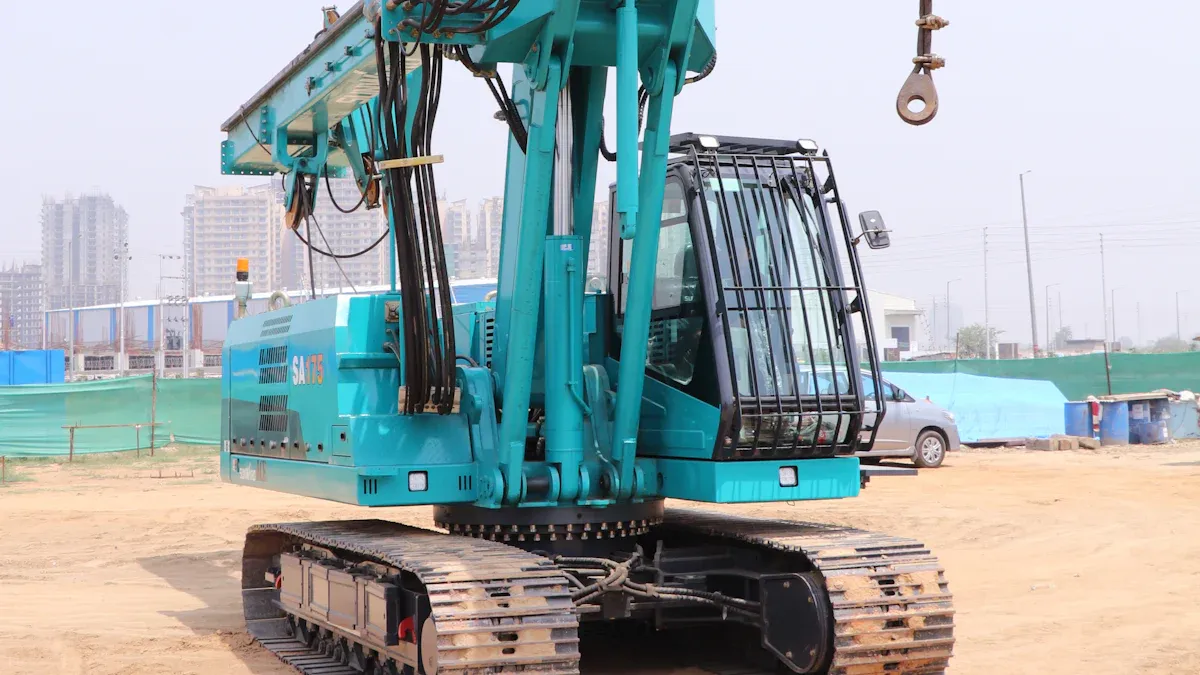
Horizontal directional drilling (HDD) faces significant challenges, particularly with bore deviation. This can lead to costly rework, penalties, and safety concerns. The "Directional Drill Machine 1mm Path Stops Drift" concept offers a groundbreaking solution. This innovation ensures the directional drilling machine maintains exceptional precision, allowing it to stay on its intended path. This advancement significantly improves the efficiency and safety of horizontal directional drilling. CEGC is committed to this level of accuracy in all its horizontal directional drilling machines.
Key Takeaways
-
A directional drill machine can stay on a path within one millimeter. This stops the drill from going off course.
-
Advanced sensors and computer programs help the drill stay exact. They make small changes to keep the drill on its path.
-
This very exact drilling saves money and time. It also makes drilling safer and helps drill in tough places.
Understanding Directional Drilling Drift
What is Bore Deviation
Bore deviation is also called drift. It means a drill machine goes off course. This often happens in horizontal drilling. Many things make it happen. The ground itself is a big reason. Drilling in soft rock causes more drift. Hard rock drilling has less drift. If the ground has both hard and soft parts, the drill follows the soft. Cracked ground is also a problem. The drill goes into these cracks. The ground's density and hardness change the drill's path.
Worn tools are another cause. Old drill bits make the drill wander. How the drill is used also matters. Not enough pressure makes the drill jump. This leads to an uncontrolled path. But if the drill spins as it moves, it stays straight. Without spinning, it can easily change direction.
Consequences of Uncontrolled Drift
Bad drift causes big problems. It costs a lot more money. Projects can be delayed. This pushes back finish dates. It also raises costs. The environment can be harmed. A drill off course might hurt nature. It can also damage pipes underground. Safety risks go up for workers. Nearby buildings are also at risk. Drift can mean doing work again. This takes more time and money. There can also be fines. This happens if the project rules are not met. In the end, bad drift hurts the project. It makes it less successful and efficient.
Achieving 1mm Path Control
Defining 1mm Precision in Drilling
A drill machine can stay within one millimeter. This is its planned route. This is very precise. The drill bit follows the exact plan. This accuracy is very important. It stops the drill from going off course. Workers see the drill's spot right away. A screen shows the drill's path. It is often yellow. The planned path is often purple. This helps them make fast choices.
The system uses two circles. They show the drill tip and tail. This helps line it up from above. A depth slider shows how deep the drill is. It compares this to the planned depth. A ring around the edge shows the depth. Colors make it easy to understand. If the drill is off by 1mm or less, a middle ring turns green. This means it is perfectly lined up. For depth, the outer ring turns green. This is for small differences. It turns red if it is off by more than 1mm. This quick feedback helps keep the 1mm path. Other math checks accuracy too. These include how much it turns. It also checks how far it moves. This is at the start and end. The biggest move off course is also checked. How far it is off on the surface is checked. Depth differences also show how accurate it is.
Advanced Sensors for 1mm Accuracy
Special sensors make this 1mm accuracy happen. MWD and LWD tools are very important. They send data from the drill bit. This goes to the surface right away. Gyro systems give exact direction. They measure where the drill is pointing. Accelerometers measure speed and direction changes. These sensors work together. They collect much data. This is about the drill's spot and angle. It also tracks its movement. This constant data flow is key. It finds even small changes. These are from the planned path. The data helps the drill machine. It keeps its exact course.
Real-Time Data and Micro-Adjustments
Checking data right away is key. This is for 1mm path control. Data from sensors goes into a loop. This loop allows for quick fixes. The directional driller (DD) watches the BHA. The DD knows how it acts. Then, the DD figures out steering commands. These include the toolface angle. They also include the steering ratio. These commands go to the RSS. If the system sees a change, commands guide the BHA back. This is to the planned path. This keeps the right direction. It controls both azimuth and inclination.
Automatic control systems also help. These systems use PID or fuzzy controllers. They change control variables. These variables include steering ratio and toolface. This keeps the system outputs correct. Small steering fixes stop bigger changes. These constant adjustments keep the BHA close. This is to the planned path. This control of steering fixes navigation. It brings the BHA back to the right path. This avoids too many turns in the well. Too many turns can cause issues. These include stuck pipe. It can also cause bad cement. It increases casing wear. It can also lower oil production. This exact control ensures the Directional Drill Machine 1mm Path Stops Drift. Remember, if a drill spins as it pushes. It moves in a straight line. If it does not spin, it can change direction. This idea is basic to how the Directional Drill Machine 1mm Path Stops Drift.
Engineering Innovations for 1mm Accuracy
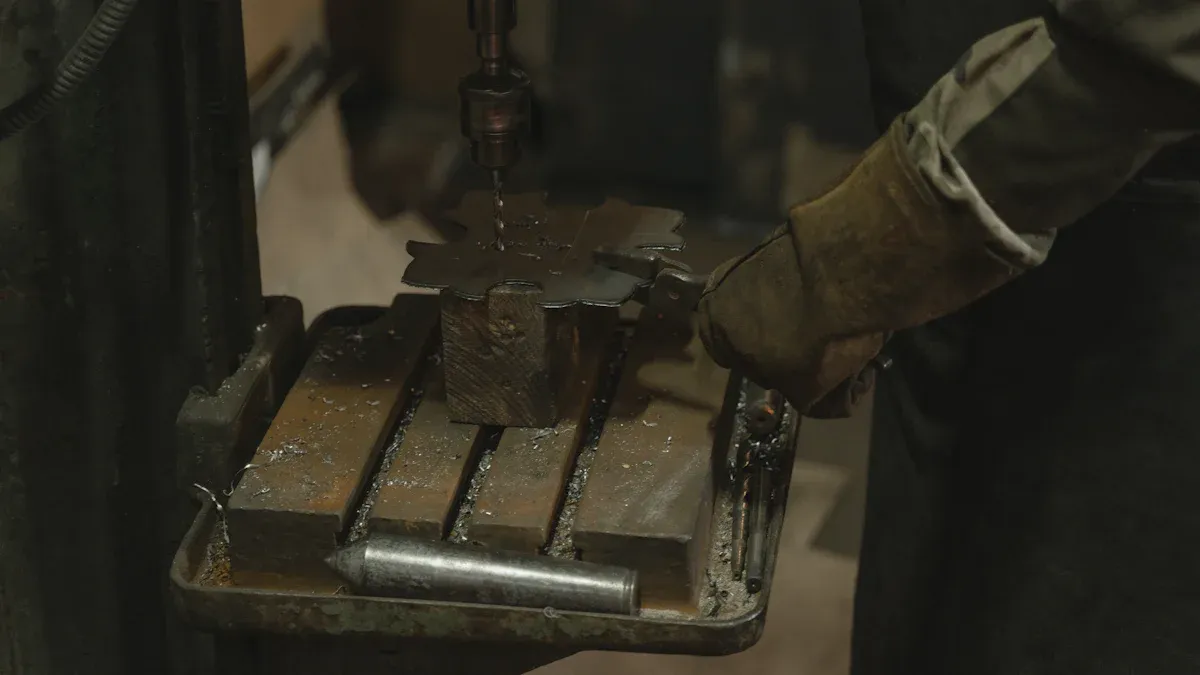
Getting 1mm accuracy in horizontal directional drilling needs new technology. These new ideas help the drilling tools. They also use smart computer programs. These programs guide the drill's path. They make sure the directional drill machine stays on course.
Optimized Drill Bit and BHA Design
The drill bit and Bottom Hole Assembly (BHA) are key. They help with being exact. Their design affects how well they drill. It also affects how long they last. New materials make drill bits better. For example, special metals from Mitsubishi. They make the drill bit strong. This helps when cutting unevenly. KYOCERA's ZS-Carbide can handle much heat. It works up to 1,200°C. This lets it drill in tough metals. New coatings also last longer. KYOCERA's ZA process makes thick layers. These layers are five times thicker. Mitsubishi’s MIRACLE coating stops chipping. It also stops peeling. These coatings work even under high pressure. These improvements make tools last longer. They also let them cut many shapes.
The drill bit's shape also helps. Mitsubishi Materials balances cutting forces. They use different widths. They also use different angles. This design allows for long holes. These holes can be 50 times wider than they are. This is true for small drills. This includes drills under 1mm. This makes drilling predictable. It works well in airplane metals.
New materials for tiny drills are also important. This includes better base materials. It also includes better coatings. Base materials like cemented carbide are key. They help with how well the tool works. They also help with how long it lasts. They help with drilling accuracy. They also help with surface quality. These materials must be hard. They need to resist wear. They also need to be stiff. They need to be tough. This stops them from breaking. Coatings for tiny drills are also vital. They help when base materials are not enough. The base material's heat flow helps cool the tool. This is very important for small tools. It helps when they are cutting.
Look at how exact drilling can be. This is with different materials. It is also with different drill types:
|
Drilling Object |
Materials |
Diameter (mm) |
Precision (μm) |
Ratio of drilling depth to diameter |
Tool life (holes) |
|---|---|---|---|---|---|
|
Printed circuit boards |
Carbide |
0.1~1.0 |
±3 |
10~20 |
0.10 |
|
Metallic materials |
Carbide |
0.25~1.0 |
±30 |
10~20 |
(Depends on workpieces) |
|
Hard and brittle materials |
PCD |
0.15~1.0 |
±5 |
8~14 |
(Depends on workpieces) |
Automated Steering and AI Algorithms
Automatic steering and AI are changing directional drilling. They fix the path exactly. AI programs are in the computer systems. These systems are above and below ground. They decide how to steer by themselves. A helper below ground looks at rock data. This makes clear pictures of the ground. A directional drilling helper uses these pictures. It suggests the best path for the well.
The system sends commands automatically. This lets it change the tool below ground fast. Doing this by hand takes minutes. This automatic system links computers. It links them to the tool below ground. This makes the path more exact. Computers learn from data. They find rock layers. This makes understanding the ground better. It also makes mapping better.
Some advanced systems use these ideas:
-
H&P's Bit Guidance System (BGS): This smart computer system uses AI. It learns from data. It finds the best well path. This gets to the target fastest. It tells how to steer. This is for normal drilling parts. It decides how much to turn. It also decides how far to slide.
-
SLB's Neuro Autonomous Solutions: This has automatic directional drilling. It also has automatic steering through rock. The steering system uses ground data. It uses it right away. It guides the drill bit by itself. This goes through the best rock layers. It removes the need for people to check. It also removes the need for people to step in.
-
SQC's Automated Directional Drilling Control: This program uses AI. It makes fixes right away. This helps reach the target areas most.
-
SQC's HiFi Guidance: This system uses AI. It gets data right away. This data is about turning. It is also about motor power. This comes from HiFi Nav. It figures out the best well shape. It also figures out the best path. It does this in small steps. This allows for constant changes. It avoids big fixes all at once.
CEGC's Precision Guidance System
CEGC leads these new ideas. Our solutions make sure a directional drill machine gets 1mm path control. This completely stops drift. CEGC's Horizontal Directional Drilling Rig meets market standards. We can also change it for specific projects.
Our Precision Guidance & Stability System fixes bore deviation. It also fixes crossing failures. Bores that are off cause extra work. They also cause fines. Crossing roads, rivers, or pipes needs exactness. Our system uses matched power. This controls pushing and pulling. It controls turning and feeding. A strong frame reduces shaking. It also reduces moving. This system is ready for tracking. It can also record data. It can also control the process.
The Anti-Stall Powertrain & Overload Protection system stops stuck pipes. It also stops sudden power surges. Stuck pipes cost money to fix. They also cause delays. Power surges damage rods. They also damage threads and tools. Hard ground makes daily work slow. Our system gives high power. It has many speeds. It senses hydraulic load. It also manages pressure. Slow starting and stopping reduces shocks. This protects rods, swivels, and tools. A "rock package" is an option. It has better cooling. It has better filters. It has extra power. It has strong parts.
Our Tooling Compatibility & Durability Package lowers costs. It lowers costs for parts. It also lowers tool wear. Fast wear of reamers costs more. Tools that do not match cause problems. They cause bad hole cleaning. They also cause small bores. They risk problems pulling back. Changing tools often wastes time. Our system works with many reamers. These include blade, fluted, rock, and barrel types. Smooth power delivery reduces shaking. It also reduces uneven wear. Easy access helps with fast repairs. We use standard tool connections. We can change rod size. We can change tool joint details. We can add strong wear protection. This matches the ground. It also matches preferred tools.
The Mud Integration & Fluid Management Solution stops bad fluid use. It stops the risk of mud leaking out. Low flow or pressure increases power needed. It also increases the risk of getting stuck. Losing mud or mud leaking out causes problems. It causes cleanup. Unstable mud makes the bore less steady. We help choose pump sizes. This considers flow and pressure. It considers length, diameter, and ground. Our system makes sure mud flows well. It also makes sure filters are ready. We also support good mud practices. This includes mixing goals. It includes checking. It includes regular changes. Our solutions work with electric or diesel mud pumps. We offer custom pump packages. We offer better filters and cooling. We offer site-specific fluid handling.
Benefits of Drift-Free Directional Drilling
Enhanced Project Efficiency and Cost Savings
Drill without drift. This helps a lot. It makes projects better. It also saves money. 1mm precision means less work redone. Projects end sooner. Costs go down. This accuracy saves much money.
-
Dual-Part Drilling: This way makes twice as much. It drills two parts at once. This makes things faster. It means fewer extra CNC lathes are needed.
-
Faster Feed Rates: The system drills 1 mm each second. This makes work quicker. It still makes good holes.
-
Simplified Operator Requirements: One person can run the U Drilling machine. This person also runs a CNC lathe. This means fewer workers are needed.
-
Multi-Lathe Support: One U Drilling machine can help two CNC lathes. It does the first drilling. This lets lathes do harder jobs.
-
Lower Costs and Extended Equipment Lifespan: This helps CNC lathes last longer. It means less fixing. This saves much money over time.
Improved Safety and Compliance
Exact drilling makes things safer. It keeps people safe. It also helps nature. Good drilling stops accidents. It lowers risks to pipes underground. This follows all rules. CEGC's horizontal directional drilling machine stops big mistakes. It keeps workers safe. It also protects the area around.
Accessing Challenging Formations
1mm precision lets us drill in tough ground. It drills through hard rock. It hits small spots easily. This is key for a Trenchless Drilling Rig. It creates new chances for building. This includes cities or nature spots. Exact control makes it work in these hard places.
Challenges and Future of 1mm Precision Drilling
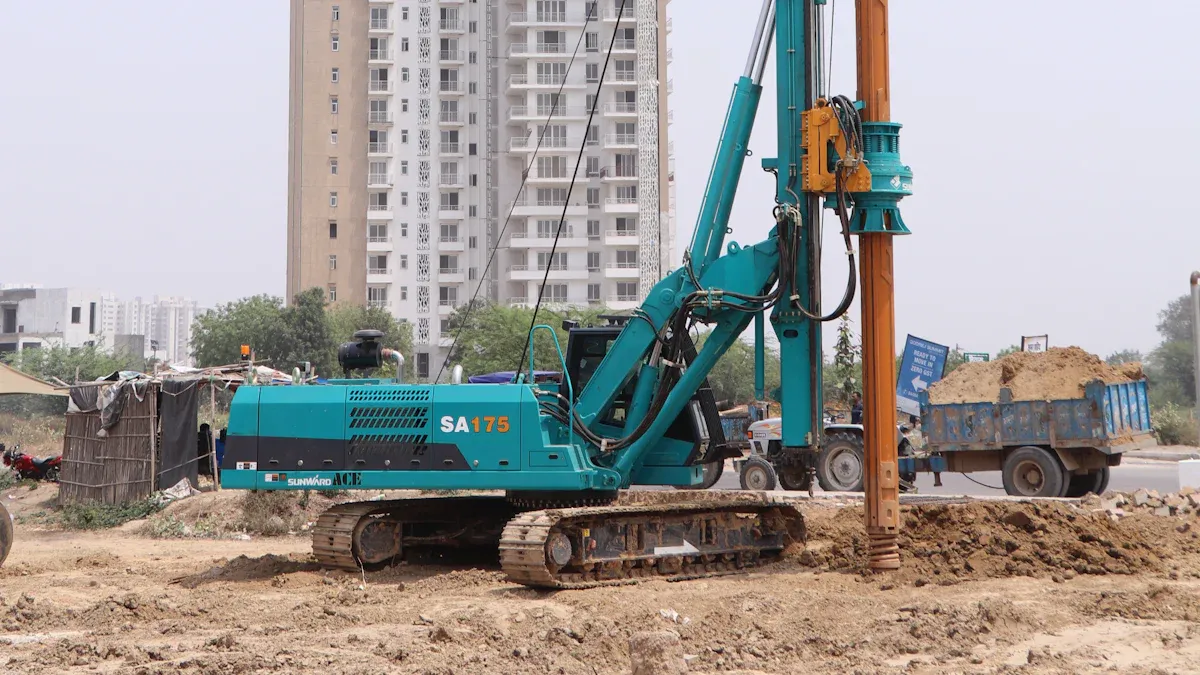
Technological Hurdles and Research
Getting 1mm precision is hard. Scientists look for new ways. AI helps make smart choices. It makes drilling better. Green ways to drill are also important. New ideas for big projects are coming. The 'Lishen' GD-5000T rig does huge jobs. It drilled 3.5km, a new record. The 'Deep Eyes' system is very exact. It uses special tools to find its spot. It is off by less than 0.3% at 50m deep.
Operator Skill and Training
Skilled workers are very important. They run these complex machines. Workers need a license to be safe. This is for drilling pipes underground. There are special training classes. IADC offers MPD training. These classes are for all levels. They make sure workers know the systems well.
Cost-Benefit of Ultra-Precise Drilling
Very exact drilling helps a lot. Businesses want to earn money back. Good drills cut drilling time by 15%. This makes holes more exact. Special tools for measuring cost more. They are worth it for being exact. Companies using computers work better. They also spend less money. Investing in smart systems pays off fast. Automated drills and AI maintenance are top choices. They pay for themselves quickly. Smart drill guides are also liked. They give live information. This helps make good choices. It also means lessstops.
The drill machine can stay on a 1mm path. This stops it from drifting. This gives great control. It can fix things right away. This makes drilling much better. It is more exact. It works faster. It is also safer. This is a big step for the industry. CEGC makes these new things. We make new rules for digging underground. Our advanced horizontal directional drilling machine helps build things.
Common Questions
What does 1mm path control mean for my drilling project?
1mm path control means great accuracy. It keeps the drill from going off course. This means less work to redo. Projects finish on time. It makes the whole project better.
How does CEGC's technology get such good accuracy?
CEGC uses smart sensors. It also uses AI computer programs. Our special guidance system is important. It gives live information. It makes small changes. This keeps the drill on its exact path.
What is good about stopping drift in drilling?
Stopping drift stops expensive mistakes. It makes workers safer. It also helps nature. This accuracy lets us drill in tough places. We can do this with no worries.


