
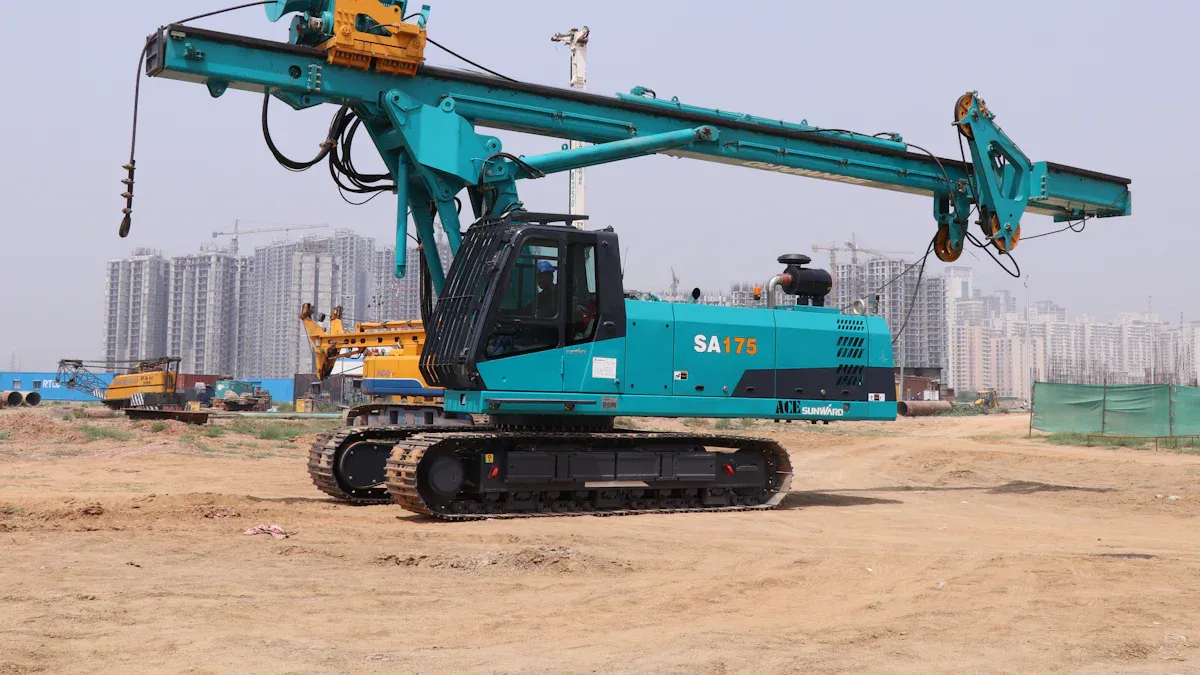
When building things, being exact is very important. This is true for horizontal directional drilling. A steady track is key for good projects in 2026. It helps with being accurate. It also helps with safety and saving money. The world market will be very big by 2030. It needs things to be very exact. CEGC makes sure every hdd horizontal directional drilling stable track project is always accurate.
Key Takeaways
-
A steady path in Horizontal Directional Drilling (HDD) keeps the drill on course. This is good for being exact. It also helps with safety. And it saves money.
-
New tools, like GPS and gyro systems, find the drill's spot. They make steering better. This is true in tough places.
-
Keeping a steady path lowers dangers. It stops machine damage. It also prevents project delays. This makes HDD jobs work better. It is safer for everyone.
HDD in 2026: New Needs and Dangers
Horizontal Directional Drilling (HDD) is changing fast. Projects in 2026 are bigger. They are longer. They are more complex. This means we need good control. We need stable steering. Rules for the environment are stricter. This makes track stability very important.
Project Hardness and Rules
Modern HDD projects go over tough land. They cover long distances. Their designs are complex. This needs great accuracy when drilling. Stricter environmental rules add problems. Workers must not harm nature. This needs careful steering. It needs exact work. For example, special rules guide protecting nature:
|
Standard |
Focus |
Application in HDD |
|---|---|---|
|
NSF/ANSI Standard 60 (NSF-60) |
Controls potential adverse human health effects from water treatment products. |
Pertains to drilling fluid additives like bentonite, especially in sensitive areas. |
|
NSF/ANSI Standard 61 (NSF-61) |
Imposes stringent requirements for equipment and products that contact potable water. |
Relevant for consumable products used with HDD tooling, such as thread compound. |
Meeting these rules needs steady steering. It needs careful plans.
Better Utilities and Small Limits
Putting in important things needs great accuracy. These include fiber optics. They also include high-pressure pipes. These things need small limits. Stable steering stops "Bore Deviation & Crossing Failure." This is true near roads. It is true near railways. It is true near rivers. It is true near old utility lines. Exact steering keeps the drill path right. For fiber optic work, there are special limits:
-
Tolerance zones: Workers must respect tolerance zones. These are 18 to 36 inches from known lines.
-
No power excavation: Power digging is not allowed in tolerance zones. This is unless the utility is seen.
-
Potholing: Potholing is needed at all crossings. It is also needed near active lines.
-
Trained spotter: Use a trained spotter. They use active tracking systems. They use strike alerts.
-
Watch and protect crews: Schedule 'watch and protect' crews. This is when utility owners need them.
Keeping the drill head in the right location is key. This stops costly damage. It keeps new things safe. Good steering helps with this. Advanced tracking systems give real-time data. This shows the drill's location. This allows quick steering changes. Such exact steering is a must. It helps with good bore paths. It helps with overall project success. Keeping steady steering is most important. This is true for the whole bore. It keeps the drill head in the right location. It keeps it within limits. Constant tracking of the drill's location helps. It keeps this accuracy. This constant tracking and exact steering lower risks.
Stable Track's Direct Impact on HDD Success
Enhanced Precision and Bore Path Accuracy
A stable track helps with steady steering. It stops the drill from going off course. This makes sure the pilot bore follows the plan. This is key for good reaming. It is also key for product installation. It fixes "Bore Deviation & Crossing Failure." High steering accuracy is very important. GPS helps make bore paths more exact. It uses data from many satellites. This makes location tracking more precise. This is true even in hard places. This new tech helps with long bores. It helps with river crossings. It helps in busy areas. Manual tracking often fails there. Old steering methods can have human errors. They can have problems. Signals can get messed up underground. GPS fixes these issues. It is the most accurate steering method. This makes sure steering is accurate always.
Mitigating Costly Risks and Delays
Stability lowers risks. It lowers "Stuck Pipe, Torque Spikes & Downtime." It reduces frac-outs. It stops unwanted returns. It prevents tool damage. It also stops bore collapse. This avoids costly rework. It prevents environmental fines. It stops project delays. It helps with "Poor Fluid Performance & Frac-Out Risk." A stable hdd horizontal directional drilling stable track allows accurate steering. This puts less stress on machines. It keeps the drill in the right location. This stops sudden changes in resistance. Such changes can cause torque spikes. These spikes can damage rods and tools. Good steering helps keep drilling steady. This lowers the risk of getting stuck. It ensures its precise location. This high steering accuracy is a most accurate steering method for risk reduction.
Optimizing Efficiency and Productivity
Smooth torque and less shaking come from stability. This leads to lower "High Consumables Cost & Tool Wear." HDD methods can cut drilling time by 30%. This is compared to older steering methods. This big time cut helps projects finish faster. It also saves money. Contractors using new tech for HDD setup report faster times. These include digital bore planning. They include real-time tracking systems. They see setup time cuts of 20-35%. This better accuracy and accurate steering boosts work. It makes sure the drill stays on location. Steady steering means fewer stops. This keeps the project moving.
Enhanced Safety for Personnel and Equipment
A stable track makes things much safety. It is safer for workers and machines. When the drill path is stable, fewer bad things happen. This means less risk of accidents. Steady steering and accurate steering keep the drill in its location. This stops sudden moves. Such moves can harm machines. They can also hurt people. Real-time tracking gives constant updates. It shows the drill's location. This allows quick fixes for problems. This careful steering makes work safer. It also protects valuable machines. This high accuracy is key for overall safety.
Achieving and Maintaining HDD Horizontal Directional Drilling Stable Track in 2026
Keeping a stable track is key. It helps projects succeed in 2026. This needs many steps. It means a strong setup. It needs checking data all the time. Careful project planning is a must. New tech must be used. Each part makes drilling more exact. It makes it more reliable.
Rig Setup and Ground Preparation
A strong base is the first step. It helps make a stable track. The rig must be level. This is very important. Anchors keep it from moving. This happens during drilling. Strong ground support helps. Mats or special pads are used. They make a firm base. This base holds the whole horizontal directional drilling machine. A stiff frame is needed. The carriage must be straight. This is inside the horizontal directional drilling machine. This design stops shaking. It stops the drill from "walking." It makes sure the drill pushes evenly. This steadiness makes the first bore exact.
Real-time Monitoring and Geotechnical Data
Checking the ground is vital. It helps stop problems. These problems can cause trouble. Drilling numbers are watched. These include push, twist, and fluid pressure. They are watched all the time. Ground data tells about soil and rock. This helps workers make good changes. Using a "tracking-system ready integration with optional data logging/process control" helps. This system gives live updates. It helps keep the drill on path. It also helps react fast. This is for changing ground. This keeps the drill head in its precise location.
Strategic Bore Planning and Execution
Careful bore planning is basic. It finds the best bore paths. It lowers risks. Good drilling fluids management is also key. This helps keep things steady. This is true for the whole bore. A good fluid plan has many parts:
-
Fluid Selection: Pick the right drilling fluids. This depends on soil types. It depends on ground conditions. It cools, cleans, and keeps fluid thick.
-
Preventive Maintenance: This means checking tools often. Pumps, valves, tanks, and pipes are checked. Tool upkeep covers seals, hoses, and parts. Fluid quality means testing mud. It checks how thick, dense, and clean it is.
-
Operator Training: Teach workers about fluids. Training covers drill pipe care. It covers spill stops. It covers what to do in a fix.
-
Monitoring: Use tools and sensors. They check thickness, density, and dirt often.
-
Recycling Practices: Separate waste. Use heat for oil-dirt. Clean water-based fluids. Process oils. Reuse dirt. Use closed mud systems. Check recycled fluid quality often.
Careful drilling makes things steadier. These ways include:
-
Making mud weight right. Making casing depth right. This uses deep checks of ground stress. It checks water pressure. It checks rock strength. It checks drill path.
-
Making a safe mud weight range. This range is set by break point. It is also set by water/mud pressure. It controls hole size.
-
Picking the best drilling fluids. Making drill paths best. Adding ground science to casing plans. This lowers drilling risks. This is true in tough ground.
-
Using the right drill rigs. Using the right drill bits. Using the right drilling fluids. These fit the soil.
-
Setting up locating tools. Setting up tracking systems. This is for precise location control.
-
Filling the gap well. This is between the hole and pipe. Use good stuff like grout or mud. It keeps things steady. It stops moving.
Tech Advancements in Tracking and Guidance
New guide systems give key info. They keep the drill on path. They also help react to changes. Big steps have been made. This is in HDD guide systems. This means better tracking of pipe location. A big change is from magnets to gyros. Gyro systems are liked more. This is because they are more exact.
These systems offer new features:
-
Steering: This is done by adding a special bit. It can be a sub or motor. A sensor in the tool gives tilt data. It gives roll angle data. This helps control direction. It does this by turning the offset. The drill pipe is pushed. It does not spin.
-
Surveying: This figures out the pilot bore's location. It does this at certain spots. This happens when sensors are still. Downhole tools use sensors for tilt. Magnetic or gyro sensors are for direction. These numbers, with depth, find the hole's spot. This makes a path from the start.
-
Tracking: This checks the found spot. It uses direct measures. These are from outside points. A surface tracking system sends a signal. It comes from a known location. Sensors in the tool feel this signal. This gives more check points. It makes the found spot much more exact.
New tech, like gyro tools, made surveys better. Knowing error types is key. Regular errors are steady. They can be repeated. They cause big position errors. This is over long distances. This is when only survey data is used. These errors build up. They make an 'uncertainty oval.' It grows with drill length.
GPS and auto features help keep the track. GPS systems show the path. They put it on digital maps. This shows where the drill head is. It takes away guessing. It makes sure the drill follows the plan. This lowers mistakes. It saves money. It also helps talk between workers. GPS makes things more exact. It uses data from many satellites. This makes precise location tracking sure. This is true in tough spots. This helps for long drills. It helps in busy areas.
New HDD locating systems send live data. It goes to cloud platforms. This lets managers watch progress. They can do this from far away. This helps plan big jobs. More auto tech is being used. Auto steering systems use live data. They use smart math. This gives better control. It guides the drill head. This makes things more exact. It means less manual work. It makes work better. These new tools make things better. They make them safer. They are a big step from old steering methods.
A steady path is very important. It helps with modern horizontal directional drilling. A stable track makes things safer. It costs less money. Projects finish faster. Always having a steady track is key. This means exact steering. It means always tracking the drill. Good steering and tracking give an exact spot. This constant steering and tracking makes steering better. Good steering stops the drill from going off course. Good tracking helps with exact steering. This is important for every hdd horizontal directional drilling stable track project.
FAQ
What is a "stable track" in HDD?
A stable track means the drill stays on its path. It does not go off course. The drill follows the plan.
Why is a stable track important for HDD?
It makes things exact. It lowers risks like stuck pipes. It makes work better. It also keeps people and tools safe.
How does CEGC make its HDD machines have a stable track?
CEGC uses strong frames. It lines up parts well. This stops shaking. It makes steering steady.


