

Drilling deviation means the drill path moves. It moves off its planned course. This causes a lot of rework. It also causes extra costs. Sometimes it costs over $7.35/m. Oil Drilling Rig Steady Control Prevents Deviation. This control is very important. It is important for every drill. This article looks at why deviation happens. It also looks at how to stop it. CEGC offers good solutions. These help with drill control.
Key Takeaways
-
Drilling deviation means the drill path moves off its planned course. This causes rework and extra costs.
-
Steady control is very important. It stops the drill from going off course. This makes drilling safer and more efficient.
-
CEGC offers a "Precision Guidance & Stability System." This system helps keep the drill path accurate. It reduces deviation.
Causes of Drilling Deviation
Defining Bore Deviation
Bore deviation means the drill path moves away from its planned line. This can happen in any direction. It is a major problem in drilling. It makes the wellbore go off course. This can lead to many issues. Understanding why it happens helps prevent it.
Geological Factors Affecting Hole Deviation
The ground itself can make a drill go off course. Different types of rock affect the drill bit. For example, hard rock formations like granite are tough to drill. They can wear out the drill bit. This wear can make the drill lose its direction. Loose formations, such as sand, can cause the hole walls to fall in. This makes it hard to keep the wellbore stable. Clay formations can stick to the drill bit. This slows down the drilling. Expanding clay can also shrink the borehole.
Fault lines and fractured zones are unstable areas. They can cause parts of the ground to fall. This makes directional control very difficult. High groundwater levels can cause water to gush out. This affects safety and drilling results. Karst formations, like caves, can cause leaks. They can also make the hole collapse. Underground rivers can change the drilling direction.
When the drill bit moves through dipping laminated formations, it can be pushed sideways. This happens because more rock chips form on one side of the bit. This pushes the drill bit off its path. The angle of the rock layers matters. For angles up to 60 degrees, the drill often moves uphill. For steeper angles, it might move downhill. Uneven hard and soft rock layers also cause problems. They put uneven forces on the drilling tool. This leads to hole deviation and can even jam the drill. Gravel in the ground increases resistance. It also wears down the drilling tools faster.
Mechanical and Operational Causes
Problems with the drilling equipment can also cause deviation. A worn-out drilling bit does not cut straight. This can make the drill wander. The stiffness of the drill string also plays a role. If it is too flexible or too stiff, it can affect the path. The design of the bottom hole assembly (BHA) is very important. A poorly designed BHA can lead to constant wellbore deviation.
How the drill is operated also matters. Too much weight on bit (WOB) can make the drill bit dig in too hard. This can push it off course. The rotary speed must be just right. If it is too fast or too slow, it can cause problems. The mud properties are also key. Drilling mud helps clean the hole and stabilize the wellbore. If the mud is not right, it can lead to hole deviation.
Drill Platform Instability and Rod Issues
The stability of the drill platform is crucial. If the platform is not steady, the entire drilling operation can be affected. This instability can directly lead to hole deviation. Also, inefficient drill rods at the start of drilling can cause issues. If the rods are not strong or aligned correctly from the beginning, the drill will not start straight. This makes it harder to maintain a straight path later on. This is why oil drilling rig steady control prevents deviation. It ensures the entire system works together.
Human Factors and Operator Skill
The people running the drill rig are very important. Their experience and decisions greatly affect the drilling path. Sometimes, operators might not follow all procedures. They might be focused on finishing the job quickly. This can make them overlook small problems. They might also avoid spending time and money to check strange readings. This can lead to believing the hole is straight when it is not.
A lack of focus on nontechnical skills also causes issues. These skills include being aware of the situation. They also include making good decisions. Good communication and teamwork are vital. Strong leadership and managing stress are also important. When these skills are lacking, the chance of wellbore deviation increases. Proper training and focus on these areas are key for good deviation control.
Achieving Steady Control for Deviation Prevention
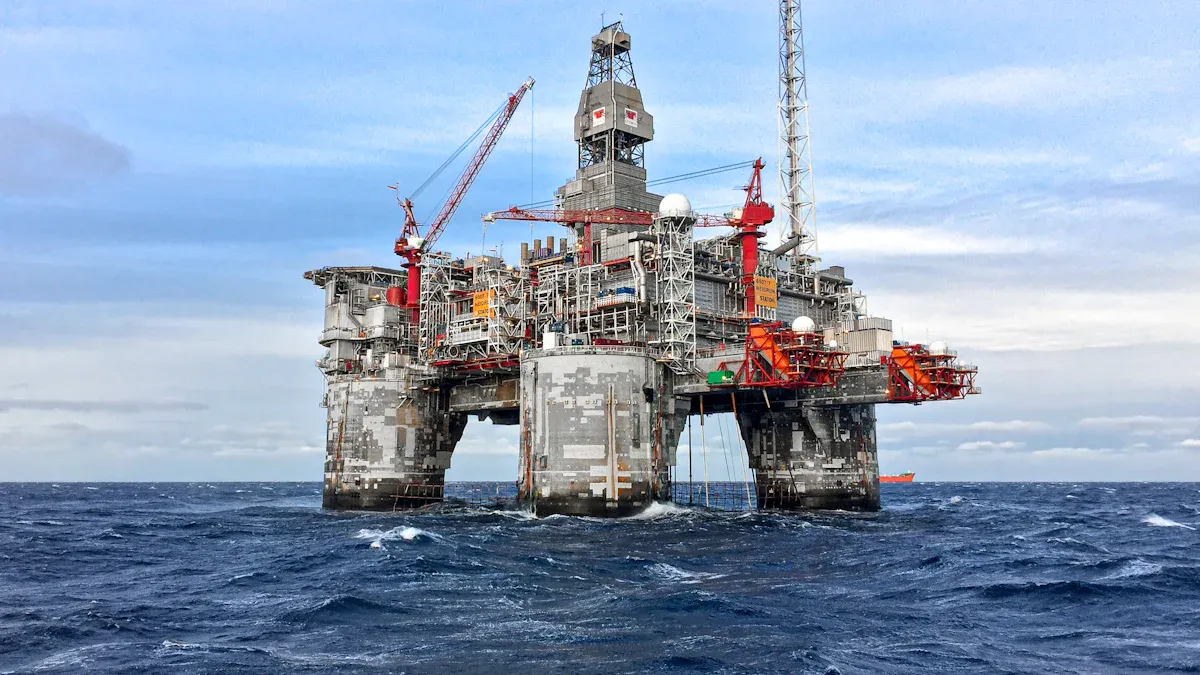
Steady control is very important. It stops hole deviation. This part talks about key ways. These ways use good plans. They use new technology. They use smart operations. They make sure the drill stays on track. This makes oil drilling rig steady control prevents deviation real.
Advanced Planning and Borehole Design
Good planning is the first step. It helps with good drilling. Before any drill starts, surveys are needed. These surveys map the ground. They find problems. Then, well planning uses this data. It plans the best path. This lowers the risk of hole deviation.
Picking the right tools is also key.
-
Equipment Selection and Calibration:
-
Choose the right drilling rigs. Pick the right drill bits. Use the right drilling fluids. Match them to the ground.
-
Set up tracking systems. This makes sure the path is exact.
-
-
Pre-Operational Equipment Inspection:
-
Check fluid levels. Look at drilling fluid. Check hydraulic fluid. Check engine oil. Look at coolant and fuel. Make sure they are oiled. This stops overheating. It stops broken parts.
-
Look at the drilling rig. Look for leaks. Check for worn parts. Look for dangers. Check hoses and belts. Look at fittings. Check electrical wires for damage.
-
Fix or change important parts. These include drill pipe connections. They include hydraulic seals. They include tracking sensors. This stops sudden breaks. Breaks can cause delays. They can harm the wellbore.
-
Check safety guards. Check emergency stops. Check alarms. This stops injuries at work.
-
Real-Time Monitoring and Data Analysis
Real-time data is key. It helps make quick changes. MWD and LWD are technologies. They give this data. MWD gets live info. It comes from the bottom of a wellbore. This happens as the drill moves. It gives teams instant facts. These facts describe rock layers. This helps drilling work better. It makes it more exact. It helps check layers better. It lowers damage to layers. This helps with deviation control.
MWD tools measure things. They measure angle. They measure direction. They measure weight on bit. They measure twist. This data makes sure the drill bit follows the path. It stops the wellbore from going off course. MWD tools are in the bottom hole part. Data goes to the top. It uses mud pulses. It uses electric waves. It uses wired drill pipe. Engineers make quick changes. This keeps the wellbore steady. It keeps it safe. This is true for directional drilling.
LWD gives live info. It helps with work. It helps steer a well. This is true for horizontal paths. This data helps find rock tops. It helps find core spots. It helps find casing depths. All these help keep the wellbore on its path. They stop hole deviation. MWD looks at engineering numbers. LWD looks at rock features. Together, they give full info. This is key to stopping hole deviation. MWD's path data and LWD's rock data help make better changes. This makes sure the drill bit stays in the right rock. It stops hole deviation. Both MWD and LWD are part of live drilling systems. They get data without stopping. They use similar ways to send data. These ways send data fast. People on top check this data. This helps make fast choices. It stops hole deviation. It lowers risks.
Precision Guidance and Stability Systems
Advanced systems are key. They give exact control. CEGC has a "Precision Guidance & Stability System." This system is a main fix. It fixes "Bore Deviation & Crossing Failure." This system gives steadiness. It gives alignment. It gives control. These are needed for rotary directional drilling. It keeps the Kelly bar centered. This lets it move up and down smoothly. It makes controlled movement. This makes drilling stronger. It protects parts from too much force. This is true in mixed ground.
This system makes drilling better. It lowers wear. It helps it work well always. It centers movement. It lowers shaking. It handles rubbing. This lowers wear. It holds the drill string. It makes the Kelly bar steady. It stops side movement. This keeps its center while turning. It limits wobbling. This lowers shaking. It protects the rotary drive. It protects keys. It protects bearings from hard hits. It keeps the hole deviation straighter. It lowers wear on locks. This keeps torque smooth. This is true during deep drilling. It keeps the Kelly bar lined up. It lines it with the drive socket. This makes torque even. It stops stress in one spot. It lowers torque spikes. This lowers the chance of breaking a key. This is true in tough jobs. It balances torque flow. This helps the drill bit turn smoothly. It lowers sticking. It makes it last longer in hard rock.
CEGC's system uses matched control. It matches push/pull. It matches turning. It matches feeding. It has a strong frame. This frame has carriage alignment. It lowers shaking and moving. It also works with tracking systems. This includes data logging. It includes process control. These make it a good automatic vertical drilling tool.
Utilizing Drill Stabilizers and Steerable Motors
Drill stabilizers are important tools. They keep the wellbore steady. They lower shaking. They stop accidental side turns. Non-rotating stabilizers have fixed blades. They stop the drill string from turning. They lower twist and shaking. They are used in soft ground. They are used in directional drilling. They keep the wellbore path. They stop sticking. Roller reamers also help. They center the BHA. They lower shaking down the hole. They stop the BHA from resting on the low side. This is true in a crooked hole. They lower BHA tiredness. Fixed Blade Stabilizers are best for less shaking. They keep the hole good. Roller Reamer Stabilizers keep the hole size. They lower twist and drag. They do this by reaming while drilling. Rotary Stabilizers are common. They make things steady. They stop shaking. They use turning blades. Spiral Blade Stabilizers have twisted blades. They lower sticking. They make things steadier.
Steerable motor systems guide the drilling path. These are 'point-the-bit' systems. They tilt the drill bit. They tilt it compared to the tool. They change the well path. They change the tool face angle. This makes the path change. It changes in the bend's way. Parts like two off-center rings bend the inside shaft. This makes a bend. A servo motor controls the bend. It turns against the drill string. This keeps the tool face steady. This happens while the collar turns. These systems are a type of automatic vertical drilling tool. They are key for making a well straight.
Optimizing Drilling Parameters and Techniques
Good ways to manage drilling settings are key. They keep the path straight. Weight on bit (WOB) must be managed well. Too much WOB can push the drill off course. Too little can make drilling slow. Rotary speed also needs to be right. The right speed cuts well. It lowers shaking. Mud flow is another key thing. Good mud cleans the hole. It makes the wellbore steady. It stops damage to layers. These good settings lead to faster drilling. They also lower the risk of hole deviation.
The Role of Horizontal Directional Drilling Machines in Deviation Control
CEGC's Horizontal Directional Drilling Rig is very accurate. It has good control. It fixes user problems. These include crooked bores. It meets the need for exactness. This is true for important crossings. A beacon in the drill head sends a signal. A receiver on top picks it up. This allows live checking. It allows changing the depth. It allows changing the direction. It allows changing other things. When a change is needed, the cutting head stops turning. Drilling on one side makes it off-center. This steers the head. For deeper bores, other systems use a steering tool. They use a probe in the drill head to guide it. The newest tools help install gravity pipes. This needs very exact vertical lining. Guided bores are made well. They have good line and level. A paper can check this. Rules from states and cities talk about how exact the drill head must be. This makes sure deviation control works well.
Consequences of Uncontrolled Wellbore Deviation
Financial Costs of Off-Target Drilling
Drilling off target costs money. Rework is often needed. This takes more time. It takes more effort. It uses more materials. Companies pay penalties. This is for crooked bores. This adds to the cost. Each foot of bad bore costs more. This hurts the budget.
Safety and Environmental Risks
Bad wellbore deviation is dangerous. The wellbore can become shaky. The hole can fall in. A stuck drill pipe is a risk. This stops drilling. It can break tools. Environmental harm can happen. Frac-outs are one example. Drilling fluid escapes. It goes into the ground. This can hurt nature. These risks are serious.
Operational Challenges and Project Delays
Deviation makes projects longer. It causes delays. The drill rig might stop. This is called downtime. Less work gets done. Overall work goes down. Fixing wellbore deviation takes time. It uses resources. This slows drilling. It makes the project less good.
Enhancing Efficiency with a Trenchless Drilling Rig
A good Trenchless Drilling Rig helps. It stops these problems. CEGC has such rigs. They drill very well. The drill stays on path. It means less rework. It lowers costs. It also makes work safer. This rig stops wellbore deviation. It makes sure the oil drilling rig steady control prevents deviation. This makes projects better.
Steady control is very important. It stops the drill from going off course. Good plans help. New technology helps. Skilled workers help. They control every drill. This makes the drill stay on track. It makes drilling safer. It makes it work better. It saves money. CEGC's drilling machine helps with this.
FAQ
What is drilling deviation?
Drilling deviation means the drill bit moves off its planned path. This makes the wellbore crooked. It causes many problems.
Why is steady control important for drilling?
Steady control keeps the drill on its planned course. This prevents costly rework. It also avoids safety risks. It makes drilling efficient. 🎯
How does CEGC help prevent drilling deviation?
CEGC offers a "Precision Guidance & Stability System." This system uses advanced control. It keeps the drill path accurate. This reduces deviation.


