
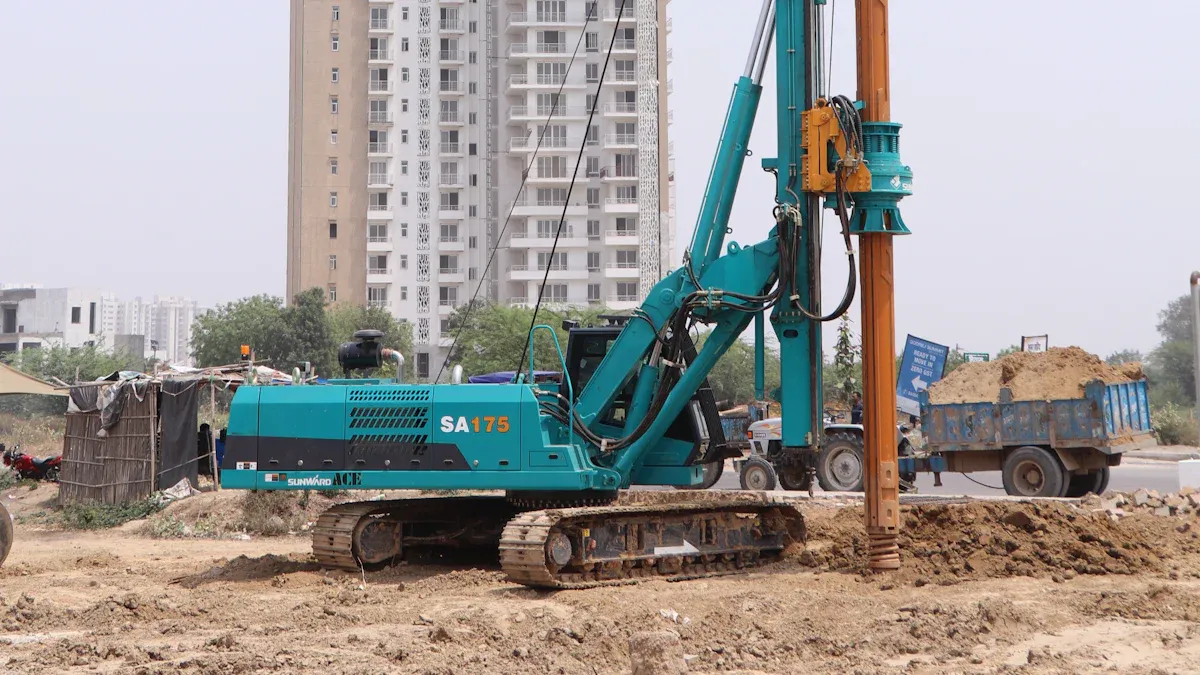
The need for putting things underground is growing. The ground itself can be a big problem. It changes from rough rocks to gooey dirt. Digging long ditches often doesn't work well. Or it can't be done at all. This is true in many different places. The horizontal directional drilling machine offers a new way. A CEGC machine handles these ground problems well. It shows a Directional Drill Machine Beats Cobble to Clay.
Key Takeaways
-
Directional drill machines use special tools.
-
They have strong power.
-
They drill through hard ground.
-
This includes cobble.
-
These machines change their tools.
-
They use special liquids.
-
They drill well in soft ground.
-
This includes clay.
-
Directional drilling is good for nature.
-
It makes projects faster.
-
It saves money.
-
This is compared to digging big trenches.
Ground Challenges: Cobble and Clay
Underground work is often hard. The ground can be tough. Cobble and clay are two types. Each type causes problems. These problems are for drilling.
Cobble: Hard, Abrasive, and Unpredictable Obstacles
Cobble ground is very hard. It has stones and pebbles. It also has rocks. They can be small. They can be big. The rocks are loose. They are also round. Some are pea-sized. Some are kickball-sized. Some are much bigger. This mix is not consistent. It is also not stable.
Drill bits can move off course. It is hard to drill straight. Rocks are in random spots. Their size changes. Their number changes. Cobbles can shift. They can also move. This makes the drill bit bounce. It can change the drill's path. Keeping a hole stable is hard.
Clay: Soft, Cohesive, and Prone to Sticking
Clay formations are also hard. Most drilled areas are shale and clay. These areas cause problems. Most wellbore issues happen here. Clay minerals can get wet. They soak up water. This makes the wellbore unstable.
Clay minerals are also weak. This changes how particles move. It changes the pore structure. Drilling fluids can react. They react with shale. This makes wellbores unstable. It can also make boreholes too big.
Why Traditional Methods Struggle with Diverse Strata
Old digging ways often fail. They fail in these conditions. Open trenching is hard in cobble. Shifting rocks make it unsafe. Keeping the trench stable is hard. In clay, old digging can cause collapse. Clay is sticky. This makes it hard to remove. These ways are slow. They cost a lot. They also cause problems above ground.
Conquering Cobble: Precision Drilling
Drilling through cobble needs special tools. It also needs strong machines. A CEGC horizontal directional drilling machine works well. It handles these hard conditions. It makes sure the job is done right.
Specialized Tooling for Rocky Conditions: Rock Bits and Hammer Systems
Cobble ground needs strong drill bits. It also needs good hammer systems. Center Rock Inc. makes many DTH hammers. They also make bits. These are from 3.5 to 48 inches wide. They work for many rock drilling jobs. This includes putting in foundations. It also includes utility lines. Carbide-tipped bits stay sharp longer. This means fewer tool changes. Top Hammer Systems hit from the top. They are good for shallow drilling. DTH Systems put the hammer behind the drill bit. This gives a strong, focused hit. It is great for deep, exact rock drilling. Vermeer also has special rock bits. The Ultra X3 HDD bits are an example. These bits help drill in hard ground.
High Torque and Thrust Capabilities of a Directional Drilling Machine
A strong directional drilling machine pushes hard. It also turns with great force. This power helps break through hard cobble. The machine can push the drill string. It can also spin the bit through thick rock. This power is important. It helps make progress in tricky ground.
Mud Motor Technology for Enhanced Cutting Power
Mud motors make cutting stronger. They use drilling fluids. These fluids become mechanical energy. This energy moves the drill bit. Mud motors give great bit control. They give steady power and speed. This helps with exact steering. It also helps with the best bit direction. This exactness makes bits last longer. It lets the drill cut harder. Mud motors can be set up in different ways. This helps them drill specific rock types. They make drilling better. They also make drilling faster. This is true even in hard rock.
Navigating Obstructions with Controlled Steering
Controlled steering is key in cobble. The drill path must miss big rocks. It must also stay straight. A directional drilling machine uses good guidance. This helps it steer around things. It keeps the hole exact. This careful steering keeps the project on time. This is how a Directional Drill Machine Beats Cobble to Clay.
Moving to Clay: Changing Ways
Moving from hard rock to soft clay needs new ways. A CEGC horizontal directional drilling machine changes how it works. This helps it do well in different ground.
Making Drilling Fluids Better for Sticky Clay
Drilling fluids are key in clay. They help keep the hole steady. They also stop clay from sticking. Special things added make the fluid work better.
|
Additive |
Good Points for Sticky Clay Ground |
|---|---|
|
Stops fluid loss. Makes a thin coating. Makes fluid thicker. |
|
|
DRILL-TERGE |
Makes things wetter. Stops clay from sticking to tools. |
|
CLAY CUTTER |
Makes clay bits stick less. Stops the hole from getting bigger. |
|
INSTA-VIS PLUS |
Makes drilling better. Stops clay. Makes the hole steady. |
These fluids stay good even when hot. They carry more stuff out. They also filter less. This helps clean the hole.
Changing Tools for Softer Ground: Paddle Bits and Fly Cutters
Different ground needs different tools. For soft ground like clay, paddle or blade bits work well. They are made for Horizontal Directional Drilling (HDD). They are good in clay and sand.
Other tools are also used:
-
Fly Cutter
-
Fluted Reamer
-
Barrel Reamer
-
Clay Reamer
Fly cutters are a type of reamer. They work well in clay. The clay helps keep the hole's shape. Fly cutters have a back part with a band. They can look like a wagon wheel. This design helps fluid get to the edge of the hole.
Keeping the Hole Steady in Clay Ground
Keeping the hole steady in clay is important. Clay can swell or fall in.
-
Pre-Drill Analysis: Experts use models. They check ground stress. They find safe mud weight. This stops collapse or breaks.
-
Optimized Mud Systems: Special water-based muds stop clay from swelling. Oil-based muds can be used. This is for very active clay. Mud properties are watched. They are changed often.
-
Drilling Practices: Drillers use steady speed. They use steady pressure. This helps move cuttings. It stops sudden pressure changes.
If problems happen, drillers add more fluid. They use thick fluid to clean the hole. They check the hole size. This helps a Directional Drill Machine Beats Cobble to Clay.
Keeping Steering Accurate in Softer Material
Steering in clay is not like rock. Clay gives less push back. This can make steering harder. The machine must stay on its path. Good guidance systems help. They keep the drill on course. This is true even in soft clay.
How Directional Drill Machine Beats Cobble to Clay: Core Technologies
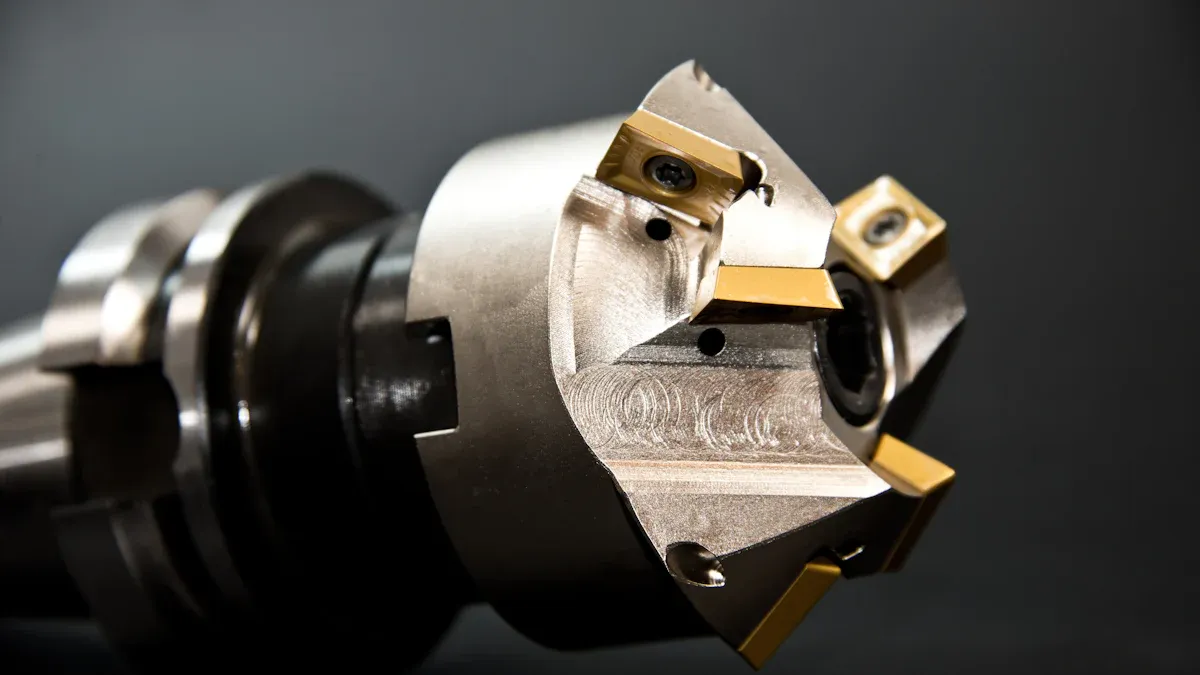
A CEGC machine uses new tech. It works well in many ground types. It handles hard cobble. It also handles soft clay. These main technologies help projects. They make them run smoothly. They also save money.
Precision Guidance Systems for Bore Accuracy and Stability
Being exact is key for underground work. CEGC machines have good guidance systems. These systems keep the drill on track. They stop it from going off course. The machine uses smart control. It manages push and pull. It also controls turning. It sets the speed. This helps keep the hole exact. The machine has a strong frame. It has good carriage setup. This stops shaking. It helps the drill stay steady. The system links with trackers. This gives real-time info. It helps control the process. This means the machine makes very exact holes. This is true for tough crossings. Roads or rivers are examples. It gets the job right the first time.
Anti-Stall Powertrain for Uninterrupted Drilling
Drilling can be hard. The drill can get stuck. This causes delays. It costs money. CEGC machines have a special engine. It stops the drill from getting stuck. It has strong turning power. This means it can turn hard. It also has many speeds. The machine uses fluid sensing. It also manages pressure. This helps it change for different ground. It controls how power starts and stops. This lessens sudden shocks. It protects drill rods and tools. This smooth power helps the machine drill. It keeps work moving. This is true in hard or mixed ground.
Tooling Compatibility and Durability for Cost Efficiency
Tools wear out. This raises costs. It also causes delays. CEGC machines work with many tools. They use different reamers. These include blade and fluted. Rock and barrel reamers are also used. This choice helps pick the best tool. The machine gives smooth power. This stops tool shaking. It makes tools last longer. Dr. Anya Sharma is an expert. She says tool material is key. Wear resistance is also key. Design matters too. These things affect tool life. They also affect how well tools work.
|
Ground Type |
Tool Material |
Durability (Hours) |
Compatibility Score (1-5) |
Cost Efficiency Index |
|---|---|---|---|---|
|
Sandy Loam |
High-Carbon Steel |
150 |
4 |
0.85 |
|
Rocky Terrain |
Tungsten Carbide |
300 |
5 |
0.92 |
|
Clay Soil |
Boron Steel |
200 |
3 |
0.78 |
|
Mixed Gravel |
Chromium Alloy |
250 |
4 |
0.88 |
Tests show tools with more tungsten carbide last longer. They resist wear better. This is true in different ground. Also, speed affects wear. Faster speeds wear tools quicker. Soil wetness also matters. Good wetness reduces rubbing. This helps tools last longer. Ground with many particle sizes can stress tools. This causes uneven wear. CEGC machines offer custom rod sizes. They have tool joint specs. They have strong wear protection. This helps match tools to the ground. It also matches them to preferred tools. This helps reduce tool changes. It lowers total costs.

Integrated Mud Management for Optimal Fluid Performance
Drilling fluid is very important. It cleans the hole. It also keeps it steady. Bad fluid can cause issues. It can lead to stuck pipes. Fluid can also escape. CEGC helps with pump size. This matches the pump to the hole length. It matches it to the ground type. The machines are ready for good fluid flow. They also have filters. This keeps the fluid clean. CEGC also helps with mud plans. This includes mixing goals. It includes checking. It also includes regular changes. This careful fluid care stops problems. It lowers the risk of fluid loss. It also helps avoid harm to nature. This is how a Directional Drill Machine Beats Cobble to Clay.
Good Things About Horizontal Directional Drilling in Different Ground
Horizontal directional drilling (HDD) has many good points. It works well in many ground types. These good points make it a top pick for today's projects.
Less Harm to Nature and Less Mess
HDD harms nature much less. It barely messes up the ground surface. This means little work is needed to fix the ground. Studies show HDD is 65% better for nature. This is compared to digging trenches. It guides pipes around things. This means things do not need to be moved. HDD lets many pipes go in a small space. This makes fewer rock cracks. It also uses less land. HDD stops water pollution underground. Old digging can make groundwater dirty.
Projects Are Faster and Work Better
HDD makes projects quicker. It causes very little mess. This helps work go fast. Projects end sooner. This saves time and money.
Saves Money Compared to Big Digging
HDD might seem more costly at first. But it saves money later. This is because it causes less surface harm. It also costs less to keep up. HDD avoids cutting roads and paths. It saves money by drilling under things. This includes gardens. Good pipes need less care.
|
Horizontal Directional Drilling (HDD) |
Big Digging (Trenches) |
|
|---|---|---|
|
First Cost |
Might look more costly per meter at first |
Can be cheaper per foot at first |
|
Total Project Cost |
Often saves a lot of money |
Costs more when all things are added |
|
Fixing Costs |
Small and much cheaper |
Needs full trench fill, new pavement, garden fixes |
Can Be Used for Many Utility Jobs
HDD is very flexible. It can put in many kinds of utilities. Small HDD machines handle pipes up to 12 inches. These are for city utility work. Regular HDD machines can put in pipes up to 48 inches. Smallest machines are for phone wires. Bigger machines put in pipelines. The machine size, dirt, and pipe width decide the range. Some jobs have gone over 6,000 feet. A close look at the ground helps pick the best tools. It also helps plan the drilling. This makes sure any project works.
The horizontal directional drilling machine works well. It handles tough ground. It goes from hard cobble to soft clay. Special tools help it. Smart guidance helps it. Strong power helps it. Good fluid control is important. A CEGC Horizontal Directional Drilling Rig is very good. It is the best for today's utility jobs. This Directional Drill Machine Beats Cobble to Clay.
FAQ
How does a directional drill handle cobble?
A directional drill uses strong bits and high power. It pushes through hard rock. Mud motors also help cut better. This allows it to drill in tough ground.
What makes a directional drill good for clay?
It uses special fluids to stop sticking. Different tools like paddle bits work well. The machine also keeps the hole stable. This helps it drill smoothly in soft clay.
Why is fluid management important?
Good fluid keeps the hole clean. It also stops the drill from getting stuck. Proper fluid prevents ground damage. This makes drilling safer and more efficient.


