
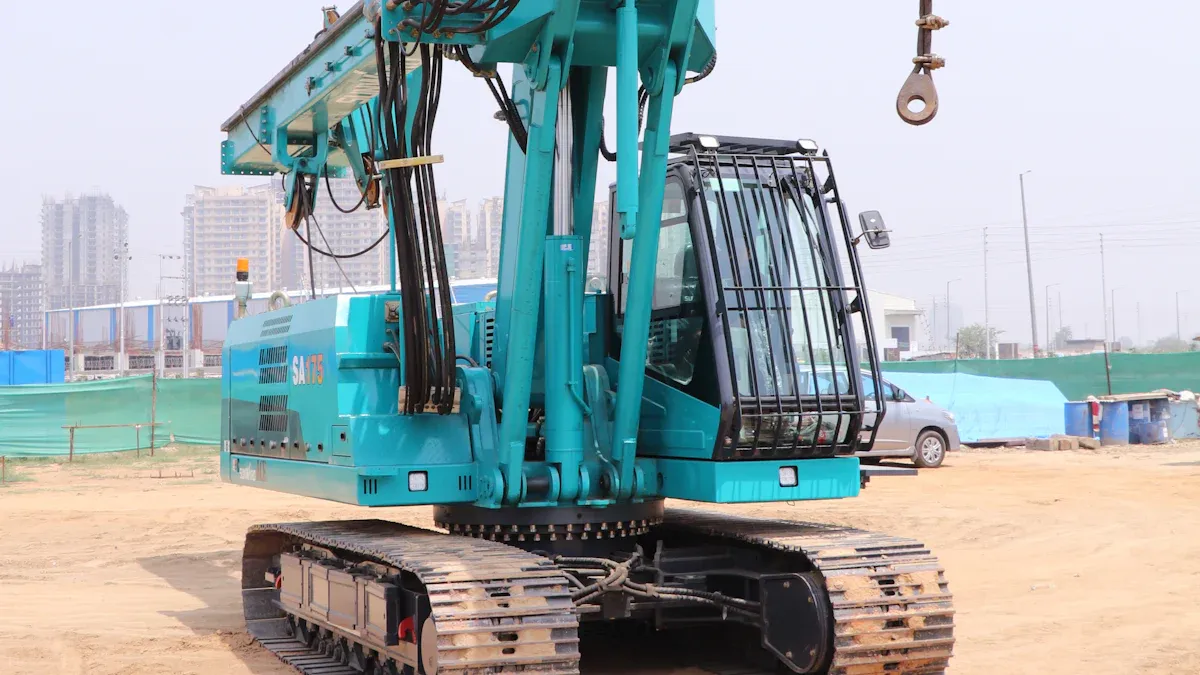
You want something that helps you finish work faster and saves money. CEGC’s horizontal directional drilling machine lets you move quickly. Automation and new technology cut down on hand work. Less mess on the ground means less cleaning up. Directional Drill Machine High Speed Transit saves time for your team and your budget.
Key Takeaways
-
Directional drill machines do not disturb the ground much. They make small holes, so there is less mess and cleanup is quicker.
-
Automation and smart guidance systems help with better accuracy. This means there are fewer errors and jobs finish faster.
-
Remote operations let teams work in a better way. You can control jobs from far away, which saves money and keeps people safer.
Directional Drill Machine High Speed Transit Saves Time
Minimizing Surface Disruption
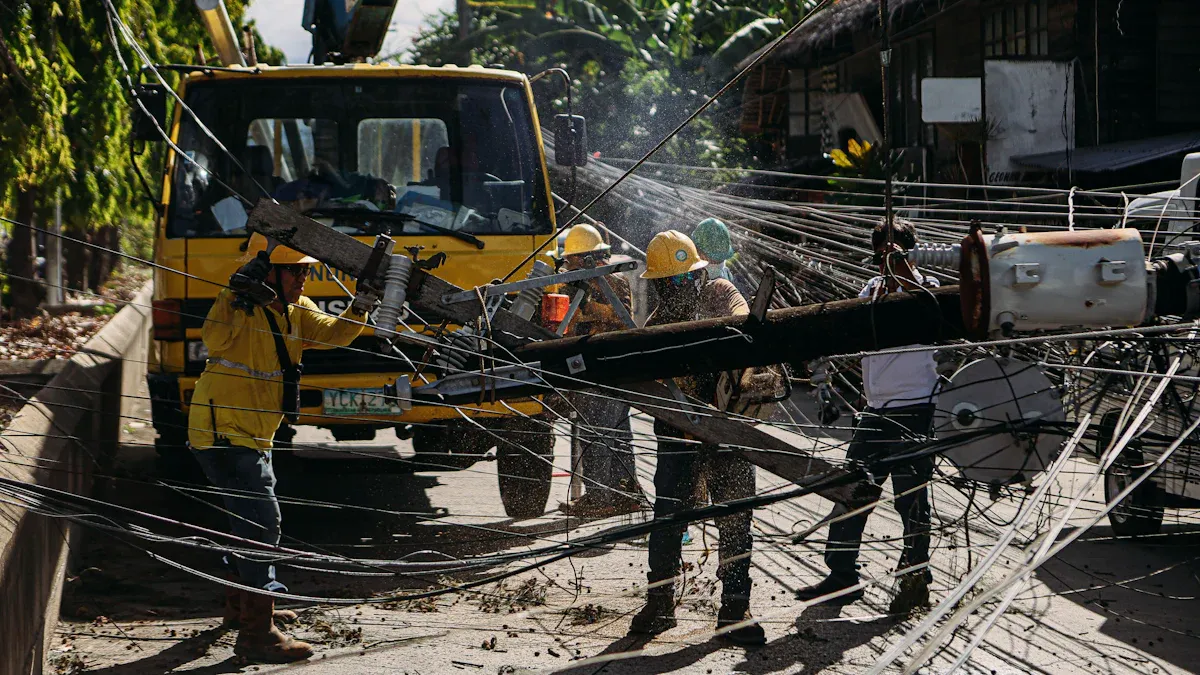
You want your project to finish quickly and not cost too much. The directional drill machine high speed transit helps you save time. You do not need to dig up the whole street or block sidewalks. You only make small holes for entry and exit. This means less mess and less work fixing the ground after you finish.
Let’s see how this is different from old trenching ways:
|
Aspect |
Traditional Trenching |
|
|---|---|---|
|
Surface Disturbance |
Dig up the whole path |
Only entry and exit spots disturbed |
|
Traffic Disruption |
Long lane closures and delays |
Roads stay open, less disruption |
|
Restoration Costs |
High costs for fixing pavement and plants |
Lower costs for fixing things |
|
Environmental Impact |
More risk of erosion and soil problems |
Less harm to the environment |
|
Project Timeline |
Slower because of many steps and cleanup |
Faster finish with fewer steps |
You keep roads open and businesses working. You also spend less money fixing things and help the environment. With less traffic trouble, your team finishes faster. The directional drill machine high speed transit makes every step easier and quicker.
Automation and Precision Guidance
You do not want to guess where the drill goes. Being exact is important. The directional drill machine high speed transit saves time by using smart guidance systems. These systems give you feedback and help you stay on track. You make fewer mistakes and do less rework.
Modern machines use features like load-matched control and strong frames. These designs keep the drill steady and stop shaking. You get a straight and accurate bore every time. Automation handles simple tasks, so you need fewer people at the site. You can trust the machine to do hard jobs with less risk.
Here’s what you get with smart automation and guidance:
|
Feature/Benefit |
Description |
|---|---|
|
Bit Guidance System |
Gives you feedback and helps steer the drill. |
|
AutoSlide Technology |
Automates steps, so you can focus on bigger things. |
|
Cost Reduction |
Cuts drilling time and lowers risks, especially on tough jobs. |
|
Accuracy Improvement |
Makes bores twice as accurate, so you avoid mistakes. |
|
Time and Cost Savings |
Customers save weeks and lots of money on big projects. |
When you use a directional drill machine high speed transit, you get more control and better results. You finish jobs faster and avoid problems from mistakes.
Simultaneous and Remote Operations
You want your team to work smarter, not harder. The directional drill machine high speed transit lets you do many tasks at once. You can drill, watch, and adjust without stopping everything. Remote operation lets you move staff off-site and keep only the people you need at the drill.
Smart algorithms help you steer the drill right away. You make quick choices and keep the project moving. Fewer people at the site means lower labor costs and a safer work area. You get more done with less effort.
-
Remote control centers let you manage the drill from a safe place.
-
Automation cuts down on manual checks and changes.
-
You can keep your best people focused on planning, not just running the machine.
With these tools, the directional drill machine high speed transit saves time on every project. You see the difference in your schedule, your budget, and your team’s safety.
Key Features of Horizontal Directional Drilling
Anti-Stall Powertrain & Overload Protection
You want your project to go well. CEGC’s machines use anti-stall powertrain and overload protection. These features help stop stuck pipe and torque spikes. The machine senses pressure changes and adjusts power. You do not need to worry about damaging rods or tools. Drilling stays steady, even in hard ground. This means less downtime and fewer repairs. CEGC’s rigs are reliable because of good quality control and smart design.
Tooling Durability & Compatibility
Tooling is important in horizontal directional drilling. If tools break or wear out fast, you lose time and money. CEGC’s rigs work with many reamers and cutters. You can pick what fits your job best. Better tooling durability helps you in these ways:
-
Fewer failures mean you stay on schedule.
-
Less breakdowns lead to lower repair costs.
-
You spend less on maintenance and more time drilling.
You avoid delays and keep your project moving. CEGC’s machines let you match tools to the ground. You get the best results every time.
Fluid Management Solutions
Good fluid management keeps your drill working well. The right mud program can stop stuck pipe and reduce tool wear. For example, a contractor in West Texas used a custom fluid mix. They finished a tough bore much faster. You save money and protect the environment with advanced fluid systems. Here are some benefits:
|
Benefit |
Description |
|---|---|
|
Onsite processing cuts disposal and transport costs. |
|
|
Resource Recovery |
You can reuse bentonite and water, lowering material costs. |
|
Environmental Compliance |
Advanced tech helps you meet rules and avoid fines. |
With CEGC’s specs and custom options, you get a drill that fits your needs and keeps your job moving.
Real-World Time Savings with HDD
Case Studies and Measurable Results
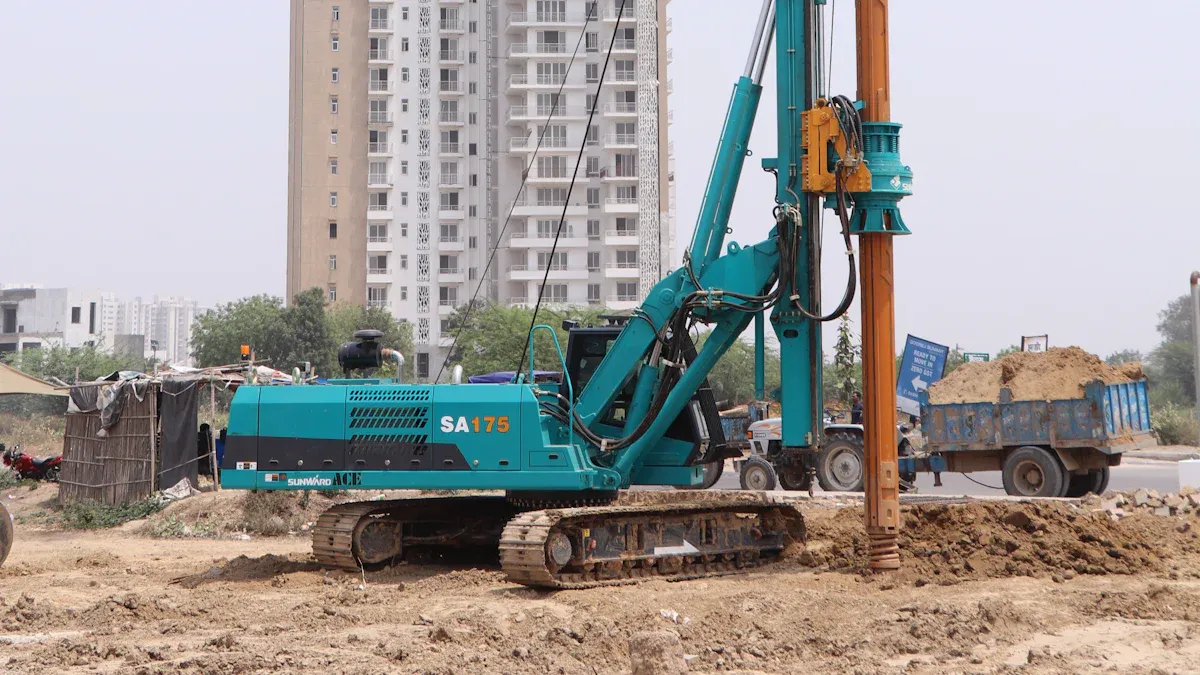
You want to know if horizontal directional drilling really works. Let’s see what happens on real jobs. A utility contractor in a busy city finished a water line job in just three days with a CEGC horizontal directional drilling machine. The old way would have taken more than a week. Crews did not need to dig up streets or block traffic. There was less mess and fewer people complained.
Another team used HDD for a fiber optic job. They drilled under a river and did not stop boat traffic. The job finished early. You get more work done in less time. This means you finish jobs faster and keep your clients happy.
Tip: Track your project times before and after using HDD. You will see shorter schedules and easier workdays.
Comparison to Traditional Methods
You might wonder how HDD compares to open trenching. Trenching can look cheaper at first. But you pay more for fixing roads and extra workers. In cities, fixing streets and sidewalks costs a lot. Horizontal directional drilling may cost more per foot at the start. You save money later because you do less fixing and cleaning up.
Let’s compare:
|
Method |
Surface Disruption |
Restoration Cost |
Jobsite Productivity |
|---|---|---|---|
|
Trenching |
High |
High |
Lower |
|
HDD |
Low |
Low |
Higher |
You finish faster and spend less time fixing things. HDD helps you get more done and stay on budget.
You finish work faster with CEGC’s horizontal directional drilling machines. Technical solutions and automation help you have less downtime. They make the machines more reliable and easier to fix. You get safer jobs and better results. You can pick CEGC’s standard specs or make your rig fit your project.
FAQ
How does a directional drill machine save you time?
You finish jobs faster because you avoid digging big trenches. You use trenchless technologies to keep roads open and reduce cleanup.
Can you use a directional drill machine for different projects?
You can use it for water lines, fiber cables, and gas pipes. It works well in cities and rural areas.
Is it hard to operate a directional drill machine?
You get easy controls and guidance systems. You do not need special skills. The machine helps you stay on track.
Tip: Ask your supplier about training and support before you start.


