
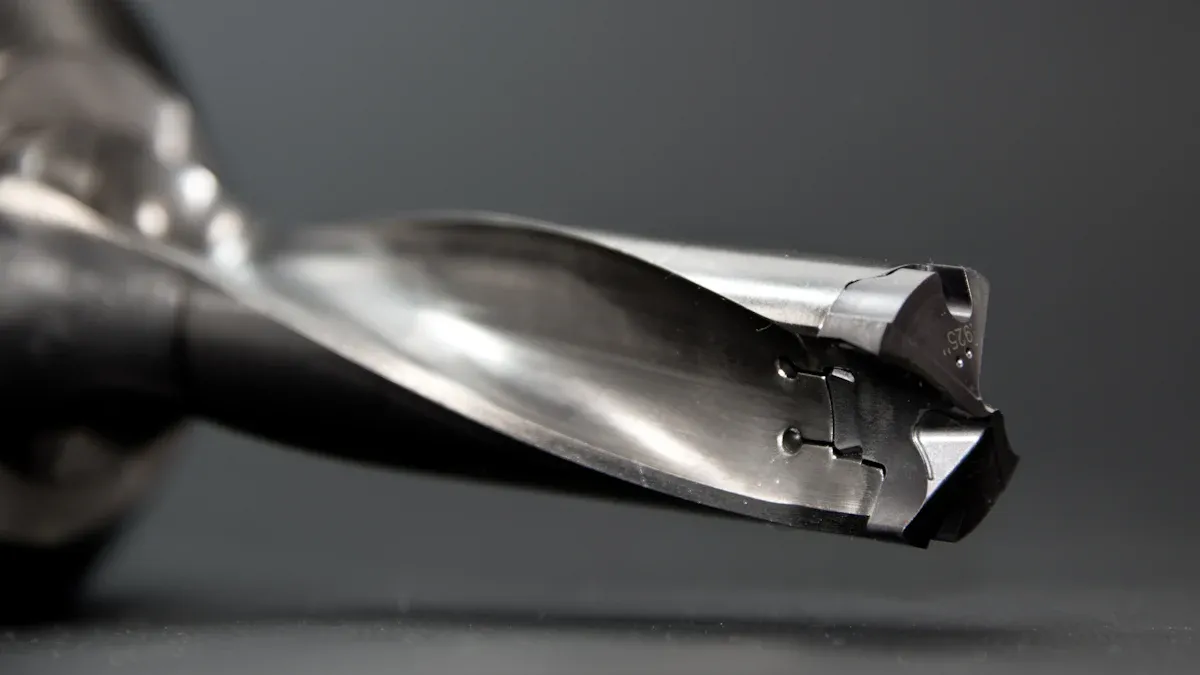
You can achieve Horizontal Directional Boring Ultra Fast Movement by adjusting your drill settings effectively. Maintaining a steady weight on bit and RPM will enhance your drilling efficiency. Utilize advanced rigs equipped with special features from CEGC for optimal project performance. For faster drilling, consider adjusting settings to 60 RPM and 100 kN WOB.
Key Takeaways
-
Pick a drill rig that has strong torque. This helps you drill faster in hard soils. - Use new technology like real-time monitoring and automation. These tools make drilling more accurate and quick. - Use good mud management plans. This stops delays and keeps drilling going smoothly.
Ultra Fast Movement in Horizontal Directional Boring
Drill Rig Selection & Capabilities
To get ultra fast movement in horizontal directional boring, you need the right drill rig. A rig with high-torque output helps you drill through hard soils and rocks quickly. High-torque rigs save time and let you finish jobs faster. Steady torque keeps your bore path straight, which is important for projects needing exact alignment. CEGC has horizontal directional drilling machines with settings you can change for torque and thrust. You can match the rig’s power to the ground and the length of your bore.
When picking a rig, look for these features:
-
Precision guidance systems help you drill accurately.
-
Stability systems lower vibration and keep the drill steady.
-
Anti-stall powertrains stop the drill from getting stuck.
-
Overload protection systems watch the load and shut down if needed.
Tip: Doing regular maintenance is better than having unexpected breakdowns. Pick a rig that is easy to maintain and keeps your work going smoothly.
Labor shortages can slow your project. You want a machine that is simple to use and dependable. CEGC’s rigs help you get more work done and earn more by focusing on reliability and productivity.
Advanced Trajectory & Automation
Modern technology has changed how you do horizontal directional boring ultra fast movement. Advanced steering tools let you control the drill’s direction. Accelerometers and gyroscopes show the drill’s angle and position. Surveying and tracking systems help you stay on the planned path. GPS and electromagnetic locating systems make drilling even more accurate.
Automation helps you drill faster and better. New technology uses real-time data to change the drill’s path. You can see where the drill is and make changes right away. This keeps your bore on target and lowers mistakes.
|
Advancement Type |
Impact Description |
|---|---|
|
ROP and footage |
Drilling is 15–40% faster with steady rotation and good settings. |
|
Placement accuracy |
Bore placement errors drop by 30–60%; fewer exit problems. |
|
Telemetry impact |
Decisions happen in seconds with fast data transfer. |
|
Autonomous RSS |
Sensors and controls steer automatically for precise targeting. |
|
High-speed telemetry |
Fast data links help optimize drilling in real time. |
|
Drilling automation |
Smart controls change speed and force to drill faster and reduce vibration. |
Real-time monitoring makes drilling more accurate and faster. Advanced guidance systems let you spot and fix mistakes right away. For example, bit projection errors can be less than one foot, even over long distances. This control is important for horizontal directional boring ultra fast movement.
Specialized Tools & Bit Optimization
You need the right tools to drill at top speed in horizontal directional drilling. Special bits and downhole tools help a lot. Full Face Hole Openers, Downhole Jet Pumps, and Weeper Subs let you drill faster and stop fluid leaks. Advanced PDC bits last longer and give you better control, so you spend less time changing tools.
Matching tools to the soil type matters. The right bits, blades, and reamers help you avoid damage and keep your work efficient. For sandy or clay soils, moderate torque tools work best. For hard rock or boulders, you need high-torque rigs and strong bits.
-
Use tools made for your soil conditions.
-
Pick bits that are fast and tough.
-
Make sure your rig and tools work well together.
Note: Using the right tools and technology helps you avoid expensive delays and keeps your project moving fast.
By focusing on picking the right drill rig, using advanced trajectory control, and choosing special tools, you can get horizontal directional boring ultra fast movement. CEGC’s horizontal directional drilling machines give you the flexibility and technology you need for any project.
Efficient Operations in Horizontal Directional Drilling
Mud Management & Fluid Integration
You have to handle drilling fluids the right way to keep things moving fast. Good mud management stops the pipe from getting stuck. It also keeps the borehole safe and steady. You should check the mud’s thickness, weight, and pH a lot. Mud pumps and tanks help you move and reuse the fluids. Fluid testing kits show if your mud is working well. The table below lists some important strategies:
|
Strategy |
Description |
|---|---|
|
Regular Monitoring |
Check viscosity, density, and pH levels regularly. |
|
Use of Mud Pumps |
Essential for effective fluid management. |
|
Fluid Testing Kits |
Assess fluid properties on site. |
|
Storage Tanks |
Manage and recycle drilling fluids. |
How you handle fluids depends on your site. You need to know the ground, how deep you drill, and where pipes are. This helps you pick the best fluid plan and avoid slowdowns.
Real-Time Monitoring & Adjustments
You can make things faster and stop delays by watching drilling numbers as you work. Track how deep you go, where you are, and how much pressure and torque you use. Collect info about fluid coming back and how the ground moves. Use radios or phones so your team can act fast. Write down what you do and any problems you see. Always have a backup plan for lost fluid or broken tools.
-
Watch drilling numbers all the time.
-
Track how much fluid comes back and ground movement.
-
Talk with your team often.
-
Write down your work and any issues.
-
Be ready for common problems.
Crew Coordination & Route Planning
Your crew needs to work together to keep the job going well. Plan your path by checking the ground and looking for things in the way. Use live updates to change plans for weather or site changes. Make sure everyone follows the same steps so there are fewer mistakes. Link your systems to help make choices faster. This way, you work better and finish on time.
|
Strategy |
Description |
|---|---|
|
Use tracking to update crews and reroute as needed. |
|
|
Enhanced decision-making |
Integrate systems for faster, better choices. |
|
Standardized workflows |
Use uniform steps to reduce errors and help new team members. |
|
Scalability and consistency |
Keep operations steady as your team grows. |
|
Cost optimization |
Plan routes and fuel use to save money and time. |
CEGC’s pump packages and maintenance help you follow these tips. They keep your horizontal directional drilling machine working well.
Safety & Quality at High Speed
Balancing Speed & Safety
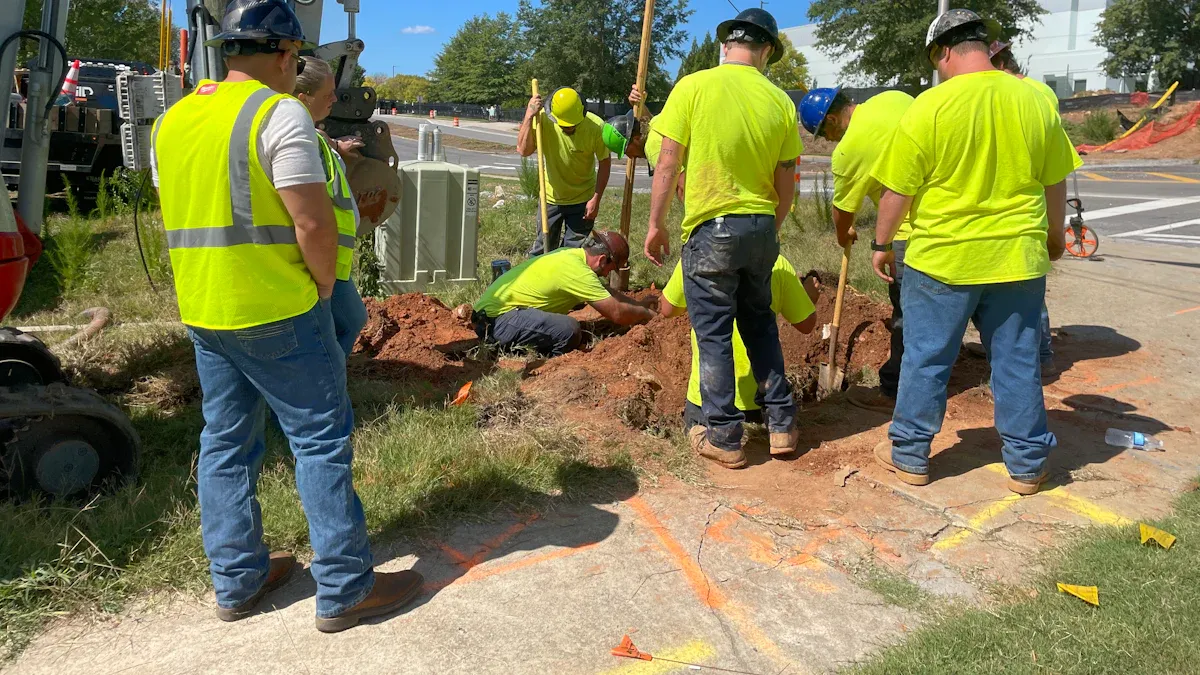
You want to work quickly, but safety is important. High-speed horizontal directional boring can cause problems. These include soil instability, water getting in, hitting utilities, and equipment breaking. You can handle these risks by using smart methods:
|
Risk |
Mitigation Strategy |
|---|---|
|
Soil Instability |
Check the soil, change drilling settings, and improve the ground. |
|
Water Ingress |
Remove groundwater and change drilling fluid to control water. |
|
Utility Conflicts |
Use special tools to map utilities and check locations before drilling. |
|
Equipment Failures |
Do regular maintenance, train your team, and watch equipment as you work. |
Advanced drilling technology helps you work better. Mud motors near the drill bit help you steer exactly. Rotary steerable systems let you drill and steer at the same time. This keeps your bore on the right path, even in hard ground.
Tip: Always move the drill slowly in and out, especially in tough spots. Check your mud often and use flow checks to find problems early.
Ensuring Bore Quality
You need to keep your bore straight and strong, even when working fast. The right drilling fluid stops the hole from falling in. Guided boring systems use tracking to help you stay on course. Real-time monitoring lets you see soil changes and fix them right away.
-
Use a trip tank and check fluid flow often.
-
Stop pipe movement in sensitive spots to let pressure settle.
-
Circulate bottoms-up before moving the pipe to clear cuttings.
Quality control is important. Better measurement systems help you manage the process and improve quality. This lowers mistakes and keeps your reputation safe. Real-time soil analysis helps you place wells exactly where you want, making your project successful.
You get ultra fast movement in horizontal directional boring by picking advanced equipment. You also need to use control systems that are very accurate. It is important to follow good work habits and rules. CEGC’s horizontal directional drilling machines can be changed to fit your needs. These machines help you finish jobs faster and keep you safe.
|
Aspect |
Benefit |
|---|---|
|
Advanced Equipment |
Makes drilling quicker and more accurate |
|
Helps keep workers safe and projects steady |
FAQ
What is the pullback process in horizontal directional drilling?
You use the pullback process to bring the pipe back through the borehole. This process needs careful planning. You must monitor the drill and use the right drilling technology.
How do you monitor the drill during the process?
You monitor the drill by checking data from sensors. This process helps you see if the pullback is smooth. You can stop problems before they slow the process.
Why is the process important for pullback speed and quality?
The process controls how fast you finish the pullback. You need a good process to keep the pipe safe. The process also helps you use the best drilling technology.


