
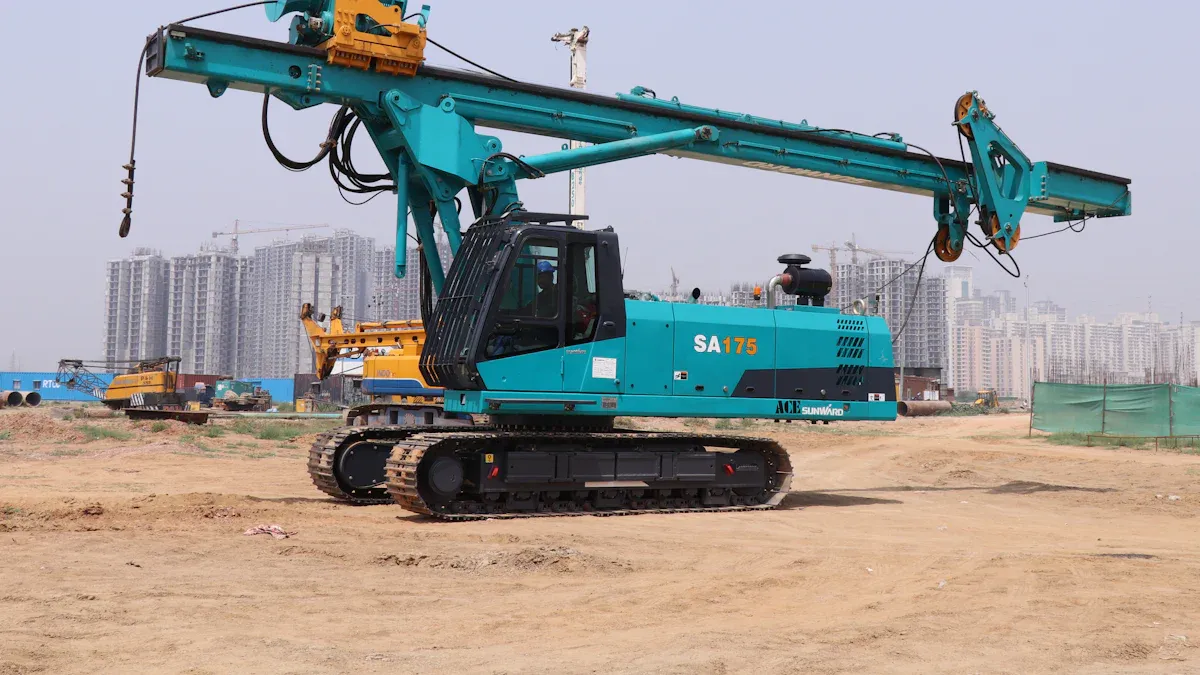
You need a Well Drilling Rig Quick Transport Handles Multi Sites when you need to move fast. Portable, truck-mounted, and track-mounted rigs help you move and set up quickly. You can see CEGC’s horizontal directional drilling machine and Trenchless Drilling Rig in power, telecom, and city projects around the world. Always look at your ground, project needs, and technical problems before you pick your rig.
Key Takeaways
-
Pick the right rig type for your project and land. This helps drilling go faster and saves time.
-
Think about how easy it is to move and set up the rig. Truck-mounted rigs are best if you change sites a lot.
-
Plan how you will move the rig and get to the site. Knowing local rules and land can stop delays and extra costs.
Well Drilling Rig Quick Transport Handles Multi Sites
Trailer-Mounted Rigs Overview
You want a well drilling rig quick transport handles multi sites when you need to move fast and work on many locations. Trailer-mounted rigs give you high mobility. You can tow this equipment with a truck or utility vehicle. You set up and take down the rig quickly. This makes trailer-mounted rigs a smart choice for small exploration jobs or when you need to drill many shallow wells in a short time. The design of this equipment means you spend less time moving and more time drilling. You can use a small portable water well drilling machine for even faster moves between sites. This type of portable drilling rig works best on roads and flat ground. You get good mobility, but you need to check if the towing vehicle matches the terrain.
Truck-Mounted Drilling Rigs for Mobility
Truck-mounted drilling rigs stand out when you need to change sites often or travel long distances. You can drive this equipment directly to each location. You do not need extra towing vehicles. These rigs have features that help you work in both cities and remote areas. The compact design lets you fit into tight spaces. The all-terrain chassis helps you cross rough ground. You save time because you can set up and start drilling quickly. The modular design means you can take apart and put together the equipment fast. You also meet transport rules, so you do not face delays. Here is a table that shows why truck-mounted drilling rigs are ideal for frequent moves:
|
Feature |
Description |
|---|---|
|
Off-Road and Remote Access |
All-terrain chassis lets you reach tough sites. |
|
Urban or Confined Spaces |
Compact size fits into small job sites. |
|
Transport Efficiency |
Quick deployment and reduced setup time. |
|
Modular Design |
Easy to take apart and reassemble. |
|
Compliance with Regulations |
Meets transport rules for fast site changes. |
You see CEGC’s horizontal directional drilling machine and Trenchless Drilling Rig used in many projects. These rigs give you market-standard specs and project-based customization. You get the right equipment for your job, whether you work for a contractor, utility, or EPC.
Crawler Rigs and Terrain Adaptability
You need crawler water well drilling rigs when you face rough or uneven ground. These rigs move on tracks, not wheels. You get better stability and can work on slopes, mud, or rocky soil. Crawler water well drilling rigs handle many soil types and keep working where other rigs stop. You control the equipment easily, and some models have automation to help you drill straight and fast. Here is a table that compares crawler water well drilling rigs, truck-mounted drilling rigs, and trailer-mounted rigs:
|
Feature |
Crawler Rigs |
Truck-Mounted Rigs |
Trailer-Mounted Rigs |
|---|---|---|---|
|
Mobility |
Best for tough terrain |
Good for roads and moderate terrain |
Depends on towing vehicle |
|
Stability |
Very stable on uneven ground |
Less stable on rough terrain |
Moderate stability |
|
Versatility |
Works in many soil types |
Limited to certain terrains |
Limited versatility |
|
Durability |
Built for heavy-duty jobs |
Less durable in harsh conditions |
Varies by design |
|
Ease of Operation |
Simple controls and automation |
More complex operation |
Varies, often less user-friendly |
Crawler water well drilling rigs do have some challenges. Wet ground can slow you down. The tracks may damage soil, which can raise costs. You need to plan for these issues to keep your project on track.
|
Challenge |
Description |
|---|---|
|
Tracks can slip or sink, causing delays. |
|
|
Soil damage |
Tracks may harm the ground, leading to extra work and cost. |
|
Project cost overruns |
Poor planning for terrain can make your project more expensive. |
Comparison Table: Rig Mobility and Setup
You want to pick the right well drilling rig quick transport handles multi sites for your job. Here is a table to help you compare the main types:
|
Rig Type |
Mobility |
Setup Speed |
Best Use Case |
Terrain Suitability |
|---|---|---|---|---|
|
Trailer-Mounted |
High (on roads) |
Fast |
Small jobs, frequent moves |
Flat, accessible |
|
Truck-Mounted |
Very high (all roads) |
Very fast |
Long distances, urban/remote sites |
Most terrains |
|
Crawler |
Best (off-road/rough) |
Moderate |
Challenging terrain, heavy-duty jobs |
Slopes, mud, rocky soil |
You see that truck-mounted drilling rigs give you the best mix of mobility and fast setup. Trailer-mounted rigs work well for small, flat sites. Crawler water well drilling rigs win when you face tough ground.
When you use CEGC’s horizontal directional drilling machine, you solve many technical pain points. You get precision guidance to avoid bore deviation. The anti-stall powertrain helps you avoid stuck pipe and downtime. The equipment supports many types of tools, so you reduce tool wear and cost. You also get strong fluid management to keep your drilling safe and clean. This makes your water well drilling rig work better and last longer.
You need the right equipment to handle multi-site jobs. The well drilling rig quick transport handles multi sites when you match the rig type to your project, terrain, and technical needs. You get more work done, save time, and lower costs.
Choosing the Right Water Well Drilling Rig for Multi Sites
Transport Logistics and Site Access
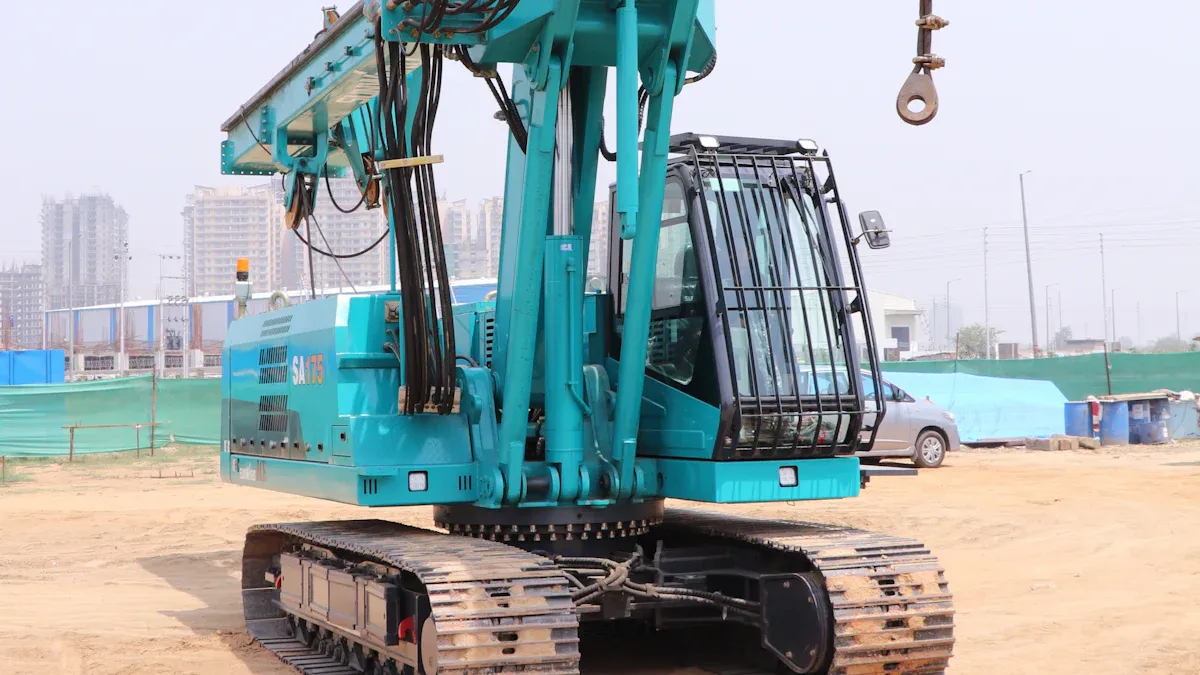
If you work at many sites, you face transport problems. You must think about moving your water well drilling rig. The way you move it depends on the ground and local rules. Some places let trucks in, but others have rules about land use. Truck size can change how fast you move your equipment. You also need to watch water tank levels so you do not get delayed. Using the same routes for your trucks can help you work faster. Many companies use electronic field management systems with SCADA to plan and guess what transport they need.
Getting to the site can limit your choices. You may need a rig that works on rough ground or in small spaces. Sometimes, a bigger rig can finish the job faster, but you must follow environmental rules. If you use a small track-mounted rig, you might need more manual work to get past obstacles. These limits can add time and cost to your project. You should always plan for these problems before picking a water well drilling rig.
-
Think about these things for transport and site access:
-
Terrain type and land use rules
-
Truck or trailer size
-
Water supply and tank checks
-
Regular transport routes
-
Electronic management systems for dispatch
-
Environmental rules
-
Manual work for tough sites
-
Setup Time and Crew Needs
You want to finish your projects fast. The setup time for a water well drilling rig is now shorter. Some rigs can finish a well in 15 days, not 40 days like before. The number of workers matters too. If you add more people to each shift, you can set up and drill faster. For example, some companies use six workers instead of five to work quicker. You should match your crew size to the rig and job. Fast setup and the right crew help you save time and money.
Tip: Pick a rig that is easy to set up and plan your crew size for each job. This will help you drill faster and better.
Customization and Technical Features (CEGC HDD)
You need a water well drilling rig that fits your project. CEGC gives you horizontal directional drilling machines with standard specs and custom options. You can pick features like precision guidance to keep your bore straight. The anti-stall powertrain helps you avoid stuck pipes and downtime. You also get strong fluid management to keep your drilling safe and clean. CEGC rigs work with many tools, so you can match the rig to your ground and job. You can also add tracking systems and data logging for better control.
-
Important technical features from CEGC:
-
Precision guidance and stability system
-
Anti-stall powertrain and overload protection
-
Tooling compatibility for different soil types
-
Integrated fluid management solutions
-
Custom torque, thrust, and control packages
-
These features help you fix common problems like bore deviation, tool wear, and fluid issues. You get a rig that works well for moving jobs and multi-site work.
Durability and Tooling Compatibility
You want your water well drilling rig to last and work with many tools. A modular, field-convertible design lets you change casing sizes and drilling methods. This makes it easier to handle changes in your project. If you use a rig with simple inventory management, you do not need many spare parts. This cuts downtime and keeps your work moving. Compatibility with many drilling methods helps you make quick choices and adapt to new places.
|
Feature |
Benefit |
Impact on Operational Flexibility |
|---|---|---|
|
Modular, field-convertible design |
Works with different casing sizes and methods |
Helps you respond to changes quickly |
|
Simple inventory management |
Less need for many spare parts |
Makes work easier and reduces downtime |
|
Compatibility with many methods |
Lets you decide faster and adapt to new places |
Improves efficiency and lowers non-productive time |
You should also look for rigs with advanced fluid systems and real-time monitoring. These features help you manage tool wear and keep your drilling safe. Some operators have saved days and lots of money by using good fluid transfer systems and advanced drilling software.
Checklist for Rig Selection
When picking a water well drilling rig for many sites, you need to look at key features, advantages, and limits. Use this checklist to help you decide:
|
Rig Type |
Key Features |
Advantages |
Limitations |
|---|---|---|---|
|
Trailer/Fixed Rigs |
Detachable, good for consignment |
Easy to move, used in many ways |
Not stable on rough ground |
|
Crawler Rigs |
Fixed drilling direction, adjustable legs |
Handles heavy loads, good for tough ground |
Only drills straight down |
|
Truck-mounted Rigs |
Built with truck for moving |
Quick setup and moving, does many jobs |
May need big vehicles for transport |
-
Ask yourself these questions:
-
What is the ground like at each site?
-
How much time do you have for setup and drilling?
-
What are the local transport and land use rules?
-
Do you need special features like precision guidance or fluid management?
-
What is the cost of the water well drilling rig and its maintenance?
-
Will the rig work with your tools and crew?
-
If you follow this checklist, you can pick the best rig for your needs and keep your projects going.
When you pick the right rig for your job, you get better results. You need to think about your project, the ground, and what the rig can do. The table below shows how this helps your work and saves money:
|
Aspect |
Impact on Operational Outcomes |
|---|---|
|
Makes your work better and faster |
|
|
Project Needs |
Helps you finish your job the right way |
|
Terrain Considerations |
Helps you choose the best equipment |
|
Technical Requirements |
Saves money and works more efficiently |
Talk to CEGC if you want a horizontal directional drilling machine that fits your needs. Use the checklist to help you make good choices and feel sure about your plan.
FAQ
What makes CEGC’s horizontal directional drilling machine good for multi-site projects?
You can set up the machine quickly. It moves easily from place to place. You can change its features to fit your job. The machine works on many types of ground. It helps you finish faster and spend less money.
How do you choose the right well drilling rig for your site?
-
Find out what kind of ground you have.
-
Think about what you want to do.
-
Check what the job needs.
-
See what each rig can do.
-
Ask if you can change the rig to fit your work.
Can you use CEGC rigs with different tools and fluids?
|
Tool Type |
Fluid System |
|---|---|
|
Blade reamers |
Integrated pumps |
|
Rock cutters |
Filtration units |
|
Barrel tools |
Cooling upgrades |
You pick the right tools and fluids for your job.


