
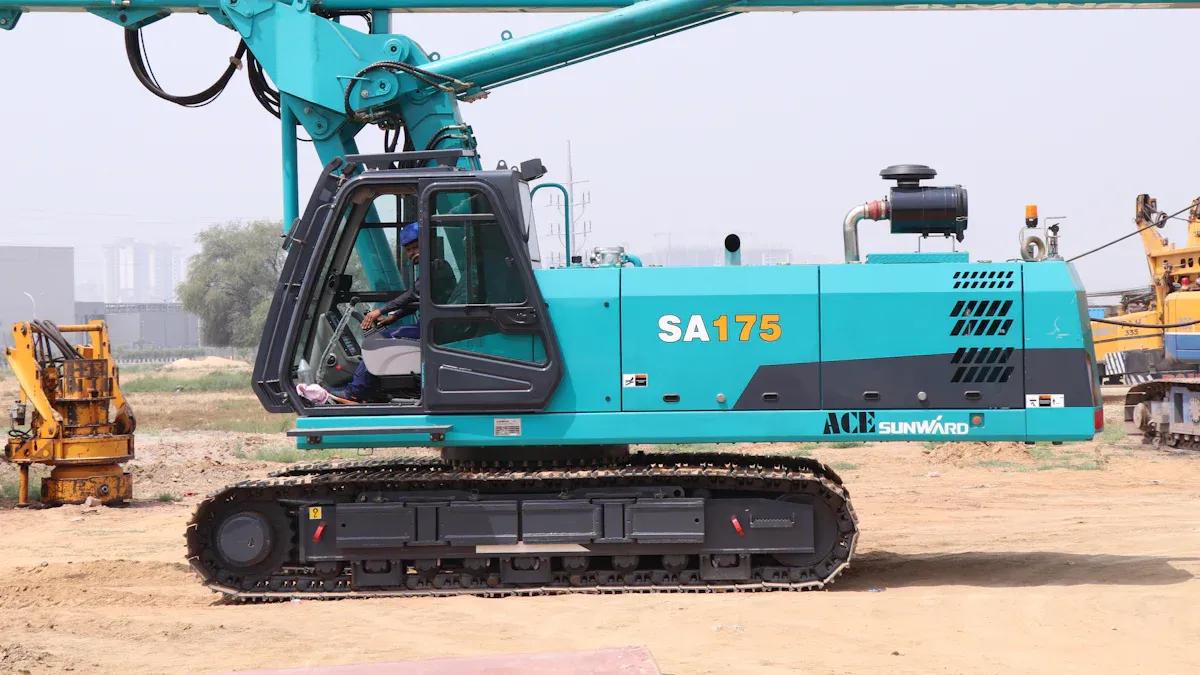
Jamming really hurts projects. It makes them take longer. It also costs more money. This is true for directional drill machine large flow stops jamming. This problem is common. Operators of horizontal directional drilling rigs face it. These issues cause expensive stops. This guide will help. It helps CEGC equipment users. They can learn about jamming. They can find out why it happens. They can fix these jamming problems.
Key Takeaways
-
Big flow jamming occurs. Drilling fluid flow is too low. Cuttings build up. They trap the drill pipe.
-
To fix jamming, check drilling data. Look at the drill string. Make fluid management better. Use anti-stall power systems too.
-
Stop future jamming. Keep fluid systems working. Pick the right tools. Use new drilling methods. Train operators well.
Understanding Directional Drilling Large Flow Jamming
What is Large Flow Jamming?
Large flow jamming happens. The drill string gets stuck. This is because drilling fluid, or mud, stops. Or it flows too slowly. This is a type of mechanical sticking. It relates to the fluid's ability. It cleans the borehole. If fluid flow is not enough, drilled material builds up. This buildup can trap the drill pipe. This is a big problem. It happens in horizontal directional drilling.
How Flow Stops Lead to Jamming
When fluid flow stops, problems start. One big problem is poor hole cleaning. Cuttings are rock pieces. They gather where fluid cannot move them. This happens at the bottom of the well. It also happens in sloped parts. These cuttings cause too much rubbing. They can stick to hole walls. This risk is high in directional drilling. In horizontal wells, cuttings settle. They form a "cutting bed." This bed stops the drill pipe. Moving the pipe without removing cuttings can cause jamming. Losing all fluid flow can quickly cause these issues.
Common Jamming Scenarios
Some situations often cause jamming. A common problem is when cuttings are not removed. These cuttings build up. They get around the drill pipe. This makes the pipe get stuck. Borehole problems also cause jamming. The borehole can break. This makes the pipe stuck.
Other common problems are:
-
Keyseats: These are narrow grooves. They are in the borehole. They form from sharp turns. Larger parts of the drill string can get stuck. This is true in high-angle wells.
-
Under-gauge hole: This happens when the drill bit wears. It drills a hole that is too small. A new, full-sized bit can then jam. This happens when it enters this smaller part.
-
Inadequate Hole Cleaning: This is a very big cause. It causes many stuck pipe events. This is true in high-angle wells. Drilled cuttings or unstable material build up. They get around the drill string. This blocks the string. Cuttings often settle low. This is in directional wells. This makes it a constant problem.
Identifying Jamming Causes in Directional Drilling
Jamming is a major problem in horizontal directional drilling. It causes stuck pipe, torque spikes, and poor fluid performance. Understanding why it happens is key. This helps operators prevent costly delays.
Mud Motor and Bit Issues
Mud motors are important tools. They help turn the drill bit. Sometimes, these motors fail. This can cause jamming. One common problem is when the stator rubber wears out. This rubber is inside the motor. It can break into small pieces. These pieces then block the motor's flow path. This blockage increases pressure. It can cause the motor to jam.
Sand blockage is another critical issue. Mud motors need very clean mud. Sand can get into the motor. It can cause the motor to stop. Sand can also damage the motor. It can tear rubber parts. It can wear out the rotor. Injecting air into the drill pipe is also bad. It can break the mud column. When the pump stops, dirty mud can flow back into the motor. This causes immediate blockage. It also causes wear. Improper shutdown procedures also lead to jamming. If the pump stops before the drill rig, the drill bit can get stuck. Rock debris can build up in the motor. This makes it hard to restart. These are common problems that lead to drill string failures.
Formation Changes and Ground Conditions
The ground changes often. This creates challenges for directional drilling. Unexpected soil conditions can cause jamming. For example, sand can collapse into the borehole. This creates a block. Blocks of material can also fall into the hole. This traps the drill string. Soft clay can ball up around the bit. This stops the drilling action. Hard rock can cause the bit to get stuck. These changes make it hard to keep the hole open. They can lead to loss of circulation. This means drilling fluid loss. This makes jamming more likely.
Inadequate Fluid Management
Drilling fluid is very important. It cleans the hole. It cools the bit. It also carries cuttings away. Poor fluid management causes many problems. If the fluid flow is too low, cuttings build up. This leads to jamming. Loss of circulation is a big issue. The drilling fluid can escape into the ground. This leaves the hole without enough fluid. This causes the drill string to get stuck. Frac-out is another risk. This is when fluid breaks through the ground to the surface. This is a serious environmental and operational problem. Inadequate fluid management also includes mud circulation problems. These problems make it hard to control the drilling process.
Tooling Wear and Mismatch
The tools used in directional drilling must work well together. Worn tools or mismatched tools cause many failures. This leads to drill string failures. For example, the axial gap is important. This is the space between parts of the tooling. If this gap is too small, parts wear out fast. They can overheat. This causes parts to break. Thrust bearings get too much load. This leads to spalling and quick failures.
If the axial gap is too big, the tool can vibrate. This makes it hard to drill straight. These vibrations can cause the bottom hole assembly (BHA) to jam. An incorrect axial gap causes misalignment. This can damage the housing. It can wear out the transmission case. It can also cause universal joint failures. This also changes how the motor works. It affects steering and guidance system issues. The tool might not orient correctly. This makes steering difficult. These tooling problems increase the risk of jamming. They also affect the overall steering of the drill.
Finding Out Why Jamming Happens
First Look and Data Check
When the drill gets stuck, act fast. First, check all the facts. Look at the drilling notes. Read the daily reports. These papers show past drilling conditions. They can point to changes before the jam. This first step helps find possible problems.
Checking Drill Numbers
Next, look at the drill numbers. Check how much it twists. See how much weight is on the bit. Look at the pump's push. Sudden changes in these numbers often show a problem. For example, a big jump in twist can mean the drill string is getting stuck. A drop in pump push might mean fluid is lost. These numbers give hints about what is happening deep down. Bad sensors can give wrong numbers. This can mess up steering and guiding. This makes it harder to figure out.
Looking at Drill String and Tools
It is key to look at the drill string and tools. Look for signs of wear or damage. Bad hole cleaning can be seen by more twist. You might also have trouble moving dirt. Losing fluid return is another sign. Keyholes show uneven twist. Workers also find it hard to move tools. There is often less weight above the bar. Always check twist and drag changes. Never ignore warning signs. Tight spots, too much pull, or shaky twist are early signs of drill string breaks. These problems can lead to worse breaks. Good steering needs good tools.
Checking Mud System Work
Lastly, check the mud system. Look at the drilling fluid's traits. Check mud weight, thickness, and sand amount. Bad mud can cause jamming. Make sure fluid flows at the right speed. Not enough flow leads to dirt piling up. This can cause big problems. This check helps confirm if fluid care is why things break.
Fixing Directional Drilling Jams
When a drill gets stuck, we need fast fixes. These fixes get drilling back on track. They also stop future problems. CEGC has ways to help drillers.
Fixing Mud Motor Problems
Bad mud motors can break the drill string. When a mud motor stops working, it can cause jams. Motors can lose power. They stop turning the drill bit. This happens when parts wear out. Check the motor for worn parts. Replace broken pieces. Sand or dirt can get in the motor. This stops drilling fluid flow. Flush the motor with clean fluid. This clears blockages. Bad sensors give wrong readings. This makes steering hard. Change broken sensors. This helps the motor work right. Regular checks stop many problems.
Clearing Blocks and Balls
Things stuck in the hole cause jams. Clay balls also cause jams. If the drill gets stuck, use special tricks. Fill the hole with stones. This holds the drill steady. Make the hammerhead bigger. This breaks up what is stuck. Then, refill the hole. This keeps the hole strong. For clay balls, use more drilling fluid. This pushes the material away. Pull back and spin the drill string. This can free it. These steps get the drill moving.
Making Fluid Work Better
Bad fluid causes many jams. Making fluid better is key. CEGC's fluid system helps. It tells drillers how big pumps should be. It matches flow and pressure. This depends on hole length and ground type. Clean fluid is important. It must flow smoothly. Drillers must follow a mud plan. This means mixing and adjusting. Check mud weight and thickness. This is very important. If fluid escapes, the drill can jam. Fix fluid loss fast. This stops the drill from getting stuck. Good fluid care cleans the hole. It also keeps the hole strong.
Using Anti-Stall Power
Jams often come from sudden twists. They also come from stuck pipes. CEGC has a special system. It stops stalls and protects from overload. This system gives strong power. It works at many speeds. This helps the drill work in tough ground. It uses smart sensors. It also controls pressure. This stops the drill from stalling. It protects the drill string. It slowly starts and stops. This saves rods and tools. It stops parts from breaking. For very hard ground, there is a "rock package." It has better cooling and filters. It has more power. It has strong parts. These things stop jams. They make drilling better. They make equipment last longer. These fixes stop costly delays.
Preventing Future Jamming in Directional Drilling
Stopping jams saves time and money. It keeps your horizontal directional drilling rig working. Taking steps early is important.
Proactive Fluid System Maintenance
Good fluid care stops many problems. Test hydraulic fluid often. Look for dirt and water. Use clean, closed containers for fluid. Filter new fluid. Put in good filters. Change filters often. Check seals and hoses. This stops dirt from getting in. Control wetness. Use special air filters. Follow maker's rules for hydraulic parts. This means changing parts before they break. Keep fluid at the right heat and thickness. This makes sure it oils well. CEGC's Mud Integration & Fluid Management Solution helps. It lowers the chance of losing drilling fluid.
Proper Tooling Selection and Care
Picking the right tools is key. Choose strong equipment. Look for big gears and extra sensors. These things lower jam risks. Check the tool holder often. Look at gear fit and grip. Change old parts. CEGC's Tooling Compatibility & Durability Package makes sure tools work well. This stops wear and wrong matches.
Advanced Drilling Techniques
Use smart drilling ways for hard ground. For broken rock, use thick muds. These seal cracks. For loose dirt, use hollow drills. For swelling clays, use special fluids. These stop clay from swelling. Make drilling settings best. Change spin speed for rock hardness. Set push pressure carefully. Keep flush rates right. This takes out cuttings. Watch twist for sudden jumps. This helps plan the drill path. A good drill plan changes for bad ground. This stops jams.
Operator Training and Best Practices
Trained workers are very important. They know how to stop jams. Give ongoing training. Use fake drills. This keeps workers updated on new tech. Teach them local rules. This includes rules for jam tools. Stress good ways for all drill jobs. This makes response faster. It also helps jobs succeed. Good advice from skilled workers is priceless.
Understanding directional drill machine large flow stops jamming is important. Taking steps early is key for good directional drilling. Finding problems in order helps. Fixing problems well works. Stopping problems before they start keeps things running great. These plans make work faster. They make projects better. They make your directional drilling machine last longer.
FAQ
What causes large flow jamming in directional drilling?
Large flow jamming happens when drilling fluid flow is too low. Cuttings build up in the borehole. This traps the drill pipe.
How does CEGC prevent jamming?
CEGC offers solutions. These include Anti-Stall Powertrain and Mud Integration. They also provide Tooling Compatibility. These features reduce jamming risks.
What is the first step if my drill gets stuck?
First, check drilling data. Look at torque and pressure. This helps find the problem. Then, inspect the drill string.


