
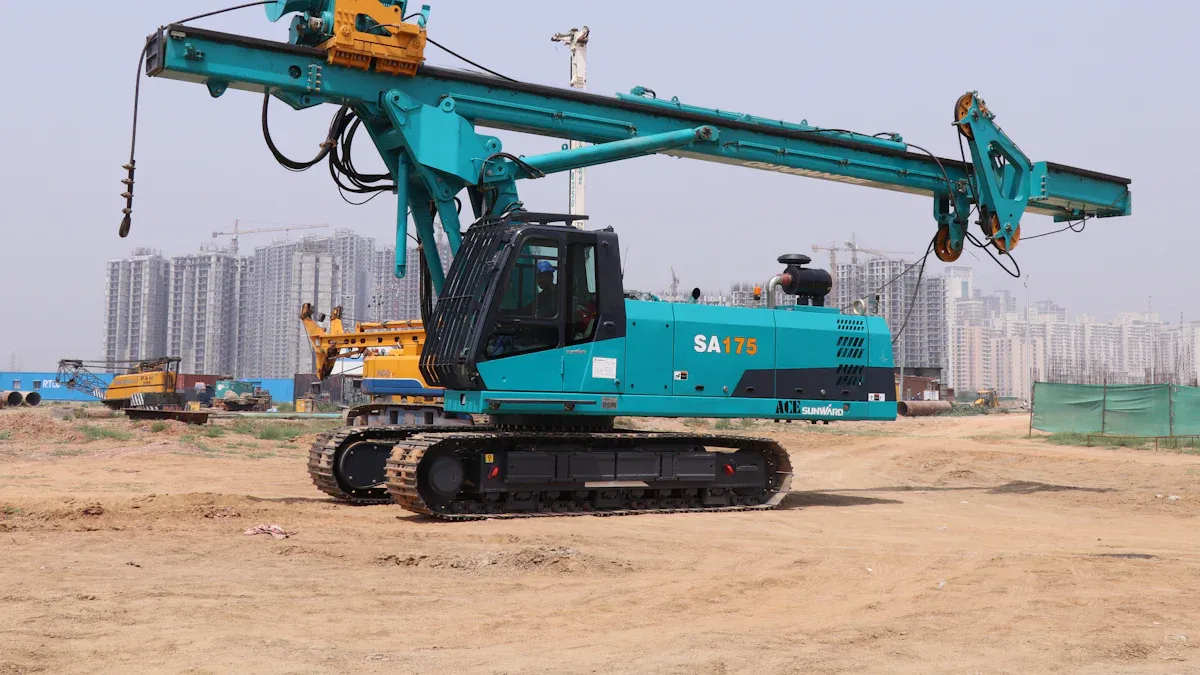
Your horizontal directional drilling jobs are getting harder. This is because the market is growing. Strong pumps are very important. They are key for any good hdd horizontal directional drilling high flow system. They keep the hole steady. They also take out dirt. They make tools work smoothly. This article helps you pick the best strong pump. New ideas and green rules mean you need to choose wisely. Companies like CEGC can help you.
Key Takeaways
-
Picking the correct high-flow pump is key. It makes horizontal directional drilling jobs work well. It helps hold the hole steady. It also takes out dirt.
-
Think about what your project needs. Look at the ground conditions. Check how well the pump works. Electric pumps often work better. They are also kinder to the environment. Diesel pumps are not as good.
-
Find pumps that last a long time. They should have good care plans. The company selling them should offer strong help. New tools can make pumps work better. These include smart checking and automatic controls.
HDD High Flow Pump Needs for 2026
Changing Needs of Today's HDD Jobs
Your horizontal directional drilling jobs are getting harder. You are drilling bigger holes. You are also drilling longer distances. You find different types of dirt. These tough jobs need pumps with more flow. They also need more pressure. Your machines must meet these needs. This helps you finish jobs well.
Important Numbers for High Flow Pumps
When you pick a high flow pump, look at key numbers. Check the flow rate. This is how much liquid the pump moves. It is measured in GPM or LPM. Pressure shows how much force the pump makes. It is measured in PSI or Bar. Horsepower tells you the pump's strength. Efficiency shows how well the pump uses power. This saves you cash.
How Drilling Liquids Affect Pump Choice
The drilling liquid you use changes your pump choice. Different liquids have different thicknesses. Some liquids are rougher. A pump must handle these well. For example, a strong slurry pump is key. It handles thick, rough muds. It does this without wearing out fast. You need a pump that works well. It must work with your specific drilling liquid. This stops problems like bad hole cleaning. It also stops frac-outs.
Kinds of High Flow Pumps for Directional Drilling
Triplex and Quintuplex Plunger Pumps
Triplex and quintuplex plunger pumps are common. They are the main pumps for drilling. These pumps use pistons. They also use liners. This design makes high pressure. It creates steady flow. They push drilling fluid well. This helps with tough horizontal directional drilling jobs. They keep the hole stable. They remove dirt well.
Centrifugal Pumps for Support Roles
Centrifugal pumps help a lot. They are good for high flow. They are good for lower pressure. You use them to mix fluids. You use them to move fluids. These pumps move a lot of fluid fast. They handle different fluid types. They handle different temperatures. Their design is simple. This means easy use. It means less stopped time. You can use them as feed pumps. This is for desanders and desilters. They also mix mud. These pumps are key. They help mix fluids well. They power desanders. They power desilters. They power jet mud mixers. A strong centrifugal slurry pump handles rough fluids. This is important for mud care.
New Pump Technologies for 2026
New pump tech is coming. It will be here by 2026. Pumps will use more automation. IoT will connect pumps. This means better data sharing. Smart pumps will watch things live. They will predict fixes. These new ideas cut stopped time. They lower costs. You will see super-efficient hydraulic pumps. These will make HDD projects better. These changes mean more reliable pumps. They mean more powerful heavy-duty slurry pumps.
Critical Factors for Your HDD Horizontal Directional Drilling High Flow System Selection
Picking the right high flow pump is a big choice. You need to look at many things. This helps you choose the best pump. It saves you money. It also saves you trouble later.
Project Needs and Ground Conditions
Every HDD job is different. Think about how long the bore is. Think about how wide it is. Know the ground conditions. These things change what your pump needs. They change the flow rate. They change the pressure. For example, managing downhole pressures is key. This stops fluid from coming back. It keeps the hole strong. The drilling fluid's thickness matters. Its density matters. The flow rate also matters. All these affect pressure. You need enough pressure. It helps remove cuttings. It keeps the hole steady. But too much pressure is bad. It can cause fluid loss. It can cause frac-outs.
In rock, you need more mud pressure. This moves the cuttings. Keep the mud pressure low enough. This stops losing drilling mud. Losing mud can stick drill bits. It can harm the environment. For very hard rock, get a pump. It should give at least 135 GPM. Mud motors need more fluid. This is more than just mixing. It is more than moving cuttings. If you use mechanical systems, you pump less. You only pump fluid to clear cuttings. This means you need much less fluid.
Power Source and Efficiency
Your pump's power source matters. It affects cost. It affects the environment. You can pick electric pumps. You can pick diesel pumps.
|
Electric Pumps |
Diesel Pumps |
|
|---|---|---|
|
Energy Source |
Electricity (grid, renewable, generators) |
Diesel fuel |
|
Efficiency |
~90% |
35-40% |
|
Energy Measurement |
kW and kWh |
L/hr or GPH |
|
Energy Loss |
Very little loss |
Much loss from burning fuel |
|
Energy Cost |
Usually steady |
Changes with fuel prices |
Electric pumps are flexible. They work well with different loads. They keep energy use steady. This is true at different work levels. Electric pumps are good for constant work. They use energy consistently. They are very efficient. They cost less over time. You can use them with green energy. Their steady prices lower money risks. They make no direct pollution. This helps cut greenhouse gases.
Diesel pumps are often not efficient. This happens when they run at low power. This uses much more fuel. They are not good for changing demands. Their energy use can be hard to guess. High fuel use means big energy costs. This is true for long jobs. Diesel pumps are better for short jobs. They are good for emergencies. They are not best for constant work. They cost more to run because of fuel. They are also affected by fuel price changes. Environmental rules can add costs. Diesel pumps release bad gases. They release carbon dioxide. They release nitrogen oxides. They release other pollutants.
Durability, Maintenance, and Service
A strong pump is very important. You need a pump that lasts. It also needs to be easy to fix. A worn plunger can cause big issues. It gets deep grooves. This rough surface wears out packing rings fast. Check plungers often. Do this during every check-up. Replace any with grooves. Do this before putting in new packing.
Other parts also wear out.
-
Impeller: This part gets scratched. It gets eaten away. It wears down from dirt. It can get thin. It can change shape. It can get nicks. This lowers flow. It lowers pressure.
-
Seal ring: This ring is at the impeller's start. It stops high-pressure liquid from leaking. Bad wear means more leaks. This lowers the actual flow.
You need a good plan for upkeep.
-
Before starting: Check the pump body. Check pipes for damage. Look for leaks. Make sure connections are tight. Clear any trash. For centrifugal pumps, fill them with liquid. Make sure all air is out. Check the oil level. Check its quality. Change it if it is bad. Check motor wires. Check belt tightness.
-
During operation: Use meters to watch pump numbers. Look for shaking. Listen for strange sounds. Watch bearing temperatures.
-
After shutdown: Close valves. Clean the pump. Clean the motor. Oil or grease parts. Change worn parts. Tighten loose connections. Make a regular check plan. This includes checking impellers. It includes checking seal rings. It includes checking bearings. It includes checking shafts.
You should also do daily checks. Before each use, look for leaks. Look for loose parts. Make sure pipes are secure. Oil parts often. This helps pistons work well. It helps seals work well. Clean the pump often. Clean inside and out. This keeps it working well. Change worn seals fast. Test the pump's flow often. Test its pressure often. This helps find problems early.
Working with Your Horizontal Directional Drilling Rig
Your high flow pump system must work well. It must work with your Horizontal Directional Drilling Rig. The pump helps anti-stall powertrains. It helps with overload protection. This stops stuck pipes. It stops torque spikes. These problems cost money. They cause delays. Torque spikes hurt rods. They hurt tools. Hard ground can slow down work. A good pump system helps avoid these. It makes work smooth. It protects your gear.
Rules and Environmental Impact
Environmental rules are getting stricter. This is true for HDD work. It is true for managing drilling fluid. It is true for noise. You must use closed-loop fluid systems. You should use electric rigs. You can use hybrid rigs. This helps cut pollution. It helps cut noise.
|
Environmental Aspect |
Electric Pumps |
Diesel Pumps |
|---|---|---|
|
Air Pollution |
No direct pollution |
Much pollution (CO₂, NOₓ, and tiny bits) |
|
Noise |
Quieter operation |
Louder from engine |
|
Rules |
Liked by new rules |
Less liked due to pollution and noise |
Electric pumps are quieter. This is good in noisy places. It helps reduce problems. Rules like electric pumps more. They like them more than diesel pumps. This is because of rules to cut pollution. It is to make energy cleaner. These stricter rules mean you need good fluid management. This helps you finish jobs well.
Total Cost of Ownership (TCO)
When you pick a pump, look past the price. Think about the Total Cost of Ownership (TCO). This includes fuel costs. It includes electricity costs. It includes repair costs. Downtime costs money. Environmental rules also cost money. A cheaper pump might cost more later. This happens if it uses more fuel. It happens if it breaks often. Buying a good slurry pump saves money. A strong fluid mixing system saves money. It cuts running costs. It makes jobs better. A good slurry pump handles rough fluid. It does this without constant fixes.
You need to think long-term. Do this when you buy a pump. Your choice today affects your jobs for years. Smart buys help you stay ahead. They make sure your work stays good. They keep you competitive.
Scalability and Adaptability for Diverse Projects
Your jobs change. Your pump system must change too. A flexible system handles different bore lengths. It handles different diameters. It works well in many ground types. New pump systems are very flexible.
-
Variable Frequency Drives (VFDs) and Control Systems: These let you control speed well. You can match pump power to your exact needs. This makes it work best. Smart control systems can link many pumps. They make them work together. They share the work. This keeps your system running great.
-
Advanced Materials and Manufacturing: Pumps now use better stuff. They also use new ways to build them. This includes 3D printing for tricky parts. Strong materials and special coatings help pumps. They handle tough jobs. They work well with rough stuff. This makes your pump last longer.
-
Modular Design Principles: This design lets you change things easily. You can make the pump fit your job. This makes it reliable for key tasks.
-
Smart Monitoring Systems: These systems give you live info. IoT sensors check how equipment is doing. They check how it works. This helps fix things before they break. You can cut unplanned stops. You can plan fixes based on how the pump really runs.
When you pick a pump, think about many things. Check the water level underground. Check the soil type. Think about the weather. Guess how much water you need to remove. Decide how often you will pump water out. Look at your money, now and later. Make sure you follow local rules. Follow environmental rules. Check the pump's flow rate. This is how much liquid it moves. It is measured in GPM. Understand its head pressure. This is how high it can lift water. This is key for the site. Think about the power source. Is it electric or diesel? This changes your running costs. Look for strength. This is key for rough water. Think about if it can move easily. This is for mobile jobs. Last, know what fixes it needs. This helps it last long. Pump power and control changes help systems adapt. Variable frequency drives and smart computer controls adjust. They change to new conditions. These tools can make pumps go faster or slower. They can also start or stop them. This adjusts for water coming in. It helps with weather. It makes flow better.
Smart Technology and Automation Integration
Technology makes your pump system smarter. Smart pumps give live info. They give control. This makes them work better. It causes fewer problems.
-
IoT Sensors: These sensors gather data live.
-
Automated Controls: They let your pump change itself. It changes to how it is working.
-
Real-time Monitoring Capabilities: You watch pump work all the time.
-
Variable Frequency Drives (VFDs): These make flow rate best. They make pressure best. They make energy use best. They change motor speeds to fit what is needed. VFDs can save a lot of energy. You can save 30-50% in pumps and fans. Variable speed drives (VSDs) save energy. They change a motor's speed. They match the system's need. This works well when loads change. It stops wasted energy. It makes sure the motor runs at the best speed. This is for the job. In pump and fan jobs, VSDs match the motor load. They match system needs. This saves energy best. It wastes less. In **horizontal directional drilling machine**s, VSDs are in power parts. They let the motor or engine run at the best speed. This is for a certain load. This directly cuts energy use in these machines.
-
Embedded Sensors: These give constant feedback. They show how the system is doing.
-
Cloud-based Analytics/Platforms: They let you watch from far away. You can fix and change pump work. You get data 24/7.
-
Predictive Analytics: This tech guesses future breakdowns. It checks data from shaking levels. It checks temperature, pressure, and flow rates. This helps you fix things early.
Supplier Reputation and Support (e.g., CEGC)
Picking the right supplier is key. It is as important as picking the right pump. A good supplier gives more than just tools. They give help. They give peace of mind. Look for suppliers with good records.
-
ISO9001 Certification: This shows they care about good quality.
-
Quality Control and Customer Service: A good supplier works hard for good quality. They also give good customer help.
-
Customization: They can change products. This is based on your site needs.
-
Overseas After-Sale Services: They offer strong tech help worldwide.
-
Professional Services: They are known for good products. They deliver fast. Their prices are fair. This builds a good name.
-
Global Reach: They send products to many countries. This includes the USA, India, and Saudi Arabia.
Think about the pump's work. Think about how reliable it is. It must handle different liquids. It must handle different flow rates. It needs to be dependable for a long time. Look for new tech. This includes new materials. It includes smart controls. Customization and flexibility are key. The supplier should make the pump fit special needs. This includes thick or harsh liquids. Global help and service are vital. This means worldwide fixes. It means spare parts. It means tech help. Check the total cost of owning it. This includes the first cost. It includes running costs. It includes fix costs. Make sure it follows rules. It must follow industry rules. It must follow environmental rules. Check their past work. Check references. Look for proven work. This is in similar jobs. Case studies can show this. Last, think about their future plans. Future products should fit new industry needs. Companies like CEGC follow these rules. They make sure you get good tools. They give great help.
Addressing Core Pain Points with Advanced Pump Systems
New pump systems fix common problems. These are in horizontal directional drilling. They solve problems like bore going off track. They solve stuck pipes. They also make fluid handling better.
-
Precision Guidance and Stability: New pumps help drill exactly. They help keep the bore straight. This means less redoing work. It means fewer fines.
-
Anti-Stall Powertrain and Overload Protection: High power output. It has a wide speed range. This stops pipes from getting stuck. Hydraulic load sensing. Pressure control. These cut sudden power spikes. Controlled start and stop. These cut sudden shocks. This is on rods and tools. This means less stopped time. It means lower fix costs.
-
Tooling Compatibility and Durability: Smoother power delivery. This cuts shaking. It cuts uneven wear on tools. This makes tools last longer. It cuts costs for parts.
-
Mud Integration and Fluid Management: Right pump size. This makes flow and pressure best. This stops bad fluid work. It stops frac-out risks. A well-made hdd horizontal directional drilling high flow system works well. It works with your fluid mixing systems. It makes sure mud stays good. This keeps the bore steady. A strong slurry pump handles rough drilling fluids well. This stops it from wearing out fast. It keeps it working steadily.
Picking the right hdd horizontal directional drilling high flow system is a big choice. It is not just buying something. You need to think about many things. Think about your project. Think about pump types. Think about what to look for. Think about the future. A good hdd horizontal directional drilling high flow system helps you work better. It means less time stopped. It helps you drill well. Look at what you need. Talk to good suppliers like CEGC. This helps you do well for a long time.
FAQ
Why are high flow pumps important for HDD jobs?
High flow pumps keep the hole steady. They clean out dirt well. They also make tools work smoothly. This helps your job succeed. It makes work faster.
What kinds of pumps are best for directional drilling?
You mainly use triplex and quintuplex plunger pumps for drilling. Centrifugal pumps help with other tasks. They mix liquids. They move liquids. 🔄
How does CEGC help choose a pump?
CEGC gives expert advice. They help you check your job needs. They make sure you get a good high flow system. This helps your horizontal directional drilling work well. ✅


