
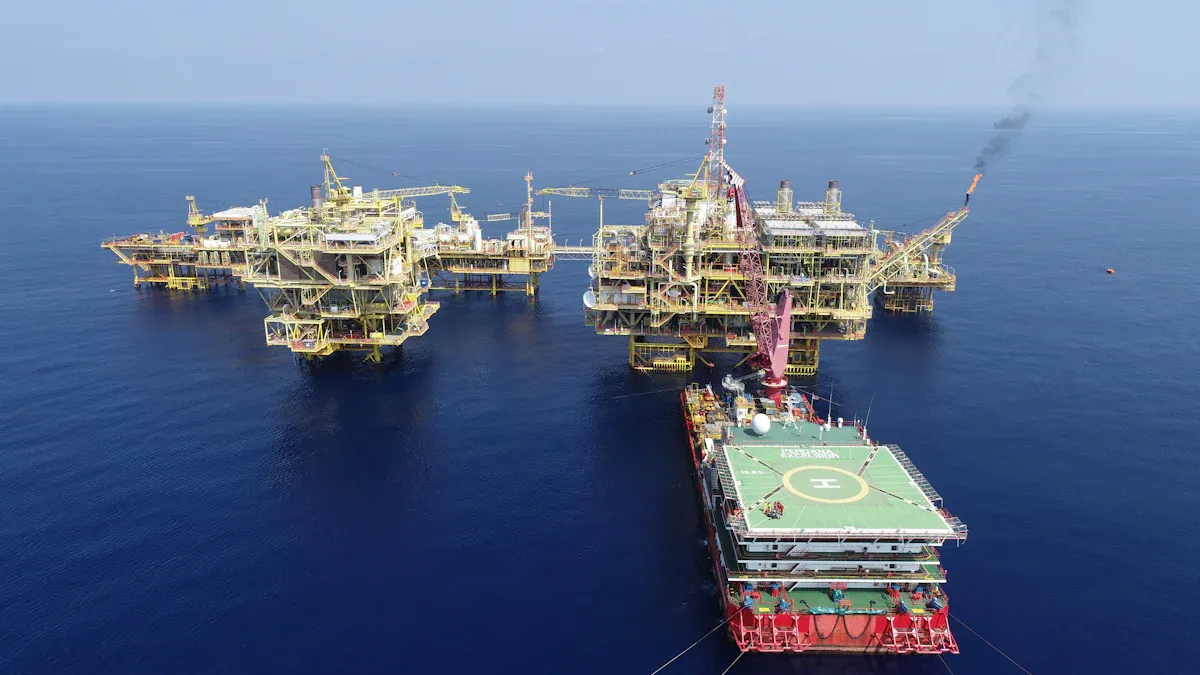
Drilling fluid is very important. Drill pipe sticking is a big problem. Making the fluid flow as much as possible helps stop sticking. This really helps prevent pipes from getting stuck. How does an oil drilling rig max volume flow prevents sticking? CEGC focuses on this. It makes operations work well. It also keeps things safe. This stops pipes from getting stuck.
Key Takeaways
-
Making drilling fluid flow fast helps stop the drill pipe from getting stuck.
-
Fast fluid flow cleans the hole well, keeps the well stable, and reduces pressure that can cause sticking.
-
Using the right pumps, nozzles, and fluid properties, along with real-time monitoring, helps keep fluid flowing at its best.
Drill Pipe Sticking: Types and Consequences
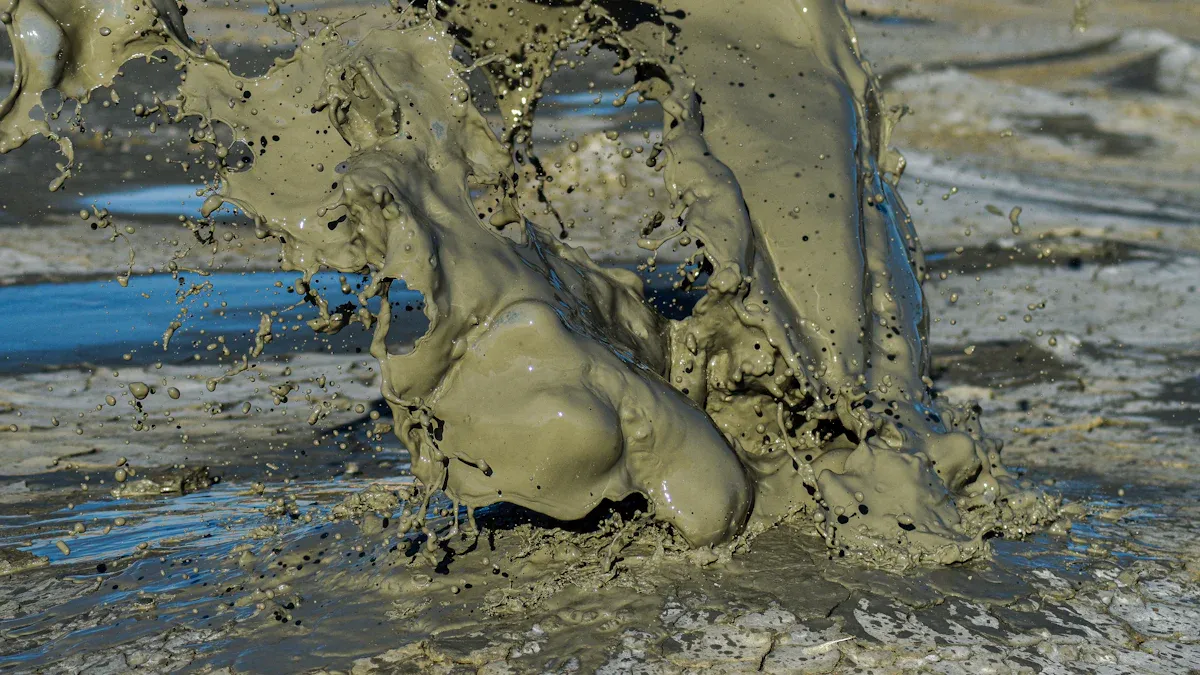
Understanding Differential and Mechanical Stuck Pipe
Drill pipe sticking is a big problem. It can stop drilling. There are two main types. They are differential and mechanical. Differential sticking happens. The drill pipe gets stuck. This is due to pressure differences. It occurs between the wellbore and rock. A big pressure difference causes it. This is between mud and rock pressure. The pipe surface touches the filter cake. This also plays a part. Friction increases the risk. A thicker wall-cake makes it worse. Bad drilling fluid often causes it.
Mechanical stuck pipe happens. A part of the drill string gets stuck. This includes the drill pipe. It also includes heavy drill pipe. The bottom hole assembly can stick. Many things cause mechanical stuck pipe. Poor hole cleaning is a main one. It causes 80% of issues. This is in high-angle wells. Cuttings build up. This happens when fluid flow is bad. They form beds. These can trap the pipe. Other causes include unstable rock. Key seating is another. Running into a small hole causes it. Junk in the hole can also stick it.
Operational and Financial Impacts of Sticking
When the drill pipe gets stuck, it causes big problems. These events cause long delays. They lead to more non-productive time. Long downtime is common. Drill pipe sticking causes 50% of NPT. This means much lost time. The money costs are also high. Fixing it costs a lot. Equipment can break. This adds to the total cost. Stopping pipe from sticking is key. It helps with efficiency. It also saves money.
Max Volume Flow: How It Stops Sticking
Making drilling fluid flow fast helps. It stops the drill pipe from getting stuck. This method uses many key ways. They work together. They keep drilling smooth. They also keep it working well.
Better Cuttings Movement and Hole Cleaning
Fast fluid flow is very important. It moves rock pieces well. This stops them from piling up. Piles can cause the pipe to get stuck. When fluid moves fast, it carries rock up. This keeps the hole clean.
Studies show a link. Fluid speed affects rock pile height. A certain speed is needed. This speed moves rock pieces away. It keeps the rock pile low. Fast flow stops fluid from going backward. For example, at 1.25 m/s, fluid moves fast. It is turbulent. This stops fluid from flowing back. If speed drops to 0.84 m/s, its power lessens. Fluid can flow backward due to gravity. A drop to 0.42 m/s means more backflow. Speeds become negative. There is a key flow speed. Above this speed, fluid backflow stops. This is very important for moving rock pieces.
More fluid speed greatly cuts rock pieces. At 1.25 m/s, rock pieces drop low. They are below 0.05. This happens at different well angles. It means the well bottom is very clean. Below 1.25 m/s, rock pieces are higher. This is true between 30° and 60° well angles. This causes many rock pieces to pile up. Going over this speed stops rock pieces from building. This makes sure the well bottom is clean. This is key to stop pipes from getting stuck.
Keeping the Well Stable and Safe
Good fluid flow helps keep the well stable. It lowers the risk of collapse. It also stops problems. Drilling fluids balance rock pressures. This is through fluid weight. It stops fluid from entering the well. This prevents blowouts. It keeps well walls stable. Changing fluid weight creates a wall. This holds well walls. It stops collapse in weak areas.
A thin layer of solids forms. It is called a filter cake. It seals the well walls. It makes it less permeable. This makes the well stable. Good drilling fluids lose less fluid. This is into the rock. It helps keep the well's shape. Controlling bottom pressures is key. It stops unwanted fluid movement. This is in or out of the well. The fluid holds the well walls. This supports the well. It keeps it stable. It also stops rock fluid from coming in. It seals porous rocks. This stops rock fluids from entering. For water-based muds, additives help. They control clay swelling in shales. These additives stop clay from spreading. They control solid buildup. They make a protective layer on the shale. They also seal tiny holes. This slows water intake. This all helps stop damage and pipes from getting stuck.
Lessening Sticking Pressure
More fluid flow helps reduce sticking. It does this by keeping pressure balanced. This lowers the pressure difference. This pressure difference causes sticking. Fast fluid flow makes the filter cake thinner. This happens when fluid is moving. The fluid's force washes away the top layer. This makes the filter cake thinner. A thinner filter cake reduces the sticking force. This is a direct result of the pressure difference.
Moving mud at the fastest rate helps. It keeps pressures working right. It also greases the stuck part. This action cleans the hole. It reduces the filter cake. This helps stop sticking. It lessens the effects of pressure difference. This is how fast fluid flow stops sticking.
Stopping Filter Cake Buildup
Fluid speed is very important. It stops thick filter cake from forming. A thick filter cake is a main reason for sticking. Fluid speed affects cake forming. It also affects it coming off. Cake holes get smaller with faster speed. Cake resistance gets higher. Faster fluid speed means bigger particles in the cake. This is due to changed dust sorting. The stickiness between cake and fabric increases. This happens at faster fluid speeds. Faster speed means more dust stays. This leads to a higher pressure drop.
Cake resistance and cake density are higher. This is at faster fluid speeds. This pattern is clear. Both cake resistance and cake density increase. This happens during the whole filtering process. The increase in cake resistance stops. This is after many cycles at faster speeds. Cake density keeps rising. The pressure drop is greatly affected by fluid speed. Tests show that cake density and resistance increase. This is with faster fluid speed. This assumes dust stays the same. Stopping this buildup is key to stop pipes from getting stuck.
Strategies for Optimal Fluid Flow on an Oil Drilling Rig
Getting and keeping the best fluid flow is key. It helps stop drill pipe sticking. This part gives useful tips. These tips help drilling teams. They manage fluid flow well.
Pump Selection and Configuration
Picking the right pumps is very important. They must be the correct size. This makes them work best. Many things help choose pumps:
-
Well depth: Deeper wells need stronger pumps. This is because of more water pressure.
-
Drilling fluid density: Heavier fluids need stronger pumps.
-
Wellbore diameter: Smaller holes need stronger pumps.
-
Drill string setup: This changes how much friction there is. It changes pump strength needed.
-
Formation characteristics: These can change pressure needs. This is for cleaning and stability.
-
Desired flow rate: This changes fluid amount. It also changes pressure.
To pump most efficiently, pick a pump. Its best work point should be close. It should be near the most needed. It should also be near normal flow.
Using many pumps also helps. A balanced mud system is vital. It helps drilling work well. It makes all parts work together. This stops costly delays. The main goal of a balanced mud system. It is to remove unwanted solids. It also keeps fluid right. This makes the rig work better. It means less stopped time. Drilling fluid lasts longer. Equipment wears out less. Costs are lower.
Solids control equipment needs right sizing. Its cleaning power should be 1.5 to 2 times more. This is more than the drilling rig needs. This handles busy times. The best cleaning amount should be 20% to 50% more. This is more than constant pumping needs. This depends on ground conditions. For example, 50% for sugar sand. It is 20% for rock removal. Small systems cause bad drilling fluid returns. They cause delays. They overload other machines. The mud system must be balanced. It must clean 100% to 125% of the mud rate. This stops drilling from being too fast. This can cause pressure problems. It can cause well failure. A slightly bigger system gives choices.
|
Triplex Pumps |
Duplex Pumps |
|
|---|---|---|
|
Piston Configuration |
Three pistons/plungers |
Two pistons |
|
Operation Smoothness |
More balanced and smoother, reduced vibration |
Simpler design, potentially higher pulsation |
|
Load Distribution |
More even load distribution across three pistons |
Higher stress on individual components due to two-piston design |
|
Flow Rate |
Generally higher flow rates, efficient fluid movement |
Generally lower flow rates, sufficient for standard applications |
|
Pressure Handling |
Excel in high-pressure applications, maintain steady pressure |
Can perform well, potentially less stable at extremely high pressures |
|
Power & Efficiency |
Higher power output and efficiency, effective energy utilization |
Potentially less efficient in power output, adequate for many applications |
|
Maintenance & Longevity |
Excellent longevity and reliability with proper maintenance, reduced wear |
Easier maintenance and repair, but potentially more frequent needs in high-demand applications |
|
Impact on Drilling |
Faster drilling times, improved well control, reduced project duration |
Can offer excellent performance, suitability depends on specific project needs |
In deep drilling, old rigs use paired DC motors. These are for mud pumps. They are powered by one converter. This causes power imbalance. It lowers efficiency. A new control system helps. It is called a "current mirror" system. It balances the electrical load. This is for parallel DC machines. It adjusts the current of one machine. This fixes power imbalance. This system works well. It balances electrical and mechanical loads. This helps the oil drilling rig max volume flow prevents sticking.
Nozzle Optimization and Bit Hydraulics
Making bit nozzles better helps jetting. It improves hole cleaning. This focuses on impact force. It also focuses on water power. It focuses on jet speed. These changes are key. They remove drilled rock pieces well. Studies show more impact force helps. It creates maximum cross-flow. This is under the bit face. This is the best way for hole cleaning.
Curved nozzles have improved. They allow better flow paths. They use the rig’s water energy better. This makes jetting stronger. Webbed blades connect small blades to big ones. These features guide water force. This helps with cleaning. It helps with cuttings removal. They block flow paths. This forces fluid to stay in the junk slot. It greatly increases fluid flow. This is across cutter faces. This is vital for hole cleaning. Making bit nozzles better helps. Especially with an extended nozzle. It improves jet impact. It reduces jet spread. This led to a 32.1% faster drilling speed. This happened with better water settings. It shows better jetting action. This is for the bottom hole assembly.
Drilling Fluid Rheology Management
Fluid properties are very important. They help move cuttings. They also help stop stuck pipe problems. Key properties include:
-
Plastic Viscosity (PV): This shows how fluid resists flow. This is at high speeds.
-
Yield Point (YP): This is the force needed. It starts fluid flow. It holds cuttings.
-
Gel Strength (GS): This shows how fluid holds cuttings. This is when circulation stops. It stops settling.
-
Apparent Viscosity (AV): This measures fluid flow. It helps suspend cuttings. This is at low shear rates.
-
Consistency Index (k): This shows the fluid's thickness.
-
Flow Behavior Index (n): This describes fluid changes. This is with shear rates. Lower 'n' values reduce pumping resistance. They still keep suspension.
-
Viscosity and Yield Stress: These are critical. They move cuttings well. Good yield stress makes cuttings beds thinner. This improves hole cleaning. More viscosity at low shear rates. It reduces deposition.
Water-based drilling fluids have higher friction. This is compared to other muds. This causes more drill string twist and drag. Water-based muds also stick more easily. This is due to less grease. Oil-based or synthetic-based mud systems are best. They reduce surface twist during drilling. They work better than water-based systems. This is key to stop stuck pipe.
Real-time Monitoring and Adjustment
Constant checking is essential. It helps adjust fluid flow rates. This is a key way to prevent problems. A smart warning system helps. It uses real-time data. This data includes flow rate, lifting load, drilling speed, rotation speed, standpipe pressure, and weight on bit. This system predicts stuck pipe. It has found problems early. It gave warnings up to 9 hours ahead. This happened in a gas well drilling.
Keeping the mud flow rate correct is vital. It removes cuttings well. This helps keep drilling speed good. It also helps prevent sticking. Models look at key numbers. These include pressure, flow rate, and fluid properties. They find possible dangers. These include broken equipment, blowouts, and environmental issues. They find them before they happen. This shows how important flow rate is. It prevents dangers. These tips help ensure smooth drilling.
Challenges in Max Fluid Flow Management
Managing ECD and Formation Integrity
Fast fluid flow rates cause problems. Managing ECD is important. It keeps the rock strong. If ECD gets too high, it can break the rock. This makes tiny cracks. Drilling mud can then be lost. Fast mud flow cleans the hole. It removes rock pieces. But, fast mud flow also raises pressure. This makes ECD higher. Low ECD makes rock pieces settle. This cleans the hole less well. Engineers use ECD models. They make drilling better. This stops the well from breaking. It also stops mud loss.
Overcoming Pump Limitations and Pressure Losses
Pumps can have issues. Cavitation is one problem. It happens from blocked lines. Bad plumbing also causes it. Small suction systems cause cavitation. Cavitation wears out pump parts quickly. It makes machines shake. A knocking sound can be heard. It harms inside parts. This includes modules and pistons. This can cause pumps to break completely. This means costly stops. Pressure losses in the drill string also limit flow. These losses affect how far a well can go sideways. Fast flow rates can increase these losses. This limits the best fluid flow. The bottom hole assembly can also be affected. These pressure losses affect it.
Mitigating Equipment Wear and Erosion
Fast fluid flow rates can wear out machines. Gritty fluids make this worse. Fluid moving with solids grinds down parts. This includes pipes and pump parts. This wearing can cause leaks. It can also make machines break. Regular checks and care are key. Using strong materials helps. This keeps the drilling system working. This also protects the bottom hole assembly. It stops too much wear.
Troubleshooting Flow-Related Sticking
Spotting early signs of sticking is vital. This helps stop big problems. If you can still move fluid, it might be mechanical stuck pipe. This often happens from bad removal of rock pieces. Losing fluid flow while drilling is another sign. Bad cleaning of the space around the pipe causes stuck pipe. Checking pumping pressure in real-time helps. It can find problems early. If the drill pipe gets stuck, there are first steps. Try lifting the drill string. Make the hole better. Making mud lighter can free stuck pipe. These simple steps can save time and money. The bottom hole assembly can also get stuck.
Advanced Tech & Max Flow for Horizontal Directional Drilling
CEGC's Role in Fluid Management Solutions
New technology helps horizontal directional drilling (HDD). It uses the most fluid flow. CEGC's Horizontal Directional Drilling Machine works with smart mud systems. These systems make sure fluid works well. They stop problems like bad fluid action. They also stop frac-out risk. CEGC helps with pump sizing. It also looks at the flow path. Being ready for filtering is key. This is for these special drill rigs.
Integrating Flow with Trenchless Drilling Rig Systems
Trenchless drilling rig systems use good fluid control. Knowing the soil well is important. Soil tests help find the best drilling mud mix. This stops frac-out or hole collapse. The right mud mix is key. It must match soil types. This stops frac-out, bad grease, and pipe sticking. How fluid parts are mixed matters. Adding polymers before bentonite can cause 'balling'. This changes fluid traits. Figuring out the right mud amount is also vital. This is based on hole size and pump power. This helps HDD work.
ENI solutions make fluid flow better. They stop frac-out. They cut bentonite use by about 50%. They fill gaps between soil bits. This stops fluid from going in. They also make the soil stronger. This strength balances fluid pressure. It stops frac-out. The Ditch Witch JT100 has All-Terrain tech. It helps rock drilling. This is true even with low fluid. This means less waste and cleaning. The ParaTrack2 system has a Pressure Module. It checks annular and pipe pressures. This live data helps stop costly frac-outs.
Data Analytics for Predictive Flow Optimization
Data analysis can guess the best flow rates. It finds possible sticking dangers. This happens before problems start. This helps make sure the oil drilling rig max volume flow prevents sticking.
Maximizing drilling fluid volume flow is a critical strategy. The oil drilling rig max volume flow prevents sticking. This protects the drill pipe. Optimal flow ensures superior hole cleaning. It also ensures wellbore stability. It reduces differential pressure. Engineers must monitor and adapt fluid management. This is crucial for stuck pipe prevention. It helps avoid stuck situations. This prevention boosts efficiency. It also boosts safety and profitability.
FAQ
What is drill pipe sticking?
Drill pipe sticking means the drill pipe gets stuck. It gets stuck in the wellbore. This stops drilling. Pressure differences can cause it. Rock pieces can also cause it.
How does max volume fluid flow prevent sticking?
Max volume fluid flow cleans the hole. It moves rock pieces. It keeps the well stable. This lowers pressure differences. It stops filter cake from building up.
What are the main types of drill pipe sticking?
There are two main types. They are differential sticking and mechanical sticking. Pressure differences cause differential sticking. Rock pieces or wellbore problems cause mechanical sticking.


