
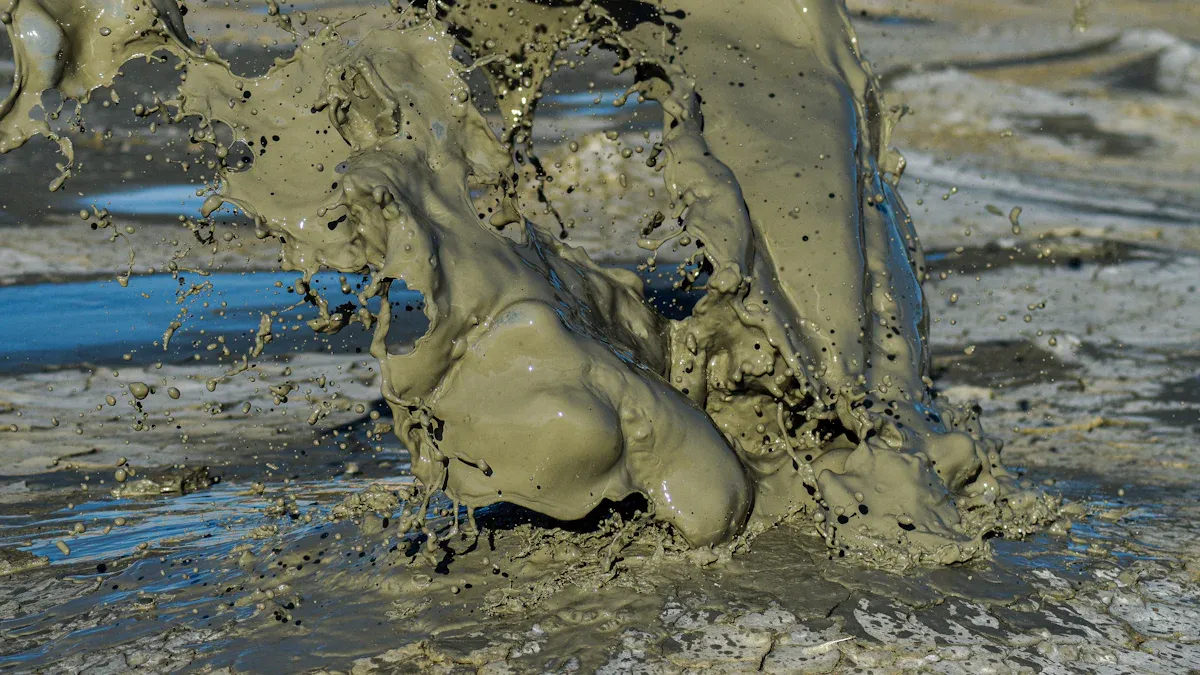
You have directional drill machine tunable mud stops issues when mud gets dirty or is not handled well. Clean mud helps cool and oil the drill bit. It also moves cuttings and keeps the hole safe. Directional drill machine tunable mud stops issues can break equipment and make things less safe. CEGC gives standard specs and custom options for projects. Directional drill machine tunable mud stops issues are important for B2B contractors, utilities, and city projects.
Key Takeaways
-
Check and clean the mud often to stop dirt from getting in. This helps the drilling work go smoothly. - Keep a set plan to take care of your mud motor. This stops it from breaking down and helps it last longer. - Use CEGC’s fluid management solutions to keep the mud just right. This helps stop the mud motor from failing.
Common Causes Of Mud Motor Failure
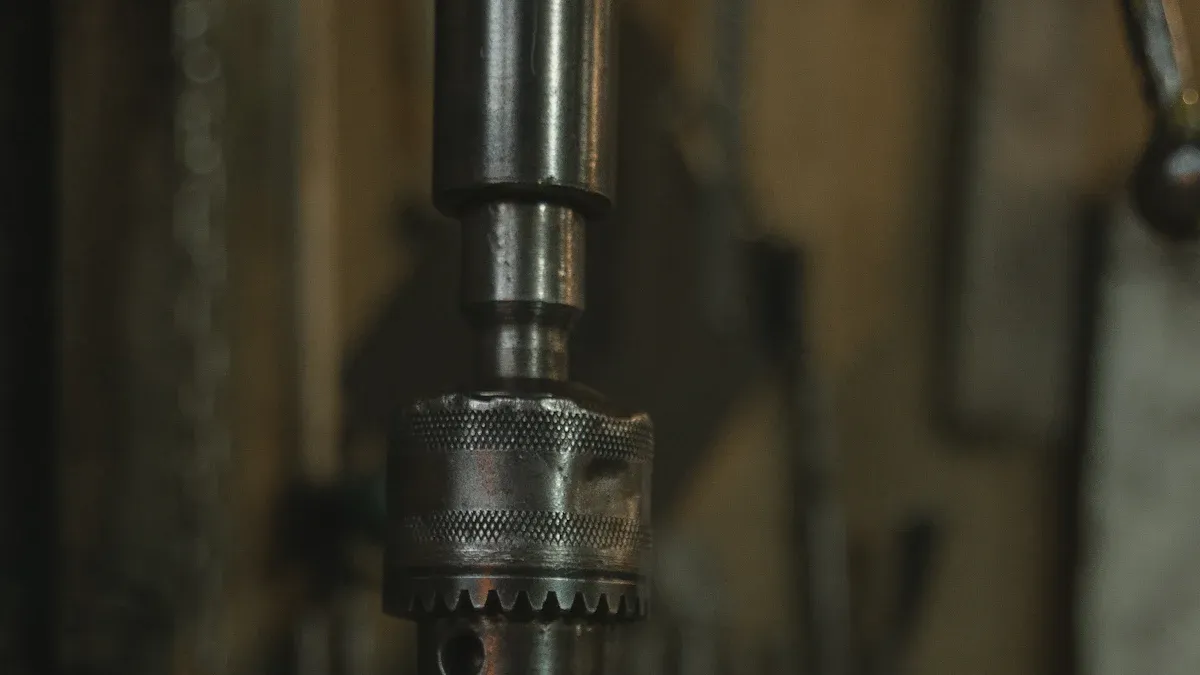
When you use a horizontal directional drilling machine, you should know why mud motors fail. If you know these reasons, you can stop delays and finish your drilling job on time. Here are the main things that make a mud motor stop working.
Fluid-Related Issues In Mud Motor
Problems with fluid often cause mud motor failure. You need to check for these issues when you use a drilling mud motor:
-
Mud circulation problems can block flow and make the motor hot.
-
Mud contamination brings dirt that harms the mud motor.
-
Pressure changes from stator wear can make the mud motor weak.
-
High surface pressure from old stator rubber can slow drilling.
-
Air in the mud can make weak pulses and less control.
-
Mud that loses its properties can slow down drilling speed.
-
Stator rubber that breaks can cause chunking and sudden stops.
You can stop many of these problems by using CEGC’s mud integration and fluid management solutions. These keep mud clean and at the right pressure. You also get help with pump sizing and filtration to fit your project.
Mechanical Wear And Damage
Mechanical wear is another big cause of mud motor failure. This happens when the mud motor drills tough ground or works for a long time. Here are some common types of wear:
-
MMBD can cause stick-slip and damage the bit shoulder.
-
HFTO can make parts wear out faster.
-
BHA/Bit Whirl can break weaker parts in the mud motor and tools.
You can lower wear by picking a directional drilling machine with anti-stall powertrain and overload protection. CEGC gives these features to help you avoid shock loads and keep your mud motor working longer.
Operational Factors Affecting Mud Motor
How you use and care for your mud motor matters too. Many failures happen because of mistakes during use or maintenance. The table below shows some common errors and what they do:
|
Explanation |
|
|---|---|
|
Mechanical wear and tear |
Using the mud motor too long without checks makes it fail. |
|
Inadequate lubrication |
Not enough oil causes friction and overheating. |
|
Debris and contamination |
Dirt in the mud harms the inside of the mud motor. |
|
Excessive pressure and temperature |
Pushing the mud motor too hard can break parts. |
|
Improper handling and storage |
Dropping or mishandling the mud motor can cause hidden damage. |
You can stop many of these problems by following a regular maintenance plan and using good mud management. CEGC’s Trenchless Drilling Rig solutions have easy service access and custom packages to help you keep your mud motor in good shape.
Tip: Always check for pipe sticking. This happens if the drill string gets stuck in mud-cake or if cuttings are not cleared. Both can cause mud stop problems and slow your project.
If you know these common causes, you can avoid mud motor failure and keep your horizontal directional drilling machine working well.
Step-By-Step Diagnostic Process For Directional Drill Machine Tunable Mud Stops Issues
Surface Checks And Initial Diagnostics
First, check the surface equipment. Look at the mud pump to see if it works right. Check how fast the mud moves. Make sure the mud flows like it should. Watch for changes in pressure or high pressure at the surface. These can mean the mud motor is not working or keeps stopping. Look at all the parts you can see for damage or wear. Check the latest data from the drill. If you see the drill is not going as deep as before, there may be a problem. Make sure the mud is clean and mixed well. Good fluid management helps stop problems.
Tip: If you see sudden changes in pressure or mud flow, stop drilling. Check for mud motor failure before you keep going.
Downhole Mud Motor Analysis
If surface checks do not fix the problem, look deeper. Do a pressure test to find leaks or blockages in the mud motor. Use sensors to check how the mud motor is working. Logging tools help you see inside the wellbore and the ground around it. If you find a broken mud motor, fix it quickly. Studies show that big changes in pressure and drops in weight on bit happen when the mud motor stalls. These signs help you find problems early. You can use CEGC’s Horizontal Directional Drilling Rig with tracking to get better results.
-
Do a pressure test to look for leaks.
-
Use sensors to check mud motor performance.
-
Use logging tools to see the wellbore.
-
Watch for sudden drops in vibration and rotation at the bit.
-
Look for higher torque and pressure at the surface.
Component Inspection And Testing
After downhole checks, look at the mud motor parts. Take the mud motor apart carefully. Check the rotor and stator for damage, wear, or if they are not lined up. Look at bearings, seals, and other inside parts for signs of damage. If you see dirt or not enough oil, fix these problems. Do a stall test to check how much torque the mud motor gives. Use special tools to measure how the rotor and stator fit together. Test mud samples to see if they hurt the mud motor. If you find a problem, fix or change the parts. CEGC’s Trenchless Drilling Rig makes it easy to check and fix the mud motor.
|
Inspection Step |
What To Look For |
Action To Take |
|---|---|---|
|
Rotor and Stator |
Wear, damage, misalignment |
Repair or replace if needed |
|
Bearings and Seals |
Deterioration |
Lubricate or change parts |
|
Mud Samples |
Contamination, property changes |
Adjust mud mix or filtration |
|
Torque Output |
Low or uneven readings |
Check for mud motor failure |
Preventive Maintenance For Mud Motor
You keep the mud motor working by doing regular checks. Make a schedule for maintenance. Look at the mud motor before each use. Clean it after every job to get rid of mud and dirt. Take it apart and check inside parts after using it for many hours. Good tips are to check mud properties, oil moving parts, and store the mud motor safely. Regular checks help the mud motor last longer and work better. You get the best performance if you follow these steps. CEGC has maintenance packages for your drilling machine.
-
Check the mud motor before each use.
-
Clean the mud motor after every job.
-
Take apart and check inside parts often.
-
Watch mud properties and change them if needed.
-
Oil all moving parts.
-
Store the mud motor in a safe place.
Note: Good maintenance and fluid management help stop mud motor failure. This keeps your mud motor running well.
Follow these steps to fix mud motor problems. You can stop failures and keep your directional drilling machine working great.
You can stop most directional drill machine tunable mud stops issues if you follow some important steps. The table below explains why regular maintenance is needed:
|
Maintenance Procedure |
Importance |
|---|---|
|
Regular Inspection of the Mud Slurry Pump |
Finds problems early so you can fix them before they get worse. |
|
Lubrication and Cleaning of the Mud Hog Pump |
Helps the pump work well and last longer. |
|
Monitoring the Mud Logging Gas Detection Systems |
Keeps everyone safe by giving correct readings and stopping dangerous events. |
|
Maintaining the Mud Tank in the Drilling Rig |
Stops dirt from getting in the drilling fluid and keeps drilling working right. |
|
Preventive Maintenance of the Drilling System |
Lowers the chance of sudden breakdowns and keeps drilling going smoothly. |
You need trained operators too. They notice problems fast, protect the equipment, and help stop issues. CEGC has Horizontal Directional Drilling Rig solutions you can change for your needs. Contact them for expert help or special project choices.
FAQ
What causes mud stops in a directional drilling machine?
Mud stops happen if mud gets dirty or does not flow well. Pressure can drop too. You need to check mud quality often. Make sure pumps work right to stop these problems.
How can you prevent mud motor failure during drilling?
-
Clean mud before every job.
-
Check the mud motor many times.
-
Use CEGC’s fluid management for best results.
Why is regular maintenance important for your horizontal directional drilling machine?
|
Benefit |
Result |
|---|---|
|
Find problems early |
Stop big breakdowns |
|
Lasts longer |
Saves money and time |


