
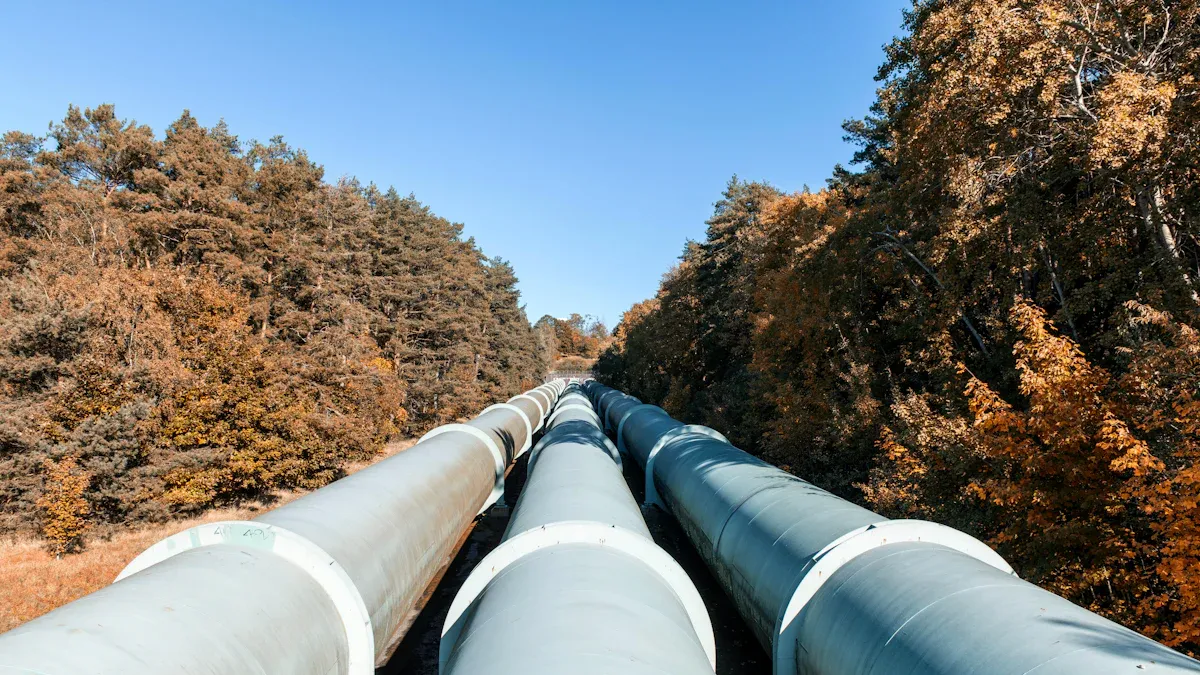
You get better efficiency and safety when you control hdd horizontal directional drilling variable flow. CEGC makes each horizontal directional drilling machine for your project needs. You solve problems like stuck pipe, tool wear, and bore going off track with better fluid management. Studies show that making the flow rate better helps drilling work and saves money.
Key Takeaways
-
Managing variable flow in HDD helps work better and safer. It also lowers costs and stops problems like stuck pipes. - Good fluid control is important for keeping the borehole stable. You need to balance pressure to stop the ground from cracking. This also helps drilling go smoothly. - Watching cuttings move in real time helps clean better. It also cuts down on waiting time and keeps equipment safe. This makes the project turn out better.
Variable Flow in HDD Horizontal Directional Drilling
Fluid Role and Management
You can make your horizontal directional drilling machine work better by controlling hdd horizontal directional drilling variable flow. Drilling fluid is important at every step. It cools the drill bit and helps it move smoothly. It holds up the drill string and casing. It also takes away cuttings from the borehole. You change things like viscosity and gel strength to keep cuttings floating and stop blockages. Changing viscosity lets you match the fluid to different soils and drilling jobs. Pulsating flow can clean better and make tools last longer. CEGC gives you ways to mix mud and manage fluid. You get help with picking the right pump size and mixing goals for your project.
Tip: Always check drilling fluid properties and flow rates. This stops delays and keeps your borehole clean.
Impact on Borehole Stability
You need to keep the borehole steady to stop big problems. If the flow rate is too high, pressure can get stronger than the soil. This can break the ground and make the borehole weak. Drilling fluid might leak out and hurt the environment. You must balance the lowest pressure to keep fluid moving (Pmin) and the highest pressure the soil can take (Pmax). If Pmin is higher than Pmax, the ground can crack and the borehole can fail.
|
Parameter |
Description |
|---|---|
|
Pmin |
The lowest pressure needed to keep drilling fluid moving. |
|
Pmax |
The highest pressure soil can take without breaking. |
|
Risk of Failure |
If Pmin > Pmax, the ground can crack and the borehole can fail. |
You can lower these risks by using hdd horizontal directional drilling variable flow. Spotting signs of trouble early helps you fix things fast. CEGC’s fluid management solutions help you stay safe and drill well.
Performance Impacts and Optimization
Cleaning and Cuttings Removal
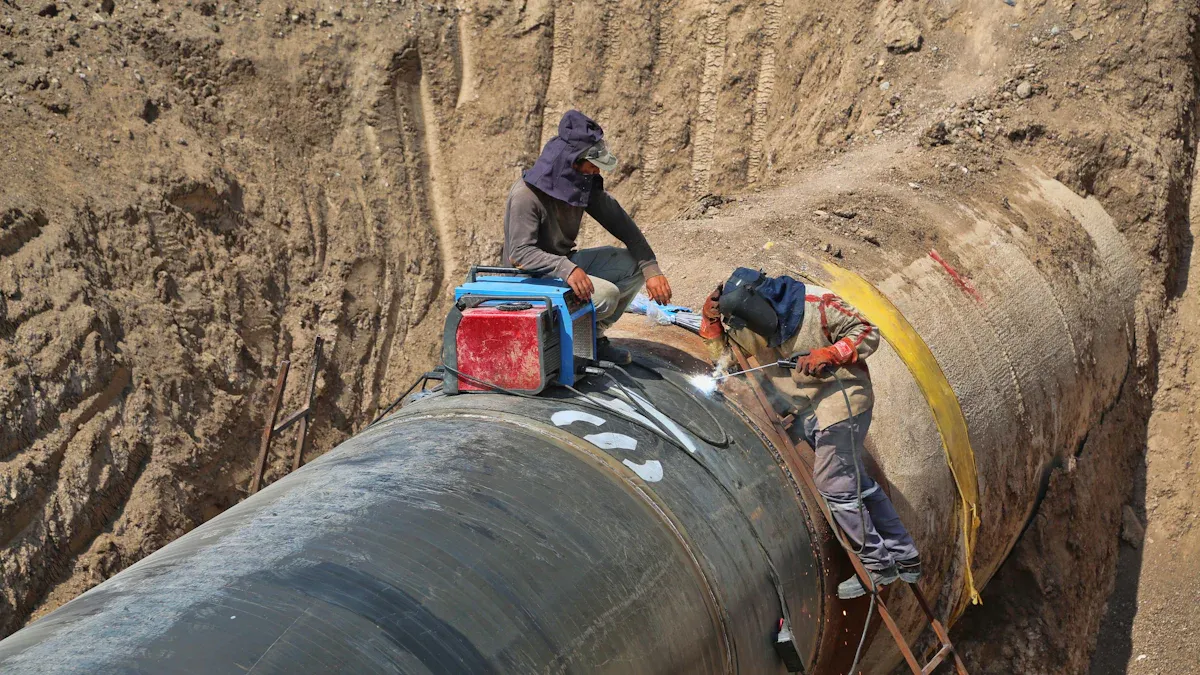
When you control hdd horizontal directional drilling variable flow, borehole cleaning gets better. You move cuttings out faster and safer. Studies show that making cuttings move at the right speed helps clean the hole well. You must keep cuttings moving steady to stop blockages and stuck pipe. Pulsating flow lowers the cuttings bed and speeds up cuttings in the fixed bed zone. You see fewer delays and less downtime when cuttings transport works well.
You need to watch annular velocity for cleaning. Higher pump rates help clean wells that are not straight. You keep circulating until shakers are clear of cuttings. Artificial intelligence tools can help predict cuttings transport and guide your choices. You check weight on bit, rate of penetration, and fluid properties to make cleaning better. You also look at wellbore shape and fluid properties to help cuttings move. You face problems like low annular velocity and tough ground, but advanced downhole tools can help.
Tip: Keep checking cuttings transport and borehole cleaning. You avoid stuck pipe and get better project results.
Cooling and Lubrication
You protect your drilling machine by managing cooling and lubrication. Drilling fluid takes away heat from the drill bit. It acts as a lubricant and lowers friction. Your equipment lasts longer and wears out less. If you do not have enough lubrication, torque goes up, drag gets worse, and tools wear faster. You use variable flow and viscosity to improve material movement and make your drilling rig work better.
-
Drilling fluid cools the drill bit and lubricates the pipe.
-
Good lubrication lowers torque and drag.
-
Advanced systems control flow and pressure for better cooling and lubrication.
You watch fluid pressure, return flow, viscosity, and filter cake. You keep downhole pressure steady and control mud properties. You pick the right tools to keep operations safe and efficient.
Pressure and Equipment Protection
You manage pressure and protect your equipment with hdd horizontal directional drilling variable flow. You keep fluid properties like density, viscosity, and rheology in check. You remove cuttings well to stop pressure buildup and stuck tools. You set pump rates for cuttings transport and pressure control. You pick the right tools to keep material removal steady and pressure stable.
|
Factor |
Description |
|---|---|
|
Drilling Fluid Properties |
Density, viscosity, and rheology help keep downhole pressure right. |
|
Cuttings Suspension |
Good cuttings removal stops pressure buildup and stuck tools. |
|
Flow Rate |
Right pump rates help move cuttings and control pressure. |
|
Tooling |
Picking the right tools helps remove material and keep pressure steady. |
You use CEGC’s anti-stall powertrain and overload protection to stop torque spikes and downtime. Durability package solutions help reduce tool wear and keep your drilling machine running longer.
Efficiency and Safety Benefits
You save money and stay safer when you optimize hdd horizontal directional drilling variable flow. You spend less on supplies and tools. You avoid stuck pipe and bore going off track. You get better project results and more work done each day. Real-time data collection and communication help you make drilling better. Downhole tools give you information about drilling. You change drilling settings based on real-time feedback.
-
You do geotechnical surveys before drilling.
-
You make drilling fluid better for cleaning and cuttings transport.
-
Steerable drill heads and reamers help keep alignment precise.
-
You watch pressure, torque, and fluid flow for real-time changes.
-
Specialized downhole tools record and send real-time data.
-
You change surface drilling settings based on feedback.
Note: Keep a feedback cycle to adjust drilling settings and make cuttings transport better. You improve safety and efficiency with CEGC’s standard specs and project-based solutions.
You make borehole cleaning better and safer by controlling variable flow. This also helps you save money. Studies say that better cleaning saves time and costs less. Here are some benefits you get:
-
You clean the borehole faster, so you have less downtime.
-
Cleaning the borehole well makes the job safer.
-
Good cleaning means you spend less money.
-
Learn what your limits are for cleaning the borehole.
-
Look at how the soil acts to clean better.
-
Control the pulling force when you clean.
-
Use FEM if the cleaning job is hard.
|
HDD Equipment |
Pipe Diameter (m) |
Bore Length (feet) |
Torque (ft/lbs) |
Thrust / Pullback (lbs) |
|---|---|---|---|---|
|
Maxi-HDD |
18 & greater |
1000 + |
10,000 + |
70,000 + |
|
Midi-HDD |
Up to 16 |
Up to 1000 |
1,900 to 9,999 |
20,001 to 69,999 |
|
Mini-HDD |
Up to 6 |
Up to 600 |
Up to 1,899 |
Up to 20,000 |
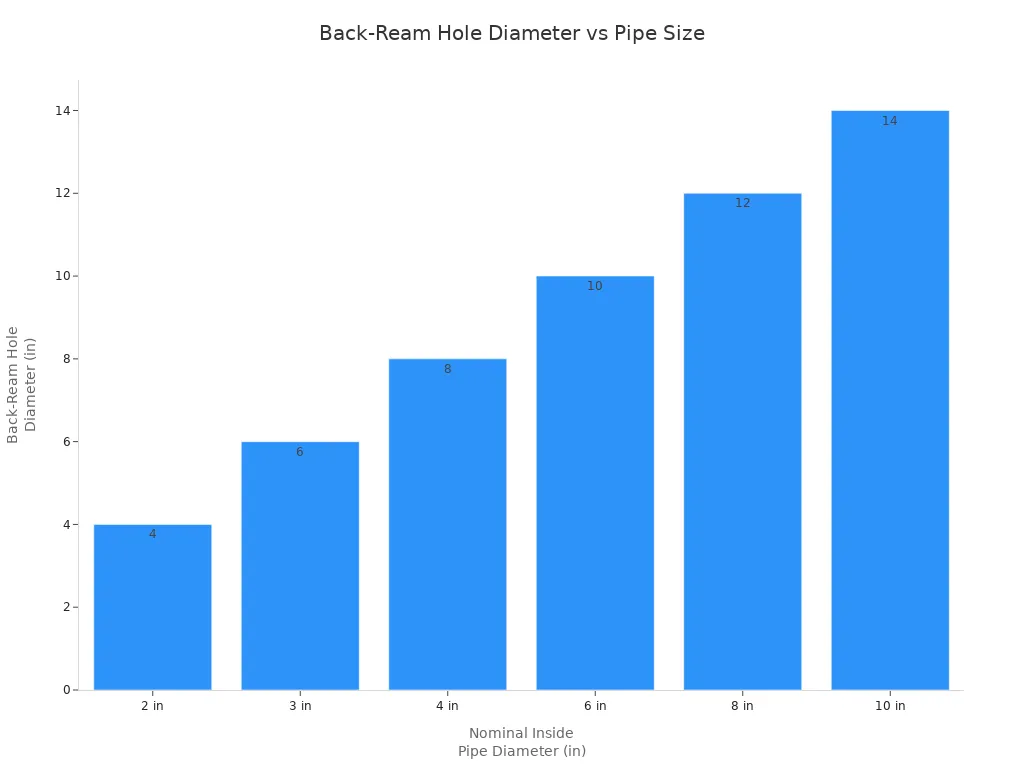
You can pick CEGC’s standard specs or ask for a custom plan. Always use the best ways to clean the borehole for good results.
FAQ
What is cuttings transport in horizontal directional drilling?
Cuttings transport is when you move soil and rock out. Drilling fluid carries the cuttings away from the borehole. This keeps the hole clean and safe.
Why does cuttings transport matter for HDD projects?
Good cuttings transport stops stuck pipe and blockages. It helps you finish work faster and protects your drilling machine.
How can you improve cuttings transport during drilling?
You can change fluid flow, viscosity, and pump rates. Real-time tools help you watch cuttings transport as you drill. You adjust settings to fit the soil and borehole shape.
Tip: Check cuttings transport often to stop downtime and tool wear.
-
Use higher pump rates for hard ground.
-
Watch cuttings transport with sensors.
-
Change drilling fluid properties to help cuttings move.
|
Factor |
How It Helps Cuttings Transport |
|---|---|
|
Fluid Flow |
Moves cuttings out of the borehole |
|
Viscosity |
Keeps cuttings floating |
|
Pump Rate |
Speeds up cuttings transport |
|
Real-Time Monitoring |
Tracks cuttings transport and cleaning |
What tools help you monitor cuttings transport?
You use sensors, shakers, and downhole tools. These tools give you data about cuttings transport. They help you make changes for better results.
Can cuttings transport affect project costs?
Yes. Bad cuttings transport causes more tool wear and delays. You save money by keeping cuttings transport steady and cleaning the borehole well.


