
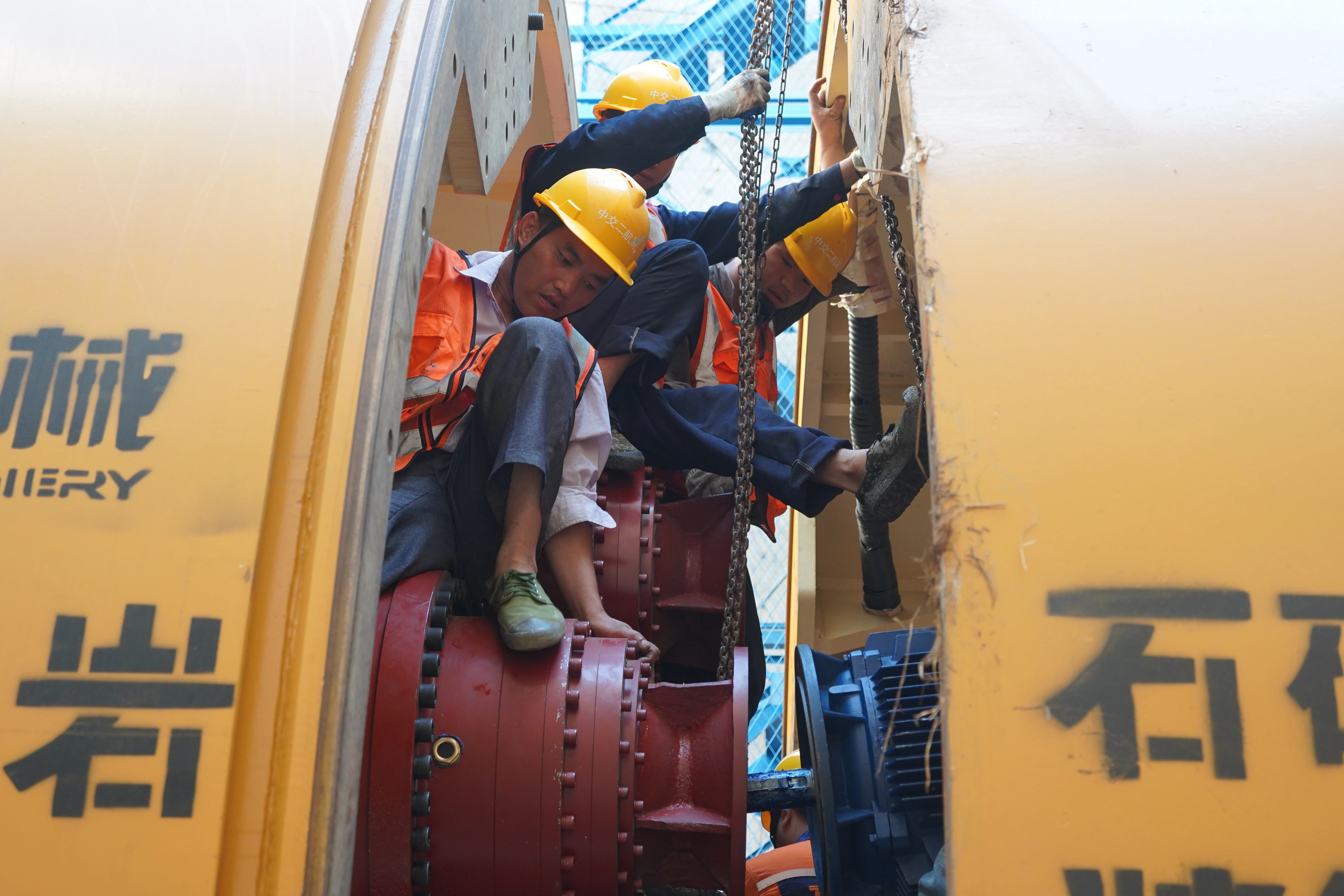
Think about your tunnel boring machine slowing down all of a sudden. Discharge bottlenecks raise risk for a TBM machine because they cause material to pile up and put stress on the machine. You notice material getting stuck inside the system. CEGC provides solutions that help you stop these problems and keep your tunnel machine working safely.
Key Takeaways
-
Discharge bottlenecks can make your tunnel boring machine slow. Material can pile up if this happens. Check mucking slots and discharge lines often to stop blockages.
-
It is important to find discharge problems early. Watch the discharge flow and pressure to see problems before the machine stops working.
-
Using good technical solutions, like modular designs and continuous conveyor systems, can help keep muck moving. These solutions also lower safety risks during tunneling.
Discharge bottlenecks raise risk for a TBM machine
What Causes Discharge Bottlenecks?
You might see that discharge bottlenecks raise risk for a TBM machine when mucking slots do not work right. These slots need to move broken rock and soil out fast. If the slots are too small or blocked, rock and soil pile up. This can make the cutterhead slow down or stop. When discharge slows, the whole tunnel machine has trouble. Bad discharge systems let rock ballast build up inside the machine. This buildup stops the cutterhead from working well and can cause strain.
Discharge bottlenecks raise risk for a TBM machine in many ways:
-
Slurry and muck pile up behind the cutterhead.
-
Blockages happen in the discharge line.
-
The machine gets more pressure and stress.
-
Sudden breakdowns are more likely.
-
You may see more stops and starts, which cause more trouble.
Impact on Tunnel Boring Machines
Discharge bottlenecks raise risk for a TBM machine by causing many problems. When discharge slows, the machine cannot get rid of soil and rock fast enough. This makes slurry pile up and blockages form. The cutterhead can get stuck, and the machine may lose balance. You might see the advance rate drop, so the project slows down. The machine can get damaged if it tries to push through a blockage. Bad penetration rates can also hurt the cutterhead and other parts.
You also face other risks:
-
Dangerous conditions inside the tunnel.
-
Tunnel walls may fall down.
-
Air quality gets worse, and you may breathe in bad stuff.
-
There is a risk of explosion or fire if gases get trapped.
CEGC helps you handle these risks with good face pressure control, soil conditioning, and sealing systems. These solutions keep the face safe and help the discharge system work well. The right soil conditioning keeps muck moving, and strong sealing systems stop leaks. With CEGC’s specs and custom options, you can match the system to your ground and lower risk.
Tip: Always check your mucking slots and discharge lines before you start. Good design stops many problems.
Signs and Early Detection
You can find discharge bottlenecks early if you know what to watch for. Look for slow discharge, higher pressure, or sudden stops in muck flow. If you see material piling up behind the cutterhead, act fast. Predictive maintenance systems help by watching the tunnel boring machine all the time. These systems track data and warn you about problems before a shutdown. Regular checks and preventive maintenance keep the machine running and lower risk.
Here are some ways to find problems early:
-
Watch discharge flow and pressure.
-
Use predictive tools to spot changes.
-
Check mucking slots and discharge lines often.
-
Teach your team to notice warning signs.
Discharge bottlenecks raise risk for a TBM machine, but finding them early and acting fast can stop big problems. For B2B owners, EPC contractors, and city utilities, spending money on monitoring and maintenance saves time and money. CEGC gives you good systems and expert help, so your tunnel machine stays safe.
Managing Risks in Tunnel Boring Machines
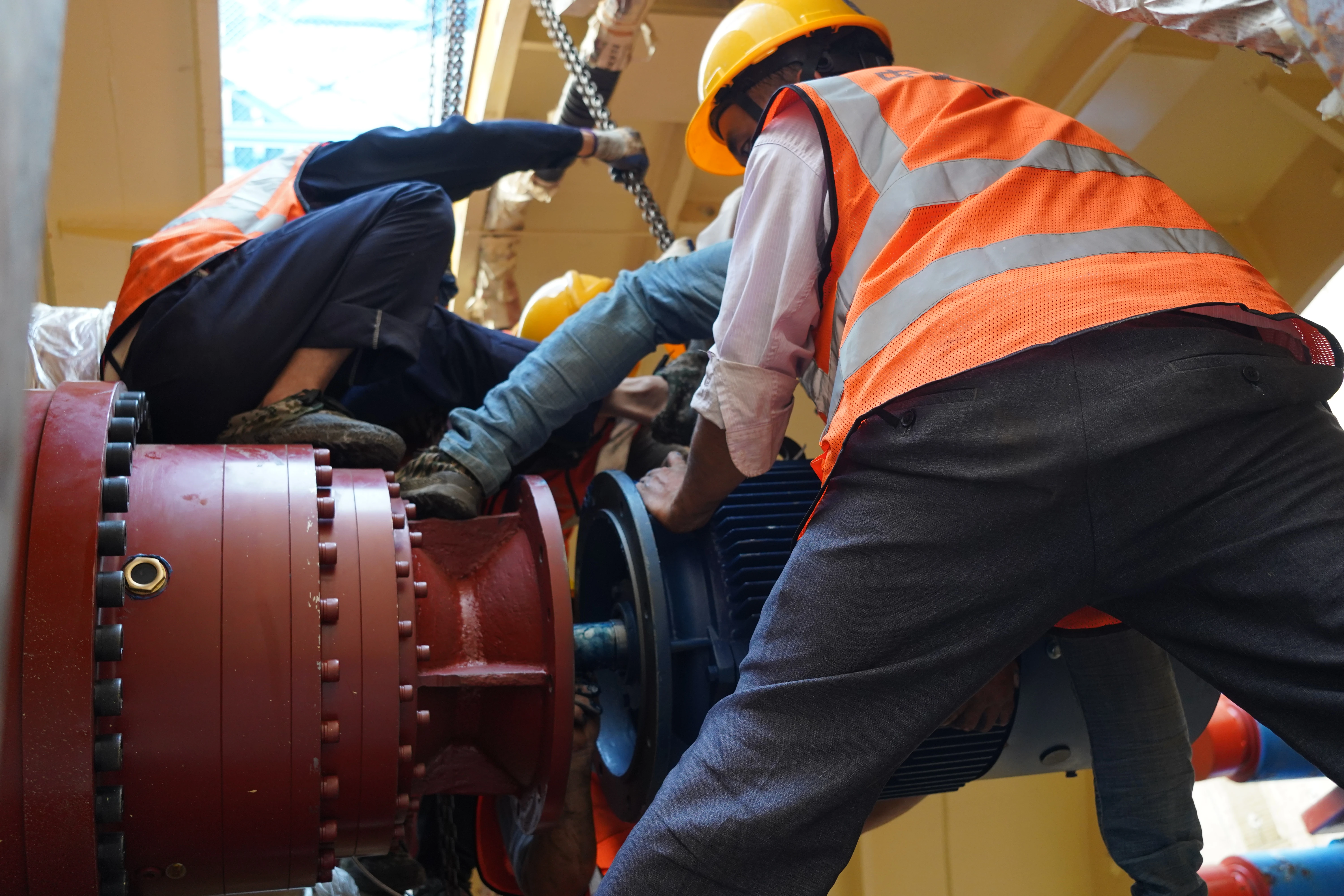
Machine Entrapment and Downtime
Discharge bottlenecks can trap your tunnel boring machine underground. When muck and debris do not move out fast, the cutterhead faces more resistance. The machine may slow down or stop. This causes long delays and costs more money. Every hour matters in tunneling. If you do not move debris well, you risk machine entrapment and downtime. The workface stays stable if you remove muck well. Bad control can make the tunnel face collapse or damage the cutterhead.
Note: Look for slow muck flow or rising pressure. Acting fast keeps your tunneling projects safe.
Efficiency, Cost, and Safety
You want your tunneling projects to finish on time and not cost too much. Discharge bottlenecks make this hard. They slow the advance rate and raise maintenance costs. Safety risks also go up. You may see unstable ground, falling tunnel walls, or groundwater problems. The cutterhead can get damaged if resistance is too high. Good debris transport keeps your team safe and your project moving.
-
Safety risks from discharge bottlenecks include:
-
Unstable workface
-
Collapse of weak rock
-
Damage to the cutterhead
-
Technical Solutions and Best Practices
You can stop bottlenecks by using strong tunneling machines. CEGC gives modular designs and wear management systems to keep muck moving. Continuous conveyor systems move debris steady and cut wait times. Keeping these systems maintained is important, especially with sticky muck. Guidance systems help you stay on line and avoid overcut. Customizing your machine for your site helps a lot. CEGC service support gives help when you need it.
Tip: Train your crew to spot warning signs early and keep all systems maintained. This keeps your tunneling safe and efficient.
Discharge bottlenecks make your TBM tunnel boring machine less safe. You can make things safer if you act early. Using good technical solutions helps a lot. Try system-wide tools like ultrasonic cleaning and seal tracking. CEGC gives you standard specs and custom choices.
|
Solution |
Impact on Discharge Bottlenecks |
|---|---|
|
Ultrasonic cleaning |
Less flow changes |
|
Better preventive maintenance |
FAQ
What is groundwater control in tunnel boring?
Groundwater control helps you manage water near your tunnel machine. It keeps the tunnel dry and safe for workers. Good groundwater control stops water damage to your project.
Why do you need groundwater control methods?
You need these methods to keep water out of the tunnel. They help protect the tunnel boring machine from harm. These methods also stop the tunnel walls from falling down.
How does groundwater affect tunnel boring machines?
Groundwater can fill up your tunnel with water. It makes the soil weak and can make the tunnel fall in. Groundwater control helps your tunnel boring machine work better.
Tip: Check your groundwater control systems before you start tunneling. This helps you stop problems and keeps your project safe.
|
Groundwater Control Method |
Benefit |
|---|---|
|
Grouting |
Stops water flow |
|
Wellpoint systems |
Lowers groundwater level |
|
Sealing systems |
Keeps tunnel dry |


