
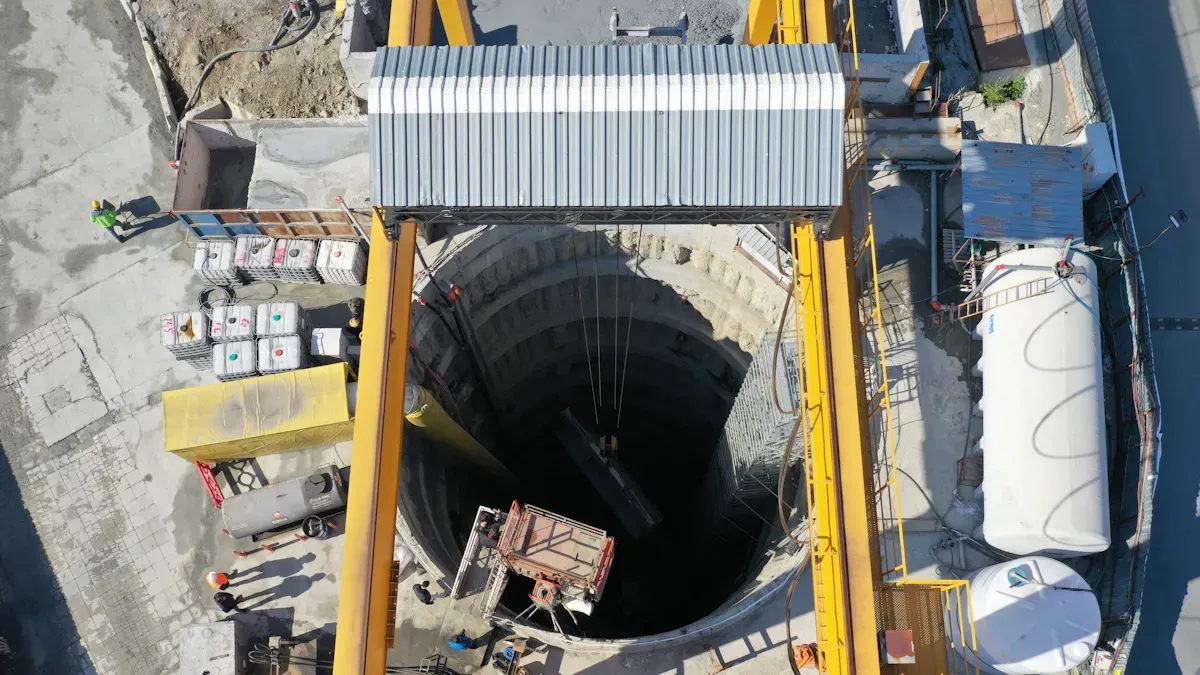
TBM tunnel progress dies when mucking falls behind. Slow mucking delays make tunnel machine operations dangerous. If muck transport cannot be controlled, costs escalate. Idle time costs increase every day the tunnel boring machine is not operational. CEGC helps you manage these risks effectively.
|
Risk Type |
Description |
|---|---|
|
Uncontrollable transportation of muck |
Dug-up materials are challenging to manage when moving them from tunnel digging sites. |
|
Idle Time Costs |
Every day the TBM is not working, fixed costs continue to rise. |
Key Takeaways
-
Getting muck out fast is very important for TBM work. If mucking is slow, costs go up and the project gets risky.
-
Using new systems like tunnel conveyors can make mucking faster by 20%. This keeps the work moving and stops delays.
-
CEGC gives special ways to handle mucking well. Their designs and monitors help stop issues and keep your tunnel job on time.
Why mucking matters for TBM tunnel progress
The role of muck removal in tunnel boring machine operations
You have to take out the muck from the tunnel face. This is important so the tunnel boring machine can keep moving. Mucking does more than just clear space. It helps keep the tunnel safe and lets you put in the tunnel lining. If you do not get rid of muck fast, the tunnel boring machine will stop working. This happens with both big tunnel boring machines and microtunnelling machines.
Good muck removal systems help you make real progress. For example:
|
Muck Removal Method |
Efficiency Improvement |
|---|---|
|
Continuous Tunnel Conveyors |
|
|
Muck Cars |
Less efficient |
At least 75% of all world records in TBM tunneling used continuous conveyors. These systems do not need to stop for people or materials. This means you can work more without waiting.
What happens when mucking falls behind
If mucking gets slow, you can have big problems. Delays in mucking can make the ground sink or become unstable. Water might even get into the tunnel. These things can stop your tunnel boring machine and put your project in danger.
-
If mucking is late, buildings above the tunnel can settle.
-
Mucking problems can make the ground at the tunnel face unsafe.
-
If muck gets stuck or moves too slowly, your cutter tools can wear out faster and you lose more time.
Tip: EPB shield tunneling keeps digging safe and fast, but only if mucking goes well. If mucking falls behind, problems get worse quickly.
You need to keep mucking working well to stop these problems and keep your tunnel boring machine moving.
TBM tunnel progress dies when mucking falls behind
Step-by-step impact of mucking delays
You notice mucking delays right away in tunneling. When muck removal slows, the tunnel machine cannot move forward. The cutterhead still spins, but spoil starts to pile up. This makes the machine stop often. Each stop means you lose important progress. The saying "tbm tunnel progress dies when mucking falls behind" becomes true on your jobsite.
-
Mucking delays can block muck transport and make TBMs jam or stop.
-
Stopping often wears out parts like the cutterhead faster.
-
Past projects like the Evinos-Mornos tunnel and Pinglin highway tunnel show that bad ground can cause delays and higher costs.
You need to keep thrust, torque, and muck removal balanced. If you push the tunnel boring machine too hard without fast muck removal, the tunnel face can become unstable. The ground at the tunnel face might shift or fall in. This is dangerous and can break your equipment.
How muck removal works with thrust and torque is very important. You can see this in the table below:
|
Evidence Description |
Impact on TBM Operations |
|---|---|
|
Efficient muck removal systems must be coordinated with the TBM's thrust and torque to optimize performance. |
Ensures effective material handling and prevents operational bottlenecks. |
|
Muck removal represents one of the most critical logistical challenges, particularly for large-diameter machines. |
Large volumes of excavated material require sophisticated handling systems to maintain continuous excavation progress. |
If you lose control of mucking, you also lose control of face pressure. This can make the tunnel face unstable, let water in, and cause the ground above to settle. These problems get worse with every minute of delay.
Immediate risks and project consequences
If mucking falls behind, you face big risks that can hurt your whole project. The phrase "tbm tunnel progress dies when mucking falls behind" is not just a warning—it has happened in many tunneling jobs around the world.
|
Risk Category |
Description |
|---|---|
|
Problems with the cutting system can slow work and cost more money. |
|
|
Machine blockage or hold-up |
The tunnel boring machine cannot move, which causes delays. |
|
Mucking problems |
Trouble removing muck makes the work less efficient. |
You see these problems in your daily work. Bad slurry and mucking management causes delays. If you cannot control muck transport, tunneling slows down. The table below shows how these risks affect your project:
|
Risk Factor |
Description |
|---|---|
|
Not controlling the slurry mix and muck removal can cause delays. |
|
|
Uncontrollable transportation of muck |
Problems moving muck from the tunnel can slow everything down. |
Face instability is the most serious problem. When mucking falls behind, the tunnel face can fall in. This puts your team and machines in danger. Water can flood the tunnel, making it hard and costly to fix. The ground above the tunnel can sink, hurting roads, pipes, or buildings.
You can handle these risks with CEGC’s closed-mode face support and soil conditioning. These systems help keep face pressure steady and muck moving, even in tough ground. CEGC’s technology helps keep tunneling safe and lowers the risk of face instability.
You always need to keep thrust, torque, and muck removal balanced. If you lose this balance, tbm tunnel progress dies when mucking falls behind. Every delay makes face instability and project problems more likely. You need good mucking systems to keep your tunnel project going.
Technical solutions for reduced stoppages
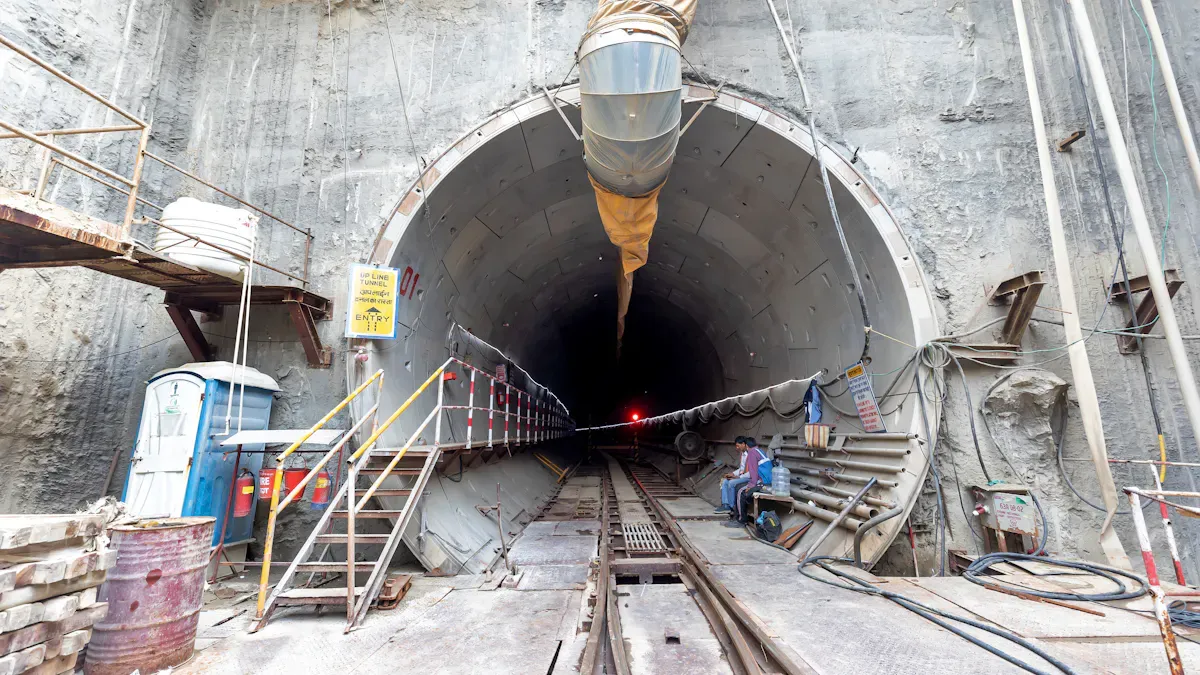
CEGC’s approach to mucking and uptime
You need good solutions to keep your tunnel boring machine working. CEGC uses modular designs so you can work faster and safer. Modular equipment lets you put in and fix parts easily. You can change the TBM machine for different ground types. This means less downtime and better muck removal. These solutions give you more flexibility and make things more reliable.
You also get help from advanced monitoring. These systems watch how the machine works and warn you about problems early. Preventive maintenance plans help you fix things before they break. You can plan how to move muck and bring in tunnel parts well. These ideas make your work faster and more reliable.
-
Modular design makes mucking better.
-
Advanced monitoring checks performance and stops problems.
-
Preventive maintenance keeps your TBM machine running.
-
Good planning helps you remove muck and put in tunnel lining.
Customization and support for project needs
Every project has its own challenges. CEGC gives you solutions that fit your needs. You can change the TBM machine for different soil, water, or space problems. Project support includes training, starting up, and planning for spare parts. These solutions help B2B owners, EPC contractors, and city utilities manage work and stop delays.
Auger boring machine systems also work better and last longer. Steerable rock systems let you control them from far away. You do not have to pull out augers to check lines. This keeps production high and stops interruptions. You can keep working without stopping and get better results.
Note: CEGC’s technical solutions for reduced stoppages help you keep muck moving and your tunnel machine working. You get better speed and reliability for every project.
You can see that mucking efficiency helps TBM tunnel progress. If you fix problems quickly, you save money. CEGC’s technical solutions help you find problems early. This keeps your tunnel machine working. You have fewer problems with downtime and safety. You stop issues before they get bigger. You handle mucking and equipment problems well. You keep your schedule safe from delays. You avoid pump failures. You prevent slurry flow issues. You spend less on landfill costs. You make the tunnel face safer by stopping problems. You help the environment by fixing waste issues. You learn from projects that used new designs to fix problems. You trust CEGC to manage problems and keep your project safe. You succeed when you fix problems before your tunnel boring machine stops.
|
How CEGC Helps You |
Result |
|---|---|
|
Finds problems early |
Keeps your project moving |
|
Fixes mucking issues |
Reduces downtime |
|
Stops equipment problems |
Improves safety |
-
Pick CEGC to fix your problems and keep your tunnel machine running.
FAQ
What causes stoppage in TBM projects?
TBM work stops when mucking gets slow. Stoppage happens if muck removal does not work. You see more stoppages if you do not plan mucking well.
How does stoppage frequency affect TBM tunnel progress?
When stoppages happen a lot, TBM progress slows down. You lose time every time the machine stops. TBM projects need fewer stoppages to work well. More stoppages mean more delays and higher costs.
Why does TBM stoppage matter for reliability and safety?
TBM stoppage puts your project in danger. If stoppages happen often, the tunnel face can fall in. Stoppage can make the tunnel face collapse. You must stop stoppages to keep your team safe.


