
You face significant risks when discharge failures occur in a tunnel project. Tunnel Boring Machines (TBM) can halt operations, leading to slower tunneling progress. Issues such as tunnel settlement, face instability, and water ingress frequently result in claims. CEGC provides effective solutions to manage these risks with innovative tunnel technology. Discharge failures can create claims on a TBM machine.
Key Takeaways
-
Discharge failures in TBM projects can cause big delays and money problems. Watch your TBM often to stop these issues.
-
Doing regular maintenance and finding problems early is very important. Use sensors and write in a daily log to find issues before they get worse.
-
Teaching your team to see early signs of failure can lower risks. Use good training so everyone knows what to do.
Common discharge failures in TBM
Blockages and slurry issues
Blockages and slurry problems are main reasons for discharge failure in TBM work. Slurry TBMs need a steady flow to keep the tunnel face safe and stop too much digging. If too much slurry comes out, pressure can drop fast. This may cause the ground behind the tunnel to lose volume and make a gap. If the slurry line gets blocked, a sinkhole can appear on the ground. You have to watch your TBM closely to stop the ground from sinking. Slurry TBMs can also get water or soil coming in, which makes too much digging and volume loss more likely. Using closed-face tunneling helps control these problems, but you need the right TBM method for each job.
Mechanical faults and wear
Mechanical faults and wear can hurt how well your TBM works. You might see the cutterhead get stuck, wear out unevenly, or the muck system break down. These issues often cause too much digging and volume loss. When you dig through mixed ground, the chance of failure goes up. Faults can make the ground break along weak spots, causing collapse and the ground to sink. If water moves easily, slurry TBMs can have blow-outs at the tunnel face. Clay can stick to the cutterhead, making more blockages and too much digging. You should check your TBM often to stop sinkholes or gaps from forming.
Ground conditions and water ingress
You need to watch ground conditions and water coming in when tunneling. Changes in the ground or water can jam the TBM or let water in. Too much water raises chamber pressure and makes too much digging and volume loss more likely. Sudden changes in soil or rock can cause failure and make a sinkhole or gap. In Mumbai, water pressure reached 5 bars, showing how water can affect TBM work. If the ground above pushes harder than the face, it can cause heaving, blow-outs, and too much digging. You should use CEGC’s advanced systems to handle these risks and keep your tunnel project working well.
Discharge failures can create claims on a TBM machine
Operational impacts and downtime
Discharge failures make tunneling very hard. TBM stoppages can pause tunnel work for a long time. When the tunnel machine stops, you lose time. The project takes longer, and costs go up fast. In the Uma Oya project, discharge failures caused a 9-year delay. The tunnel boring machine could not work as planned. The project lost 700 million USD in power. It lost 110 million USD in irrigation. It lost 12.7 million USD in drinking water supply. Tunnel costs went from 514 million USD to 553 million USD. The break-even point moved to 2030. Discharge failures can create claims on a TBM machine and affect all parts of tunnel building. If you do not fix the failure quickly, you risk more delays and higher costs.
Contractual and financial risks
You need to know the risks from discharge failures in tunnel jobs. TBM downtime leads to claims from owners and contractors. Municipal utilities may also make claims. When tunneling stops, you may get penalties for late work. The contract may make you pay for lost money or extra costs. Discharge failures can create claims on a TBM machine that hurt your finances. You may need to pay for ground settlement or water coming in. Claims can grow if you do not handle tunnel risks well. CEGC’s tunnel machine solutions help lower these risks. Face pressure control keeps the tunnel safe. Soil conditioning helps muck removal go smoothly. Sealing systems stop water from coming in. You can avoid many claims by using these technical solutions.
Claim triggers and documentation
You must track every failure and write down each event. Claims often start when you miss goals or the tunnel machine stops too long. Discharge failures can create claims on a TBM machine if you do not keep records. You should log downtime, repairs, and tunnel progress. Owners and contractors want proof of what happened. Good records help you fight unfair claims. You can use CEGC’s monitoring systems to record tunnel conditions and machine work. Keep clear logs of face pressure, muck transport, and water coming in. You should teach your team to spot early signs of failure. Quick action and good records help you manage claims and protect your project.
Tip: Keep a daily log of tunnel machine work. Write down every stoppage, repair, and change in ground conditions. This helps you stop disputes and handle claims.
Discharge failures can create claims on a TBM machine, but you can lower risks with the right tools and steps. Use CEGC’s technical solutions to keep your tunnel safe and your project moving.
Preventing and managing TBM discharge failures
Monitoring and early detection
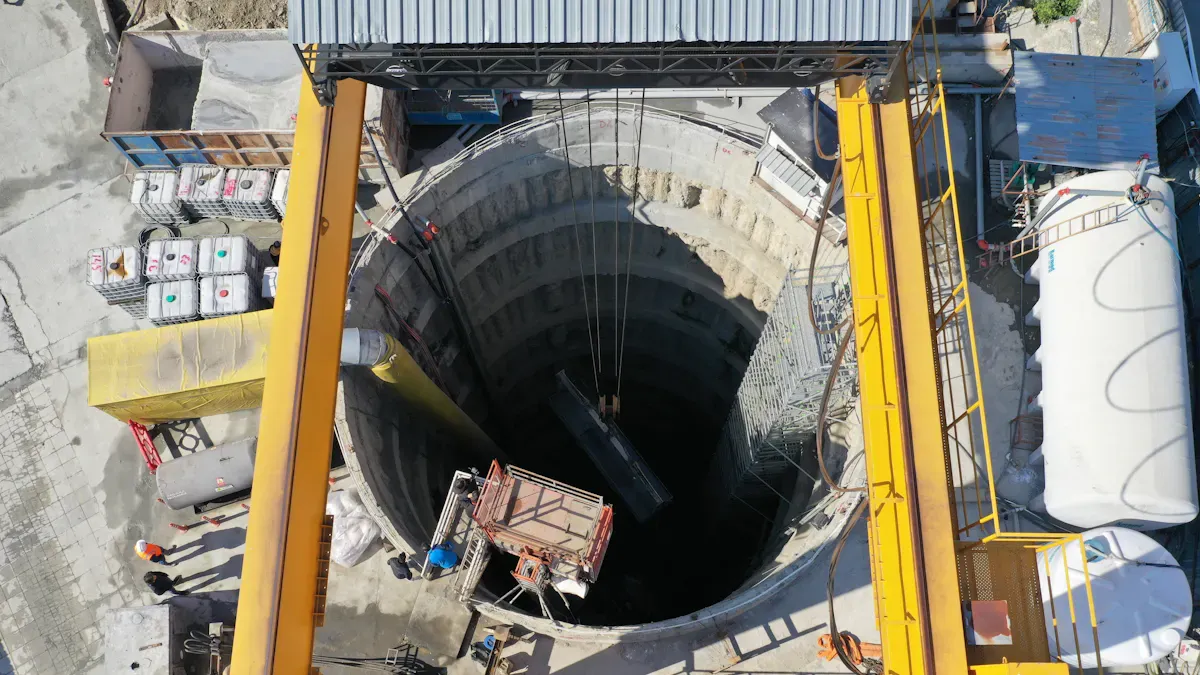
You can stop many tunnel problems by watching your TBM. Early detection lets you fix small issues fast. Use sensors to check face pressure, muck flow, and water levels. CEGC’s monitoring systems show you real-time data. This helps you act quickly if something changes. Check the tunnel machine every day for problems. Look for signs of blockages or leaks. If you find a problem early, you can fix it fast.
Maintenance and technical solutions
Regular maintenance keeps your TBM working well. Clean the muck transport system often to avoid problems. Change worn parts before they break. CEGC’s modular design makes repairs quick and easy. You can change parts without waiting long. Some technical solutions help tunneling work better. For example:
-
A grouted pipe canopy gives the tunnel more support and stops blockages.
-
A good backup plan helps you deal with debris and keeps the TBM moving.
Always get ready for changes in ground conditions. This keeps the tunnel safe and lowers the chance of claims.
Training and project support
Training your team is important for safe tunneling. Teach your crew how to spot early signs of discharge failure. Use the Teach-Back Method so everyone understands. This method helps people remember what to do and make fewer mistakes. Studies show good training lowers failures and claims. CEGC gives project support like training, spare parts planning, and help with maintenance. Good records and clear talks help you manage claims and keep your tunnel project on track.
Tip: Check your training plan often. Make sure every TBM operator knows the steps for safe tunneling and how to report problems.
You can have discharge failures in tbm projects for many reasons. Blockages, mechanical faults, and ground changes are common causes. These failures can lead to claims and slow down the project. You can stop many problems with regular checks and good maintenance.
-
Put monitoring points on your tbm to watch for changes and surface problems.
-
Look at old tbm problems to make your risk checks better.
-
Use CEGC’s solutions to keep your tbm safe and help your tunnel project go well.
FAQ
What is a discharge failure in a TBM machine?
A discharge failure means the tunnel machine cannot get rid of muck or slurry. You might notice blockages, leaks, or a drop in pressure.
How can you prevent claims from discharge failures?
You should watch your TBM closely and keep clear records. Use CEGC’s technical tools to help. Acting fast can stop expensive claims.
Why does ground settlement cause claims in tunnel projects?
-
Ground settlement can harm roads or buildings.
-
You might get claims if your tunnel machine makes the ground move.


