
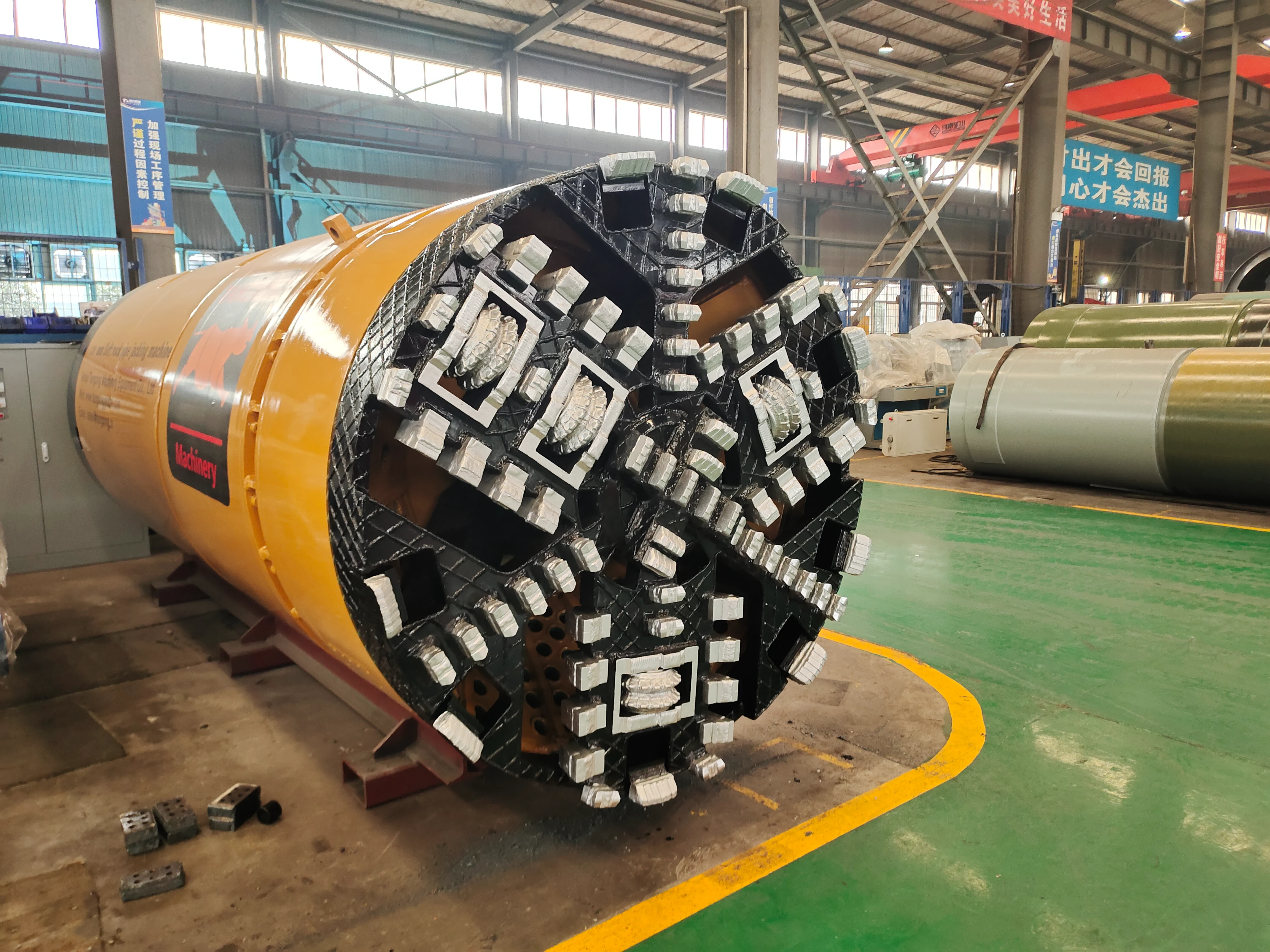
You need to act fast when TBM tunnel discharge alarms should trigger action fast. These alarms are essential for maintaining tunnel safety and preventing equipment damage. Building tunnels under cities presents unique risks, such as ground settlement and water ingress. If you delay your response, safety risks increase and project timelines can be affected. CEGC provides tunnel machines equipped with advanced safety tools and monitoring systems that comply with all safety regulations. Responding immediately when TBM tunnel discharge alarms should trigger action fast is crucial to protect both personnel and tunnel integrity.
Staying safe during underground construction means TBM tunnel discharge alarms should trigger action fast. Major hazards can halt tunnel operations if not addressed promptly.
|
Action Taken |
Impact on Tunnel Safety and Construction |
|---|---|
|
Immediate response to alarms |
|
|
Ignoring alarms |
Increases risks and slows project progress |
Key Takeaways
-
Move fast when TBM tunnel discharge alarms go off. Quick action stops equipment from breaking and keeps work on track.
-
Learn about usual alarm causes like thrust imbalance and water getting in. Spotting these problems early keeps the tunnel safe.
-
Use smart monitoring systems for updates right away. These systems make things safer by giving alerts fast and helping you decide quickly.
TBM tunnel discharge alarms: operation and triggers
How alarms work in TBM tunnel machines
It is important to know how alarms keep your tunnel safe. TBM tunnel discharge alarms should trigger action fast to protect everyone. These alarms check pressure, water, and machine movement all the time. If something is wrong, alarms send signals right away. You can see these signals on screens inside the machine. The alarms help you fix problems before they get worse.
CEGC builds tunnel machines with advanced alarms. These alarms look for ground movement, water leaks, and machine stress. You get real-time updates from tunnel monitoring systems. This helps you make quick choices during construction. If you ignore alarms, you could have flooding, broken equipment, or unsafe work areas.
Common triggers: thrust imbalance, separator alarms, and water ingress
There are many reasons why alarms go off during construction. Thrust imbalance is one common reason. This happens when the machine pushes harder on one side. The alarms warn you before the tunnel moves or the ground sinks. Separator alarms tell you if the system that removes soil and water is not working. If you do not act, water or mud can fill the tunnel.
Water ingress alarms are very important for safety. These alarms find leaks or high water pressure. You need to act fast to stop flooding and keep the tunnel safe. CEGC’s tunnel machines use sensors to find these problems early. The alarms help you keep the tunnel dry and safe for workers.
Tip: Always check tunnel alarms every shift. Quick action keeps your project safe and on schedule.
Intelligent monitoring and early warning systems
Modern construction uses smart monitoring to keep tunnels safe. These systems use real-time data to watch everything in the tunnel. You get instant updates about pressure, water, and machine health. The alarms can even stop the tunnel machine if there is a problem.
Here is how intelligent monitoring helps you:
|
Evidence Type |
Description |
|---|---|
|
Real-time Data Analytics |
These systems give you quick information to keep things safe and running well. |
|
Predictive Maintenance |
They help you fix problems before they get worse, so the tunnel stays reliable. |
|
Automated Responses |
Systems can act on their own when they find problems, lowering risks during tunnel work. |
You also get help from AI guidance systems. These systems change the tunnel machine as you work. Smart algorithms look for warning signs early. The more you use these systems, the better they get at finding problems.
Color-coded alarms make it easy to see danger levels. For example, a red alarm means stop working right away. A yellow alarm means check the tunnel soon. The Combined Jamming Risk scoring system warns you about machine jams. This helps you act before the tunnel gets blocked.
You can use these ideas to make tunnels safer:
-
Use both automation and skilled workers for better control.
-
Watch real-time data to spot problems and act fast.
-
Check grout placement and pressure to keep the tunnel strong.
Tunnel alarms are your first defense in underground construction. TBM tunnel discharge alarms should trigger action fast to protect your project, your equipment, and your team.
Fast response and emergency response: why speed matters
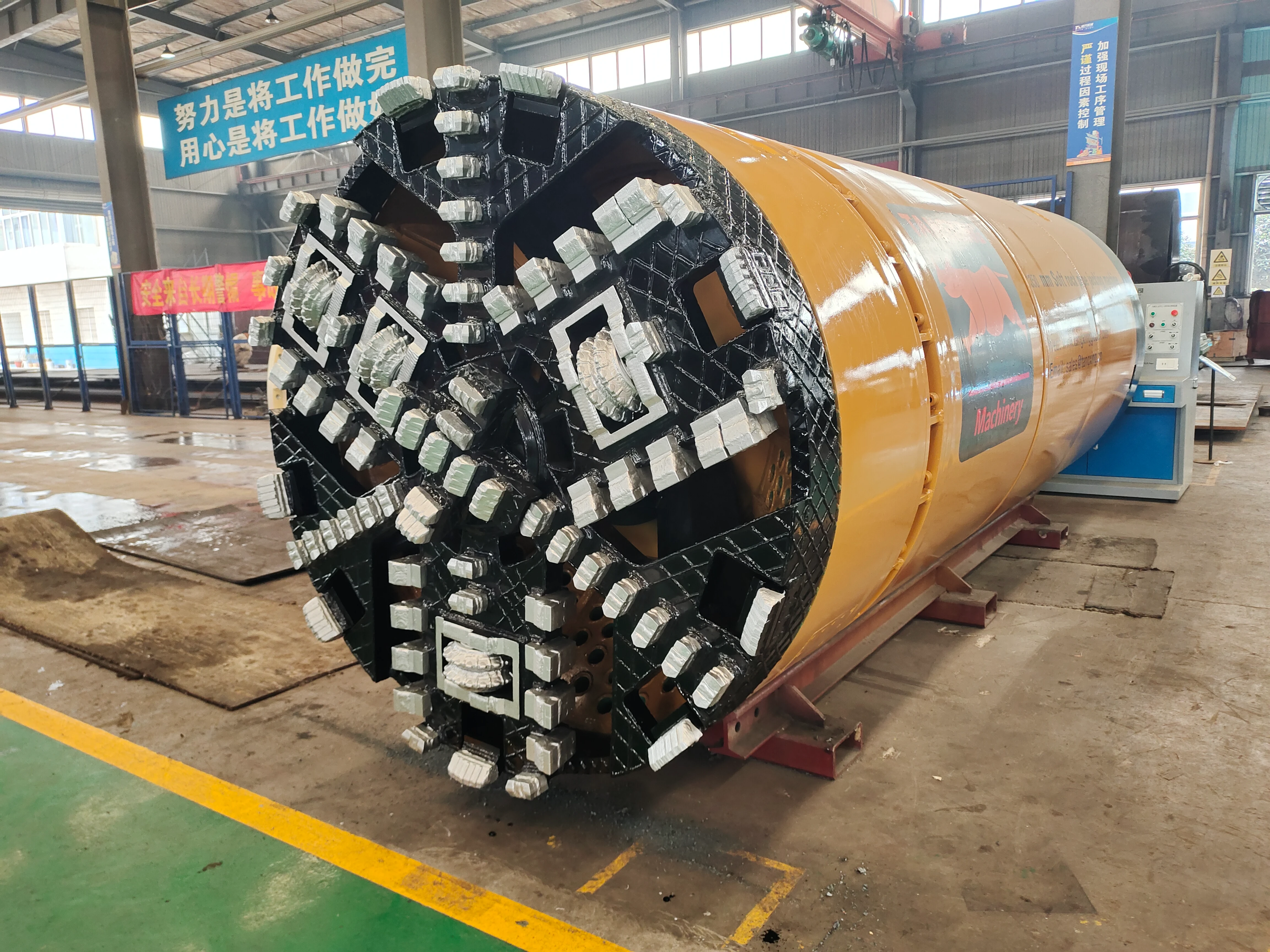
Risks of delayed action in TBM tunnel operations
You need to act fast when tunnel alarms go off. Waiting too long can cause big problems. If you ignore alarms, machines can break and tunnels can flood. This puts workers in danger. Tunnel safety depends on how quickly you respond. Delays can make the project cost more and take longer.
-
Project costs can go up by millions if there are claims or lost money.
-
Delays can last for years, which means less money from power or water.
-
Underground rivers caused by faults can hurt tunnel boring machines and make tunnels weak.
-
Too much groundwater can flood the tunnel and cover machines for months.
-
Fault cavities can let in lots of water, which breaks TBM tunnel parts and slows down work.
Tunnel alarms warn you about dangers like water leaks, thrust imbalance, and separator problems. If you do not act, tunnel safety gets worse and work stops. Job hazard analysis shows that ignoring alarms is risky for people and machines. Hazard analysis proves that acting fast stops floods and keeps tunnels safe.
Note: TBM tunnel discharge alarms should trigger action fast. Quick action keeps your tunnel, your workers, and your project safe.
Emergency response protocols for alarms
You need clear steps for what to do when tunnel alarms sound. Emergency response starts with watching for danger and checking for hazards. When alarms go off, you must follow steps to keep everyone safe.
-
Stop work and get workers out if alarms show danger.
-
Use emergency plans to help everyone leave the tunnel.
-
Check alarms and find out what is wrong using job hazard analysis.
-
Turn on closed-mode face support to control pressure and stop ground from moving.
-
Use modular designs to fix things fast.
Modern tunnel machines from CEGC help you act quickly. Modular designs let you change parts and fix things fast. This makes emergency response better and keeps tunnels safe. Skilled workers use training to practice what to do in emergencies. Safety systems have alarms and emergency stop buttons.
-
Modular designs make upgrades and repairs easy.
-
Being able to change for different jobs helps work go faster.
-
Better access for repairs means you can fix things quickly.
|
Evidence Description |
Contribution to Maintenance and Emergency Response |
|---|---|
|
Modular TBM helps solve new problems without buying a new machine. |
Saves time and money on future jobs, making work faster. |
|
Modular designs allow changing parts for new jobs. |
Makes repairs easier and faster, so you can respond quickly. |
|
Better access for repairs and upgrades. |
Lets you fix things fast during emergencies. |
Emergency response steps must follow the rules for the industry. Training teaches workers how to handle alarms and dangers. Practice drills help you learn how to leave the tunnel and check for hazards safely. Safety systems help you see problems early and act fast.
Best practices for safety and efficiency
You can make tunnels safer and work better by following good rules. Always check alarms and act fast. Use job hazard analysis to find dangers before they get worse. Keep emergency plans ready for every shift.
-
Train workers with practice programs for emergencies.
-
Use safety systems to watch alarms and dangers.
-
Keep modular tunnel machines ready for quick repairs.
-
Follow hazard analysis steps to keep tunnels safe.
|
Immediate Response |
Delayed Response |
|---|---|
|
Stops equipment from breaking |
Machines might break down |
|
Keeps project on time |
Project could be late |
|
Keeps workers safe |
Workers could get hurt |
|
Saves money on repairs |
Repairs cost more money |
You need both smart machines and skilled workers to keep tunnels safe. Watching for danger in real time helps you act fast. Tunnel alarms are your first warning in underground work. TBM tunnel discharge alarms should trigger action fast to protect your tunnel, your machines, and your team.
Tip: Always check job hazard analysis and hazard analysis before you start work underground. Acting fast keeps tunnels safe and stops emergencies.
You need to move quickly when tunnel alarms go off. Fast action helps keep the tunnel safe and your project running. Doing emergency drills often helps everyone know what to do. Having clear plans for dangers and strong emergency steps makes tunnels safer. You protect workers by using tunnel alarms, emergency plans, and hazard checks every shift.
-
Practice emergency drills a lot to test alarms and make tunnels safer.
-
Make plans for dangers underground and change emergency steps for each project.
Tunnel alarms can save lives. You make underground work safer when you focus on tunnel safety, knowing about dangers, and being ready for emergencies.
FAQ
What should you do when alarms sound during underground construction?
You need to stop working right away. Check what the alarms are saying. Follow the emergency steps your team has learned. Acting fast keeps the tunnel safe. It also stops damage to the tbm tunnel machine.
Why are alarms important for underground tunnel construction?
Alarms tell you about dangers like water leaks or ground moving. They help you keep workers safe. Alarms also keep the tunnel strong and stop delays in building underground.
How do alarms help you manage tbm tunnel safety underground?
Alarms show you what is happening in the tunnel right now. You can find problems early and fix them fast. This makes underground construction safer and helps everyone work better.


