
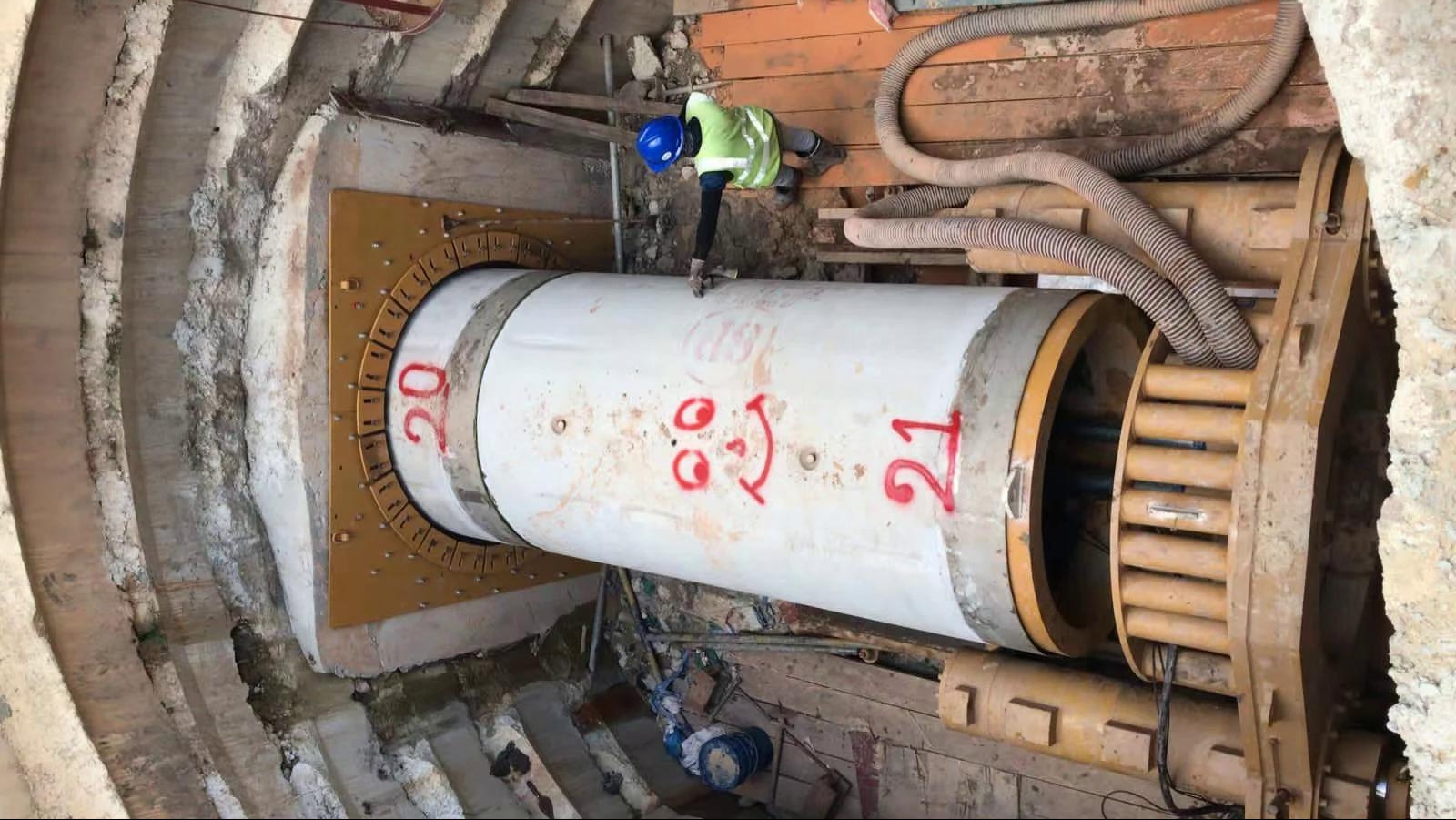
You must keep pipe joints safe when you install them. Micro tunneling discharge stability protects pipe joints by controlling ground pressure, alignment, and vibration. CEGC utilizes modern tunnel machines to help you prevent damage in city and utility projects. Stable discharge ensures your pipe joints remain strong and secure.
Key Takeaways
-
Micro tunneling discharge stability keeps ground pressure steady. This protects pipe joints from damage when pipes are put in.
-
Using CEGC's advanced tunnel machines makes sure pipes are lined up right. These machines also cause little shaking, which helps keep pipe joints strong.
-
Regular maintenance and checking face pressure and vibration levels are very important. This stops problems and helps the project work well.
micro tunneling discharge stability protects pipe joints
what is discharge stability in microtunneling
It is important to know about discharge stability in microtunneling. Discharge stability means the soil and water move at a steady speed as the tunnel machine goes forward. This steady movement helps control the pressure at the front of the tunnel. When you use a TBM tunnel boring machine or a Microtunnelling Machine from CEGC, you get smart systems that keep the pressure balanced.
Discharge stability is very important for trenchless installation. It stops sudden changes in ground pressure. These changes can make the ground shift or settle. If you keep discharge stable, you protect the tunnel and the pipe joints inside. You also help the tunnel stay on the right track. This matters a lot in city projects where space is small and safety rules are strict.
You can see how micro tunneling discharge stability protects pipe joints by looking at three main things:
-
Ground pressure stays steady, so the soil does not push too much on the pipes.
-
The tunnel machine keeps the pipes lined up, so they fit together without gaps or stress.
-
Vibration stays low, so the pipes do not shake or move out of place.
CEGC’s tunnel machines meet market-standard specs for face pressure control and guidance. You can also ask for project-based customization. This means you get the right settings for your ground and project needs.
why pipe joints are vulnerable during installation
Pipe joints can face many problems during installation. You need to know what can go wrong to keep your project safe. When you put pipes underground, several things can make the joints weak or cause them to break:
-
If you do not design or install the pipes right, you can get misalignment and extra stress on the joints.
-
Changes in ground pressure or temperature can make the pipes move or grow. This movement can pull the joints apart.
-
Outside forces, like ground settlement or small earthquakes, can shift the pipes. This can cause cracks or breaks at the joints.
-
Machines and pumps can cause vibrations. These vibrations can shake the pipes and make the joints loose over time.
-
Turbulence from water or soil flow can add stress to the pipes, which may lead to fatigue and failure.
You need to remember these risks. Micro tunneling discharge stability protects pipe joints by keeping ground pressure, alignment, and vibration steady. When you use a CEGC TBM machine or Microtunnelling Machine, you get features that help you handle these risks. The machines use closed-mode face support and guidance systems. These systems keep the tunnel stable and the pipes safe, even in tough ground or high-water conditions.
You can trust CEGC to give you tunnel machines that fit your project’s needs. You get both standard performance and the option to customize for special ground or water challenges. This is how micro tunneling discharge stability protects pipe joints and helps you finish your project safely and on time.
technical solutions for joint protection
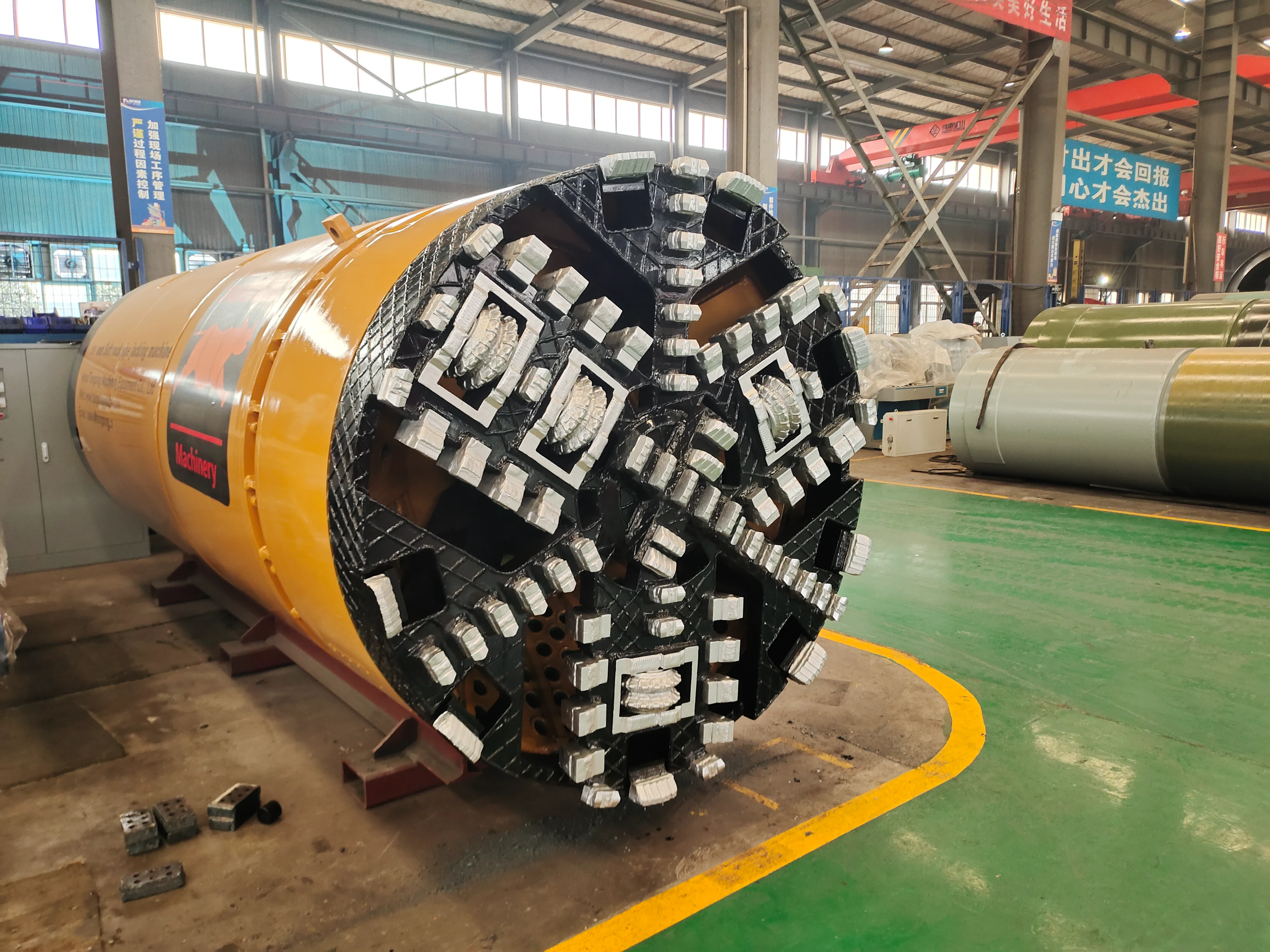
face pressure and ground control systems
There are many problems when you put pipes underground. The ground can settle or move. Water can get into the tunnel. These things can hurt your pipe joints or stop your work. You need strong face pressure and ground control systems to fix these problems. CEGC’s tunnel machines use closed-mode face support. This keeps the pressure steady at the front of the tunnel. It helps stop water from coming in. It also keeps the soil from moving too much. The cutterhead is important too. It has special tools and flushing systems. These help with hard ground and make the parts last longer. You can keep the digging safe and stop leaks or damage to your pipe joints.
alignment, guidance, and vibration management
It is important to keep pipes straight and safe. Alignment and guidance systems, like laser guidance, help you put pipes in the right place. These systems help stop joints from getting out of line. Vibration can also hurt pipe joints. You can watch for ground vibration and set alarms. If vibration gets too high, you can change how you work or stop for safety. You can use barriers or change the order of work to lower the impact.
sealing, wear, and maintenance strategies
Good sealing and maintenance stop leaks and wear. Check hydraulic seals, hoses, and connections often. Replace any parts that are worn or cracked right away. Keep spare parts ready so you can fix things fast. Lubricate moving parts and keep fluids clean. CEGC’s modular machine design makes maintenance faster. You can fix or change one part without stopping the whole machine. This helps your project keep going and protects pipe joints, even in tough conditions.
best practices and real-world examples
project scenarios using CEGC tunnel machines
You can see CEGC tunnel machines in real projects. In a busy city, pipes go under roads and buildings. The Microtunnelling Machine keeps the ground steady. It controls face pressure and guides pipes along the path. This stops ground settlement and water leaks. Pipe joints stay strong because vibration and alignment are managed. Utility projects have tight spaces and strict rules. The tunnel boring machine helps finish jobs safely and fast. You protect pipe joints and keep the project on track.
Note: Many teams have problems like poor communication, unclear jobs, and not enough resources. CEGC’s machines help fix these issues with easy systems and clear instructions.
tips for maintaining discharge stability
You can follow easy steps to keep discharge stable and protect pipe joints.
-
Check face pressure often. Change settings if soil or water changes.
-
Use guidance systems to keep pipes straight. Look for signs of misalignment.
-
Watch vibration levels. Stop work if vibration gets too high.
-
Keep seals and moving parts clean. Replace worn parts before they break.
-
Teach your team to use the tunnel machine right. Make sure everyone knows their job.
You make your project safer and pipe joints stronger by following these tips. CEGC helps with training, spare parts, and maintenance plans. You get tunnel machines that help you finish your project with confidence.
You keep pipe joints safe and help your project work well by making sure discharge stability is steady. CEGC gives you special tunnel machines and advice from experts. Here is how CEGC’s solutions work in many types of ground:
|
Solution |
Benefit |
|---|---|
|
Custom equipment and consulting |
Works well in hard or tricky ground |
|
Project planning support |
Makes jobs safer and faster |
Always look at the site and check the pipes before you begin.
FAQ
How does discharge stability help protect pipe joints?
Discharge stability keeps the ground pressure even. This stops the soil from moving quickly. Your pipe joints stay lined up and safe when you put them in.
What features do CEGC tunnel machines offer for joint protection?
-
Closed-mode face support
-
Real-time guidance systems
-
Modular design for easy maintenance
These features help keep your pipe joints safe.
Can you use CEGC tunnel machines in different ground conditions?
|
Ground Type |
CEGC Solution |
|---|---|
|
Soft soil |
Face pressure control |
|
Hard rock |
Custom cutterhead |
You can pick the best setup for your project.


