
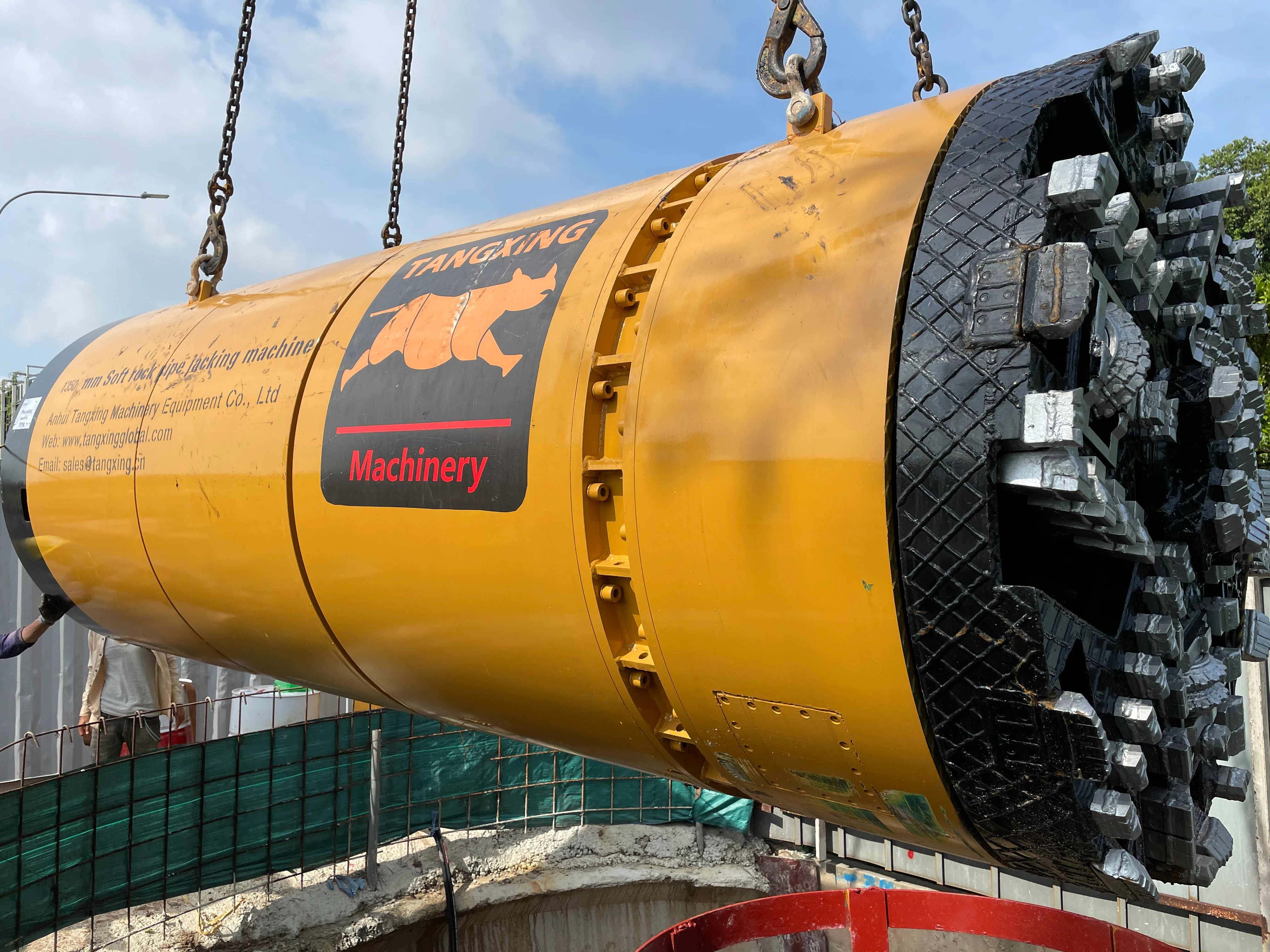
When digging tunnels in sticky clay, significant challenges arise. A TBM machine needs discharge margin in sticky clay to effectively manage the removal of this challenging material. This extra space ensures that the excavation process remains smooth and safe. Sticky clay can lead to ground settlement, weaken the tunnel face, and increase costs. CEGC offers standard tunnel boring machines and provides customization options tailored to each specific project.
|
Ground Conditions |
Face Support Method |
Spoil Removal |
Primary Advantage |
|
|---|---|---|---|---|
|
Slurry |
Silt, clay, gravel, rock, high water tables |
Bentonite/polymer slurry |
Pumped via slurry system |
Works well in many soils, good with lots of water |
|
EPB |
Cohesive soils, mixed ground, urban |
Conditioned soil plug |
Screw conveyor, wagons |
Controls ground sinking in cities very well |
|
Auger/Pilot Tube |
Stable, displaceable soils |
Earth plug, auger control |
Auger system within pipe |
Very accurate for small pipes and short tunnels |
Key Takeaways
-
A TBM machine needs enough space to get rid of sticky clay. This helps the clay move out easily and stops blockages. Blockages can make digging slower.
-
Using soil conditioning and special machines like Earth Pressure Balance helps a lot. These tools keep the tunnel safe. They also help the project finish on time.
-
CEGC gives custom solutions, technical support, and training. This helps operators work with sticky clay. It also helps lower delays and costs.
Why a TBM machine needs discharge margin in sticky clay
Sticky clay challenges for TBM machines
When you use a tunnel boring machine in sticky clay, you face special problems. Sticky clay sticks to the cutterhead and other parts of the machine. This can cause blockages and slow down digging. Sometimes, the clay forms bridges in the path where you remove soil. These bridges stop the soil from moving and make it hard to keep the tunnel face safe.
Here is a table that lists the main ways sticky clay causes trouble:
|
Mechanism |
Description |
|---|---|
|
Sticking of clay particles |
Clay sticks to machine surfaces and causes clogging. |
|
Bridging of clay particles |
Clay forms bridges that block the removal path for excavated material. |
|
Adhesion and cohesion |
Clay’s natural stickiness increases the risk of clogging. |
|
Low solubility |
Clay does not dissolve easily, so it builds up and blocks the system. |
You might see the support fluid get thicker when mixed with clay. This can make mud cakes on the cutterhead. Mud cakes block the cutterhead and slow down digging. If you do not fix these problems, the tunnel face could fall in. The argillization effect, which turns mudstone into sticky mud, makes things worse. Sticky clay makes the TBM machine work harder and adds more resistance.
How discharge margin prevents clogging
A TBM machine needs discharge margin in sticky clay to keep digging safe and smooth. Discharge margin means there is enough space and power to remove sticky soil fast. With enough discharge margin, you can:
-
Stop clay from building up and blocking the cutterhead.
-
Keep the muck moving out of the tunnel.
-
Lower the chance of mud cakes and tunnel face collapse.
-
Keep digging at a steady speed and avoid costly stops.
If you do not have enough discharge margin, you will have to stop often. The machine may need more repairs, and you could break expensive parts. Delays and fixing things can make your project cost more.
CEGC gives you technical ways to handle sticky clay. You can use closed-mode face support, like Earth Pressure Balance Machines or Slurry Balance Machines. These machines keep the tunnel face safe and stop the ground from sinking. CEGC also has ways to condition the soil. You can use foams, polymers, or special agents like Sika® Stabilizer-1514/1518. These make the clay less sticky and easier to move.
|
Technical Solution |
Impact on Project Efficiency |
|---|---|
|
Earth Pressure Balance Machine (EPBM) |
Keeps digging safe, prevents ground sinking, and improves efficiency. |
|
Slurry Balance Machine |
Balances water and soil pressure, reduces risks, and ensures safety. |
|
Microtunneling systems |
Gives you better control and monitoring for efficient operations. |
Using these solutions helps you finish your project on time. You can avoid extra costs from delays and repairs. A TBM machine needs discharge margin in sticky clay to protect your money and make sure your project works.
Tip: Always check your discharge margin before you start digging in sticky clay. This easy step can save you time, money, and problems.
Operational risks of insufficient discharge margin
Increased maintenance and machine damage
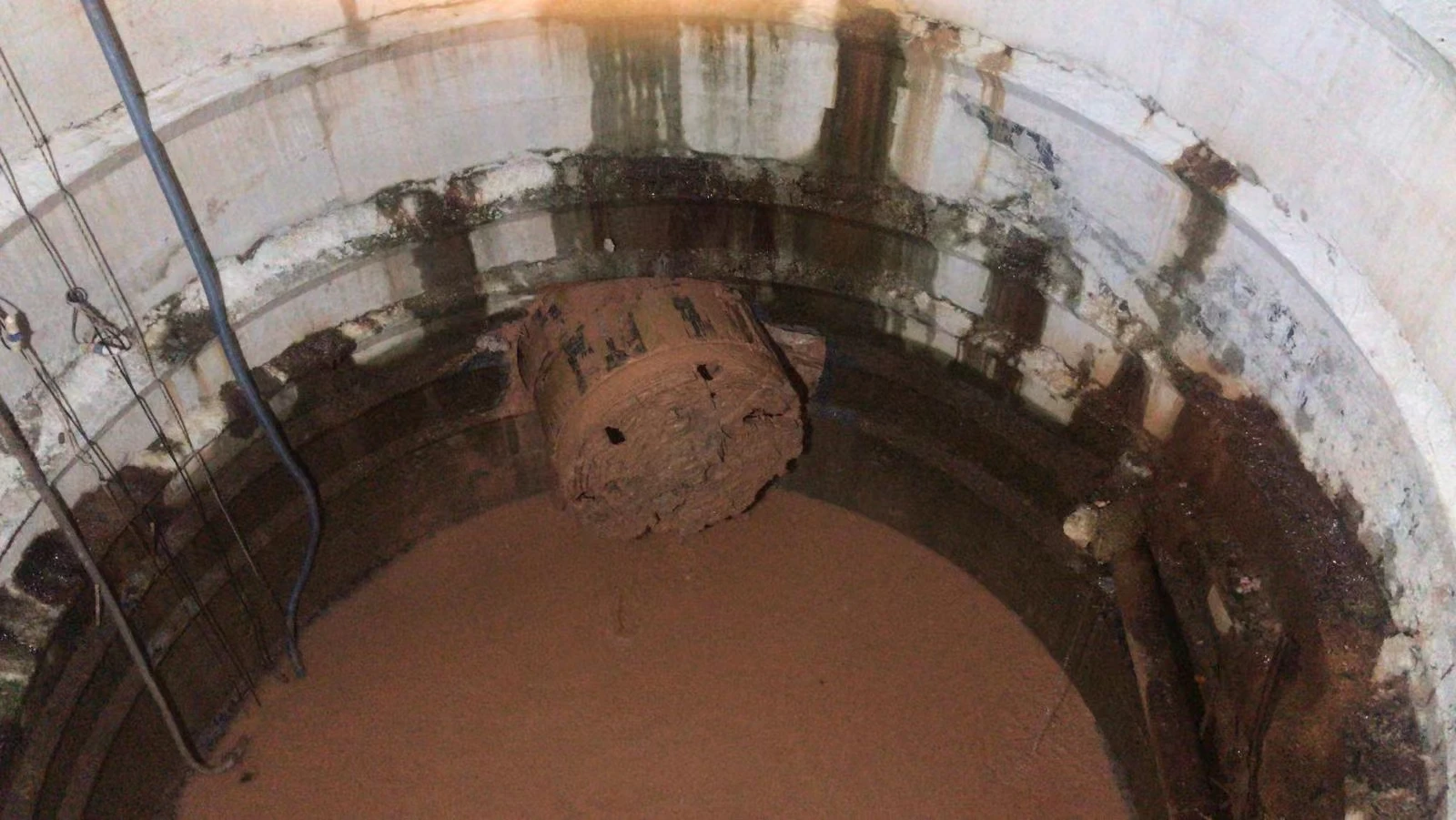
If there is not enough discharge margin, the TBM machine can have many troubles. Sticky clay can pile up inside the machine. This pileup can block the cutterhead and screw conveyor. You will need to stop the machine a lot to clean out the clay. Stopping often makes the moving parts wear out faster. The cutterhead, bearings, and seals can break down sooner. You might need more repairs and spend more money on maintenance. When using a TBM machine in sticky clay, always check the discharge margin to stay safe.
CEGC’s modular design lets you change broken parts quickly. You can get fast help and spare parts from the service team. This keeps your tunnel machine working and protects your money.
Project delays and cost escalation
Stopping the machine many times slows down your project. If you cannot get rid of sticky clay fast, you will not finish on time. Delays can make you pay more for workers and renting machines. You might also have to pay extra fees to clients or the city. A TBM machine needs discharge margin in sticky clay to keep your project on track and not cost too much.
Note: CEGC’s support team helps you plan repairs and fix problems before they get big. This help lets you finish projects faster and save money.
Practical recommendations for TBM operators
Making sure there is enough discharge margin in sticky clay
You can get better results with your tunnel boring machine by doing a few easy things. Always check the discharge margin before you start digging. This helps stop blockages and keeps your machine working well. Use soil conditioning agents to make sticky clay less likely to block your machine. You can also change the torque on your microtunneling machine. This helps stop clay from sticking to the cutterhead.
Here are some tips for working in sticky clay:
-
Watch the machine as it works so you can find problems fast.
-
Change the torque settings to fit the clay you are digging in.
-
Use soil conditioning to help the muck move out better.
-
Clean the cutterhead and screw conveyor a lot.
Tip: A TBM machine needs discharge margin in sticky clay to keep your project safe and on time.
You can also join training classes to learn more about using and fixing TBM machines. CEGC has training that teaches you about safety, how to use the machine, and how to fix it.
|
Training Program |
Focus Area |
|---|---|
|
CEGC Training |
Using, fixing, and safety with TBM machines |
Customization and support from CEGC
You can ask CEGC to change your tunnel boring machine to fit your project. CEGC gives you things like micro tunneling torque tuning, soil conditioning systems, and special options for different ground types. These upgrades help you work with sticky clay and keep your project going.
CEGC also gives you technical help and plans for maintenance. You get real-time monitoring, better muck transport, and face pressure control. These systems help you stop blockages and keep your tunnel boring machine safe. Predictive maintenance and AI tools help you find problems early and fix them before they stop your work.
If you want to finish your project on time and not spend too much money, pick CEGC’s support and customization. You will see your machine work better and have fewer delays.
-
You need discharge margin in sticky clay to keep your TBM machine running safely and efficiently.
-
CEGC gives you market-standard specs and custom solutions for tough clay conditions.
CEGC supports you with technical help and training. You can finish your project on time and avoid extra costs.
FAQ
What is discharge margin in a TBM machine?
Discharge margin means having enough space and power to take out sticky clay from the tunnel. This helps your TBM machine run smoothly.
How does CEGC help with sticky clay problems?
CEGC gives you project-based changes, soil conditioning systems, and technical support. These solutions help you stop blockages and finish your tunnel project on time.
Why should you check discharge margin before tunneling?
Checking discharge margin stops machine stoppages, cuts repair costs, and keeps your project safe. It helps you avoid delays and unexpected issues.


