
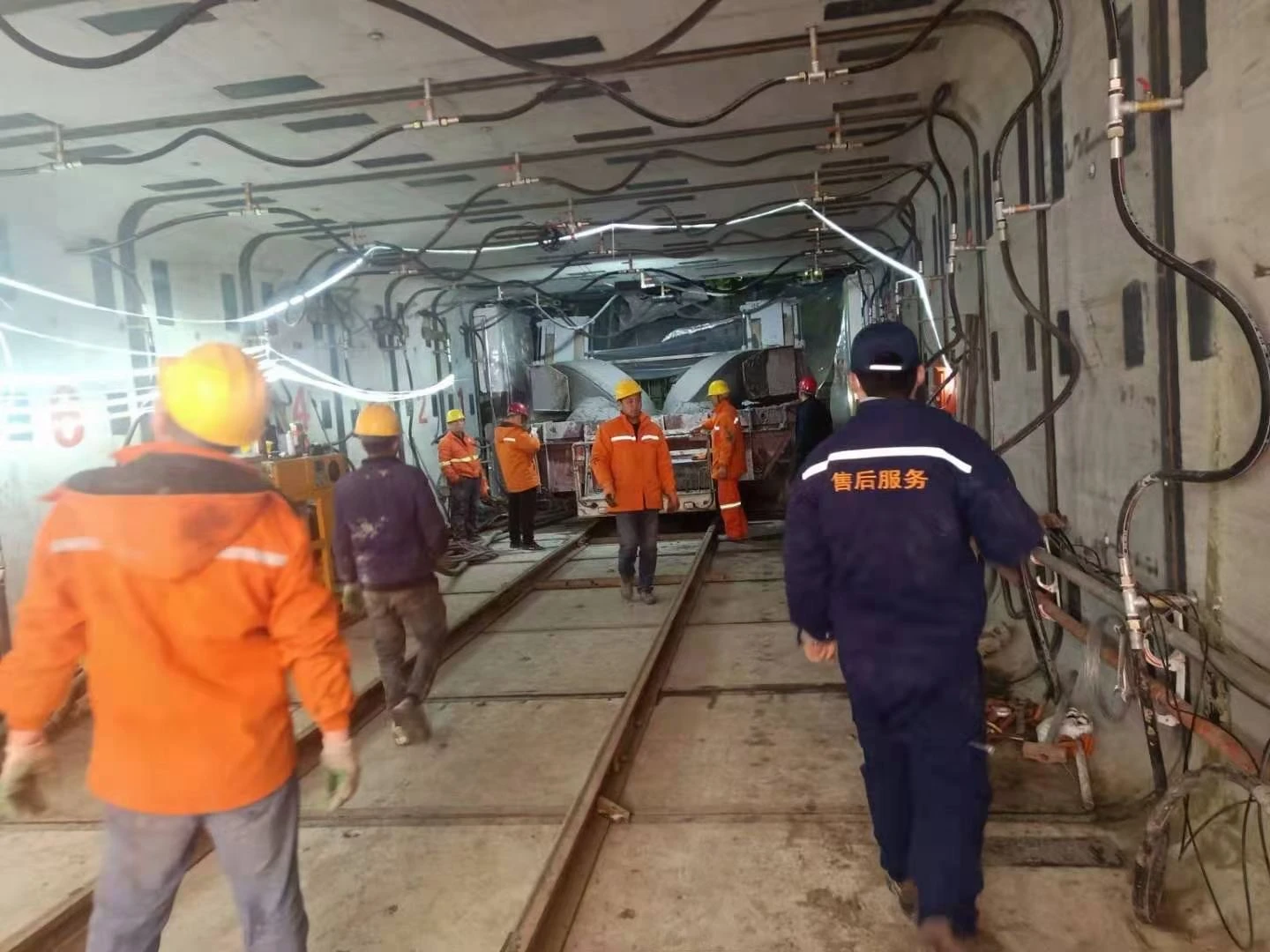
When micro tunneling stability reduces restart failures, you experience fewer costly interruptions in city utility projects. Stable operations provide numerous advantages, including:
-
Less disruption on the surface and reduced traffic issues
-
Precise pipe installation with minimal risk of ground movement
-
Fewer delays caused by road or pavement repairs
|
Benefit |
Description |
|---|---|
|
Trenchless installation keeps traffic flowing and enhances public safety. |
|
|
Improved Accuracy |
Pipelines are installed with greater precision, ensuring longer-lasting results. |
|
Enhanced Infrastructure Longevity |
A stable ground environment ensures your infrastructure remains robust for years. |
CEGC offers tunnel machine solutions that adhere to market standards while allowing for customization to meet your specific project requirements.
Key Takeaways
-
Microtunneling stability helps stop expensive restart failures. This makes projects run better and have fewer stops.
-
Using technical solutions like closed-mode face support and soil conditioning makes tunneling safer and faster.
-
Checking and fixing equipment and soil often stops problems. This keeps projects going and saves money.
Microtunneling Stability and Restart Failures
Defining Microtunneling Stability
It is important to know what microtunneling stability means before you see how it helps. Microtunneling uses a tunnel machine to make tunnels underground. This happens without digging up the ground above. When you keep the tunnel face steady and control the soil, you have microtunneling stability. This lowers the chance of the ground moving or water getting in. If you lose control, the ground can sink, water can leak in, or the tunnel can break.
Engineers check some main things to measure microtunneling stability. These things help you know if your project is safe. Here is a table that lists the most important ones:
|
Key Parameter |
Description |
|---|---|
|
Shear Strength |
The most shear stress the soil can take before it breaks. |
|
Vertical Pressure |
The weight from the soil above the tunnel. It must stay lower than the shear strength to be safe. |
|
Ground Cover |
How deep the soil is above the tunnel. This changes pressure and stability. |
|
Grouting Techniques |
Ways to fill gaps and keep the ground strong. These are important for the tunnel’s safety. |
You also need to use industry rules like the Mohr-Coulomb failure criteria and Peck’s Ground Settlement Theory. These rules help you guess how the ground will act. Geotechnical investigations give you facts about the soil before you start tunneling.
Why Stability Matters for Infrastructure Projects
Microtunneling stability helps stop restart failures in every project. When you keep the tunnel face steady, you avoid delays and protect things already built. You also keep workers and people safe. If you lose stability, you might need to stop and start the tunnel machine again. Every restart can hurt the machine and make the project take longer.
You can use CEGC’s technical solutions to make microtunneling better. For example, face pressure control systems stop the soil at the tunnel face from falling in. Ground protection systems keep water and soil out of the tunnel. Soil conditioning makes the soil easier to cut and move. Here is a table that shows how these solutions help your project:
|
Technical Solution |
Impact on Project Efficiency |
|---|---|
|
Earth Pressure Balance Machine (EPBM) |
Keeps digging safe, stops the ground from sinking, and works better. |
|
Slurry Balance Machine |
Balances water and soil pressure, keeps surfaces safe, lowers risk. |
|
Microtunneling systems |
Lets you control and watch the work closely, making it more efficient. |
You can also pick different soil conditioners for your soil type. For example, foams and polymers change how the soil acts. They make the soil less sticky, control water, and help the tunnel machine move forward. Here is a table with some common conditioners:
|
Soil Conditioner Type |
Description |
Benefits |
|---|---|---|
|
Foams |
Put into the tunnel face to change the soil. |
Makes the soil better for digging and helps the work go well. |
|
Polymers |
Special liquids to help the tunnel machine work better. |
Makes soil less sticky, mixes soil better, and controls water. |
|
Sika® Stabilizer-1118/1113 |
Regular foaming agents for sandy soils. |
Helps in sandy soil conditions. |
|
Sika® Stabilizer-1215/1219 |
New foaming agents for sandy soils. |
Gives better results for the tunnel machine. |
|
Sika® Stabilizer-1514/1518 |
Foaming agents with anti-clay polymers for clay soils. |
Makes tunneling easier in clay soils. |
|
Sika® Stabilizer-3710/3750/3001 |
Super water absorber polymers. |
Controls water in wet soils. |
When you use these solutions, your microtunneling projects are safer and faster. You also lower the risk of the ground sinking and water leaking in. This means fewer restart failures and better pipeline installation.
Tip: Microtunneling stability helps stop restart failures, which saves time and money. You also avoid problems and work stoppages from ground movement in cities.
Microtunneling lets you finish projects with less trouble. You can put pipes under roads, train tracks, or rivers without digging up the ground. This is important for busy cities with lots of traffic and buildings. Here are some ways microtunneling helps your projects:
-
Microtunneling and other trenchless methods keep the ground above undisturbed.
-
You can use microtunneling for long tunnels and big pipes, which makes work faster.
-
You make things safer and finish sooner, which helps your budget.
You also get better control over where the tunnel goes and how deep it is. This means your tunnel goes exactly where you want, even in hard soil. CEGC’s tunnel machine solutions give you the tools you need for good alignment and stable tunneling.
Causes and Solutions for Restart Failures
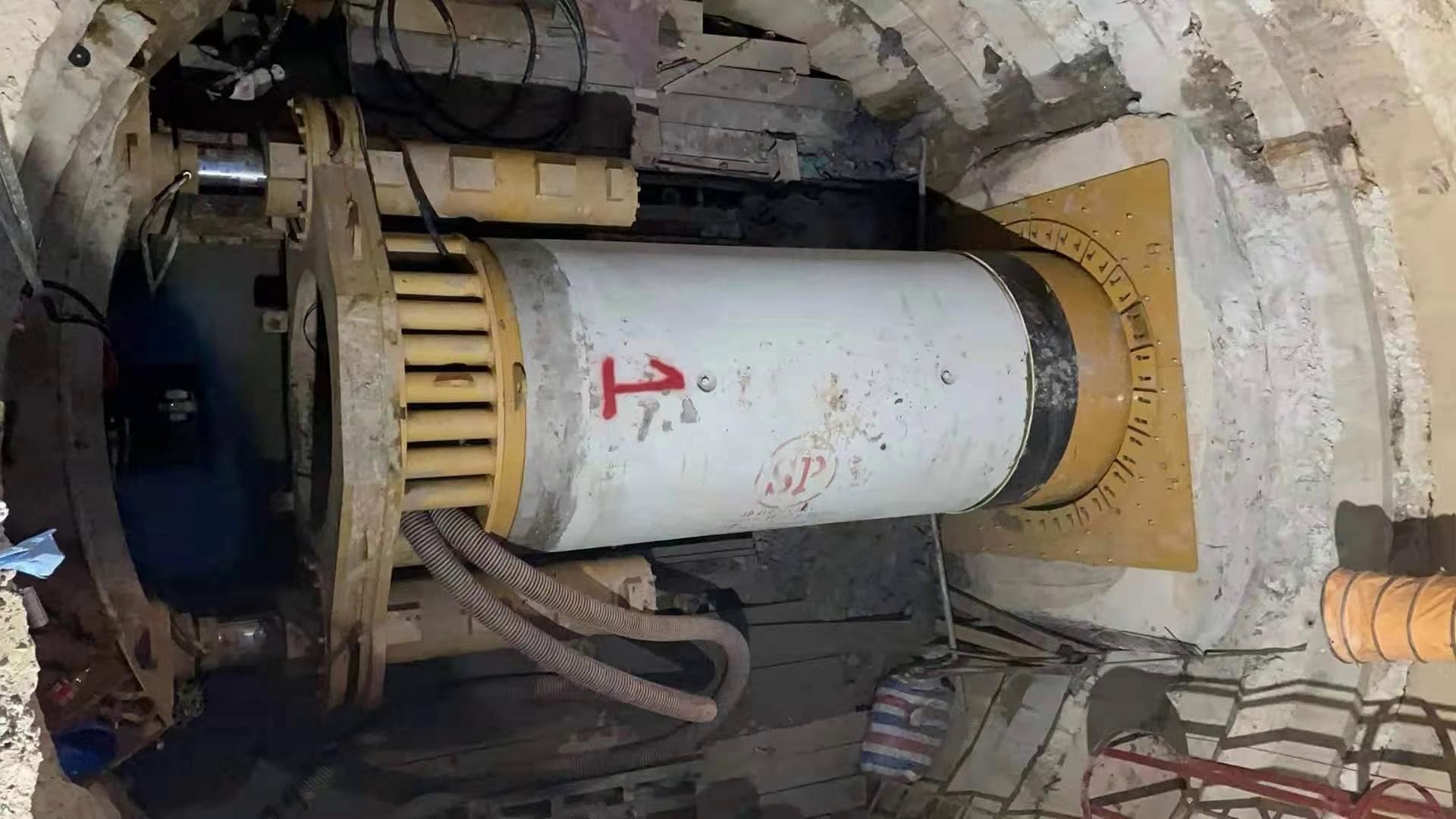
Common Instability Factors in Micro Tunneling
There are many problems you can face during microtunneling. If you do not handle these problems, restart failures can happen. Here are some common reasons for instability:
-
Soil changes can make the tunnel machine work differently. Some soils fall apart or get sticky fast.
-
When the ground settles, it can hurt things above the tunnel.
-
Water getting in raises pressure and makes the tunnel less safe.
-
Rocks and boulders can block the tunnel. These slow down work and can break machines.
-
Equipment problems like worn cutterheads or blocked muck stops the tunnel machine and slows the job.
-
Bad alignment makes the tunnel go off track. This hurts how well you can put in pipes.
-
In cities, there are strict rules about ground movement and safety. This makes micro tunneling harder.
Geological surveys help you find rocks and other dangers before you start. Handling water and tough ground is important for safe microtunneling.
Technical Solutions for Stable Operations
You can use different technical solutions to keep microtunneling safe and lower restart failures. CEGC has new technology that helps with these problems:
|
Solution |
How It Helps Your Projects |
|---|---|
|
Closed-mode face support |
Keeps pressure at the tunnel face. Stops soil from falling and water from getting in. |
|
Sealing and pressure retention |
Stops leaks and keeps the tunnel safe in hard soil. |
|
Formation-targeted cutterhead |
Matches the cutterhead to the soil. Cuts down on wear and keeps work going. |
|
Modular design and diagnostics |
Makes fixing things easy. Lowers downtime and keeps work on time. |
|
Guidance and alignment systems |
Makes sure pipes go in the right place. Helps you be more exact every time. |
These solutions help you by lowering risk and stopping delays. For example, closed-mode face support keeps the tunnel face safe in soft or wet soil. Sealing systems keep out water and help with tough ground. Cutterheads can change to fit the soil, so you do not have to stop for surprises. Modular designs and real-time checks help you fix things fast. Guidance systems keep your tunnel straight, even in busy city areas.
Tip: Use good monitoring tools to watch your tunneling work. This helps you find problems early and stop restart failures.
Micro tunneling stability depends on picking the right tunnel machine and solutions. CEGC’s trenchless technology helps you install pipelines safely and quickly for every project.
Practical Tips for Microtunneling Success
Monitoring and Maintenance Strategies
You can keep microtunneling stable by using good monitoring and maintenance steps. These actions help you stop problems and keep your work going:
-
Check the slope a lot. Even small slope changes can mess up pipe placement and direction.
-
Dig in a careful order. This way, you put less stress on the soil and stop the ground from moving.
-
Make the soil stronger with jet grouting or deep mixing. These methods help the soil stay in place and not shift.
-
Put in support systems. Retaining structures stop shaking and help the tunnel stay steady.
-
Control groundwater well. Good control keeps the soil strong and makes tunneling safer.
-
Watch for vibration and movement as you work. If you see a problem, you can fix it fast and keep tunneling smooth.
You should also check your micro tunnel boring machine often. If you find worn parts or blockages early, your machine will work better and workers will be safer.
Tip: Watching your work and taking care of your machines means less trouble for people nearby and better results for your projects.
Customization and Project Support from CEGC
Every microtunneling job has different soil and its own problems. CEGC gives you modular designs and easy-to-fix layouts for your tunneling jobs. You can pick normal equipment or ask for special changes for your project. This helps you follow trenchless technology rules and makes sure your pipes go in right.
|
Customization Option |
Description |
|---|---|
|
CEGC builds tunneling, port, and mining equipment just for you. |
|
|
Service Consulting |
Get expert help with planning, equipment, soil, and how to do the work. |
|
Trenchless Support |
Get engineering help for microtunneling and other trenchless jobs. |
You also get project help like training, extra parts, and plans for fixing things. These services help you finish faster and lower the chance of problems.
You have fewer restart failures when microtunneling is stable.
"Slurry-based microtunneling helps balance earth and water pressure. This lowers the chance of digging too much and ground moving. This was very important because tunneling happened under busy train tracks."
CEGC gives expert help and custom tunnel machines.
|
Service Type |
Description |
|---|---|
|
Customized Equipment |
CEGC makes tunnel machines that fit your project needs. |
|
Technical Consulting |
Get advice about planning, equipment, and soil. |
|
On-Site Installation |
Skilled staff put together and test the machines. |
|
Trenchless Engineering Support |
Get full help for microtunneling and trenchless jobs. |
|
Training Programs |
Learn how to use, fix, and keep machines safe. |
Contact CEGC to find the best microtunneling solution for your project.
FAQ
What causes restart failures in microtunneling?
Restart failures can happen if the soil moves or water leaks in. Equipment can also wear out and stop working. CEGC’s tunnel machine solutions help you handle these problems.
How does CEGC improve microtunneling stability?
You get closed-mode face support to keep the tunnel safe. Custom cutterheads help cut through different soils. Modular designs make it easy to fix or change parts. These features help you work without many stops.
Can you customize tunnel machines for different projects?
Yes! You can pick options that fit your project. CEGC gives you modular layouts and guidance systems. You can also get soil conditioning packages for your needs.


