
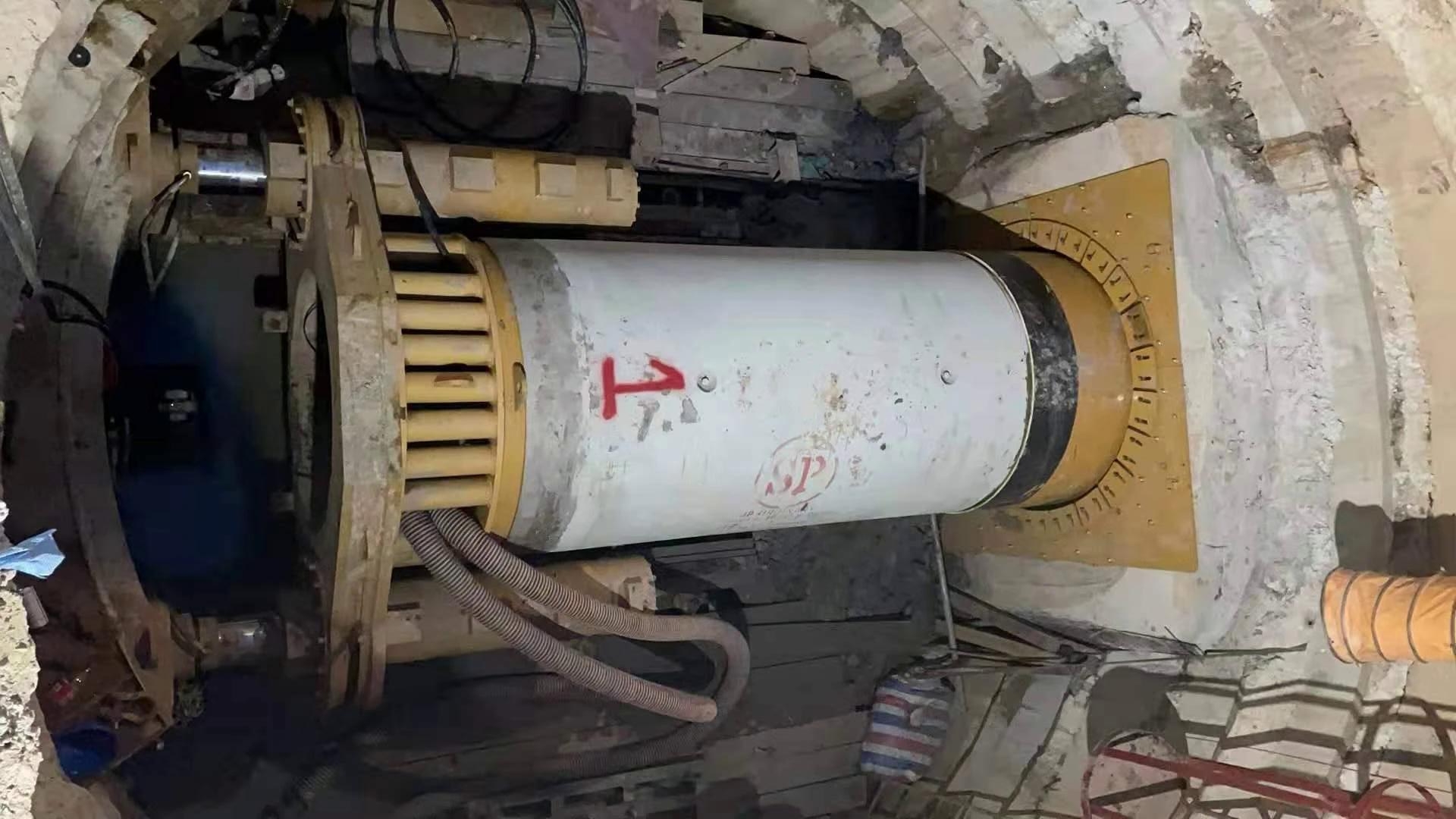
Unstable steering can derail a TBM tunnel schedule, leading to significant project delays and increased costs. When tunnel boring machines do not steer well, it causes the tunnel to go off track and frequently stop. This issue not only affects the timeline but also compromises safety. CEGC provides solutions to help maintain steady alignment for your tunnel boring machine, ensuring better results and efficiency.
Poor steering reduces productivity and increases the need for repairs on your TBM.
Key Takeaways
-
If tunnel boring machines do not steer well, projects can be late and cost more money. Checking and watching the machines often can stop these problems.
-
Using better guidance systems and tools that watch in real time can help the machine steer better. This keeps the tunnel going the right way and means fewer expensive fixes are needed.
-
Teaching workers and using good work rules are very important for safety and getting work done fast. Good teams can find problems early and keep the project on time.
What Is Unstable Steering in TBM Tunnels
Causes of Steering Instability
Tunnel boring machines can have trouble staying straight. This happens when the ground is uneven or the soil changes. Studies show that strong side forces from uneven cutting make steering hard. These forces push the tunnel boring machine to the side. It becomes difficult to keep the machine going the right way. Using even cutting can help lower these forces. This makes steering easier for the tunnel boring machine. Sometimes, water gets into the tunnel or the soil is loose. These changes can make the tunnel boring machine lose balance. Problems with the cutterhead or guidance system also cause steering issues.
Tip: Check the cutterhead and guidance system often. This helps stop steering problems in your tunnel boring machine.
Effects on Tunnel Alignment
Steering problems can make the tunnel go off track. If the tunnel boring machine moves away from the planned path, you must stop and fix it. Fixing the path takes time and uses extra resources. The tunnel might miss its planned route and hit other pipes or buildings. Too much change in direction can break project rules. Fixing steering often wears out the tunnel boring machine faster. This lowers how much work gets done. Watching steering helps keep the tunnel on track and saves money.
How Unstable Steering Can Derail a TBM Tunnel Schedule
Misalignment and Correction Delays
If steering is not stable, the TBM can go off course. The machine may drift away from the planned path. Sometimes, crews do not notice this right away. They might find out only after the TBM has gone far. In one case, the TBM was over 7 feet off after 700 feet. The team had to stop work and check the tunnel again. They also needed to design a new curve to fix the path. These steps took a lot of time and effort for everyone.
You must stop the TBM to fix the path. Every stop means you lose time. Waiting too long makes it harder to fix the tunnel. These delays can make your project late and cost more money. If you do not act fast, it gets harder to finish on time.
Tip: Check the tunnel often and use real-time tools. This helps you find problems early and fix them faster.
Increased Wear and Maintenance
Unstable steering can make the TBM wear out faster. If the TBM does not stay on track, parts face uneven forces. This causes the cutterhead and other parts to break down more. You may need to stop often to repair or change parts. Each stop slows down the work and costs more money.
If steering problems keep happening, the tunnel can get damaged. Studies show that these problems make the tunnel age faster. You might see rust, bending, or other damage. Even if you fix the tunnel, you must keep checking it to stay safe and work well.
Note: Pick the right TBM and cutterhead for your ground. This helps lower wear and keeps your TBM working longer.
Safety Risks and Crew Impact
Unstable steering can put your crew in danger. If the TBM goes off course, the ground can move or become weak. This can cause the ground to fall in or let water in. Your team may have to go into the tunnel to fix things. This makes accidents more likely.
You may also need to stop work often to fix problems. If the TBM gets stuck or blows out, workers must go to the front. This slows the project and puts people at risk. Keeping the TBM on track keeps your team safer and the project moving.
Safety Reminder: Always watch the face pressure and ground. This helps stop sudden dangers.
Productivity and Logistics Challenges
Unstable steering makes tunneling slower. If the TBM stops a lot, you lose time. Moving tools, materials, and people gets harder. You may need more help to fix problems, which costs more.
Excavation and muck removal also get tough. If the TBM is not straight, it is harder to remove dirt. You may see slow progress and tools wearing out fast. These problems make it hard to reach your goals. Good planning and using simulations help you avoid these issues.
Keep in mind: Plan well, use simulations, and pick the right TBM. This helps you avoid delays and work better.
-
Some common problems you may face are:
-
The ground moves or becomes weak
-
TBM cutterheads wear out or break
-
Hard to keep the right face pressure
-
Stopping often for clogs or blow-outs
-
Slow progress and lots of repairs
-
To avoid these problems, check for issues early, pick the right machine, and use simulations. Remember, unstable steering can slow down your whole tunneling job.
Solutions for TBM Steering and Tunnel Alignment
Monitoring and Early Detection
You can keep tunnel boring machines on track with good monitoring tools. Data systems watch flow, pressure, and volume as you dig. These tools help you see steering problems early. Checking cylinder data shows how the machine moves and builds rings. Real-time monitoring lets you fix issues fast. This keeps the tunnel safe and stops big mistakes. Simulation tools let you test tunneling plans before you start. This helps you plan for stable systems and keeps your project on time.
Engineering and Guidance Systems
Modern tunnel boring machines use smart guidance systems to stay straight. Navigation systems with lasers and GPS help the machine move right. These systems give real-time data about the tunnel’s line and grade. Automated steering systems make work easier and boost efficiency. Strong structures help the machine resist drifting as it digs. Advanced tunneling solutions give you better control and safer boring. Simulation tools let you practice and improve your tunneling plans.
Operator Training and Best Practices
You need skilled operators to run tunnel boring machines safely. Good training helps your team spot problems early and make smart choices. Maintenance planning is important for safe tunneling. Regular checks and probe drilling help you find tough ground before it causes trouble. Using advanced tunneling solutions and best practices keeps your machine working well. Simulation exercises help your crew learn how to handle real tunneling challenges. This keeps digging safe and improves project results.
Unstable steering in tunnel boring can make the tunnel go off track. This can lead to more stops and higher costs. You can help by checking the tunnel every day. Using simulation and watching machine parts helps keep things safe. CEGC’s tunnel boring and microtunnelling solutions use smart simulation and control. They also use AI-powered guidance to make digging safer and faster.
|
Strategy |
Benefit for Tunnel Projects |
|---|---|
|
Find boring problems early |
|
|
Simulation |
Shows what might happen in the tunnel |
|
Helps the machine dig better and faster |
FAQ
What causes unstable steering in a tunnel boring machine?
Unstable steering can happen if the ground is not even. Loose soil can also make the TBM steer badly. If the cutterheads are old or worn, steering gets harder. Bad guidance systems can make your TBM move off the planned path.
How can you prevent tunnel misalignment during TBM operations?
-
Use tools that watch the TBM in real time.
-
Have trained workers and check the TBM often.
-
CEGC’s guidance systems help keep your TBM on track.
Why choose CEGC for TBM and Microtunnelling Machine solutions?
You get strong performance that meets market needs. CEGC can change machines to fit your project. They give you good TBMs and help you finish tunnels safely and well.


