
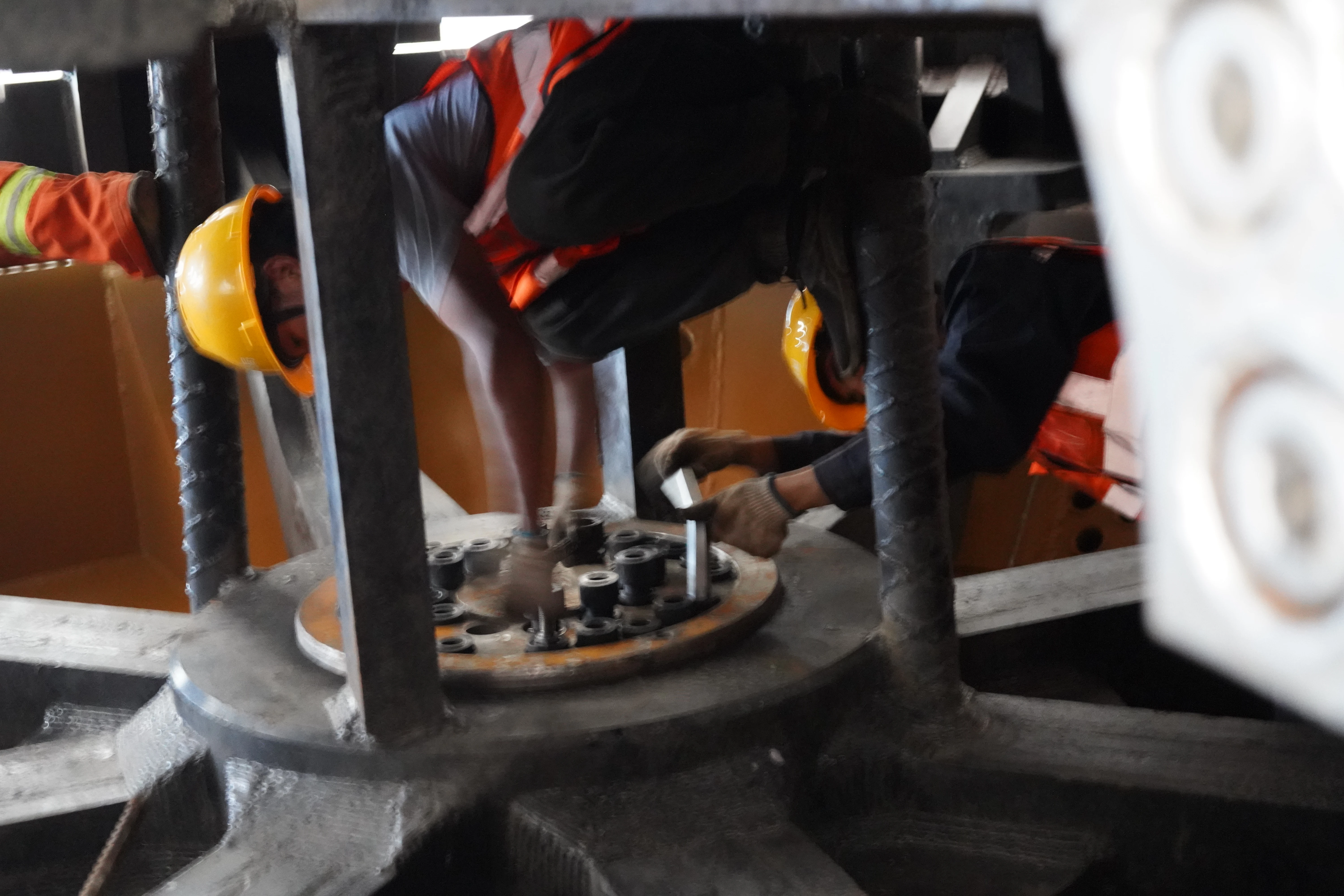
Discharge reliability supports a TBM machine long drive by minimizing downtime and ensuring consistent performance throughout extended tunneling operations. With CEGC, you benefit from market-standard performance specifications and project-based customization, allowing your TBM tunnel boring machine to operate efficiently and safely on every drive. Relying on CEGC means you experience less downtime and enhanced safety, making each long drive more successful.
Key Takeaways
-
Discharge reliability helps TBM machines work longer without stopping. This makes tunneling smoother and faster. Regular maintenance and fixing problems early make your TBM more reliable. This boosts efficiency and cuts down on delays you did not expect. Picking features you can change and using real-time monitoring tools help you deal with different ground conditions. This keeps everyone safe and helps your project succeed.
Discharge Reliability in TBM Tunneling
What Discharge Reliability Means for Tunnel Machines
Discharge reliability helps a TBM machine go far. It lets you remove the dug-up material easily and often. This means your tunnel machine can keep moving forward without stopping by surprise. If you use a TBM or microtunnelling machine from CEGC, you get normal specs and choices to fit your project. This helps you pick the right system for your ground and tunnel job. Discharge reliability helps a TBM machine go far by keeping the cutterhead clean. It keeps the face pressure steady and stops blockages from happening. You can count on your tunnel machine to work well in soft or hard ground. This is very important for making long tunnels.
Key Challenges in Long Drives
There are many problems during long tunnel drives. In cities, projects have strict rules about ground movement. Even small shifts in the ground can cause claims or stop work. Loose ground and lots of water can make the tunnel face unstable or let water in. Discharge reliability helps a TBM machine go far by helping you handle these problems. CEGC gives you closed-mode face support, soil conditioning, and strong sealing systems. These things help keep your tunnel safe and steady.
Doing regular checks and fixing things early makes your TBM more reliable. If you wait too long to fix things, reliability drops fast and downtime gets longer. For example, fixing time can reach 20 hours, which slows your tunnel work. Doing checks before problems happen can raise system use from 61% to 70%. This makes your tunneling work better.
|
Description |
Impact on Operational Efficiency |
|---|---|
|
Regular maintenance |
Makes reliability and efficiency better |
|
Delayed repairs |
Makes downtime longer and efficiency lower |
|
Preventive maintenance |
Makes system use higher and helps long drives |
Discharge reliability helps a TBM machine go far by cutting downtime, making things safer, and helping you finish your tunnel goals.
How Discharge Reliability Supports a TBM Machine Long Drive
Impact on Performance and Longevity
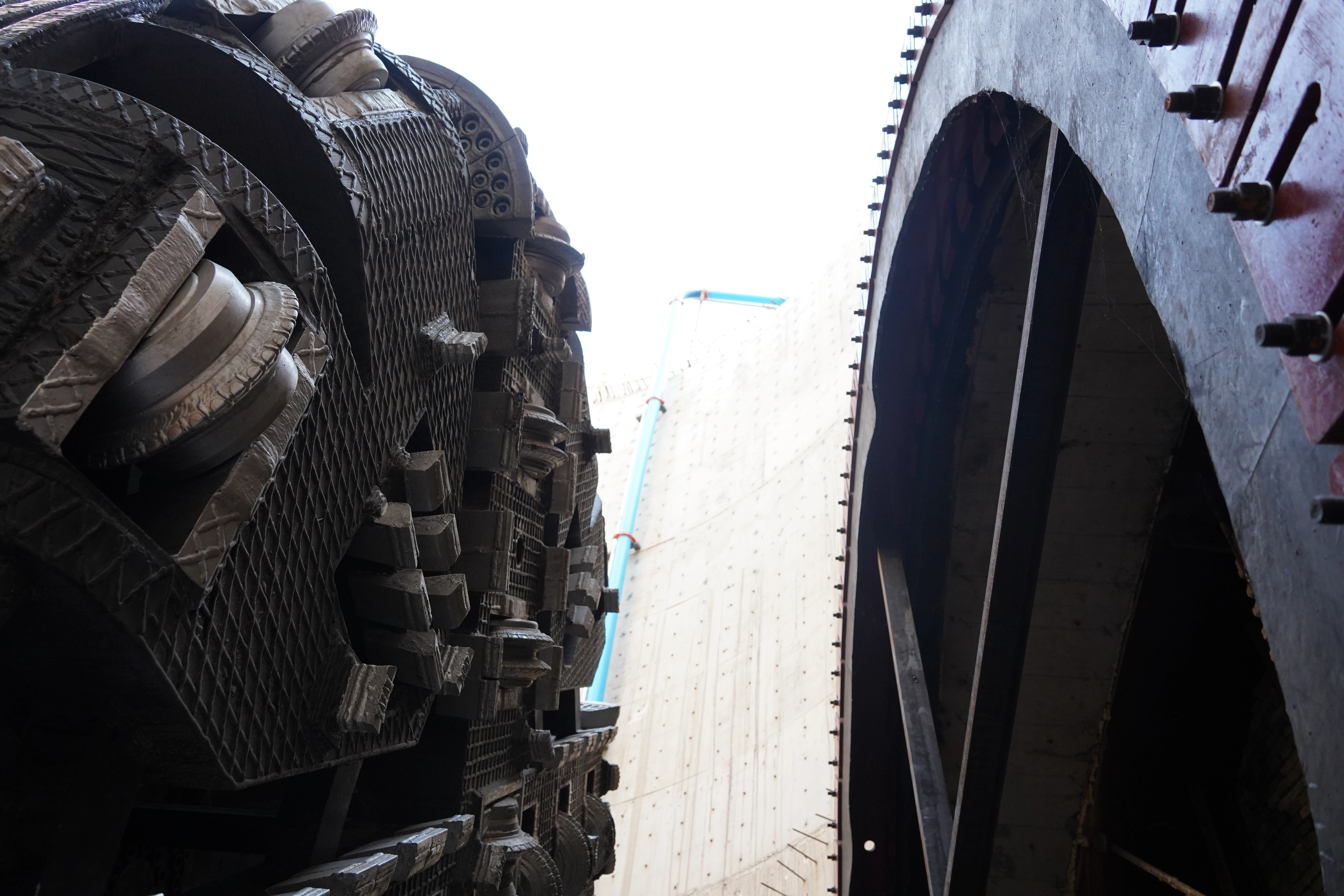
You need a reliable discharge system to keep your TBM moving. If you remove muck smoothly, the cutterhead does not jam. This also stops the tunnel face from falling in and keeps parts from wearing out too fast. These problems can happen if the discharge system cannot handle different ground types. Loose rock, blocky muck, or water can cause big problems. If you dig into deep cracks or soft rock, you might see blocky muck and even holes in the tunnel. Big holes or lots of water can trap your TBM and stop work.
A good discharge system keeps the tunnel face steady. It also keeps workers safe by lowering the chance of sudden falls or water rushing in. CEGC’s cutting and wear systems help you work in hard or mixed ground. These systems change to fit the ground and keep the cutterhead working. You can plan checks and change worn parts before they break. This helps your TBM last longer and finish long tunnels on time.
You can see how discharge reliability helps in real projects. For example, when water came into a tunnel very fast, the team slowed down, pumped out water, and plugged leaks. In another project, the cutterhead got stuck because of water and loose sandstone. The team used polyurethane to stop the water and free the cutterhead. These actions show why it is important to manage discharge and keep your TBM safe during long drives.
You can measure discharge reliability with performance numbers. You can check thrust factor, tunneling speed, and tunneling energy. These numbers show how well your TBM works and how much energy you use. Good discharge reliability means you use less energy, go faster, and stay on schedule.
Solutions for Reliable Discharge
You can use different ways to make your TBM discharge system better. CEGC gives you modular design, easy-to-service layouts, and strong maintenance plans. These things help you cut downtime and keep your tunnel work going.
-
Modular design lets you move and put together your TBM in small spaces. You can carry parts easily and set up your machine quickly.
-
Service-friendly layouts let you reach important parts fast. You can find and fix problems without taking apart the whole machine.
-
Maintenance planning helps you check and change parts before they break. You can stop long delays and keep your TBM working.
Here is how a service-friendly layout helps you:
|
Metric |
|
|---|---|
|
Diagnosis |
IoT telemetry and error codes help you find problems fast. |
|
Repair |
Modular layouts cut down the time you need to fix things. |
|
Assembly |
Mistake-proofing makes reassembly quick and easy. |
|
Testing |
Service modes let you restart the system in minutes. |
|
First-Time Fix Rate |
Simple design and standard parts mean you fix things right the first time. |
|
Repeat Visits |
Poka-yoke design stops mistakes, so you do not need to come back for the same issue. |
|
Cost Metrics |
You save on labor and storage, making your project more efficient. |
You should watch for warning signs in your discharge system. If slurry density goes above 1.25 g/cm³, check the cyclone underflow and add water. If cyclone pressure drops, look for wear and check the feed pump. If you see solids in the overflow, adjust the vortex finder. Doing checks before things break costs less than fixing them after. Making changes early helps you deal with new ground while tunneling.
Soil type changes how well discharge works. In places like Singapore, engineers use Slurry TBM for tricky ground. Real-time monitoring helps you keep things steady and avoid problems, especially in cities. Good ground studies and measurements help you dig safely and keep your tunnel safe.
Sealing systems are also important. The New Austrian Tunneling Method showed that sealing systems keep water out of the tunnel. Dry tunnels need less fixing and have better discharge reliability. Waterproofing all the time keeps your TBM safe and saves money.
You can see these solutions work in real projects. In the Bheri Thrust Zone, teams used the Horizontal Sonic Profile Method to check the ground. This helped them get through fault zones without stopping. When water rushed into a tunnel, teams slowed down, pumped water, and plugged leaks to keep the TBM moving.
CEGC lets you pick the right sealing, soil conditioning, and guidance systems for your ground. You can also choose the best modular design and service plan for your site. This helps you handle different ground and reach your tunnel goals.
Tip: Always plan for checks and real-time monitoring. These steps help you avoid surprises and keep your TBM running well during long tunnels.
By using these ways, you make discharge reliability better, keep workers safe, and finish your tunnel on time and on budget.
You help TBM machines go far by making discharge reliable. CEGC gives you features you can change for each project. You get technical solutions that fit what you need. You make things better by checking the tunnel face again. You use special steps to fix loose ground.
|
Project Benefit |
|
|---|---|
|
Interchangeable cutting heads |
Works with any ground type |
|
Adjustable jacking frames |
Fits many pipe sizes |
|
Specialized sensors |
Works in hard places |
FAQ
What does discharge reliability mean for a TBM machine?
Discharge reliability means your TBM takes out spoil without trouble. This helps stop jams, keeps the tunnel face safe, and lets you finish faster.
How can you improve discharge reliability during tunneling?
-
Check the discharge system many times.
-
Watch the system with real-time tools.
-
Plan to fix things before they break.
Why should you choose CEGC for your TBM or microtunnelling machine?
|
Feature |
Benefit |
|---|---|
|
Customization |
Matches what your project needs |
|
Market-standard |
Gives you steady results |
|
Support package |
Helps your TBM keep working |


