
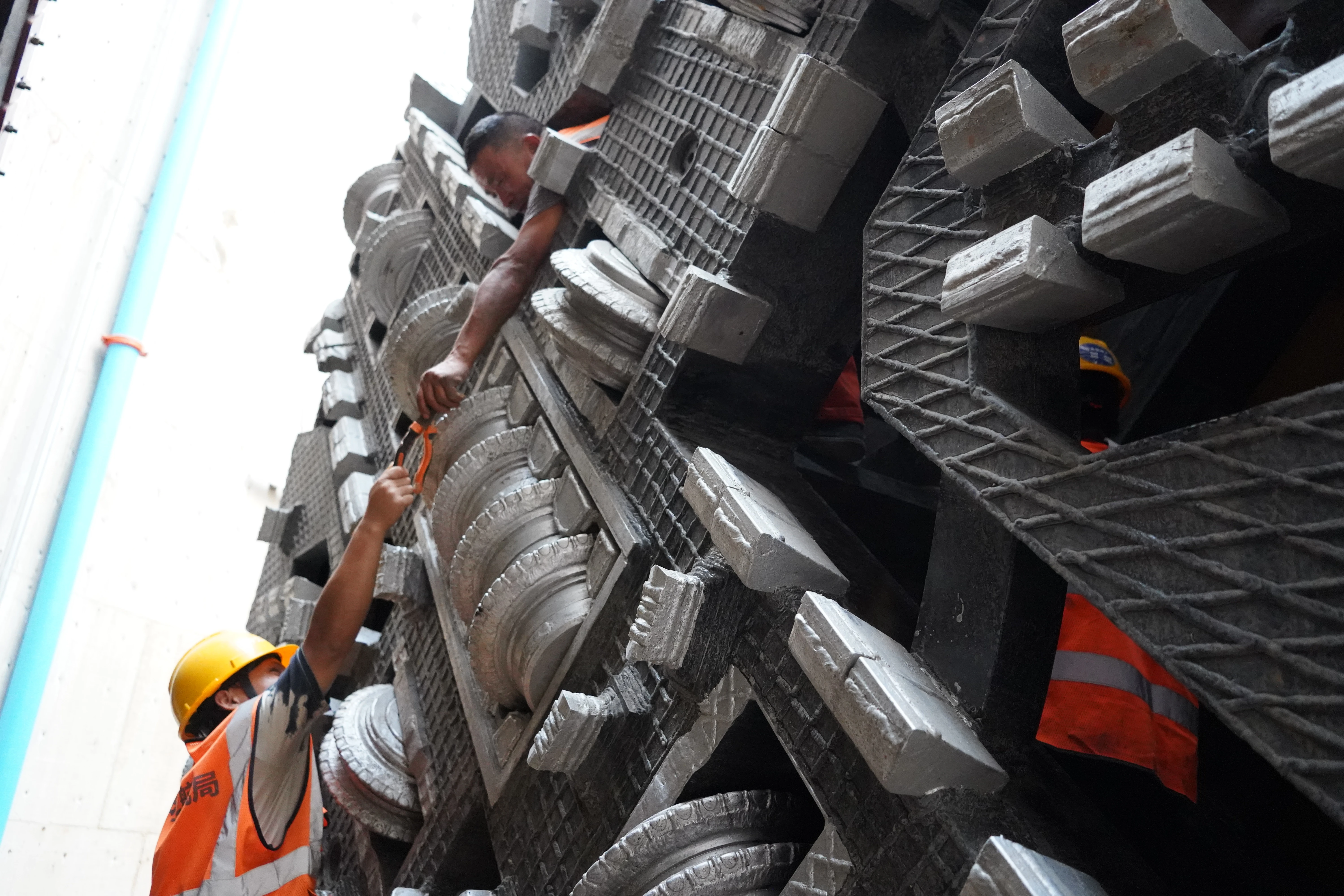
TBM tunnel mucking delays can destroy shift plans, causing disruptions to tunnel planning and impacting overall project productivity. In TBM tunneling projects, careful planning for mucking and hauling is essential to ensure smooth tunnel excavation. When mucking delays occur, tunnel safety and project risk increase significantly. CEGC’s tunnel machine solutions are designed to support reliable mucking operations and help maintain shift schedules.
|
Aspect |
Electric Muck Removal Equipment |
Diesel-Powered Machinery |
|---|---|---|
|
Operational Efficiency |
Better in high-altitude tunnels |
Worse in high-altitude tunnels |
|
Noise Levels |
Higher |
|
|
Cycle Time Contribution |
Big in muck transfer |
Big in muck transfer |
Key Takeaways
-
Make a careful plan for each step in your tunnel project. This helps you avoid mucking delays and keeps your shift plans working. Use better muck removal systems to keep things running smoothly. These systems stop slowdowns that can affect your TBM. Watch your tunnel work as it happens so you can spot problems fast. Fixing issues quickly helps you stay productive and finish the project on time.
Why mucking matters in TBM tunnel shift plans
Mucking process in tunnel boring machines
It is important to know how mucking works in a tunnel. The TBM uses a rotary cutting head to dig into the ground. As it moves forward, it takes out soil and rock. This material is called muck. Conveyor belts move the muck out of the tunnel. This keeps the work going and helps stop delays. If you use a CEGC tunnel machine or microtunnelling machine, you get good muck removal.
-
The rotary cutting head starts digging the ground.
-
The TBM moves forward and takes out muck.
-
Conveyor belts carry the muck out of the tunnel.
Impact of mucking delays on shift productivity
Mucking delays can cause big problems in your tunnel shift plan. When muck builds up, the TBM cannot keep moving. Your team loses time. Google search data says 73% of excavation weeks have mucking delays. These delays do not just slow one shift. They can affect the whole project. You might miss important goals and face more risk. You could also see ground settlement, face instability, or water coming in if mucking is too slow. Each problem adds risk and can stop your work.
Role of muck transport systems in project timelines
Muck transport systems are very important for your tunnel project. You need a system you can trust to keep the TBM working. Good muck removal stops delays and keeps your project on track. As the tunnel gets longer, moving muck gets harder. You must stop bottlenecks that can make the TBM stop and hurt your shift plan. CEGC’s tunnel machine solutions help with these problems using advanced muck transport and modular designs.
-
Muck transport systems are needed to keep digging going in TBM projects, which affects the project timeline.
-
Good muck removal stops delays that can happen if material handling is not well planned.
-
As tunnels get longer, moving muck gets harder, so it is important to stop bottlenecks that can stop TBM work.
Causes and effects: tbm tunnel mucking delays can destroy shift plans
Equipment and logistics bottlenecks
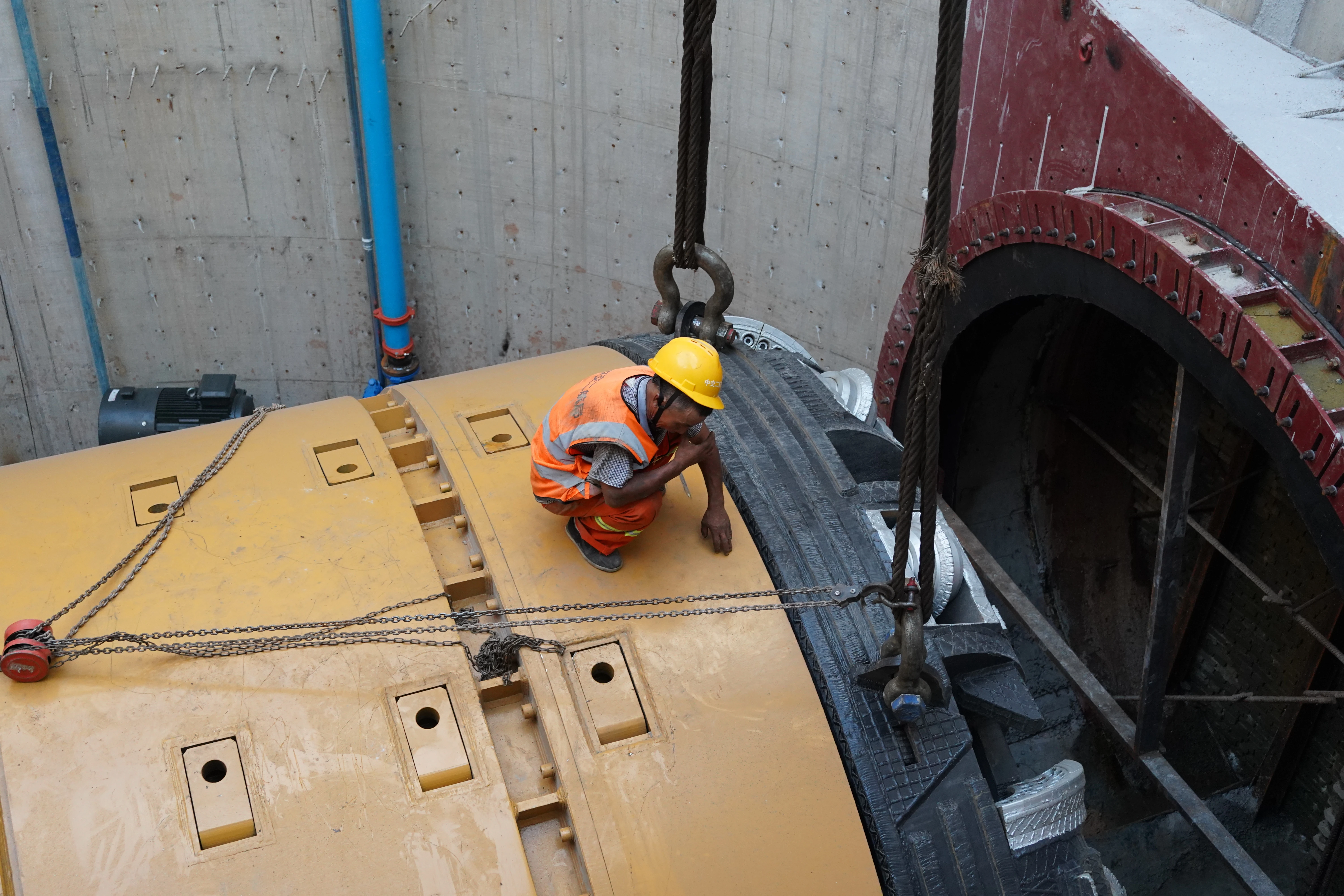
Running a tunnel project is hard. Equipment and logistics problems can slow things down. These problems can stop your tunnel boring machine. This can cause more delays. Here are some common problems you might see:
-
Cutter problems can stop work and cost more money.
-
Machine blockages can keep the tunnel machine from moving.
-
Mucking issues make it hard to get dirt out, which slows work.
-
Segment defects need fixing and use up time and resources.
CEGC tunnel machines have modular parts and are easy to fix. These features help you solve problems faster and keep working. You can plan for spare parts and repairs. This lowers the chance of delays.
Ground conditions and face instability
Ground in tunnels can change fast. You might find soft soil, hard rock, or water. Each type brings new risks. Face instability can stop your tunnel boring machine. This puts your project at risk. Water can get in and make mucking harder. You need strong technical solutions for these problems.
You can match pressures to the groundwater head. You can treat the soil to make it less likely to let water through. You can drill ahead and add grout in risky areas.
CEGC has closed-mode face support and soil conditioning systems. These tools help keep the tunnel face stable and muck moving. Using these solutions can help you avoid many delays.
Accumulation of delays and shift disruption
Small delays can add up quickly in a tunnel project. If you do not fix problems early, you lose a lot of time. Your shift plans can fall apart. You might miss your project deadlines. Here is what happens when tbm tunnel mucking delays can destroy shift plans:
-
You lose time over many shifts.
-
Small problems can turn into bigger ones.
-
If you find and fix problems, you can save a lot of time.
You need to watch your tunnel work closely. Real-time monitoring helps you spot delays early. CEGC’s systems and modular designs help you act fast and keep your tunnel moving.
Real-world examples and project impact
Curved tunnels are harder for your tbm. The machine works best in straight lines. Curves add friction and wear on the cutterhead. This can slow your tunnel speed by 25-30 percent. You might see more jams and higher energy use. Tight curves also wear out the cutter blades faster. You need more power and must replace parts more often. This causes more delays.
Maintenance is very important if you want to avoid delays. You should plan for regular checks and repairs. The disc cutter is the weakest part of the cutterhead. Skilled workers and regular maintenance can raise your system availability from 67% to 80%. Here is a table that shows important maintenance practices:
|
Maintenance Aspect |
Details |
|---|---|
|
Reliability Analysis |
Achieve 90% reliability at 2.64 hours of operation |
|
Mean Time to Repair |
Average repair time is 5.78 hours |
|
System Availability |
67%, can reach 80% with proper maintenance |
|
Critical Component |
Disc cutter is the most vulnerable part |
|
Recommended Strategies |
Schedule preventive maintenance and use skilled staff |
When tbm tunnel mucking delays can destroy shift plans, you lose time, spend more money, and miss deadlines. You can stop many of these problems by using CEGC’s technical solutions. Closed-mode face support, soil conditioning, modular assembly, and easy-to-fix layouts help you finish your tunnel on time. You can protect your shift plans and deliver your tunnel as planned.
Minimizing mucking delays: CEGC solutions for shift plan protection
Proactive planning and real-time monitoring
You can keep your tunnel shift plans safe with good planning and real-time checks. Every step in your tunnel project needs careful planning to lower risks. Start by working with local authorities and mapping out utilities early. Do detailed ground checks when building the shaft. Check all parts before starting your tbm. When tunneling is busy, watch your tunnel in real time and work all day and night. In city tunnels, check for ground movement and control how fast you dig to stay safe. For the final breakthrough, use surveys and get the shaft ready early to lower risks. Plan for the end of the project early to avoid last-minute problems.
Real-time monitoring tools help you control your tunnel work. Edge-centric control lets you change cutterhead speed and muck transport right away. Feedback control loops help you fix problems fast when you see them. Modular agent systems can change to fit new ground, so you have less risk and keep moving.
|
Feature |
Benefit |
|---|---|
|
Edge-centric control |
Lets you change cutterhead speed and muck transport right away |
|
Feedback control loops |
Helps you act fast with constant checks |
|
Modular agent composition |
Changes to fit different ground, so you have less risk |
Modular design and high-uptime service
You need a tunnel machine that is easy to fix and keep working. CEGC’s modular assembly helps you move and set up your tunnel equipment fast. Service-friendly layouts let you reach important parts, so you can fix things before they cause delays. High-uptime support means you spend less time waiting and more time digging. This way, you lower risk and keep your shift plans safe.
Customization for project-specific challenges
Every tunnel project has its own problems. You can pick from many options to match your ground and lower risk. For example, you can make a bigger gap to stop jamming in swelling clay. You can choose a cutterhead that stops clay from sticking. Better flushing systems and bigger cone crusher openings help move muck as slurry. Disc cutters work well in tricky ground. These choices help you finish hard tunnel jobs and keep your shift plans safe.
|
Customization Option |
Description |
|---|---|
|
Makes a bigger gap to stop jamming from swelling clay |
|
|
Modified cutterhead design |
Stops clay from sticking and helps remove muck |
|
Enhanced flushing system |
Uses water to wash away clogging clay |
|
Larger cone crusher openings |
Moves muck as slurry for better transport |
|
Use of disc cutters |
Works in tricky ground for safer, faster tunneling |
Tip: Pick tunnel machine features that fit your ground and risks. This helps you avoid delays and finish your tunnel on time.
You can keep your tunnel project safe by planning early and using good tools. CEGC’s TBM and microtunnelling machines help you finish tunnels quicker with fewer problems. When you use new methods and strong support, your tunnel work stays on schedule.
-
Make a plan for each tunnel step and set clear goals.
-
Use advanced machines to dig tunnels faster.
-
Work with skilled teams and use smart tools.
|
Feature/Benefit |
CEGC Solutions |
Competitors |
|---|---|---|
|
Stoppage Frequency |
Much lower stoppages |
More stoppages |
|
Project Completion Speed |
Slower |
|
|
Adaptability to Ground Conditions |
Very adaptable |
Not as adaptable |
|
Technical Support |
Full support |
Support can change |
Tip: Pick good muck removal and plan ahead to keep your tunnel project safe and working well.
FAQ
What causes most mucking delays in TBM tunnel projects?
Most mucking delays happen when equipment gets stuck or jams. Hard ground can also slow things down. Sometimes, muck is not moved out fast enough. CEGC’s modular tunnel machines can help lower these risks.
How do CEGC tunnel machines help protect shift plans?
These machines have modular designs and real-time checks. They are easy to fix and keep running. These features help your tunnel boring machine work well. Your shift plans stay on schedule.
Can you customize CEGC TBM or microtunnelling machines for different ground conditions?
Yes! You can pick different cutterheads and face support. You can also choose how muck is moved out. This lets you match your machine to your project’s ground problems.


