

Micro tunneling discharge tuning reduces slurry spills by precisely managing slurry flow and pressure during microtunneling projects. With CEGC’s advanced microtunnel boring machine, a closed-loop system is used to optimize discharge tuning, ensuring stable operations and preventing slurry spills at the tunnel face. This technology from CEGC provides effective slurry management and pressure control, delivering safe and successful tunneling results.
Key Takeaways
-
Discharge tuning makes slurry flow and pressure better. It stops spills during microtunneling projects.
-
Advanced systems like CEGC's microtunneling machine make work safer. They help the job go faster and lower harm to the environment.
-
Checking and changing the slurry system often keeps it stable. It stops leaks and helps the project finish well.
discharge tuning in microtunneling
definition and role in slurry management
It is important to know how discharge tuning helps in microtunneling. Discharge tuning means you change the flow and pressure of the slurry pump system during your project. This helps you control mud and slurry at the tunnel face. You can keep the mud steady and stop spills.
-
You use safe chemicals to turn tunnel boring mud into a solid. This makes it easier for you to get rid of the waste.
-
When you make waste mud solid at the site, you need fewer truck trips. This helps lower your project's carbon footprint.
-
Treating slurry right where you dig means you do not need to mix it above ground. This step makes your project work faster.
The CEGC microtunneling slurry pump system helps with these steps. You get more control over mud and slurry, which makes microtunneling safer.
face pressure control and ground protection
You must keep the right pressure at the tunnel face when you do microtunneling. Discharge tuning lets you match the mud and slurry flow to the speed of your tunnel machine. This keeps the tunnel face steady. You stop the ground from sinking and protect the soil around your tunnel.
If you do not control the face pressure, the tunnel face can become unstable and water can get in. These problems can stop your project. With CEGC’s microtunneling machine, you get a closed-mode face support system. This system helps you handle mud and slurry even in soft or wet ground. You keep your project safe and on time.
Tip: Always check your microtunneling slurry pump system to see if the ground changes. This helps you stop mud spills and keeps your tunnel boring machine working well.
how micro tunneling discharge tuning reduces slurry spills
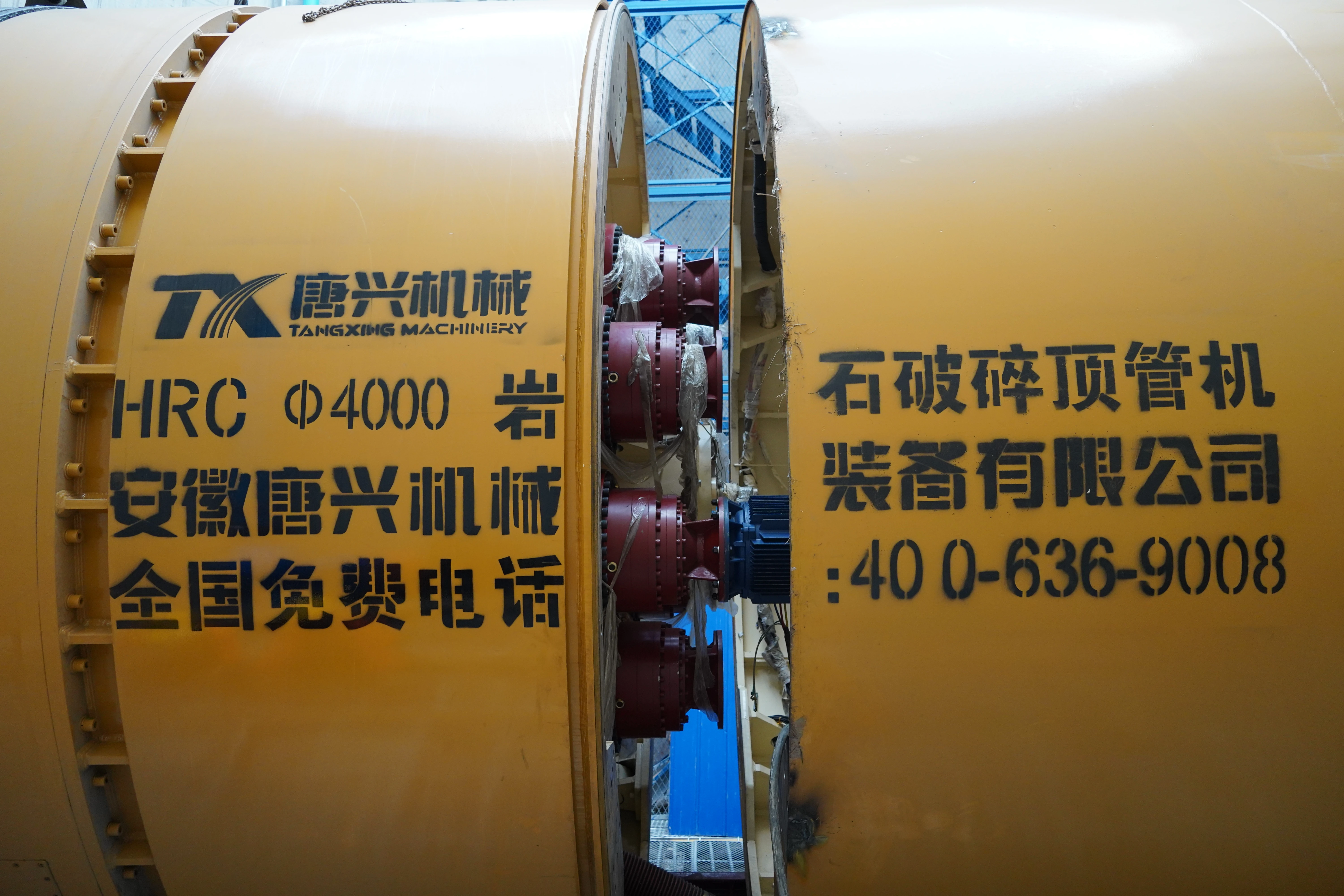
step-by-step process in microtunneling
First, you get the tunnel boring machine ready. You set up the slurry system. You mix mud and slurry to help the tunnel face stay strong. You watch the slurry as it comes back to check for leaks. You change the pressure and flow as the machine moves forward. You use sensors and computers to check the soil and mud. You change the settings to match the ground and keep things steady.
Here are the steps you follow in microtunneling:
-
Get the tunnel boring machine and slurry system ready.
-
Mix mud and slurry to support the tunnel face.
-
Watch the slurry return for any spills.
-
Change pressure and flow when the soil or mud changes.
-
Use sensors and computers to keep the tunnel face steady.
-
Keep making changes as the machine moves forward.
You keep the mud and slurry balanced. This stops spills and keeps the ground safe.
mechanisms for spill prevention
You use different tools to stop slurry spills. You use closed-mode face support, soil conditioning, and sealing systems. CEGC’s microtunnelling machine has these features to help you control mud and slurry.
-
Closed-mode face support keeps the tunnel face strong. You control pressure so mud and slurry do not leak out.
-
Soil conditioning changes how thick or thin the mud is. You make the slurry fit the ground. This helps the flow and lowers spill risk.
-
Sealing systems stop leaks. You use special seals to keep mud and slurry inside the machine.
You change pressure and flow right away when needed. You use advanced hydraulic systems and computers. You can see the main features in this table:
|
Feature |
Description |
|---|---|
|
Hydraulic System |
Advanced hydraulic power and control system for performance and reliability |
|
Pressure and Flow Adjustment |
Variable displacement pumps adjust pressure and flow rates based on real-time soil conditions |
|
Control Mechanism |
Computerized control algorithms monitor and adjust operational parameters continuously |
|
Redundancy |
Multiple independent hydraulic circuits ensure continuous operation during maintenance or challenges |
|
Adaptability |
Fine-tuning of cutting parameters for various geological formations |
You keep mud and slurry inside the tunnel. This stops spills and keeps the environment safe.
Note: Check the slurry system often. You can find changes in mud or slurry flow early. You can fix problems before spills happen.
operational and environmental benefits
You get many good things from micro tunneling discharge tuning. You have fewer slurry spills and your project is safer. You protect the ground and water near your tunnel. You make microtunneling work better.
-
You lower the chance of the ground sinking or the tunnel face moving.
-
You stop water from getting in and keep mud and slurry under control.
-
You make less waste and need fewer trucks to take mud away.
-
You make less carbon and help the environment.
-
You can change the tunnel machine to fit your project.
B2B owners, EPC contractors, and city utilities get better results. You finish projects faster and safer. You use CEGC’s tunnel machine and microtunnelling machine for good results. You keep mud and slurry balanced. You make sure micro tunneling discharge tuning always stops slurry spills.
You can have less slurry spills in microtunneling with discharge tuning. CEGC’s advanced systems let you control slurry flow and pressure. You keep the environment safe and make your project safer. Try CEGC’s solutions for your next microtunneling project.
FAQ
What is microtunneling and how does it work?
Microtunneling is a way to build tunnels underground. You use a tunnel machine that you control from far away. This method keeps the ground strong and does not mess up the surface.
How does discharge tuning help with slurry feed flow in microtunneling?
You change discharge tuning to manage how slurry moves. This keeps the pressure even during microtunneling. It helps stop spills and keeps the tunnel face safe when digging.
Why is slurry disposal important in microtunneling projects?
You must get rid of slurry the right way to keep things safe. Slurry pipelines carry waste away from the site. This keeps your work area clean and helps the project run well.


