
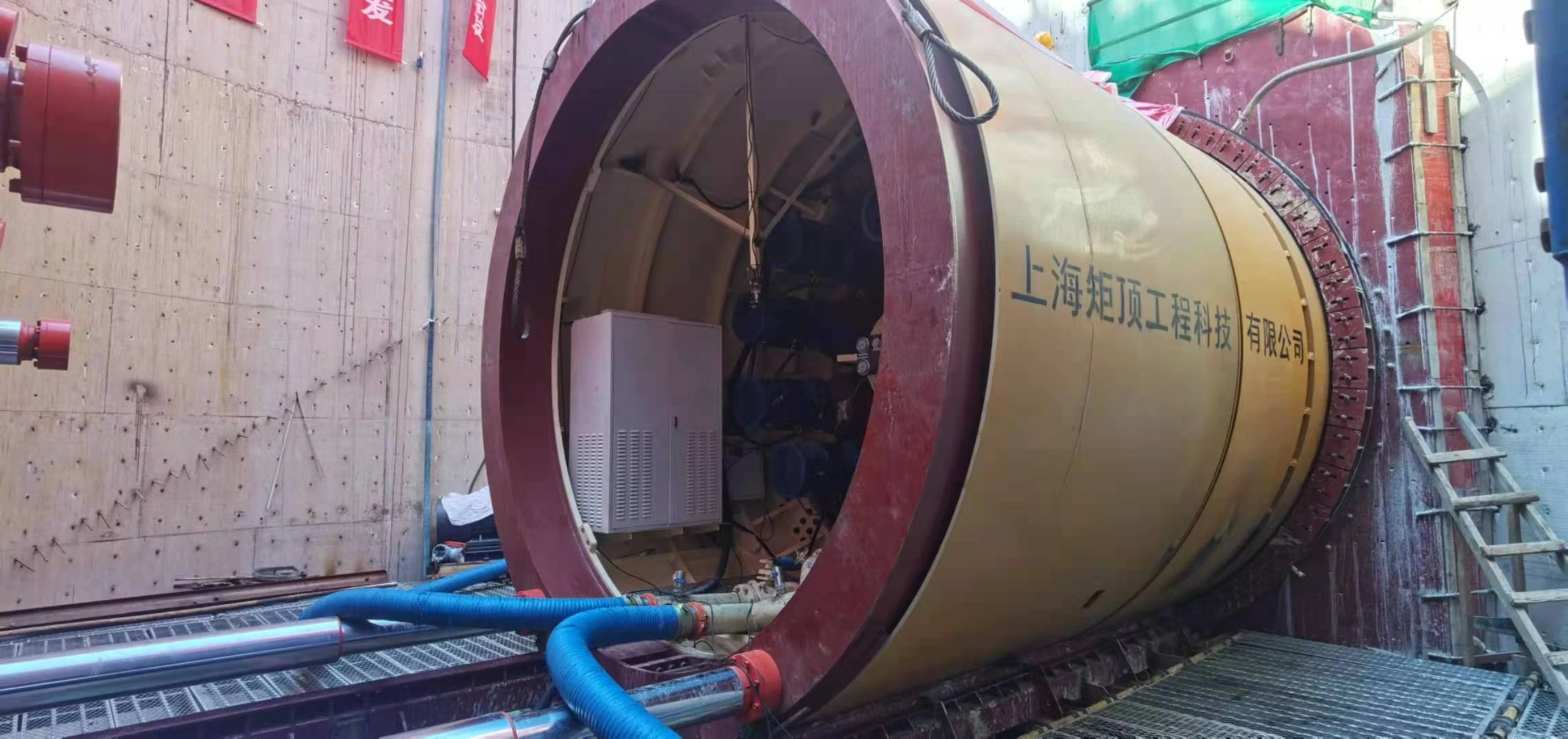
You face a real risk when TBM tunnel discharge instability raises face pressure risk. This can lead to increased face pressure during the digging process. CEGC provides tunnel machine solutions to help you effectively control pressure. These solutions also prioritize the safety and health of your team. The table below illustrates how instability during digging impacts pressure, settlement, and exposure:
|
Mechanism |
Description |
|---|---|
|
You must control pressure to prevent the ground from changing shape during digging. |
|
|
Soil Loosening |
Digging can shake the soil, leading to increased ground settlement and heightened risk. |
|
Stability Maintenance |
Maintaining pressure within a safe range is essential for protecting health and safety. |
Strict regulations for settlement and challenges with groundwater make pressure control crucial for every TBM project.
Key Takeaways
-
Keep face pressure steady during TBM tunneling to stop ground loss and keep everyone safe. - Use real-time monitoring tools to watch pressure and water levels, so workers can make fast changes. - Use technical fixes like closed-mode face support and variable density TBMs to keep things stable and lower risks.
TBM tunnel discharge instability raises face pressure risk
What is discharge instability in TBM
Discharge instability happens when the spoil and support medium flow is not steady in a TBM tunnel. This can make the pressure at the excavation face change quickly. When you use a TBM, you need to handle high pressure and keep the chamber safe. This helps protect workers’ health and safety. Discharge instability can cause too much digging, water soaking, and high-pressure air exposure. You must follow rules for compressed air and safety to stop decompression sickness. CEGC’s tunnel boring machines meet market standards and can be changed for each project. These machines help you control pressure and keep the tunnel stable while digging.
Causes of discharge instability
There are many reasons for discharge instability in TBM tunneling and digging:
-
Mixed ground can make too much digging and soaking happen.
-
Water coming in can raise chamber pressure and make work risky.
-
Not enough face pressure makes the soil weak and causes ground loss.
-
Big ground changes and water leaks can cause instability and decompression.
-
Too much digging and soaking often happen from bad muck removal and poor chamber care.
You can fix these problems with technical solutions. Closed-mode face support and soil conditioning help keep the face stable and control pressure. The table below shows how different support mediums make tunneling safer and more stable:
|
Support Medium Type |
Description |
|---|---|
|
Low Density Support Medium |
Uses thin bentonite liquid for normal tunneling and digging. |
|
High-Density Suspension |
Makes the mix thicker to handle rough soil and stop blowouts. |
|
Variable Density TBM |
Changes the mix thickness for wet soil to keep the chamber steady. |
You need to watch for decompression and soaking to keep workers safe in compressed air. Good pressure and chamber control lowers the chance of decompression sickness and exposure.
Discharge instability impact on face pressure & risk
Face pressure balance in TBM tunneling
It is important to keep face pressure balanced in TBM tunneling. This balance stops the ground from falling and keeps digging safe. If pressure is too low, soil can drop into the tunnel. This causes ground loss and sinkholes. If pressure is too high, the ground can rise or blow out. You must think about soil loads and water when setting pressure. TBM pilots set pressure just above the minimum to handle changes. Real-time monitoring systems check pressure and warn you if it is not safe. CEGC’s support systems help keep pressure balanced and meet safety rules for city tunnels.
-
TBM pilots set pressure a bit above the minimum to handle changes.
-
You manage a dead band to stop too much pressure, which can wear cutters and lift the ground.
-
Real-time monitoring helps you see pressure changes and act fast.
How instability leads to face pressure risk
Discharge instability in TBM tunnels can make face pressure change quickly. This happens when digging and water flow are not steady. Quick changes in chamber pressure can cause too much digging, ground settling, and water coming in. If you lose control of face pressure, faults can break and the ground can fall. Mud and water can flow into the tunnel through faults, raising chamber pressure and risk. Old rock and broken soil make it hard to keep pressure steady, which can lead to collapse.
-
Discharge instability can cause faults to break, ground to fall, and settling.
-
Mud and water coming in raise chamber pressure and risk.
-
Bad face pressure control causes ground loss and big settling.
-
Old rock and faults make pressure control harder and raise collapse risk.
You need to watch for too much digging and changes in water to stay safe. Working in high pressure air can cause decompression sickness. You must follow air safety rules to stop exposure and sickness. CEGC’s tunnel boring machines help you control high pressure and keep the chamber steady during risky work.
Detection and monitoring of discharge instability
You use different ways to find and watch discharge instability in TBM tunnels. Earth Pressure Balance TBMs have a cutting chamber behind the cutterhead. Soil mixes with water foam to keep pressure steady while digging. The mucking system moves dug-up soil and keeps earth pressure balanced as the machine moves forward. Thrust forces from the back of the TBM push into the earth in the chamber. This stops uncontrolled soil from coming in and too much digging.
-
Earth Pressure Balance TBMs use a cutting chamber to mix soil and water foam.
-
The mucking system moves soil and keeps the tunnel face steady.
-
Thrust forces push into the earth in the chamber to stop too much digging.
You use real-time monitoring systems to check pressure, water, and decompression. Adaptive control lets you react fast to changes in digging and water. Alarms and screens help you spot instability and manage risk. CEGC’s ground protection systems give you advanced monitoring and adaptive control. This helps you meet safety rules and protect health when working in high pressure air.
Tip: Always check real-time monitoring systems before and during high pressure work. This helps you spot discharge instability early and stop decompression sickness.
|
Monitoring Technique |
Purpose |
Benefit |
|---|---|---|
|
Real-Time Pressure Sensors |
Check chamber pressure while digging |
Early warning for instability |
|
Saturation Monitoring |
Watch soil and water mix in the chamber |
Stop too much digging |
|
Adaptive Control Systems |
Change pressure and mucking rate |
Keep face stable |
|
Visual Alarms |
Warn operators about pressure changes |
Quick action to stop risk |
You must follow safety rules and air regulations when working in compressed air. This keeps you safe from exposure and decompression sickness. CEGC’s TBM tunnel boring and microtunnelling machines help you control high pressure, decompression, and water during tunneling and digging.
Mitigation strategies for TBM discharge risk
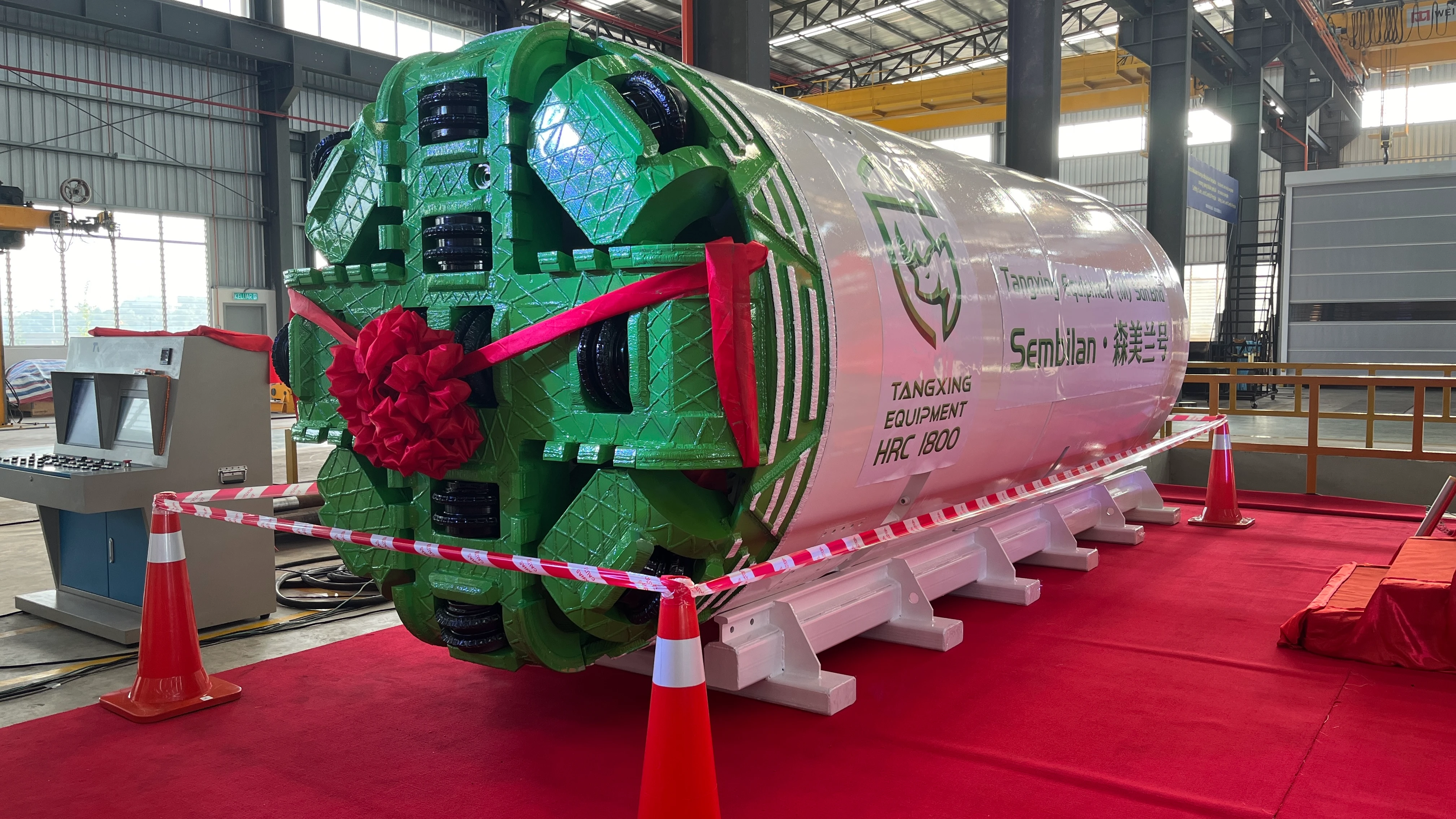
Technical solutions for discharge stability
There are many ways to keep TBM tunneling safe and steady. Closed-mode face support helps control pressure in the chamber. This system uses conditioned soil to stop too much digging. It also stops sudden ground movement. EPB Shields work best in soft soils. They use earth pressure balance to keep the tunnel face steady. This lowers the chance of decompression. Variable Density TBMs can switch between slurry and earth pressure modes. This helps you deal with mixed ground and keep discharge stable. Multi-mode TBMs let you change methods fast when the ground changes. Sealing is also very important. Pressurized tarpaulins and better seal rings make strong barriers. These features stop water and soil from getting in, even when pressure is high. The table below shows how sealing changes can help:
|
Modification Type |
Impact on Discharge Stability |
|---|---|
|
Pressurized Tarpaulin Incorporation |
Makes a better water barrier and stops soil and water from coming in under high pressure |
|
Original Seal Ring Design |
Might not stop inflow at high pressure, which can cause problems |
|
Trial Results |
Show less soil moves, even if water still gets in |
Best practices for risk prevention
You should follow good steps to stop risks during TBM tunneling. In high-risk areas, watch closely and change TBM settings as needed. Set up a warning system and add more support if you need it. In medium or low-risk places, keep checking and use normal support. For special risks, look for rock changes and have emergency plans ready. Use better support if you need it. You can make discharge more stable by changing pressure, sealing, and how you take care of the machine. Keep pressure just above the lowest safe level to handle changes. In EPB machines, control chamber pressure by changing the screw conveyor speed. Slurry TBMs use an air cushion to stop pressure jumps. These steps help you avoid too much digging, soaking, and decompression. Always check for soaking and decompression when working in compressed air. This keeps you healthy and lowers the chance of getting sick from decompression. CEGC can help you with custom plans to meet all safety and work needs in high-pressure tunneling.
You can face real dangers from discharge instability in tunneling. Too much digging and water in the chamber can make pressure change fast. This can also cause decompression. You should check the site before you start digging. This helps you control water, exposure, and sickness from decompression. To stay safe when working with compressed air, follow these steps:
-
Keep pressure steady in the chamber to stop too much digging and water.
-
Use special gas to breathe so you lower health risks from decompression.
-
Follow the rules for water and decompression when you dig.
You make tunneling safer by watching water levels and planning for extra digging.
FAQ
What is the role of saturation in TBM excavation?
You need to watch how wet the ground is when digging. If the ground gets too wet, it can become weak. This makes the chamber less stable and can put your team at risk.
How do you manage health risks in an air-pressurised excavation chamber?
You must follow steps to lower pressure slowly after working inside. This helps keep workers safe from health problems caused by high pressure and wet ground.
Why is real-time monitoring important for excavation?
You use real-time monitoring to check how wet the ground is and the chamber pressure. This lets you change how you dig fast and keeps the work safe.


