
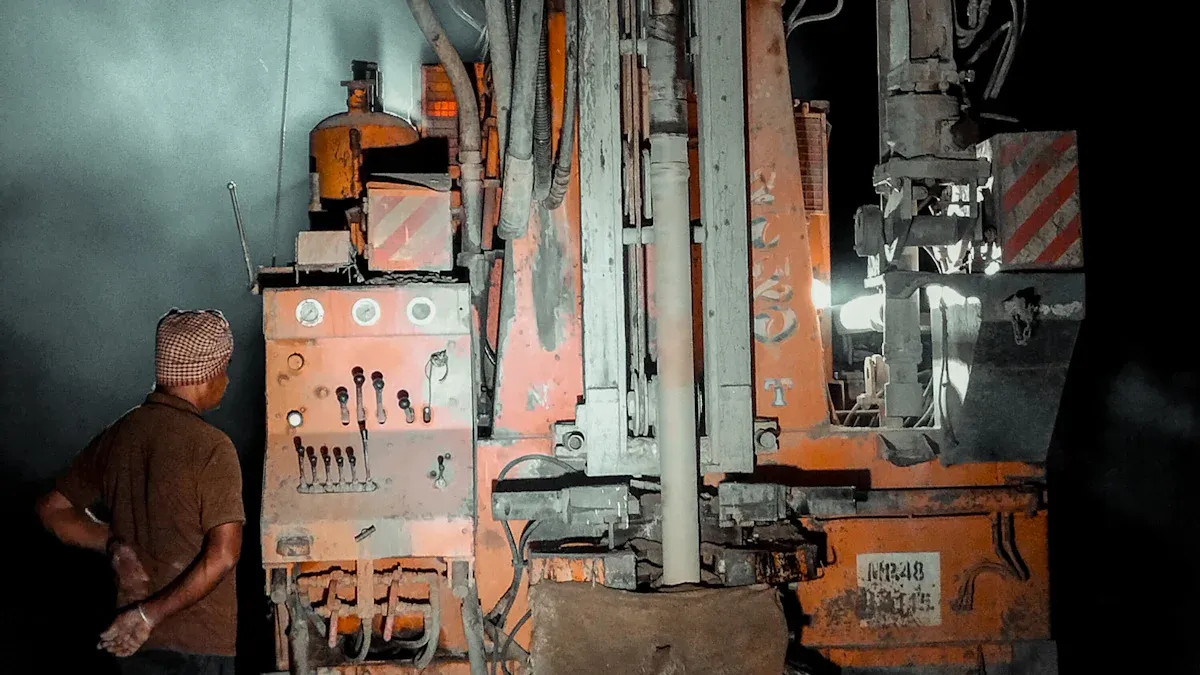
Drill Rig 0.2° Precision Beats Complex Routes
Our drill rig is incredibly precise, boasting an accuracy of 0.2 degrees. This level of precision is a game-changer for navigating complex routes, fundamentally transforming modern drilling practices. This exceptional accuracy represents a significant leap forward compared to traditional drilling methods, opening new possibilities for tackling intricate paths and resolving long-standing challenges in the field. How does this minute precision enhance drilling operations? This is a hallmark of a CEGC drilling machine.
Key Takeaways
-
A drill rig with 0.2° precision helps drill bits stay on track. This avoids mistakes and saves money.
-
Advanced tools like MWD/LWD systems and steering tools help achieve this high precision. They give real-time information to guide drilling.
-
This exact drilling makes projects faster, safer, and cheaper. It also helps reach resources that were once too hard to get.
Hard Routes: The Drilling Problem
What Are Hard Drilling Paths?
Drilling in hard routes is tough. It is a big problem today. These paths are tricky. Many things make them tricky. Bad soil and rock are often found. This means hard rock. It breaks tools. Soft clay also jams machines. Sandy dirt can make holes fall apart. Water underground can also make holes unstable. Things buried underground can stop work. These include trash or pipes.
Drilling in small city areas is even harder. Workers must watch out for power lines. They must also watch for buried pipes. Getting permits is key. Controlling traffic is also key. Fighting bad weather is hard. This includes hot sun or frozen ground. Getting to far-off or safe places is tough. Picking the right tools and ways to drill is very important. This helps drilling go well.
Old Ways Have Dangers
Old drilling ways have many dangers. This is true in hard ground. Ground conditions are a top danger. They cause 55% of problems. Good equipment is also a danger (59%). Worker skills are another danger (51%). For example, drilling in Tarim, Xinjiang, had a problem. The hole pressure was off. This was because of hot and high-pressure rock. It made drilling mud leak. It also caused a gas kick. This shows we need strong safety plans.
Not knowing the ground can lead to bad guesses. This starts many dangers. A sudden change in the ground can break tools. This causes them to fail. Drilling in the ocean adds more problems. It costs more money. There is also less information. It is harder to guess dangers. This is because of hard ground and bad weather. Without being very exact, these dangers get much bigger.
The Power of 0.2° Precision
Practical Implications of 0.2° Accuracy
A drill rig 0.2° precision beats complex routes. It gives big benefits. The drill bit stays on track. It follows the planned path. It does not go off course. This is very important. It helps with hard underground jobs. Good drilling stops expensive errors. It avoids doing work again. The bore hits the right spot. This precision lets bores be closer. It uses space better.
Exceeding Industry Standards
Drilling accuracy standards are high. Some systems are very exact. They hit 0.01° in pitch. Others get 0.04° in azimuth. Total accuracy can be 0.01 to 0.04 degrees. Our 0.2° skill meets these tough goals. We check tools often. We follow survey rules. We use backup systems. This helps with exact drilling. Training teaches guidance systems. It also teaches data reading. These steps ensure good work.
Achieving Target Zones with Precision
Hitting target zones is key. This accuracy means the drill bit lands right. This matters for utility work. It is also vital for getting resources. Exact drilling helps the environment. It avoids old structures. This skill lowers project dangers. It makes projects more successful. This new drilling tech gives good results.
Enabling 0.2° Precision: Key Technologies
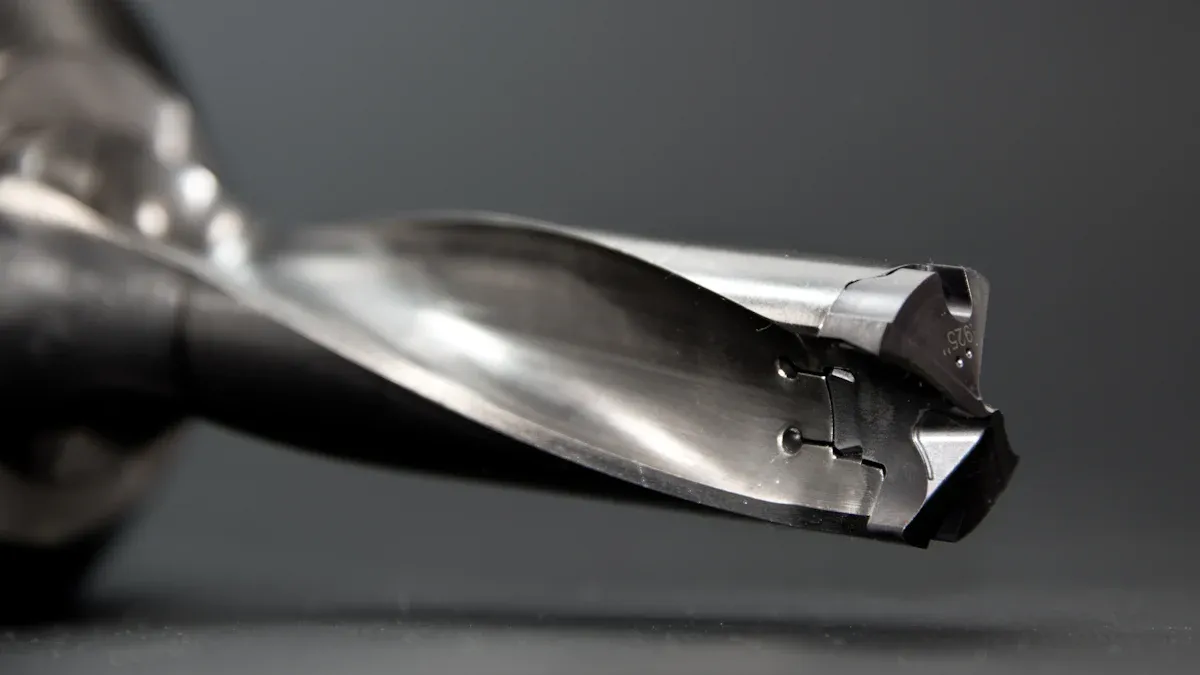
Advanced MWD/LWD Systems
Advanced MWD and LWD systems are very important. They give real-time data. This data comes from deep underground. It helps guide the drilling process. MWD measures key things. These include inclination. This is the angle of the well. It also measures azimuth. This is the direction. Toolface orientation is also tracked. This shows the steering direction. Vibration is watched. This stops tools from breaking. Pressure and temperature are also measured. Some MWD tools have gamma ray sensors. These help with geology.
LWD systems check rock formations. They give details. They show porosity and permeability. They also show fluid saturation. MWD and LWD work together. They make a full system. This system gives real-time information. LWD checks formations. It measures resistivity and gamma ray. It also measures density and porosity. It measures sonic. These find oil and gas. They check rock properties. LWD helps map geology. It shows rock formations. It measures reservoir properties. This tells how much oil a well can make. LWD helps find oil. It helps steer the drill. This keeps the well in the right rock. This teamwork helps with drilling choices. It improves reservoir checks. It makes wells better. This helps understand underground. It helps drilling succeed.
|
MWD (Measurement While Drilling) |
LWD (Logging While Drilling) |
|
|---|---|---|
|
Primary Purpose |
Real-time trajectory monitoring in directional drilling |
Formation evaluation, optimizing reservoir development |
|
Measured Parameters |
Inclination, azimuth, weight on bit, torque, etc. |
Resistivity, gamma rays, density, porosity, etc. |
|
Application Scenarios |
Ensuring accurate drilling direction, preventing deviation from target |
Providing formation data, optimizing borehole position and reservoir output |
|
Data Transmission |
Mud pulse telemetry, electromagnetic waves, wired drill pipe, etc. |
Mud pulse telemetry, electromagnetic waves, wired drill pipe, etc. |
|
Data Processing |
Real-time processing, supporting immediate decision-making during drilling |
Combination of real-time and memory data, supporting detailed formation analysis |
|
Tool Integration |
Integrated into bottom hole assembly, usually combined with directional drilling tools |
Integrated into bottom hole assembly, working in conjunction with MWD systems |
|
Applicability |
Suitable for directional drilling and borehole trajectory monitoring |
Suitable for complex formation evaluation, especially in boreholes where wireline logging is not possible |
Sophisticated Steering Tools
Good steering tools are key. They help get high precision. RSS are a good example. A test showed an automated mode. This mode used RSS. It kept the well angle small. It was less than 0.2°. This happened while drilling 5,000 feet. The target area was tiny. It was 0.5 feet by 0.5 feet. This shows how exact these tools are.
These systems measure things all the time. They track angle and direction. This helps control the path. It makes the well straighter. It uses fewer static checks. Automated steering makes small changes. It adjusts RSS settings. This happens by comparing data. It uses data from near the drill bit. It compares it to the target. Calibrating sensors helps. It makes vertical drilling better. It gives full angle and direction data. Calculating GTF is also important. It helps steer well. This makes straighter wells.
Real-Time Data and Control
Real-time data is very important. It allows quick changes. This happens during drilling. Sensors send info to the surface. Engineers check this data fast. They can then change settings. This keeps the drill bit on track. This constant feedback is key. It keeps the path right. It stops big mistakes.
CEGC's Precision Guidance System
CEGC's system is very accurate. It fixes user problems. These include drill going off course. It also fixes crossing failures. The system uses load control. It matches thrust and rotation. This makes it run smoothly. A strong frame is also used. It has carriage alignment. This stops shaking and moving. These things make it stable. The system is ready for tracking. It works with data logging. It also works with process control. This gives full oversight. This system ensures accuracy. It reduces redoing work. It is vital for key crossings. These include roads and rivers. It needs less skill from the operator.
Benefits of Drill Rig 0.2° Precision
Enhanced Efficiency and Speed
A drill rig with 0.2° precision is better. It handles complex routes. This accuracy makes projects faster. It keeps the drill bit on track. This means fewer fixes are needed. This precision and speed finish jobs quicker. Overall efficiency gets much better. Exact drilling stops delays. It lets work continue. More work gets done faster. Projects move ahead quickly.
Significant Cost Reduction
Precision drilling saves money. Fewer mistakes mean less money spent. Fixing errors costs a lot. It needs more workers and stuff. Precision drilling avoids this. It uses less material. It lowers worker costs. The project stays on budget. This saves money. Not damaging old pipes saves money too. It stops costly repairs. This saving is a big plus.
Improved Safety and Compliance
Accurate drilling stops accidents. It keeps workers safe. It also protects nature. Precision helps avoid underground pipes. This lowers crash risk. It lessens harm to nature. This is key for special places. Following rules becomes easier. Projects meet safety rules. This lowers legal risks. It also builds trust. Safe drilling is most important.
Accessing Untappable Reserves
Some resources are hard to reach. Their spot is tricky. Old drilling cannot get them. Precision drilling makes it possible. It opens new areas for resources. This includes oil and gas. It also includes heat energy. It places wells better. This gets more resources. It unlocks value from hidden reserves.
CEGC's Anti-Stall Powertrain
CEGC's Anti-Stall Powertrain fixes drilling problems. It stops pipes from getting stuck. This system gives strong power. It works at many speeds. It senses hydraulic load. It handles pressure well. Controlled start and stop reduce jolts. This protects tools. It also cuts downtime. This makes work faster. It saves money. The powertrain ensures steady drilling.
CEGC's Tooling Durability
CEGC's tools last longer. They reduce wear and tear. Our tools work with many reamers. These include blade and rock types. Smooth power delivery is a key benefit. It stops shaking. This prevents uneven wear. Easy access makes fixes faster. This fights high supply costs. It also reduces tool wear. This makes work faster.
CEGC's Fluid Management
Good mud care is key for drilling. CEGC helps size pumps. This matches flow and pressure. It ensures good flow. Filters are ready to use. This keeps fluid clean. Mud program rules are stressed. This includes mixing and checking. Regular changes are part of it. This fixes bad fluid. It also lowers break risk. This makes drilling better and faster.
Real-World Uses of Exact Drilling
Drilling Far Away
Drilling far away reaches distant spots. It uses long flat parts. This causes less surface mess. One well pad can reach big underground areas. This way is very good. It makes less harm to nature. This drilling is key for far-off resources.
Building Many-Branched Wells
Building many-branched wells makes many arms. These come from one main well. This touches more of the resource. It gets the most out of it. This hard drilling makes more oil or gas. It uses fewer spots on the surface. This is a smart way to work fields.
City and Sensitive Area Drilling
Drilling in cities needs great exactness. It avoids pipes and wires. These are already there. Nature areas also need careful drilling. This causes less harm to plants and animals. High precision is very important here. This keeps people safe. This drilling protects important things. It also saves nature spots.
The 0.2° precision changes drilling. It helps projects succeed. This drill rig 0.2° precision beats complex routes. It shapes the future of the industry. CEGC's directional drilling machine shows this precision. It is vital for efficiency and safety. It helps get important resources. This drill rig 0.2° precision beats complex routes in a hard world.
FAQ
What does 0.2° precision mean for a drill rig?
The drill bit stays on its path. It is off by only 0.2 degrees. This is very exact. It helps with hard underground jobs. The drill hits the right spot.
How does CEGC's technology enable such high precision?
CEGC uses good guidance systems. They control the load. They have a strong frame. This stops shaking. It works with tracking systems. This makes it very exact.
What are the main benefits of using a precision drilling machine?
Exact drilling has many good points. It works better. It costs less money. It is also safer. This tech can reach hard places. It makes projects work well.


