
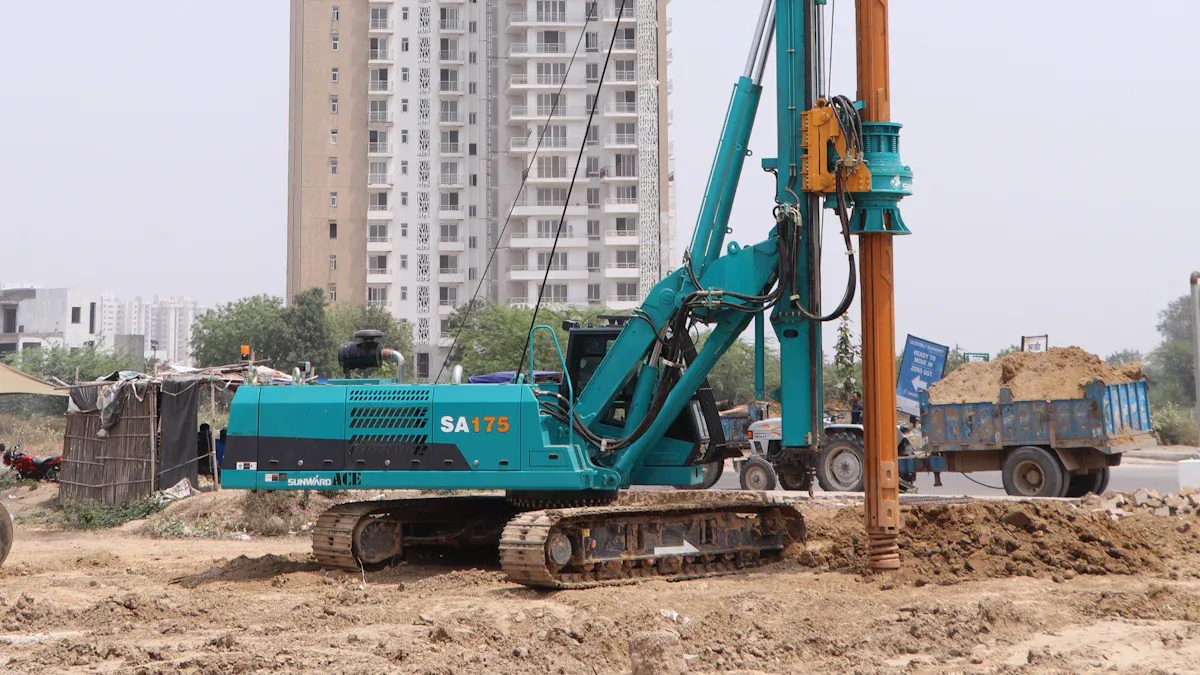
Precision is very important. It is needed for modern infrastructure. A horizontal directional drilling rig 0.5° accuracy changes how we build underground. This exactness comes from new technology. It also comes from skilled workers. This is key for good HDD projects. A strong horizontal directional drilling machine helps. It puts pipelines in the right spot. It also drills and installs conduits. This level of HDD precision is very important. CEGC's equipment helps make this happen.
Key Takeaways
-
A special drill is used. It drills sideways. It is very precise. It stays on its path. This is good for projects.
-
This drill avoids things underground. It puts pipes in the right spot. It stops expensive errors. It prevents damage.
-
Getting this precision needs new tech. It needs good plans. It needs trained people. This makes projects safer. It makes them cheaper. It is better for nature.
Defining 0.5° Accuracy in Horizontal Directional Drilling
What 0.5° Accuracy Means for HDD Projects
A horizontal directional drilling rig 0.5° accuracy means the drill path stays very close to its planned route. This 0.5° is the biggest allowed difference. It is from the planned tilt or turn of the hole. It makes sure the underground path is right where it should be. This exactness is important for good horizontal directional drilling projects.
Why Such Precision is Crucial for Critical Infrastructure
This exactness is very important. It helps avoid other things underground. It is also key for pipes that use gravity. These pipes need a steady slope. Hard crossings, like under rivers, need this exactness. For building pipelines, 0.5° accuracy is a must. This is true for the pilot hole. It helps avoid hitting other pipes. It also helps make a map of the pipeline. This map shows where it really is. This data helps find pipe bends. It also finds shifts after ground changes.
Impact of Deviation Beyond 0.5° Tolerance
If the drill path goes too far off, big problems can happen. Projects might need expensive fixes. This causes delays and costs more money. There is also a risk of hurting nearby structures. This includes water lines or power cables. Such damage can be very dangerous. It can also harm the environment. Keeping tight accuracy in hdd work stops these bad things. Precise hdd work makes projects successful and safe.
Technologies for 0.5° Accuracy in Horizontal Directional Drilling
Getting a horizontal directional drilling rig 0.5° accuracy needs new tech. These systems work together. They guide the drill bit well. Modern horizontal directional drilling machines use many tools. These tools keep the path on target.
Advanced Guidance Systems: Magnetic, Gyroscopic, and Wireline
Good guidance systems are very important. They show where things are right now. Magnetic systems use Earth's magnetic field. They also use fields from nearby pipes. This helps avoid hitting things. Passive Ranging, like MagTraC MWD Ranging™, separates Earth's natural magnetic field. It removes other signals from pipes. This finds the exact distance and direction. It does this without touching anything. Active Ranging, like BlackShark™, is very exact. It is used for relief well intercepts. It puts electricity into the ground. This makes a temporary magnetic field. Sensors then find this field very well.
Gyroscopic systems are also very exact. MEMS Gyro Tools get 0.5° azimuth accuracy. They also get 0.1° inclination. They read latitude in 1 second. These tools use tiny parts. They make very small mechanical structures. The ER-Gyro-19 gyroscope tool finds north by itself. It uses Earth's spin. This means no special drill parts are needed. It stays very accurate. This includes 0.5° azimuth, 0.1° inclination. It also has a 1-second tool face angle. It works even with strong shaking. Putting it near the bit shows path changes right away. This makes it much more accurate. It also helps in more hdd projects.
Downhole Steering Tools: Motors and Bent Subs
Downhole steering tools help make small path changes. These tools include motors and bent subs. Downhole motors, also called mud motors, use water pressure. Drilling mud makes them work. The drill bit spins at the hole's end. Most of the drill pipe stays still. This lets it change direction. Bent subs are curved pipe parts. They sit between the still drill pipe and the motor. Their shape helps change the hole's direction. It does not need to remove the whole drill pipe. These tools work with MWD tech. This makes exact path changes possible. A method called 'sliding' is used. It stops the drill pipe from spinning. The motor then cuts a curved path. This is key for drilling with downhole motors.
Real-time Data Acquisition and Telemetry for Precision
Getting data right away is key. It gives quick info to workers. Sensors in the drill head collect data. This data includes tilt, direction, and tool face. Telemetry systems send this info to the surface. Workers see the drill's exact spot. They can compare it to the planned path. This allows for quick fixes. CEGC's horizontal directional drilling machines have tracking systems. They can record data and control processes. This gives a key way to work. It makes sure workers have the info needed. They can keep the path very exact. This is vital for good trenchless drilling.
Sophisticated Rig Controls and Automation
Good rig controls and automation make drilling more exact. They work with guidance systems. CEGC's Precision Guidance & Stability System is one example. It uses load-matched control. This matches push/pull, spin, and feed. This system helps make it very accurate. Strong frames and carriage alignment also help. They reduce shaking and movement. This makes drilling more steady.
The ER-Gyro-15 MEMS Gyro Directional Tool is a main part. It gets 0.5° accuracy for direction. It does this in 90 seconds. It gets 1° accuracy in 30 seconds. This tool uses a very good MEMS gyroscope. It finds Earth's spin for true north. This gets around old inclinometer limits. It also avoids magnetic problems. This tool is for setting exact directions. It works with guided drilling tech. It also works with smart drilling systems. It is key for steering the path right away. This is true with seismic imaging. These auto controls reduce human mistakes. They keep the 0.5° limit steady.
How to Drill Without Trenches with 0.5° Accuracy
Getting a horizontal directional drilling rig 0.5° accuracy needs more than just good machines. It needs careful work. This work starts with planning. It ends with operators making final changes. This full plan makes every trenchless job a success.
Planning Before Drilling and Full Surveys
Good planning before drilling makes horizontal directional drilling exact. This step includes looking at the ground. It also checks for pipes underground. These checks see what the soil is like. They find existing underground lines. They also confirm if the planned path can work. The drill path is carefully drawn. This includes where it enters and exits. It also includes its depth. This plan thinks about how long the crossing is. It also considers the ground type. And it looks at what the pipeline needs.
Gyro QC is often key for survey accuracy. This is true when magnetic MWD systems have problems. These problems happen with sharp turns. They also happen near casing exits. Picking and using Non-Magnetic Drill Collars (NMDC) is also very important. They make sure the drill path meets ground needs. NMDCs stop magnetic problems. They keep errors small. This is usually within 0.25°. Methods like 'Grindrod-Wolff selection method' help figure out NMDC length. Smart tools, like DEES software, make picking better and faster.
How to Drill the First Hole for Good Accuracy
After planning, drilling the first hole is very important. It sets the right path for the whole drill. Special ways are used to make this first hole exact. Workers check the depth many times. They compare these checks to a known level. This way, they always know it's right. They don't just trust the drill head's pitch readings.
Better tracking electronics are used. They make accuracy even better. These systems give live information. They help guide the drill bit exactly. Using grade drilling packages is also key. These packages are made for HDD jobs. They make sure the first hole stays at the right slope. This is extra important for pipes that use gravity.
Operators Watch and Adjust in Real-time
While drilling, watching all the time is a must. Operators get instant feedback. This comes from tools inside the hole. This data shows the drill bit's spot. It shows its tilt and direction. They check this info against the planned path. If it goes off, operators fix it right away. This quick action keeps the path within 0.5°. Being able to react fast is very important. This is for changing ground or surprises. It keeps the job on track. It also avoids expensive re-work.
Skilled Operators and Training Are Very Important
Getting 0.5° accuracy depends a lot on the operators' skill. Even with the best horizontal directional drilling machine, results depend on them. Experienced operators know a lot about ground conditions. They understand live data well. They also make exact steering changes.
So, ongoing training is a must. It keeps operators up-to-date. This includes new tech and best ways to work. Training makes them better at tough situations. It also helps them make good choices under pressure. CEGC knows this is needed. We make sure our machines help skilled workers. This mix of good tech and trained people drives the future of trenchless drilling.
Benefits of High-Accuracy Horizontal Directional Drilling
Horizontal directional drilling that is very accurate has many good points. These good points cover safety, cost, nature, and what a project can do. This exactness makes it a top choice for today's building.
Reduced Risk and Enhanced Safety for Infrastructure
Very accurate hdd makes things much safer. It means no dangerous digging or open ditches. This makes work safer for crews and people nearby. HDD stops dirt from spreading above ground. It pushes dirt aside when drilling. Strong pipes put in by HDD lower the risk of dirt spreading. This is much safer than old vertical drilling. Its exactness helps put pipes under water and concrete. This makes pipes last longer. Checking things well before building and careful plans lower risks. These are risks of hitting other pipes.
Cost Efficiencies and Minimized Project Delays
Very accurate HDD saves money. Exact placement means no re-drilling and no fines. This helps the whole project work better.
HDD might cost more at first. But it is often cheaper later on. This way of working is good for nature. It needs very little digging. It works in different kinds of dirt, like sand and rock. HDD projects finish faster. This saves time. For going under roads or touchy areas, HDD is better. This is true compared to old digging.
Environmental Protection Through Precise Placement
Exact placement with very accurate HDD helps nature. It means less big digging. This saves natural places and old buildings. This method is extra good in cities. It also helps in sensitive places.
|
Environmental Benefit |
|
|---|---|
|
Sewer Systems |
Stops surface problems in cities. Allows exact slope control. |
|
Water Systems |
Lowers dirt risks. Keeps service going. Saves natural places. |
|
Oil & Gas |
Puts pipelines in safely. Even in tough areas. Keeps nature safe. |
|
Irrigation Systems |
Lessens farm problems. Puts in lines without hurting land. |
|
Governments like HDD for building with low impact. This means less waiting for permits. Earth-friendly drilling liquids stop spills. Systems that catch fluid limit waste. |
|
Diverse Applications for High-Accuracy HDD Projects
High accuracy in hdd projects is key for many uses. It lowers the risk of hurting other pipes. This is by finding pipes and lines exactly. This exactness avoids moving pipes for no reason. It needs less space to work. This helps projects run well and safely.
-
Pipeline installation: Used for gas, water, and oil pipes. This is extra true in sensitive or busy areas.
-
Utility Installation: Helps with phone cables, power lines, and fiber optics. This happens without digging up the surface.
-
Water and Sewer Systems: Used in building and fixing. This is extra true in tough or city areas.
-
Crossings: Great for going under natural things like rivers and lakes. It also works under man-made things like roads and trains. This avoids big digging. This trenchless installation approach is very flexible. It is a top trenchless method.
Problems Keeping a Horizontal Directional Drilling Rig 0.5° Accuracy
Getting a horizontal directional drilling rig 0.5° accuracy is hard. Many things can make it tough. Project teams need to fix these problems.
Ground Changes and Steering Problems
The ground is not always the same. Different dirt types make steering hard. Rocks and surprises can be there. These changes can make the drill go off course. They can also make the pipe get stuck. Or they can cause sudden twists. CEGC helps with these issues. Our Anti-Stall Powertrain & Overload Protection system gives strong power. It uses smart hydraulic sensing. This system also starts and stops smoothly. These things lessen sudden jolts. They help avoid stops in tough ground.
Outside Problems and Weather
Outside things can hurt accuracy. Magnets from nearby pipes mess with guides. Heat changes can affect machines. Bad weather also causes problems. These situations need good plans. They also need flexible tech.
Machine Limits and Upkeep Needs
Machine limits can stop exactness. Tools wearing out is common. Fast wear of reamers costs more money. It also makes holes dirty. CEGC's Tooling Compatibility & Durability Package helps. It works with many reamers. It also gives smooth power. This stops shaking and uneven wear. Bad fluid is another problem. It can cause more twisting. It can also cause spills. CEGC’s Mud Integration & Fluid Management Solution helps. It tells you how big pumps should be. It also makes sure fluid flows right. This keeps the hole steady.
Worker Skill, Tiredness, and People
Worker skill is key for exact hdd jobs. Even with good tech, people matter. Tired workers can make mistakes. Regular training is very important. Staying watchful is also key. These make sure the drill stays within 0.5°.
Achieving horizontal directional drilling rig 0.5° accuracy combines advanced technology, careful planning, and expert operators. This precision ensures safer, more efficient, and environmentally responsible infrastructure projects. CEGC provides horizontal directional drilling machines that meet these stringent demands, advancing trenchless technology. Our commitment drives the future of trenchless solutions.
FAQ
What is the main good thing about 0.5° accuracy in HDD?
This exactness makes projects safer. It helps keep things from breaking. It also stops expensive re-drills. And it prevents delays.
How do CEGC machines get such good exactness?
CEGC uses smart guide systems. Our machines have special controls. Strong frames also stop shaking. This makes sure it is always exact.
Is 0.5° exactness needed for all HDD jobs?
No, but it is key for important projects. This includes hard crossings. It is also vital for pipes using gravity. These jobs need perfect placement.


