

Experience superior drilling performance with CEGC’s advanced horizontal directional drilling machine. The Drill Rig Tunable System Beats Flow Mismatch by instantly adapting and utilizing intelligent controls, ensuring optimal operation. This results in fewer errors, reduced costs, and enhanced jobsite safety. With CEGC, you can select project-specific features that boost efficiency and keep your work moving forward.
Key Takeaways
-
The Drill Rig Tunable System changes fast when needed. It lowers mistakes and makes drilling work better. Real-time data helps us see what is underground. This makes choices easier and keeps people safer. Tunable technology lets us change things to fit our needs. It saves a lot of money and cuts down wasted time.
Flow Mismatch in Drill Rigs
What Is Flow Mismatch
Flow mismatch happens when the drill pipe moves differently than the fluid inside the well. This can make it hard to know what is going on underground. Here are some important things to know about flow mismatch:
-
Flow mismatch means the drill pipe and fluid do not move together.
-
When you add a new pipe section, the fluid level might not change like you think it should.
-
You can find flow mismatch by using tools that watch for these changes.
-
Checking for flow mismatch helps you see problems early, like fluid loss or pressure changes.
Impact on Drilling Operations
Flow mismatch can cause problems for your drilling job. If you do not notice it soon, you could have delays or safety issues. You want drilling data to show what is really happening in the borehole. Flow mismatch can make the data wrong. You might get false warnings or miss real problems. This can waste time, cost more money, or break equipment. Good drilling data helps you stop these problems and keeps your work safe.
Causes in Horizontal Directional Drilling
Many things can cause flow mismatch in horizontal directional drilling. It can happen when the ground changes from soft to hard. Sometimes, drilling fluid leaks into the ground, or the borehole shape changes. If you do not change how you collect drilling data, you might not see these problems right away. Watching drilling data closely helps you find flow mismatch fast. Then you can fix things and keep your project going well.
Drill Rig Tunable System Beats Flow Mismatch

Adaptive Control Mechanisms
You can count on adaptive control mechanisms to keep drilling steady and correct. The drill rig tunable system beats flow mismatch by using smart technology that reacts much faster than old ways. You get quicker responses and better tracking. This means you make fewer mistakes and drilling strength stays the same.
-
Adaptive PID control strategies help you reach your goal faster.
-
Deep reinforcement learning lets the system improve itself as it works.
-
The DDPG algorithm changes PID settings when things change.
-
You get stronger drilling and better guesses about borehole behavior.
-
The drill rig tunable system beats flow mismatch by reacting to new problems right away.
When you use these adaptive controls, you have less downtime and drilling strength stays steady. You can trust the system to make fast changes and keep your project going.
Real-Time Data Integration
You get help from real-time data integration because it shows you what is happening underground. The drill rig tunable system beats flow mismatch by collecting and checking drilling information as you work. This streaming learning method changes with each wellbore and keeps the model up to date. You get good guesses about at-bit density and drilling strength, which helps you make smart choices.
|
Method |
Coefficient of Determination (R²) for 1.5 ft |
Coefficient of Determination (R²) for 3 ft |
Coefficient of Determination (R²) for 5 ft |
|---|---|---|---|
|
SMP |
0.92 |
0.92 |
0.79 |
|
LSTM |
0.95 |
0.92 |
0.80 |
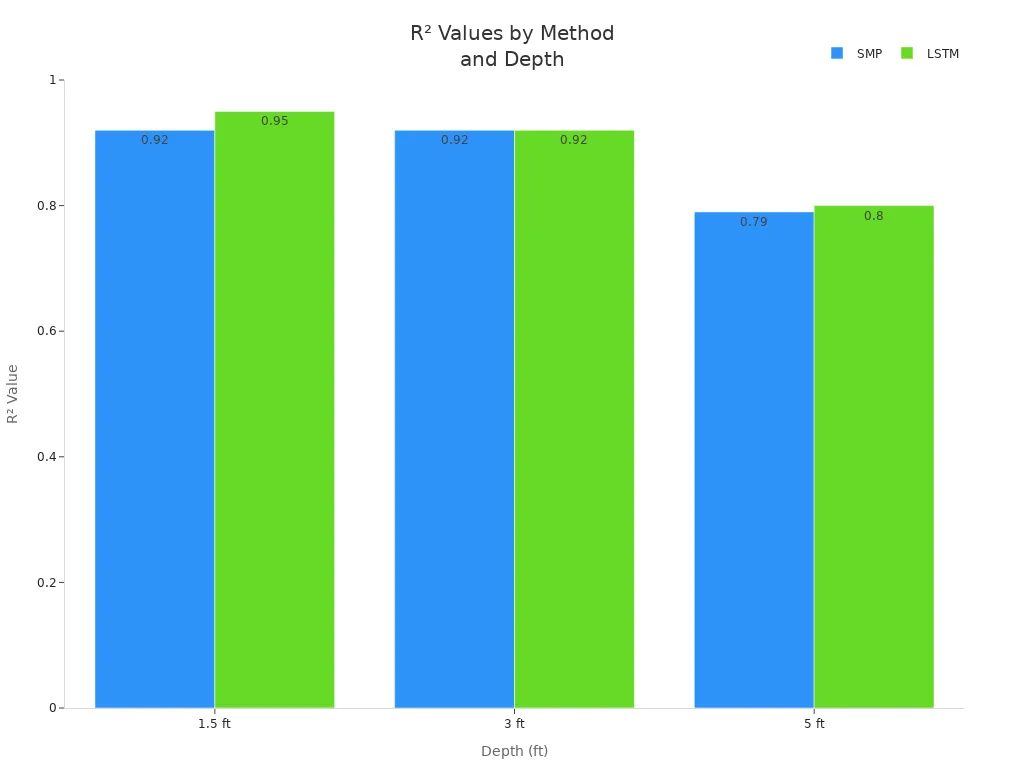
You can see how real-time data integration makes inflow profiling more accurate. You do not need extra downhole sensors. The drill rig tunable system beats flow mismatch by using soft-sensor technology, like the Extended Kalman Filter, which gets 92% accuracy. You can spot water breakthrough fast and cut well intervention by 45%. This means you get better guesses and safer drilling.
Automation and Managed Pressure Drilling
Automation is very important in managed pressure drilling. The drill rig tunable system beats flow mismatch by using automated choke systems that react right away to pressure changes. You get real-time changes that keep drilling strength even and stop sudden kicks or influxes.
|
Key Benefit |
Description |
|---|---|
|
Real-time adjustments |
Automated choke systems give quick answers to pressure changes, which is important for good drilling. |
|
Enhanced flow control |
MPD software helps control choke positions exactly using real-time pressure data, making drilling better. |
|
Rapid response |
Automated systems can move valves in milliseconds, which lowers risk during big events like kicks or influxes. |
You also see how using data-driven automation helps you guess and decide better. The drill rig tunable system beats flow mismatch by looking at drilling information and making it better right away. You can check how drill bits and weight on bit affect drilling, which helps you get stronger and faster drilling. Good prediction models help you stay safe and save time.
Calibration steps help you keep things working well. The 45°-Inclined Six-Position Calibration method lowers installation mistakes by 40.4% and makes sensors over 25% more accurate. You get better guesses and drilling strength, so your project stays on track.
Tip: Use the drill rig tunable system beats flow mismatch to change your drilling plan. You can match drilling strength and prediction to what your project needs.
Traditional System Limits vs Tunable Technology
Conventional Methods and Their Drawbacks
You have many problems with old drilling systems. These systems cannot watch fluid volume very well. When the pipe moves, the fluid volume changes in the well. Slow readings make it hard to find problems fast. Pump cycles also cause mismatches. The surface line volume changes when pumps start or stop. Things like rig movement and equipment limits make these problems worse. You might react too late to important events, like kicks or losses. This slow reaction means you spend more time on the rig and your project can suffer.
Tunable System Advantages
Tunable systems help you more than old methods. You can change things right away to fit drilling needs. Smart fluids react to changes underground, so drilling is smoother and safer. Tools like the Adjustable-Gauge Stabilizer let you change direction without pulling out the pipe. This saves days and lowers costs. You get better steering and drill faster. You can also change speed and torque for different soils. This makes drilling safer and works better.
|
Advantage |
Description |
|---|---|
|
Customization |
You can change settings for each project to match soil and drilling needs. |
|
Adaptability |
Tunable systems react to changes, so your project stays on track. |
|
Operational Efficiency |
You save time and money by having less downtime and better drilling. |
Measurable Outcomes: Data, Productivity, Safety
You see clear results when you use tunable systems.
-
Non-productive time goes down by 20% compared to old fluids.
-
There are fewer stuck pipe and lost circulation problems, so drilling is safer.
-
You can save up to $1 million for each well by not pulling pipe and drilling more exactly.
-
Real-time changes help you finish faster and with less risk.
Tip: Pick tunable technology for your next horizontal directional drilling job to work better and safer.
You get real benefits when you use CEGC’s tunable system. You will have less time when the rig is not working. The borehole will be more accurate. You will also spend less money on tools. People in the industry have seen big improvements:
-
Expandable Profile Liner Technology closes hard-to-seal cracks and keeps the borehole safe.
-
Drilling works better and costs less money.
Pick tunable technology for your next project.
FAQ
How does the system improve drilling accuracy?
The system uses real-time data to help drilling. It predicts drilling strength before you drill. The system changes frequency and vibration to make drilling more accurate. This helps you drill better and with fewer mistakes.
What is vibration energy harvesting in drill rigs?
You can collect energy from the drill’s vibrations. The system uses triboelectric and nonlinear energy harvesting. This helps gather more energy with a variable frequency energy harvester. It makes the drill rig work better.
Can the system predict upcoming drilling dysfunctions?
The system uses data-driven methods to help you. It looks at data and checks for frequency changes. The system finds vibration patterns. It can tell if drilling problems might happen soon. This helps you fix things before they get worse.


